
The journey between South Bend, Indiana, and Chicago, Illinois, is a common route for business travelers, students, tourists, and commuters alike. Whether you’re planning a weekend getaway, attending a game at the University of Notre Dame, or conducting business in either vibrant city, understanding the distance and the best ways to traverse it is crucial for an efficient and enjoyable trip. This article delves into the various facets of this journey, providing a comprehensive guide to travel between these two significant Midwestern hubs.
The Geographic Proximity: Understanding the Distance
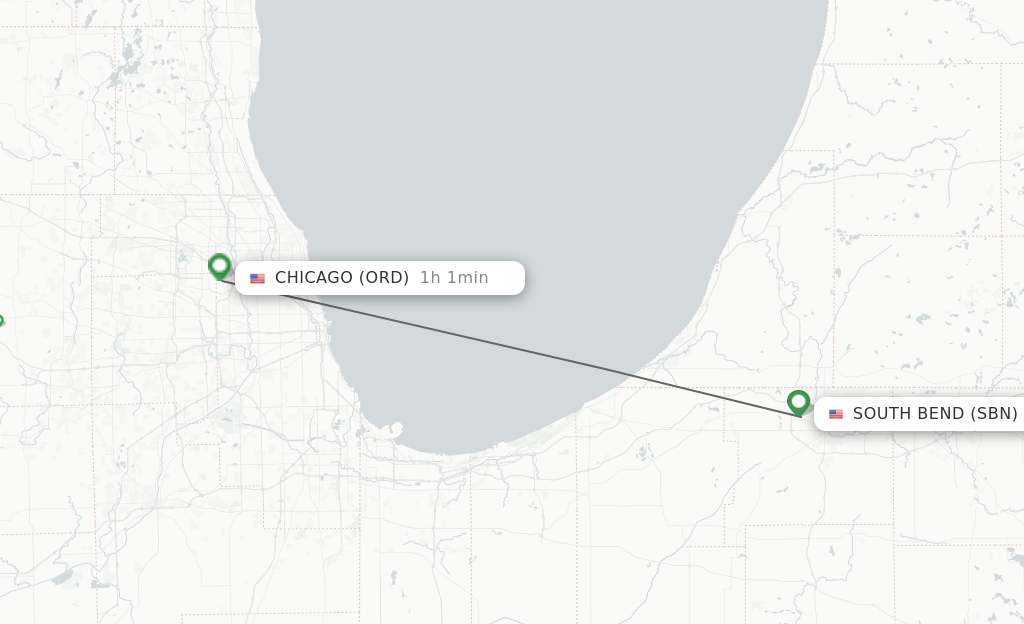
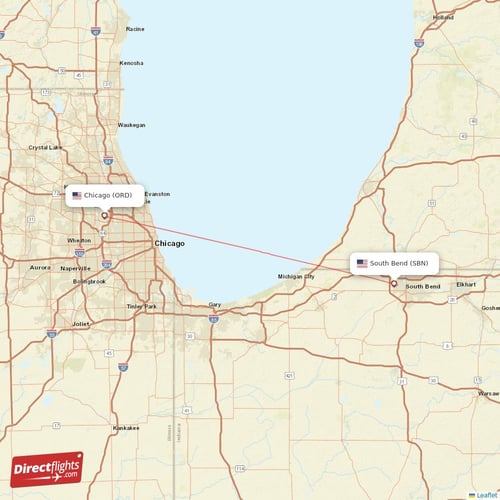
At first glance, the two cities appear to be neighbors on the map, and indeed, their proximity makes for a relatively straightforward journey. However, the precise distance can vary based on the specific points of origin and destination within each metropolitan area, as well as the chosen route.
Straight-Line vs. Driving Distance
As with any two points on a map, there’s a difference between the “as the crow flies” distance and the actual driving distance. The straight-line, or aerial, distance between South Bend and Chicago is approximately 80 to 85 miles (around 129-137 kilometers). This gives a quick sense of their closeness but isn’t practical for ground travel.
For most travelers, the more relevant figure is the driving distance. Typically, the route via major interstates covers about 90 to 100 miles (approximately 145-161 kilometers). This variability accounts for the specific starting point in South Bend (e.g., downtown, near the university) and the destination in Chicago (e.g., Loop, O’Hare International Airport, Midway International Airport). On average, expect the journey to be around 95 miles.
Key Routes and Interstate Connections
The primary arteries connecting South Bend and Chicago are the interstate highways that crisscross the region, particularly the Indiana Toll Road (which is part of Interstate 90) and Interstate 94.
- Interstate 90 (Indiana Toll Road): This is often the most direct and fastest route. Starting from South Bend, travelers will hop onto the Indiana Toll Road heading west. This highway leads directly into the Chicago metropolitan area, eventually merging with other major expressways that funnel into the city center. Be aware that the Indiana Toll Road is a toll road, so factor in the cost and potential need for an E-ZPass or similar transponder.
- Interstate 94: While still a viable option, Interstate 94 tends to take a slightly more northern loop, passing through Michigan City before heading west towards Chicago. This route might be preferred by those looking to avoid tolls or needing to make a stop in Northwest Indiana. It eventually merges with Interstate 90 closer to the city.
Both routes offer well-maintained roads and multiple lanes, though traffic can significantly impact travel times, especially during peak hours.
Factors Influencing Travel Time
While the distance is relatively fixed, the time it takes to cover that distance is highly variable. Several factors can influence your travel duration:
- Traffic Congestion: Chicago is a major metropolitan area notorious for its traffic, particularly during weekday rush hours (typically 6:00 AM – 9:00 AM and 3:00 PM – 6:00 PM). Entering or exiting the city during these times can add a significant amount of time to your journey. Weekends can also see increased traffic, especially if there are major events in Chicago.
- Construction: Road construction is a perennial factor in the Midwest, especially during warmer months. Detours, lane closures, and reduced speed limits can cause delays. It’s always wise to check real-time traffic updates before departing.
- Weather Conditions: Indiana and Illinois experience all four seasons, and severe weather can impact travel. Snow and ice in winter, heavy rain or fog, and even strong winds can slow down traffic and make driving hazardous.
- Stops and Breaks: Whether for fuel, food, or rest, planned or unplanned stops will naturally extend your travel time.
- Time of Day/Week: As mentioned, peak hours are crucial. Traveling in the late morning, early afternoon, or late at night typically offers the fastest travel times.
Under ideal conditions (light traffic, good weather), the drive can be completed in about 1 hour and 45 minutes to 2 hours. During peak traffic or adverse weather, this could easily extend to 2.5 to 3.5 hours, or even longer.
Navigating the Journey: Modes of Transportation
Travelers between South Bend and Chicago have several transportation options, each with its own advantages and considerations regarding cost, convenience, and travel time.
Driving: The Most Common Choice
Driving remains the most popular method of travel due to its flexibility and convenience. As detailed above, the typical driving distance is around 90-100 miles, with an average travel time of 1 hour 45 minutes to 2 hours 30 minutes, depending on traffic.
- Advantages: Freedom to set your own schedule, direct door-to-door travel (especially important if your destination is not near a public transport hub), ability to carry more luggage, and the option to make spontaneous stops.
- Considerations: Fuel costs, potential for tolls (especially on the Indiana Toll Road), parking costs and availability in Chicago (which can be very expensive), and the stress of navigating Chicago’s traffic. Car rental is an option for those without their own vehicle.
- Tips: Use GPS or a navigation app with real-time traffic updates. Consider traveling during off-peak hours. Research parking options in Chicago beforehand, including garages and street parking regulations.
Public Transportation: Train and Bus Options
For those who prefer to avoid driving, or for whom it’s not an option, public transportation provides reliable alternatives.
- Train (Amtrak and South Shore Line):
- Amtrak: Offers several daily services connecting South Bend (via the South Bend International Airport station, requiring a bus transfer to Union Station in Chicago) to Chicago’s Union Station. The journey typically takes around 1 hour 45 minutes to 2 hours, offering a comfortable and scenic ride, free from traffic concerns.
- South Shore Line: This commuter rail service provides a direct link from South Bend (specifically from the South Bend International Airport) to downtown Chicago’s Millennium Station. It’s a popular choice for commuters and day-trippers. The travel time is approximately 2 hours 25 minutes, with multiple stops along the way. It offers a cost-effective and relatively frequent service.
- Bus (Greyhound and Coach USA):
- Greyhound: Provides intercity bus services, offering connections between South Bend and Chicago. Travel times can range from 2 to 3 hours, depending on the number of stops and traffic. It’s often one of the most budget-friendly options.
- Coach USA: Operates under various brands, including those offering express services between South Bend (often from the University of Notre Dame) and Chicago (O’Hare International Airport and Midway International Airport). These routes are particularly convenient for air travelers.
- Advantages: Avoids driving stress, parking fees, and traffic. Can be more economical than driving, especially for solo travelers.
- Considerations: Less flexible schedules, potential for delays, and travel time can sometimes be longer than driving.
Air Travel: A Less Common But Available Option
For the relatively short distance between South Bend and Chicago, flying is generally not the most practical or efficient choice. While South Bend International Airport (SBN) does offer flights, and Chicago has two major airports (O’Hare International Airport and Midway International Airport), the total travel time involved in getting to and from airports, security checks, and flight duration usually far exceeds the time it takes to drive or take the train. Air travel would only be a consideration if connecting to a longer journey or if time were extremely critical and cost less of a concern.
Ridesharing and Carpooling
Services like Uber and Lyft are available, but for a 90-100 mile journey, they can be quite expensive, often rivaling or exceeding the cost of a train ticket or driving yourself, especially if solo. Carpooling platforms or coordinating with friends/colleagues heading the same way can be a cost-effective and environmentally friendly option.
Planning Your Trip: Practical Considerations
A well-planned trip ensures a smooth and stress-free journey, regardless of your chosen mode of transportation. Understanding the nuances of travel between South Bend and Chicago can make all the difference.
Best Times to Travel
Timing is paramount when traveling to or from a major city like Chicago.
- Weekdays: Aim to depart outside of typical rush hour windows (before 6:00 AM or after 9:00 AM in the morning, and before 3:00 PM or after 6:00 PM in the afternoon/evening). Mid-day travel on a weekday often presents the clearest roads.
- Weekends: Saturday mornings can still be busy, especially if there are major events, sports games, or conventions in Chicago. Sunday afternoons and evenings are typically heavy with return traffic. Early Sunday morning is often the calmest time to drive.
- Holidays: Avoid traveling on the days immediately before or after major holidays (e.g., Thanksgiving, Christmas, Labor Day), as traffic volumes can be exceptionally high, and public transport services might be altered or fully booked.
Always consult real-time traffic apps (like Google Maps or Waze) before heading out.
Essential Stops Along the Way
While the drive is relatively short, a stop can break up the journey and offer a chance to stretch your legs. Most of the direct routes pass through Northwest Indiana, which has several convenient rest stops and gas stations along the Indiana Toll Road.
- Michigan City, Indiana: Located off Interstate 94, Michigan City offers access to the Indiana Dunes National Park and various dining options if you’re taking a slightly more scenic route or want a more substantial break than a typical rest stop.
- Gary, Indiana: While often passed through, Gary and its surrounding areas offer various points of interest for those curious about industrial history or specific attractions, though most travelers will continue on.
- Valparaiso, Indiana: A bit off the main interstate routes but an option for those seeking a charming college town experience with local eateries.
For quick breaks, the numerous service plazas directly on the Indiana Toll Road provide gas, food, and restrooms without needing to exit the highway.
Cost Analysis for Different Modes
The cost of your trip will vary significantly based on your chosen mode and specific circumstances.
- Driving:
- Fuel: Roughly 90-100 miles round trip. Calculate based on your vehicle’s MPG and current fuel prices.
- Tolls: The Indiana Toll Road charges tolls, which can be paid with cash or electronically via E-ZPass (or similar systems like I-Pass in Illinois). Expect costs in the range of $5-$10 each way.
- Parking in Chicago: This can be the most significant expense, often ranging from $20-$50+ for a few hours or a full day in downtown garages. Street parking is often metered and has strict time limits.
- Wear and tear: A minor, but ongoing, cost for your vehicle.
- Train (Amtrak/South Shore Line):
- Fares typically range from $10-$30+ each way, depending on booking time, class, and specific service. South Shore Line is generally more affordable than Amtrak.
- Bus (Greyhound/Coach USA):
- Fares are often the most budget-friendly, generally ranging from $10-$25+ each way. Booking in advance can yield better prices.
- Ridesharing: Can easily be $100+ each way for this distance, making it a less economical choice for most.
Consider if you’re traveling solo or with multiple people, as driving costs can be split, potentially making it cheaper per person for groups.
Why Travel Between South Bend and Chicago?
Understanding the distance and logistics is often driven by a specific purpose. The corridor between South Bend and Chicago is a vital link for various reasons, making it a frequently traveled route for a diverse group of individuals.
Business and Commuting
Many professionals and business owners regularly commute or travel for meetings between the two cities. Chicago, as a global financial and business hub, attracts talent and enterprise from surrounding regions, including South Bend. Conversely, South Bend’s growing economy and strategic location make it a regional center for manufacturing, healthcare, and education, drawing Chicago-based professionals. The convenient distance facilitates these critical economic connections.
Leisure and Cultural Exchange
For leisure travelers, the proximity opens up a world of possibilities. Chicago offers world-class museums, theatre, dining, shopping, and iconic landmarks such as Millennium Park and the Art Institute of Chicago. Residents of South Bend often visit Chicago for these diverse cultural and entertainment experiences.
Conversely, South Bend serves as an appealing, more relaxed destination for Chicago residents, especially during football season for Notre Dame games, or for exploring the charm of a smaller Midwestern city with its own burgeoning arts and food scene. The area around South Bend also offers access to beautiful natural areas and wineries in Southwest Michigan, making it a gateway for extended regional travel.
Educational Pursuits
The presence of the University of Notre Dame in South Bend creates a significant travel corridor. Students, faculty, and their families frequently travel between South Bend and Chicago, with Chicago’s airports serving as key hubs for those coming from further afield. Notre Dame events, academic conferences, and student internships often necessitate this short journey, contributing to the consistent flow of traffic on trains, buses, and highways.
In conclusion, the distance between South Bend, Indiana, and Chicago, Illinois, is a manageable 90-100 miles, making it an accessible route by various means of transportation. Whether you opt for the flexibility of driving, the comfort of the train, or the economy of the bus, a well-informed approach to your travel plans will ensure a smooth and enjoyable journey, connecting you to the opportunities and experiences each vibrant city has to offer.
LifeOutOfTheBox is a participant in the Amazon Services LLC Associates Program, an affiliate advertising program designed to provide a means for sites to earn advertising fees by advertising and linking to Amazon.com. Amazon, the Amazon logo, AmazonSupply, and the AmazonSupply logo are trademarks of Amazon.com, Inc. or its affiliates. As an Amazon Associate we earn affiliate commissions from qualifying purchases.