
When the mercury climbs in the Lone Star State, it’s more than just a number; it’s an invitation to explore the unique ways Texans embrace and endure the heat. From the sun-baked plains of West Texas to the humid embrace of the Gulf Coast, Texas’s climate is as vast and varied as its landscape. This isn’t just about sweat and sunscreen; it’s about a culture shaped by sunshine, about finding refreshing escapes, and about experiencing the state’s vibrant attractions under a warm, often intense, sky.
The question “How hot is Texas?” is deceptively simple. While many associate the state with scorching summers, the reality is a nuanced tapestry of temperatures influenced by geography, season, and even the time of day. Understanding this is key to planning the perfect Texas adventure, whether you’re seeking out world-class attractions or simply looking for the coolest place to enjoy a slice of authentic Texas cuisine.
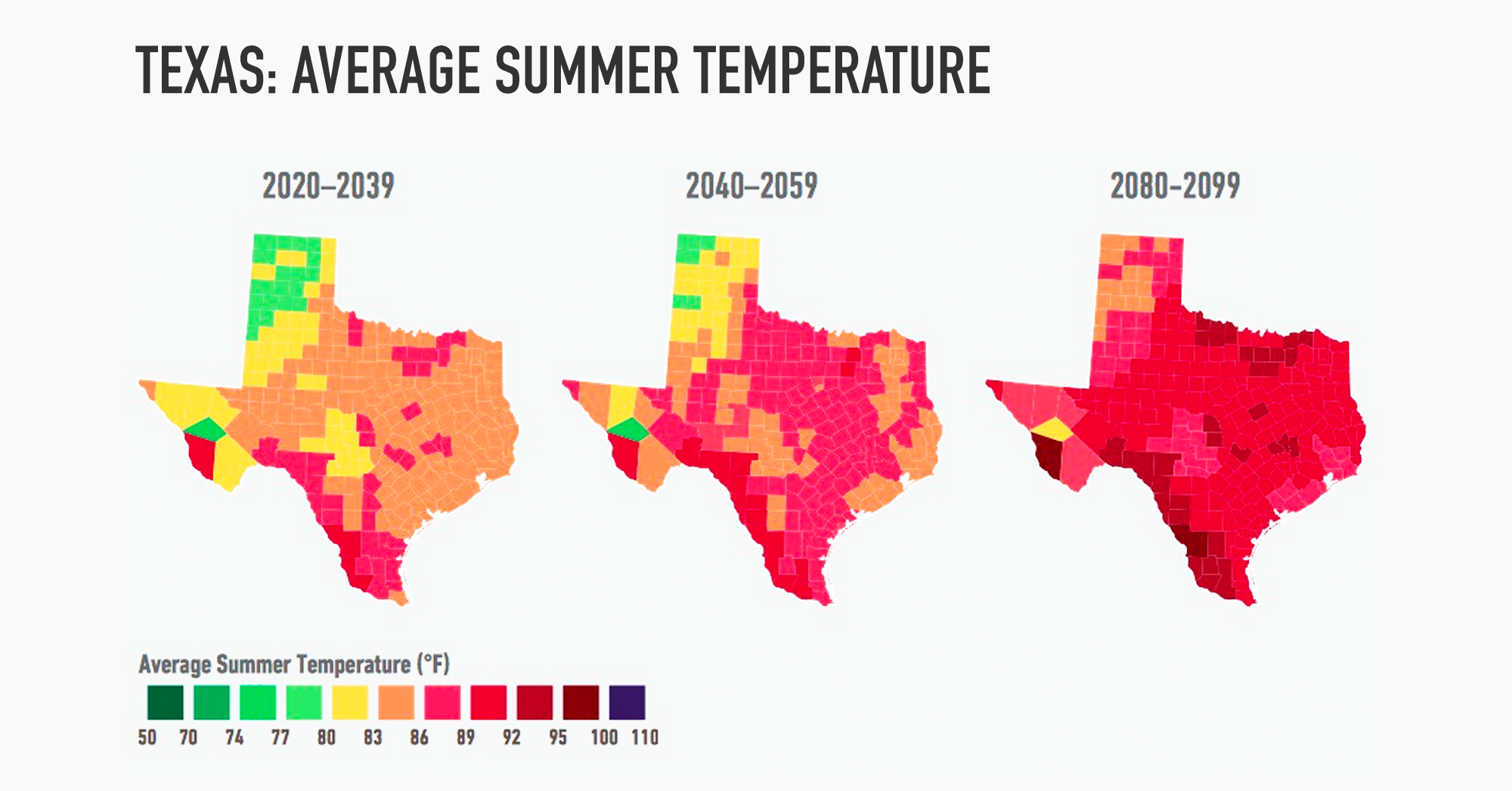
The Texas Temperature Spectrum: More Than Just Heat Waves
Texas is a state of extremes, and its climate is no exception. The sheer size of Texas means that “hot” can mean very different things depending on where you are. The panhandle, for instance, can experience significant temperature swings, with hot summers but also chilly winters. In contrast, the Gulf Coast region, while enjoying warmer temperatures year-round, is also characterized by high humidity, making the heat feel more oppressive. West Texas, with its arid plains, can boast incredibly high daytime temperatures but often cools down considerably after sunset, offering a welcome respite.
Summer’s Reign: When the Sun Takes Center Stage
Summer in Texas, typically from June through August, is when the state truly earns its reputation for heat. Average high temperatures across the state frequently reach the 90s Fahrenheit (around 32-37 degrees Celsius), and it’s not uncommon for them to push into the triple digits, especially in the western and central parts of the state. Cities like Dallas, Houston, and San Antonio often see prolonged periods of extreme heat, with heat indexes – the “feels like” temperature factoring in humidity – soaring even higher.
This intense summer sun is a significant factor for travelers. Outdoor activities need to be planned with the heat in mind. Early morning or late evening excursions are often the most comfortable. Hydration becomes paramount, and seeking out air-conditioned attractions or shaded spots becomes a strategic part of any itinerary. For those staying in hotels, a well-functioning air conditioning system is not just a luxury but a necessity. Many resorts offer cooling amenities like swimming pools and misting stations to help guests beat the heat.
Embracing the Heat: Texas Summer Lifestyles
Despite the high temperatures, Texans have developed a unique relationship with their summer climate. It’s a time for vibrant festivals, outdoor concerts, and backyard barbecues. The heat, while challenging, is also a catalyst for community and outdoor enjoyment, albeit with modifications.
- Water Activities: From the natural springs of the Texas Hill Country to the man-made wave pools in Austin, water is the ultimate savior. Kayaking on the Colorado River or swimming in the refreshing waters of Barton Creek Pool are popular ways to cool off. Many apartments and villas offer private pools, enhancing the summer experience for those seeking a more secluded escape.
- Evening Adventures: As the sun begins to dip, the temperature often becomes more bearable, making evenings the prime time for exploring. Strolling along the San Antonio River Walk, enjoying an outdoor concert in Houston, or dining al fresco in Dallas are quintessential Texas summer experiences.
- Cooling Culinary Delights: Texas cuisine adapts to the heat. Think chilled gazpacho, refreshing fruit salads, and iced tea served by the gallon. Ice cream parlors and frozen treat stands become popular attractions in their own right.
Beyond the Summer Blaze: Spring, Fall, and Winter in Texas
While summer often dominates the narrative, Texas experiences other seasons with their own distinct temperature profiles, offering a different kind of heat and a more forgiving climate for exploration.
Spring: A Symphony of Mild Temperatures and Blooming Landscapes
Spring in Texas, typically March through May, is often considered the sweet spot for visiting. Temperatures are generally pleasant, ranging from the 70s to the 80s Fahrenheit (around 21-27 degrees Celsius). This is a time when the state bursts into bloom, with wildflowers carpeting the countryside, especially in the Texas Hill Country. This mild weather is perfect for exploring landmarks like the Alamo in San Antonio or taking scenic drives.
- Outdoor Exploration: Hiking and biking trails across the state are at their most inviting. Parks like Big Bend National Park offer incredible opportunities for exploration without the oppressive summer heat. The Texas State Parks system is a treasure trove of natural beauty best enjoyed during these months.
- Cultural Events: Many of the state’s most beloved festivals and rodeos are held in the spring. The Houston Livestock Show and Rodeo is a prime example of a major event that thrives in this milder weather. The chance to experience local culture is abundant.
Autumn: A Golden Glow and Comfortable Climates
Fall in Texas, from September through November, mirrors the pleasantness of spring. Temperatures gradually cool, with highs often in the 70s and 80s Fahrenheit, offering another ideal window for travel. The humidity of summer recedes, and the air becomes crisp and inviting. This is a fantastic time for experiencing the state’s diverse destinations.
- City Exploration: Exploring the bustling metropolises like Austin, Fort Worth, and El Paso is particularly enjoyable in the fall. Sidewalk cafes are buzzing, and the architecture of these cities can be appreciated at a leisurely pace.
- Agricultural Tourism: Harvest season brings its own charm, with pumpkin patches, apple orchards, and corn mazes becoming popular family activities. Many local tours focus on the agricultural heritage of the state during this time.
Winter: A Surprising Range of Temperatures
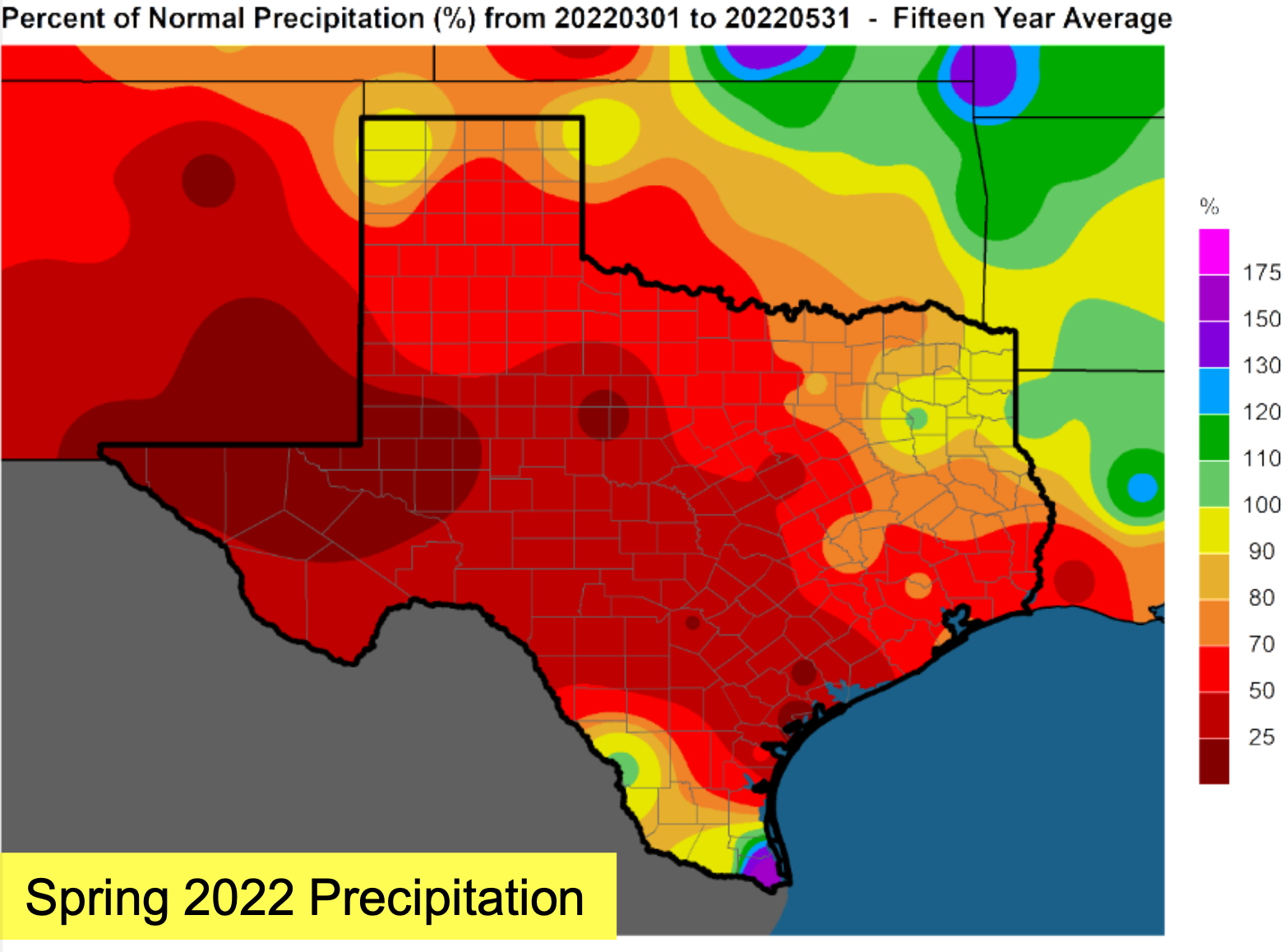
Winter in Texas can be surprisingly varied. While the northern parts of the state can experience freezing temperatures and even occasional snow, the southern regions, like South Texas and the Gulf Coast, often enjoy mild winters with highs in the 60s Fahrenheit (around 15-20 degrees Celsius). This makes coastal cities like Corpus Christi and Galveston attractive destinations for those escaping colder climates.
- Winter Texans: Many retirees, often referred to as “Winter Texans,” flock to the southern parts of the state for the warmer weather, turning these areas into vibrant seasonal communities.
- Budget Travel Opportunities: Off-season travel in the cooler months can often lead to more affordable accommodation options and fewer crowds, making it a great time for budget travel.
Factors Influencing Texas Heat
The intensity and duration of heat in Texas are not uniform. Several key factors contribute to the state’s diverse temperature profiles:
Geographic Location: North vs. South, East vs. West
Texas’s immense size is the primary driver of its varied climate.
- The Panhandle: This northernmost region experiences the most extreme temperature fluctuations. Summers can be very hot, but winters are significantly colder than in the south.
- North Texas: Cities like Dallas and Fort Worth endure hot, humid summers and relatively mild winters, though cold snaps can occur.
- Central Texas: The Texas Hill Country and cities like Austin and San Antonio experience hot summers with periods of intense heat, but spring and fall offer beautiful, temperate weather.
- East Texas: This region is characterized by hot, humid summers and mild winters, often with more rainfall than other parts of the state.
- West Texas: Known for its arid climate, West Texas, including areas around El Paso, sees some of the highest daytime temperatures in the state. However, the low humidity means evenings can offer a significant drop in temperature.
- The Gulf Coast: The coastal areas, from Galveston down to Corpus Christi, have hot, humid summers and mild winters. The proximity to the ocean moderates temperatures but also increases humidity, leading to high heat index values.
Humidity Levels: The Great Texas Temperature Modifier
Humidity plays a crucial role in how Texans perceive heat. While dry heat can be uncomfortable, high humidity makes the air feel much thicker and hotter, impeding the body’s ability to cool itself through evaporation. The Gulf Coast and East Texas are known for their higher humidity levels, making summer days there feel particularly sweltering. In contrast, West Texas, with its arid climate, often experiences lower humidity, meaning that even when temperatures are high, the heat can feel less suffocating. This distinction is vital for travelers planning their experiences.
Urban Heat Island Effect: Cities Feel the Heat
Like in many parts of the world, Texas’s major cities experience the urban heat island effect. The concentration of concrete, asphalt, and buildings absorbs and retains more heat than natural landscapes. This means that cities like Houston, Dallas, and Austin can be several degrees hotter than surrounding rural areas, especially at night. This can impact the comfort of outdoor activities and the desirability of certain attractions during peak daylight hours. Planning stays in neighborhoods with more green spaces or seeking out air-conditioned public spaces can help mitigate this.
Maximizing Your Texas Adventure, Regardless of the Thermometer
Whether you’re planning a luxury travel experience, a budget-friendly getaway, or a family trip, understanding Texas’s diverse temperature landscape is key to a successful and enjoyable visit. The state offers a wealth of attractions, from historic landmarks like the San Jacinto Monument to natural wonders like the Guadalupe River State Park.
Smart Planning for Every Season
- For Summer Visitors: Prioritize indoor attractions like museums in Dallas, the Space Center Houston, or the Sixth Floor Museum at Dealey Plaza. Plan outdoor excursions for early mornings or late evenings. Look for hotels and resorts with excellent pool facilities. Consider a long-term stay in a location with easy access to water.
- For Spring and Fall Explorers: These are the prime seasons for exploring national and state parks, visiting ranches, and enjoying outdoor dining. Day trips to charming towns like Fredericksburg or Gruene are highly recommended.
- For Winter Travelers: Explore the southern border towns, enjoy the mild climate on the Gulf Coast, or experience the unique desert landscapes of West Texas. Cities like San Antonio offer a rich historical and cultural experience year-round.
Accommodation and Lifestyle Choices
When choosing your accommodation, consider the season and your planned activities. A suite with excellent air conditioning is a wise investment during summer. For families, apartments or villas with kitchens can offer flexibility and cost savings. For those seeking a more immersive experience, consider boutique hotels in historic districts or modern downtown establishments.
Ultimately, “How hot is Texas?” is a question that invites a deeper appreciation for the state’s diverse climate and the resilient spirit of its people. From the sun-drenched plains to the humid coastline, Texas offers a unique travel experience where the heat is not just a meteorological condition, but an integral part of its identity and its enduring allure. By planning wisely and embracing the local way of life, you can make the most of your Texas adventure, no matter how high the thermometer climbs.
LifeOutOfTheBox is a participant in the Amazon Services LLC Associates Program, an affiliate advertising program designed to provide a means for sites to earn advertising fees by advertising and linking to Amazon.com. Amazon, the Amazon logo, AmazonSupply, and the AmazonSupply logo are trademarks of Amazon.com, Inc. or its affiliates. As an Amazon Associate we earn affiliate commissions from qualifying purchases.