
Planning a trip to Florida often involves navigating between its diverse attractions, from sun-kissed beaches to thrilling theme parks. One of the most common itineraries for travelers involves bridging the gap between the iconic shores of Daytona Beach and the enchanting world of Orlando. Understanding the distance, travel time, and various transportation options is crucial for a seamless and enjoyable journey. This comprehensive guide will illuminate every aspect of traveling between these two beloved Florida destinations, ensuring you’re well-prepared for your adventure.
The Geographical Overview: Bridging Two Florida Gems
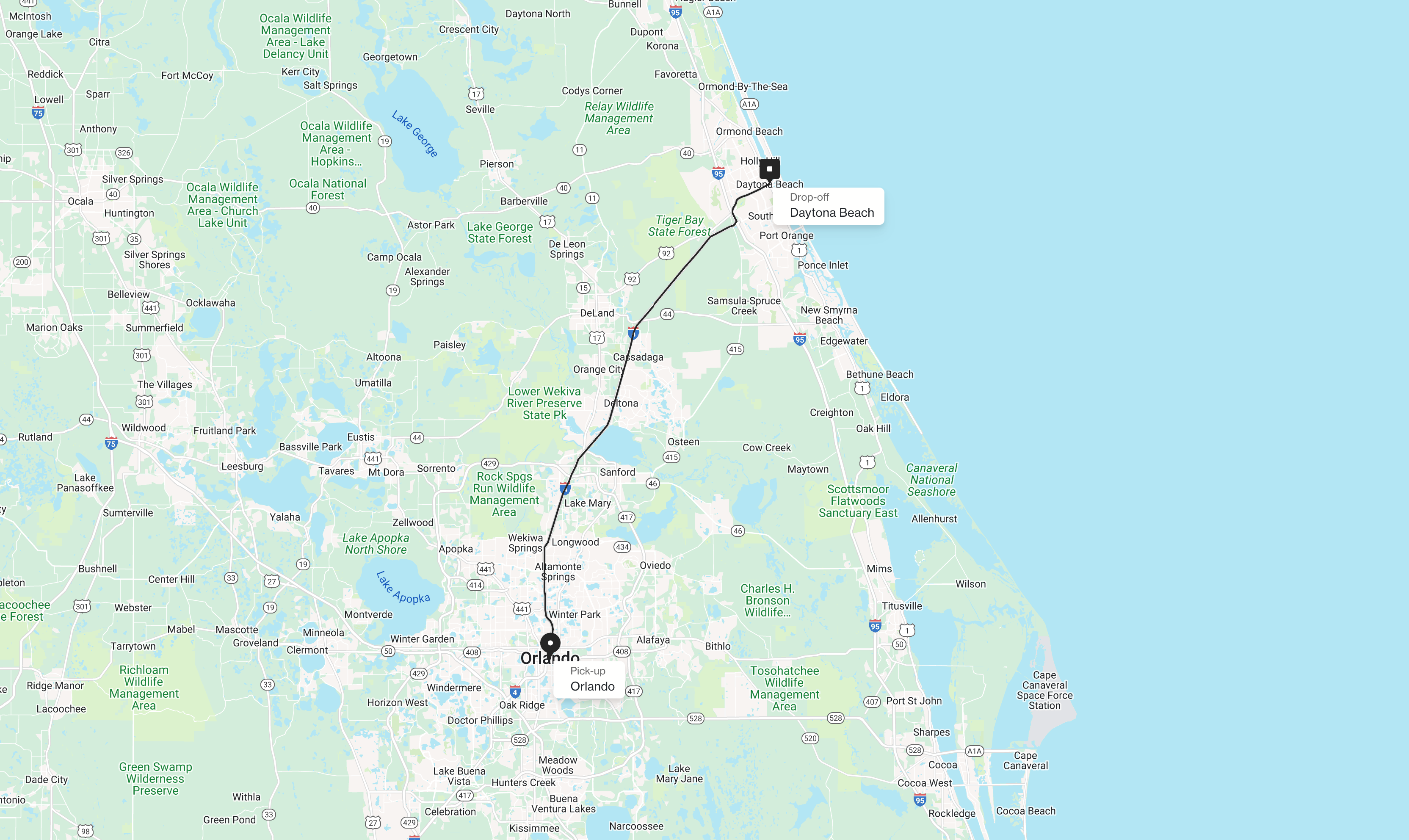
The journey from Daytona Beach, a city renowned for its motorsport heritage and expansive shoreline, to Orlando, the global capital of theme parks, is a relatively straightforward one, connecting two distinct facets of the Sunshine State. This route is a popular choice for tourists seeking to combine a relaxing beach getaway with an action-packed theme park experience.
Unpacking the Distance: Miles and Kilometers
The approximate driving distance between downtown Daytona Beach and downtown Orlando is typically between 55 to 60 miles (88 to 96 kilometers), depending on the exact starting and ending points within each city. For instance, if you’re traveling from the heart of Daytona Beach near the Daytona International Speedway to the International Drive area in Orlando (which is home to many attractions and resorts), the distance might be closer to the higher end of this range. While this might seem like a short distance on a map, real-world travel considerations can influence the actual time spent on the road.
Estimating Travel Time: Factors at Play
While the distance suggests a quick trip, various factors can impact your actual travel time. Under ideal conditions, with light traffic and direct routes, the drive can be completed in approximately 1 hour to 1 hour and 15 minutes. However, it’s prudent to account for potential delays. Traffic congestion, especially during peak travel times, holidays, or adverse weather conditions, can extend this journey significantly. Construction zones are also a perennial factor on busy highways, contributing to unexpected slowdowns. Therefore, while planning, it’s often wise to allocate at least 1 hour and 30 minutes to 2 hours for the drive to provide a comfortable buffer.
Navigating the Journey: Your Transportation Options
The route between Daytona Beach and Orlando is well-serviced by several transportation methods, each offering distinct advantages depending on your budget, schedule, and preference for convenience.
Driving: The Most Popular Choice
For many travelers, driving remains the most flexible and preferred method to traverse the distance between Daytona Beach and Orlando. It offers unparalleled freedom to depart and arrive on your own schedule, make impromptu stops, and transport luggage easily.
Route 1: I-4 West (Direct Route)
The most direct and widely used route is to take Interstate 4 (I-4) West. From Daytona Beach, you’ll typically access I-4 via US-92 (International Speedway Boulevard). Once on I-4 West, it’s a straight shot into Orlando. This interstate is well-maintained and provides clear signage, making navigation straightforward even for those unfamiliar with the area. It connects directly to the major theme parks and downtown Orlando areas.
Route 2: US-17/US-92 via DeLand (Alternative/Scenic Route)
While less direct and generally longer in terms of travel time, an alternative route can involve taking US-92 inland to DeLand, then connecting with US-17 South towards Orlando. This route bypasses some of the I-4 traffic, but it involves more local roads and stoplights, extending the journey time, often to 1 hour and 30 minutes or more. It can, however, offer a glimpse into smaller Florida towns and more rural scenery for those who prefer a less highway-centric drive.
Driving Considerations: Tolls, Traffic, and Rest Stops
While I-4 itself is generally toll-free for the main stretch connecting Daytona Beach to Orlando, certain express lanes (I-4 Express) or connecting toll roads within the Orlando metropolitan area might require tolls. It’s advisable to have a SunPass transponder or some cash/credit card ready for any unexpected tolls. Traffic is undoubtedly the biggest consideration. Weekday rush hours (7 AM – 9 AM and 4 PM – 6 PM) and weekend afternoons (especially Sunday afternoons) can see significant congestion, particularly as you approach and navigate through Orlando. Several gas stations and fast-food outlets are conveniently located along the I-4 corridor for quick stops.
Public Transportation: Bus Services
For travelers without a car or those preferring not to drive, intercity bus services offer an economical option.
Greyhound and FlixBus Options
Both Greyhound and FlixBus operate routes between Daytona Beach and Orlando. Greyhound typically departs from the Daytona Beach terminal and arrives at the Orlando terminal near downtown. FlixBus often uses more convenient pick-up/drop-off points, such as near the International Drive area in Orlando. The journey duration by bus can range from 1 hour 30 minutes to 2 hours or more, depending on the number of stops and traffic. While often cheaper than driving, bus travel offers less flexibility and might require additional local transportation from the bus terminal to your final destination.
Ride-Sharing and Private Transfers

Services like Uber and Lyft are readily available in both Daytona Beach and Orlando. This offers a convenient door-to-door service, similar to driving your own car but without the hassle of parking or navigation. The cost, however, can be significantly higher than driving or taking a bus, especially during peak demand or surge pricing. Private transfer services, booked in advance, provide a more luxurious and predictable option, ideal for families or groups traveling with a lot of luggage, though at a premium price.
Air Travel: A Less Practical Option
While both Daytona Beach (Daytona Beach International Airport – DAB) and Orlando (Orlando International Airport – MCO or Orlando Sanford International Airport – SFB) have airports, flying between them is not a practical option. The short distance means that the time spent on check-in, security, and boarding would far outweigh the actual flight time, not to mention the significantly higher cost. This option is effectively non-existent for inter-city travel within Florida for such a short distance.
Planning Your Trip: Essential Considerations
A well-thought-out plan can enhance your travel experience and minimize potential stress.
Peak Travel Times and Traffic Patterns
As mentioned, traffic is a key factor. Aim to travel during off-peak hours if possible. Mid-morning (after 9 AM) or early afternoon (before 3 PM) on weekdays often offer the clearest roads. Conversely, avoiding Friday afternoons, Sunday afternoons, and major holiday weekends can save you from significant delays on I-4. Always check real-time traffic updates using navigation apps like Google Maps or Waze before you depart.
Budgeting for the Journey
If driving, factor in fuel costs (dependent on your vehicle’s MPG and current gas prices), potential tolls, and parking fees upon arrival in Orlando, especially if visiting theme parks. For bus travel, book tickets in advance to secure better rates. Ride-sharing costs are variable but can be estimated using the app beforehand. For private transfers, obtain quotes from multiple providers.
What to Pack for a Florida Road Trip
Regardless of your mode of transport, a few essentials will make your Florida journey more comfortable:
- Navigation: A reliable GPS or smartphone with a mapping app.
- Snacks and Drinks: To avoid unnecessary stops and save money.
- Entertainment: Music, podcasts, or audiobooks for the road.
- Sun Protection: Sunglasses, hat, and sunscreen are crucial, even when inside a vehicle, given Florida’s intense sun.
- Emergency Kit: Jumper cables, basic tools, and a first-aid kit, especially if driving your own car.
Making the Most of Your Journey: Stopovers and Attractions
While the drive from Daytona Beach to Orlando is relatively short, there are opportunities to enhance your trip by exploring local points of interest or making the most of your time at either end.
Exploring Daytona Beach Before You Go
Before heading inland, consider spending a bit more time soaking in what Daytona Beach has to offer.
- Daytona International Speedway: A must-visit for motorsports enthusiasts, offering tours of the iconic track and the Motorsports Hall of Fame of America.
- Daytona Beach Boardwalk and Pier: Enjoy classic arcade games, carnival rides, and delicious seafood with stunning ocean views. It’s a perfect spot for a leisurely stroll.
- Driving on the Beach: Daytona Beach is famously one of the few places where you can drive your car directly onto the sand in designated areas, a unique Florida experience.
En Route Diversions
Depending on your chosen route and desire for exploration, a few noteworthy stops can add richness to your journey.
- Canaveral National Seashore: A slight detour east from I-4 (via SR-44 or SR-40 near New Smyrna Beach or Titusville) offers pristine, undeveloped beaches and critical wildlife habitats. It’s a stark contrast to the bustling cities and a beautiful natural escape.
- Blue Spring State Park: Located near Orange City (a short drive off I-4), this park is a designated Manatee Refuge and a popular spot for swimming, snorkeling, and diving in its clear, 72-degree spring waters. During winter months, it’s one of the best places to see Florida manatees.
Arriving in Orlando: Gateway to Theme Parks and More
Upon arrival, Orlando greets travelers with an array of world-class attractions.
- Walt Disney World Resort: Home to Magic Kingdom, Epcot, Hollywood Studios, and Animal Kingdom, it’s the quintessential Orlando experience for many.
- Universal Orlando Resort: Featuring Universal Studios Florida, Islands of Adventure, and the Wizarding World of Harry Potter, it offers thrilling rides and immersive worlds.
- SeaWorld Orlando: A marine zoological park and theme park focused on ocean life and conservation.
- Downtown Orlando: Beyond the theme parks, downtown offers vibrant nightlife, diverse dining, and cultural attractions.

Conclusion: Your Seamless Florida Adventure Awaits
The journey from Daytona Beach to Orlando is an easily manageable and integral part of many Florida itineraries. With a distance of approximately 55-60 miles and a driving time of 1 to 1.5 hours under normal conditions, travelers have several efficient options for transportation. Whether you opt for the freedom of driving your own vehicle, the affordability of a bus, or the convenience of a ride-sharing service, understanding the logistics and planning ahead will ensure a smooth transition between these two iconic destinations. Prepare for traffic during peak hours, consider a quick stop at a natural spring, and get ready to trade the roar of race cars and ocean waves for the magic of theme parks. Your unforgettable Florida adventure, seamlessly connecting beach relaxation with world-class entertainment, is just a short drive away.
LifeOutOfTheBox is a participant in the Amazon Services LLC Associates Program, an affiliate advertising program designed to provide a means for sites to earn advertising fees by advertising and linking to Amazon.com. Amazon, the Amazon logo, AmazonSupply, and the AmazonSupply logo are trademarks of Amazon.com, Inc. or its affiliates. As an Amazon Associate we earn affiliate commissions from qualifying purchases.