
The allure of the Lone Star State, Texas, beckons travelers from across the globe. Whether you’re drawn by its vast landscapes, vibrant cities, rich history, or unique culture, planning a trip involves a crucial first step: securing your flight. Understanding the cost of a plane ticket to Texas is paramount to budgeting your adventure. This comprehensive guide delves into the factors influencing airfare to this sprawling southern state, offering insights to help you snag the best possible deal.
Decoding the Factors That Influence Flight Prices to Texas
The price you see for a plane ticket to Texas isn’t pulled from thin air. It’s a complex calculation influenced by a multitude of variables, each playing a significant role in the final cost. By understanding these elements, you can become a more savvy traveler, capable of anticipating price fluctuations and making informed booking decisions.

Demand and Seasonality
Perhaps the most significant driver of flight prices is the interplay between supply and demand. When more people want to travel to Texas, prices naturally rise. This is most evident during peak travel seasons, which for Texas include:
- Spring Break (March-April): As temperatures warm up and students enjoy their break, popular destinations like South Padre Island and the Texas Hill Country see a surge in visitors, driving up flight costs.
- Summer Holidays (June-August): The long summer vacation period is another peak time, with families flocking to theme parks in San Antonio and Dallas, or heading to the coast for beach getaways.
- Major Events and Festivals: Texas hosts numerous significant events throughout the year, such as the Houston Livestock Show and Rodeo, SXSW in Austin, and various sporting events. During these times, flights to the host cities skyrocket.
- Thanksgiving and Christmas Holidays: Like most destinations, Texas experiences increased air traffic around major holidays as people travel to visit family and friends.
Conversely, during the off-season or shoulder seasons, you’re likely to find more affordable airfare. Consider visiting Texas in the fall (September-November) or late winter (January-February) for potentially lower prices. However, remember that even in the off-season, popular cities like Dallas, Houston, Austin, and San Antonio will always have a baseline level of demand.
Origin City and Distance
The departure point for your journey is a fundamental determinant of flight cost. Flights originating from major international hubs or cities within close proximity to Texas (like those in bordering states such as Oklahoma, Arkansas, Louisiana, and New Mexico) will generally be cheaper than those from distant international locations or smaller domestic airports with fewer flight options. The sheer distance the aircraft needs to cover also translates into fuel costs and flight time, which are factored into the ticket price. For example, a flight from Los Angeles, California to Austin, Texas will typically be less expensive than a flight from New York City, New York to El Paso, Texas.
Airline Competition and Route Availability
The number of airlines operating direct or connecting flights between your origin and a Texas destination plays a critical role in pricing. Routes with robust competition, meaning multiple airlines vying for passengers, tend to have lower fares as companies compete to attract customers. Conversely, routes with limited or no direct flight options, or those dominated by a single carrier, often command higher prices. Texas is served by major airlines like American Airlines, United Airlines, Southwest Airlines, and Delta Air Lines, as well as several budget carriers. The presence of low-cost carriers on a particular route can significantly drive down prices for all airlines operating there.
Booking Time and Flexibility
When you book your flight can have a dramatic impact on its cost. Generally, booking well in advance (3-6 months for international flights, and 1-3 months for domestic flights) often yields the best prices. Last-minute bookings are typically the most expensive, as airlines know travelers who book late may be less price-sensitive or have urgent travel needs.
Flexibility with your travel dates and times is also a powerful tool for saving money. Flying on weekdays (Tuesdays and Wednesdays are often cheapest) rather than weekends can lead to significant savings. Similarly, opting for red-eye flights or flights with longer layovers can sometimes result in a lower fare. Being open to flying into or out of alternative airports near your desired Texas destination can also uncover cheaper options. For instance, flying into Dallas/Fort Worth International Airport (DFW) instead of Dallas Love Field (DAL), or considering Houston George Bush Intercontinental Airport (IAH) over Houston Hobby Airport (HOU), might offer better deals depending on your origin and the airline.
Type of Ticket and Inclusions
The base fare is just one part of the equation. The type of ticket you purchase – be it economy, premium economy, business class, or first class – will drastically alter the price. Budget airlines may offer very low base fares but charge extra for checked baggage, seat selection, and even carry-on luggage. Full-service carriers often include more amenities and services in their base fare, but the initial cost might be higher. Understanding what is included in your ticket price – such as meals, in-flight entertainment, and baggage allowance – is crucial for comparing offers accurately and avoiding unexpected charges.
Navigating Flight Options: From Major Hubs to Budget Airlines
Texas is a vast state with several major airports serving its prominent cities. Your choice of airport and the airline you fly with will directly influence the cost of your ticket. Understanding the landscape of air travel to Texas can help you make more informed booking decisions.
Major Airports and Their Impact on Pricing
Texas boasts several international and major domestic airports, each serving as a gateway to different regions of the state:
- Dallas/Fort Worth International Airport (DFW): One of the busiest airports in the world, DFW is a major hub for American Airlines and serves a vast network of domestic and international routes. Its high volume of flights and competition can sometimes lead to competitive pricing, especially for those flying on American Airlines or its partners.
- Houston George Bush Intercontinental Airport (IAH): Another significant international gateway, IAH is a hub for United Airlines. Similar to DFW, the extensive route network and competition can offer a range of pricing options.
- Austin-Bergstrom International Airport (AUS): Serving the vibrant capital city, AUS has seen significant growth and attracts a mix of legacy carriers and low-cost airlines, including Southwest Airlines. Prices can vary depending on the airline and demand for Austin‘s popular tech and music scene.
- San Antonio International Airport (SAT): While smaller than DFW or IAH, SAT is a key airport for the historic city of San Antonio. It’s served by major carriers and some budget airlines, with prices often influenced by demand for tourism in the city.
- William P. Hobby Airport (HOU): Primarily serving as a hub for Southwest Airlines, HOU offers a more focused selection of routes, often at competitive prices, particularly for domestic travel within Texas and to nearby states.
- El Paso International Airport (ELP): Serving the westernmost part of Texas, ELP is crucial for travelers heading to that region. Prices here can be more sensitive to specific airline routes and demand.
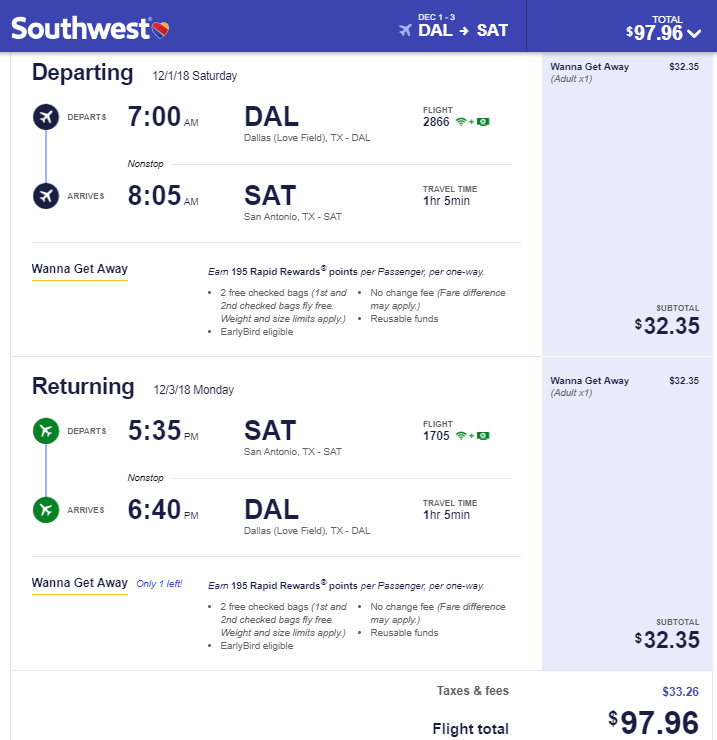
When searching for flights, consider checking prices for all airports within reasonable driving distance of your final destination. For example, if you’re traveling to San Antonio, you might also compare fares to Austin and then factor in the cost and time of ground transportation.
The Role of Budget Airlines
Budget airlines, such as Spirit Airlines, Frontier Airlines, and Allegiant Air, can significantly alter the landscape of airfare to Texas. These carriers often offer incredibly low base fares by stripping away most amenities. Passengers must be acutely aware of their pricing model, which typically involves charging extra for:
- Checked baggage
- Carry-on bags (beyond a small personal item)
- Seat selection
- Onboard refreshments
- Printing boarding passes at the airport
While the initial ticket price may seem appealingly low, the total cost can quickly escalate once you add these essential services. Therefore, when comparing budget airlines, always calculate the final price with all necessary add-ons before making a decision. For travelers who pack light and are comfortable with minimal frills, budget airlines can offer substantial savings on flights to Texas.
Direct vs. Connecting Flights
The choice between a direct flight and a flight with one or more layovers is another significant factor in ticket pricing. Direct flights are generally more convenient and save time, which often translates into a higher price. Connecting flights, while potentially longer and more inconvenient, frequently offer a more budget-friendly option.
When considering connecting flights, pay close attention to the layover duration and the airport. A very short layover (under an hour) can be risky, especially if your first flight is delayed, leading to a missed connection. Conversely, an excessively long layover might not be ideal either, unless you plan to explore the layover city. The cost savings from a connecting flight need to be weighed against the added time and potential hassle.
Strategies for Finding Affordable Flights to Texas
Securing a cheap plane ticket to Texas is an art form that combines strategic planning, flexibility, and the smart use of available tools. By implementing these practical strategies, you can maximize your chances of finding fares that fit your budget without compromising on the experience.
Utilizing Flight Comparison Websites and Tools
The digital age has revolutionized how we book travel, and flight comparison websites are indispensable tools for finding the best deals to Texas. Platforms like Google Flights, Skyscanner, Kayak, and Expedia aggregate flight information from hundreds of airlines and travel agencies, allowing you to compare prices across different carriers and dates simultaneously.
These websites often provide helpful features:
- Price Alerts: Set up alerts for your desired route and dates, and you’ll be notified when prices drop.
- Flexible Date Search: Many sites allow you to search for flights within a flexible range of dates (e.g., +/- 3 days) or view an entire month’s pricing calendar, revealing the cheapest days to fly.
- “Explore” Features: Some platforms offer an “explore” map where you can see flight prices to various destinations from your origin city, which can be inspiring if you’re open to different Texas cities.
- Filtering Options: Refine your search by airline, number of stops, departure/arrival times, and duration to find flights that best suit your needs.
Remember to cross-reference prices across a few different comparison sites, as sometimes one might have a slightly better deal than another.
The Power of Flexibility: Dates, Times, and Airports
As previously mentioned, flexibility is your greatest asset when hunting for cheap flights. If your travel dates are not set in stone, take advantage of it.
- Mid-Week Travel: Flying on Tuesdays, Wednesdays, and sometimes Saturdays is often significantly cheaper than flying on Fridays, Sundays, or Mondays.
- Off-Peak Hours: Consider booking flights that depart very early in the morning or late at night. These “red-eye” flights or early bird/late owl departures are less popular and therefore often priced lower.
- Nearby Airports: Don’t limit your search to just one airport. If your desired Texas destination is within a reasonable driving distance of another airport, compare the flight prices. For example, if you’re visiting the Texas Hill Country, flying into Austin or San Antonio might be viable, and comparing prices to both could yield savings. Similarly, if you’re traveling to areas near Dallas, compare prices for both DFW and DAL.
Considering Package Deals and Loyalty Programs
Sometimes, booking your flight as part of a larger travel package can lead to savings. Many travel websites offer bundled deals that include flights and accommodation, which can sometimes be cheaper than booking each component separately. It’s worth checking these options, especially if you also need to book a hotel in cities like Houston or Dallas.
Furthermore, if you are a frequent flyer, leveraging airline loyalty programs can be incredibly beneficial. Accumulating points or miles with airlines like American Airlines (AAdvantage), United Airlines (MileagePlus), Delta Air Lines (SkyMiles), or Southwest Airlines (Rapid Rewards) can allow you to redeem them for free or discounted flights to Texas. Consider signing up for a co-branded airline credit card, which often offers substantial sign-up bonuses that can quickly put you on the path to a free flight. Always check the terms and conditions of any loyalty program or credit card offer.
By combining these strategies, you can navigate the complexities of airfare pricing and significantly reduce the cost of your plane ticket to the diverse and exciting state of Texas. Happy travels!
LifeOutOfTheBox is a participant in the Amazon Services LLC Associates Program, an affiliate advertising program designed to provide a means for sites to earn advertising fees by advertising and linking to Amazon.com. Amazon, the Amazon logo, AmazonSupply, and the AmazonSupply logo are trademarks of Amazon.com, Inc. or its affiliates. As an Amazon Associate we earn affiliate commissions from qualifying purchases.