
Navigating the complexities of the correctional system to locate a friend or family member in custody can be a daunting and emotionally taxing process. Whether you’re a concerned relative, a legal professional, or simply trying to re-establish contact, finding an inmate in California requires a systematic approach. The Golden State, with its vast population and intricate legal framework, houses one of the largest correctional systems in the United States, comprising a mix of state prisons, county jails, and federal facilities. This comprehensive guide aims to demystify the search process, offering clear, actionable steps to help you locate an individual incarcerated within California’s correctional system. Understanding the different types of facilities and the specific tools available for each is the first crucial step in what can often feel like a bewildering journey.

Understanding the California Correctional System
Before embarking on your search, it’s vital to grasp the distinctions between the various types of correctional facilities in California. An inmate’s status (pre-trial, convicted, federal charge, state charge) dictates where they are held and, consequently, which search method you’ll need to employ. Misunderstanding these distinctions can lead to frustration and wasted effort.
State Prisons vs. County Jails
The most significant distinction to understand is between state prisons and county jails. This difference determines which agency oversees the inmate and, therefore, which database or contact method will be effective.
State Prisons: These facilities are operated by the California Department of Corrections and Rehabilitation (CDCR). They house individuals who have been convicted of felony offenses and sentenced to serve a term in state prison. The length of sentences in state prisons typically ranges from one year to life, or even capital punishment. Examples include infamous facilities like San Quentin State Prison, Folsom State Prison, and Chowchilla’s Valley State Prison. The CDCR manages a centralized database for all inmates within its jurisdiction, making the search process for state prisoners somewhat streamlined once you know they are in the state system. These prisons are designed for long-term incarceration and rehabilitation programs.
County Jails: These facilities are operated by local county sheriff’s departments. They typically house individuals who are:
- Awaiting trial or sentencing (pre-trial detainees).
- Serving short sentences for misdemeanors or some felony convictions (usually less than a year, though some counties manage longer terms under realignment programs).
- Awaiting transfer to a state prison or another jurisdiction.
- Held on warrants or for parole violations.
Given that there are 58 counties in California, each with its own sheriff’s department and jail system, the search for an inmate in a county jail is highly decentralized. You must first determine which county the individual was arrested in or is likely being held.
Federal Facilities
While the primary focus for most searches will be state prisons or county jails, it’s important to acknowledge federal prisons. These facilities are managed by the Federal Bureau of Prisons (BOP) and incarcerate individuals who have been convicted of federal crimes, such as drug trafficking across state lines, bank robbery, or federal tax evasion. California hosts several federal correctional institutions, including facilities in Lompoc, Dublin, and Victorville. If you suspect the individual committed a federal offense, your search will need to extend to the BOP’s national database.
Navigating State Inmate Locators
Once you’ve determined that the individual is likely incarcerated in a California state prison, the process becomes more straightforward thanks to the centralized resources provided by the California Department of Corrections and Rehabilitation.
Using the CDCR Inmate Locator
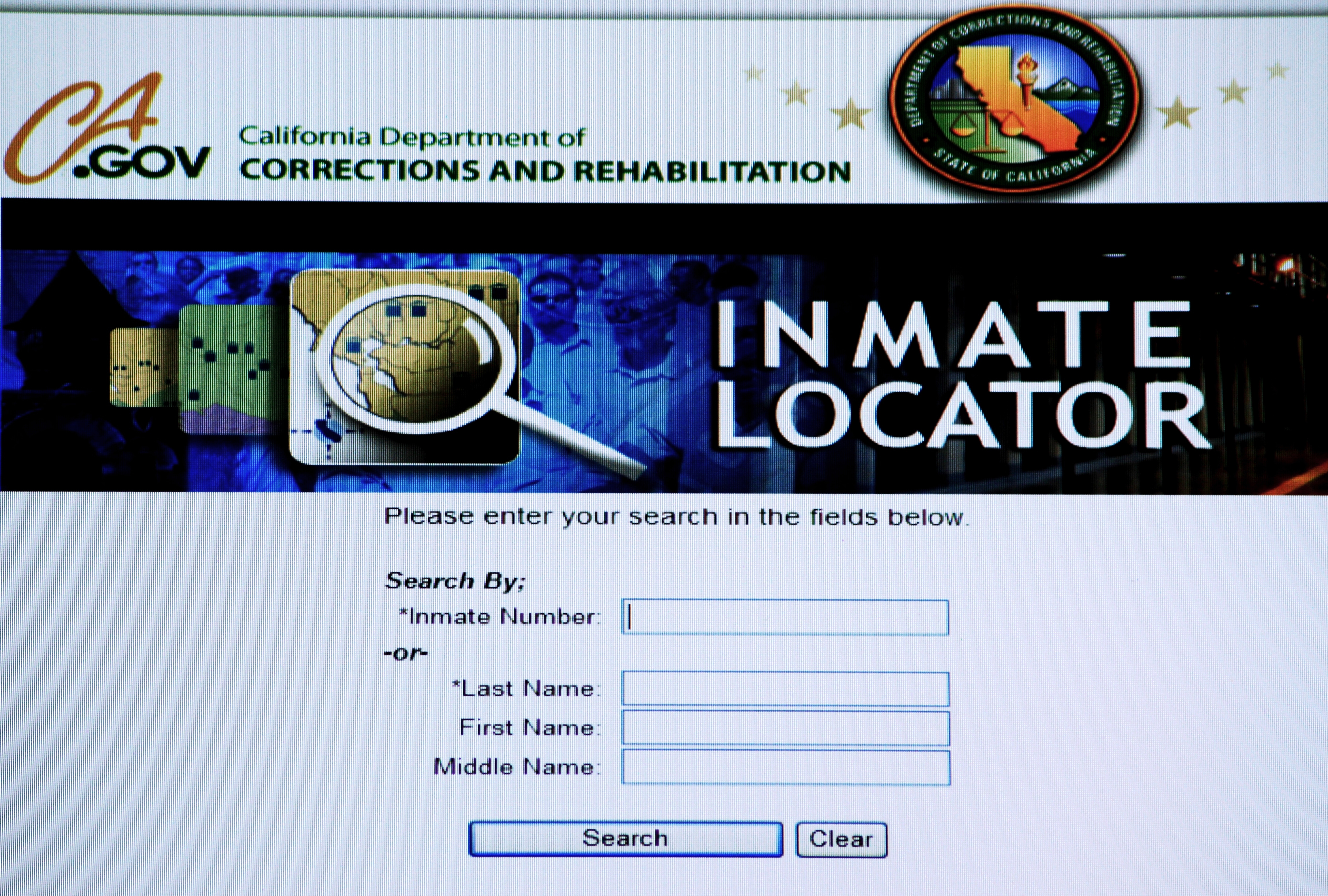
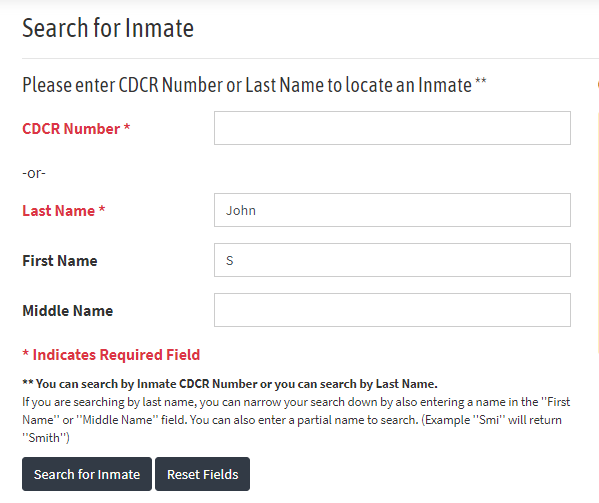
The most efficient and official way to find an inmate in a state prison is through the CDCR’s online Inmate Locator tool. This powerful database allows public access to information regarding individuals currently under the jurisdiction of the CDCR.
How to Use It:
- Access the Website: Navigate to the official website of the California Department of Corrections and Rehabilitation. Look for a prominent link labeled “Inmate Locator” or “Find an Inmate.”
- Provide Information: The system will typically require you to enter certain details about the inmate. The more information you can provide, the more precise your search will be. Essential details include:
- Last Name: This is a mandatory field. Be mindful of potential misspellings or common aliases.
- First Name: Also typically mandatory.
- CDCR Number: If you have this unique identifier, it’s the fastest and most accurate way to locate an inmate, as it bypasses the need for names.
- Date of Birth: Providing the full date of birth helps to narrow down results, especially for common names.
- Review Results: The locator will display a list of inmates matching your search criteria. Each entry usually includes the inmate’s full name, CDCR number, current facility location, and a general release date or parole eligibility date.
Limitations: It’s crucial to remember that this tool only covers inmates within the state prison system. It will not yield results for individuals held in county jails or federal prisons. Additionally, information regarding inmates who have been recently arrested or transferred might take some time to update in the system.
Alternative Methods for State Inmates
While the online locator is the primary method, sometimes direct contact or professional assistance may be necessary.
Calling Directly: For more complex inquiries or if the online system provides insufficient information, you can try contacting the CDCR directly. The department may have a centralized public information line, or you might need to contact a specific prison if you have a strong suspicion about their location. Be prepared to provide as much identifying information as possible.
Attorney Assistance: If you are represented by legal counsel, they often have privileged access to information or established channels for communicating with the CDCR that are not available to the general public. An attorney can quickly confirm an inmate’s location and status, which is particularly useful in time-sensitive legal matters.
Locating Inmates in County Jails
Finding an inmate in a county jail is often more challenging than locating a state prisoner due to the decentralized nature of the system. There is no single statewide database for county jail inmates.
The Decentralized Approach
The key to finding someone in a county jail is knowing or accurately guessing the county where the individual was arrested or is likely being held. Arrests are typically made by local law enforcement, and individuals are booked into the jail of the county where the alleged crime occurred. If you don’t know the county, you might need to consider where the person lives, works, or was last seen, or where the alleged incident took place.
County Sheriff’s Department Websites
Nearly every one of California’s 58 counties operates its own online inmate search tool, usually hosted on the respective Sheriff’s Department website.
How to Search:
- Identify the County: Determine the probable county of incarceration. For example, if the individual was arrested in Los Angeles, you would visit the Los Angeles County Sheriff’s Department website. If in San Diego, the San Diego County Sheriff’s Department.
- Navigate to “Inmate Search”: Look for sections like “Who’s In Jail,” “Inmate Information,” “Jail Information,” or “Inmate Search” on the sheriff’s website.
- Enter Details: Similar to the CDCR locator, you’ll typically need the inmate’s full name and possibly their date of birth. Some systems may also allow searches by booking number if you have it.
Examples of Popular County Searches:
- Los Angeles County: The Los Angeles County Sheriff’s Department maintains a comprehensive “Who’s In Custody” online search system, which is one of the busiest in the state.
- San Diego County: The San Diego County Sheriff’s Department also provides an online “Arrest and Warrants” or “Inmate Search” tool.
- Orange County: The Orange County Sheriff’s Department offers an “Inmate Information” search.
- Sacramento County: The Sacramento County Sheriff’s Office also has an “Inmate Information Search.”
If you’re unsure of the specific county, you might need to check multiple county websites, especially if the arrest location is ambiguous or near county lines.
Direct Contact with County Jails
When online searches prove fruitless, or when you require more detailed information (such as booking charges, bail amount, or visitation schedules), direct contact with the county jail or sheriff’s department is often the next step.
Tips for Direct Contact:
- Call the Main Jail Line: Locate the general information phone number for the specific county jail or the Sheriff’s Department. Avoid calling emergency lines.
- Have Information Ready: Be prepared to provide the inmate’s full legal name, date of birth, and any known aliases or approximate arrest dates. The more information you can offer, the more likely staff will be able to assist you.
- Be Patient and Polite: Jail staff are often busy. Maintaining a respectful demeanor will improve your chances of receiving assistance.
Federal Inmate Search (Brief Overview)
If you suspect the individual you are searching for has committed a federal offense and is incarcerated in a federal prison, the search process is centralized through the Federal Bureau of Prisons (BOP).
Federal Bureau of Prisons (BOP) Locator
The BOP operates a national Inmate Locator tool that allows you to search for federal inmates incarcerated from 1982 to the present. This covers federal facilities not only in California but across the entire United States.
How to Use It:
- Access the BOP Website: Visit the official Federal Bureau of Prisons website.
- Use the Inmate Locator: The tool allows you to search by an inmate’s BOP Register Number (if known) or by their full name.
- Review Results: The search results typically provide the inmate’s name, register number, age, race, sex, and the facility where they are currently incarcerated.
This tool is effective for federal inmates, but it will not provide information on individuals held in state prisons or county jails.
Important Considerations and Tips
Locating an inmate can be a dynamic process, and several factors can influence the ease and success of your search.
Information Accuracy and Timeliness
Inmate information can change rapidly. Individuals may be transferred between facilities, released, or their status may change from pre-trial to convicted. Booking processes can also take several hours, meaning a recently arrested individual may not immediately appear in an online database. If your initial search is unsuccessful, it’s advisable to wait a few hours or even a day and try again. Confirming the spelling of names, including middle names or known aliases, is also critical.
Privacy and Access Restrictions
Not all inmate information is publicly accessible. Due to privacy laws and security concerns, certain details—especially those pertaining to minors or sensitive cases—will be restricted. For instance, specific medical information, details of an ongoing investigation, or the exact terms of release for certain individuals might not be disclosed to the general public. If you are a victim of a crime, you may have access to specific victim notification services that provide updates on an offender’s status, which is different from a general public search.
What to Do Once You Find an Inmate
Once you successfully locate an inmate, your next steps will likely involve establishing contact and potentially providing support.
- Communication: Each facility has specific rules for visitation, phone calls, and mail. It’s crucial to check the individual facility’s website or call them directly for up-to-date information. Be aware that most inmate communications are monitored.
- Sending Money/Care Packages: If you wish to send money or approved care packages, research the facility’s specific procedures. There are often strict guidelines on what can be sent and through which approved vendors or services.
- Legal Assistance: If the inmate requires legal counsel, ensure they are connected with an attorney. Lawyers can usually arrange privileged visits or communications.
Common Challenges
- Misspellings and Aliases: A common hurdle is incorrect spelling of names or the use of aliases. If your initial search yields no results, try variations of the name.
- Recent Arrests/Transfers: As mentioned, there’s a delay between an arrest or transfer and when the information updates in online databases. Patience is key.
- Lack of Information: If you only have a partial name or vague details, your search will be significantly harder. Try to gather as much identifying information as possible from mutual contacts or public records (if permissible).
- Technical Issues: Occasionally, online search portals may experience maintenance or technical glitches. If a site isn’t working, try again later or contact the department directly.
Conclusion
Finding an inmate in California can initially feel like searching for a needle in a haystack, but by systematically understanding the different correctional levels—state, county, and federal—and utilizing the specific online and direct contact resources available, the task becomes manageable. Patience, attention to detail, and a clear understanding of the protocols for each type of facility are your most valuable assets in this process. Remember to always use official channels and respect privacy guidelines. With the right approach, you can successfully locate your loved one or client, bridging the gap between the outside world and the complex correctional system.
LifeOutOfTheBox is a participant in the Amazon Services LLC Associates Program, an affiliate advertising program designed to provide a means for sites to earn advertising fees by advertising and linking to Amazon.com. Amazon, the Amazon logo, AmazonSupply, and the AmazonSupply logo are trademarks of Amazon.com, Inc. or its affiliates. As an Amazon Associate we earn affiliate commissions from qualifying purchases.