
The question “What time is the hurricane hitting Florida?” is more than a simple query; it’s a critical lifeline for travelers, residents, and businesses alike, signaling an urgent need for information and preparedness. Florida, a beacon for tourists seeking sun-drenched beaches, vibrant cities like Miami and Orlando, and world-class attractions, is also uniquely susceptible to tropical storms and hurricanes. For those planning a trip, or even currently enjoying their Florida experience, understanding the dynamics of hurricane season and how to track a developing storm is paramount for safety and peace of mind. This comprehensive guide aims to equip travelers with the knowledge and resources necessary to navigate hurricane threats, ensuring informed decisions and the preservation of their travel investments and, most importantly, their safety.
Navigating Hurricane Season in the Sunshine State
Florida’s allure as a top travel destination is undeniable, yet its geographical position makes it a frequent path for Atlantic hurricanes. Understanding the annual cycle of these powerful weather systems is the first step in responsible travel planning.
The Annual Rhythm of Storms
Hurricane season officially runs from June 1st to November 30th each year, with the peak activity typically occurring between mid-August and late October. During this period, the warm waters of the Atlantic Ocean, Caribbean Sea, and Gulf of Mexico provide the ideal conditions for tropical disturbances to form and intensify. While not every storm impacts Florida, the sheer volume of activity means that vigilance is always necessary. Travelers planning trips during these months should proactively monitor weather forecasts and be prepared to adjust their itineraries at short notice. Popular destinations such as Tampa, Jacksonville, and the beloved Florida Keys are all within the potential strike zone, making early preparation essential.
Why Florida is a Prime Target
Florida’s peninsula juts directly into the convergence zone for many storm paths, making it historically the most hurricane-prone state in the U.S. Both the Atlantic Coast and the Gulf Coast are vulnerable, meaning that whether you’re visiting Miami Beach for its vibrant nightlife, exploring the family-friendly attractions in Orlando, or enjoying the tranquil waters of Naples and Fort Myers, you could potentially be impacted. The extensive coastline, coupled with significant population centers and critical infrastructure, amplifies the need for robust preparation and clear communication strategies, especially for transient populations like tourists.
Real-Time Updates: Your Essential Guide to Tracking Storms
When a hurricane threatens, pinpointing its potential impact time and location becomes critical. Reliable, up-to-the-minute information is your most valuable asset.
Official Weather Sources: NOAA and the National Hurricane Center
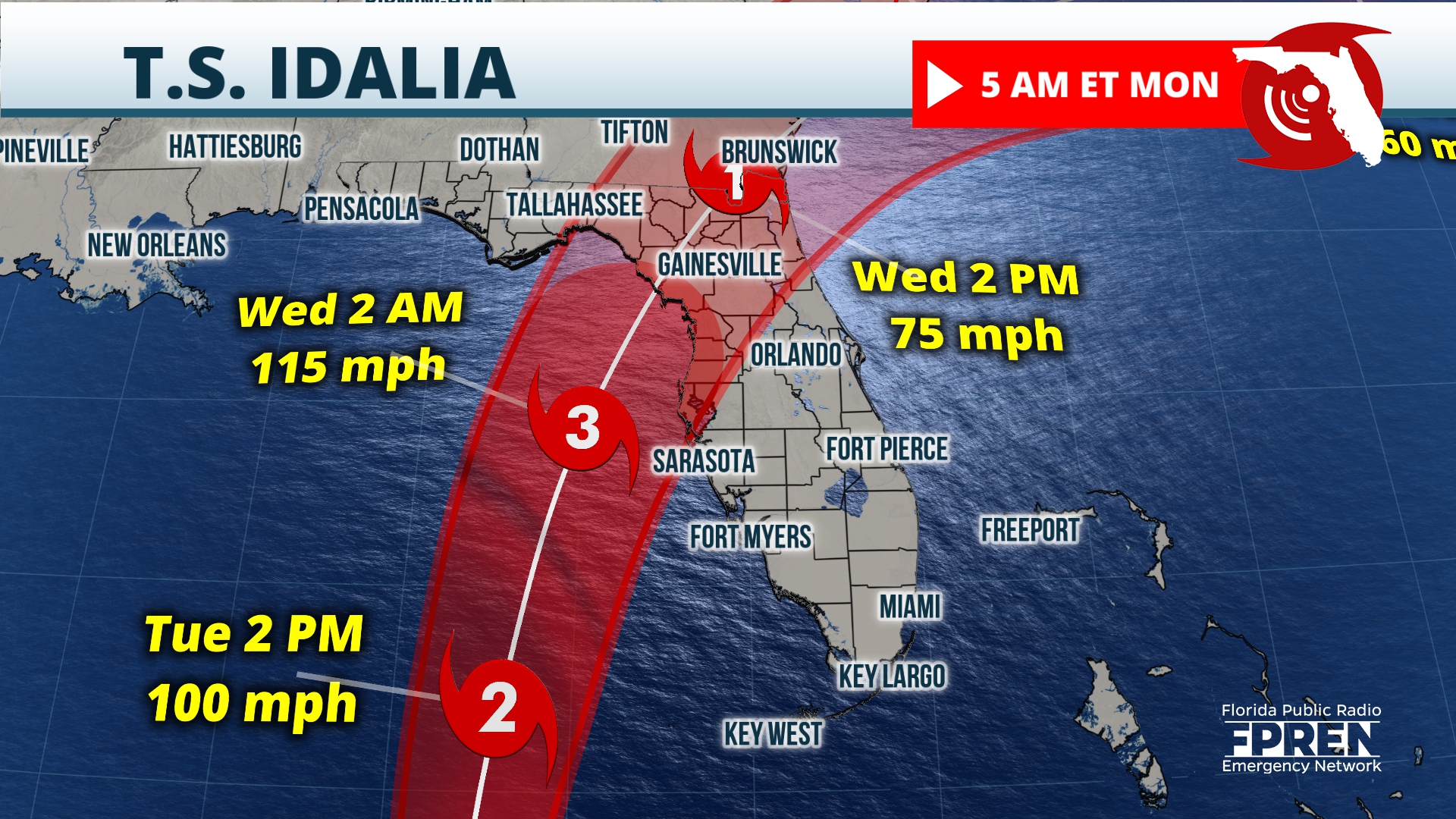
The most authoritative source for hurricane tracking and forecasting is the National Hurricane Center (NHC), a division of the National Oceanic and Atmospheric Administration (NOAA). Their website (nhc.noaa.gov) provides comprehensive advisories, forecast cones, wind speed probabilities, and detailed discussions on storm intensity and trajectory. These updates are typically issued every six hours for active systems, with intermediate advisories every three hours when watches or warnings are in effect. Understanding the “cone of uncertainty” is vital; while it shows the probable track, the storm’s center can still fall anywhere within this cone, and significant impacts can occur far outside of it. Closely monitoring these official sources provides the most accurate answer to “what time is the hurricane hitting?” as it evolves.
Local News and Emergency Management Agencies
While national sources provide the big picture, local news channels and county-level emergency management agencies offer hyper-specific information relevant to your immediate area within Florida. Websites and social media accounts for entities like Miami-Dade Emergency Management, Orange County Emergency Management, or specific city advisories for locations like Key West or Panama City Beach, will provide details on local evacuation orders, shelter locations, road closures, and specific safety protocols for your immediate surroundings. Tune into local television, radio, and use official mobile alerts to stay informed, especially if you’re traveling through different regions of the state such as South Florida, Central Florida, or North Florida.
Leveraging Technology: Apps and Social Media
In today’s digital age, technology offers powerful tools for real-time storm tracking. Numerous weather apps provide radar loops, forecast models, and push notifications for watches and warnings. The “Red Cross Hurricane App” and general weather apps like “The Weather Channel” or “AccuWeather” can be invaluable. Additionally, official social media accounts of the NHC, NOAA, local news stations, and emergency management offices often disseminate critical updates rapidly. Be cautious of unofficial sources and always cross-reference information with official channels to avoid misinformation. Setting up Google Alerts for “hurricane Florida” or your specific destination can also provide timely news aggregation.
Pre-Travel Preparations: Safeguarding Your Florida Journey
The best defense against hurricane disruptions is proactive planning. Travelers should take several key steps well before their departure to Florida.
Travel Insurance: A Non-Negotiable Consideration
For anyone traveling to Florida during hurricane season, comprehensive travel insurance is not merely an option but a necessity. Look for policies that specifically cover “named storms” and offer “cancel for any reason” (CFAR) clauses, though CFAR policies typically need to be purchased within a specific timeframe after your initial trip deposit. Understand what is covered: trip cancellation, interruption, delays, medical emergencies, and even emergency evacuation. Review the policy details carefully to understand deadlines for purchasing coverage and specific conditions related to natural disasters. It’s crucial to purchase insurance before a storm is named or becomes a credible threat to your destination, as policies often exclude coverage for events that are already foreseeable.

Flexible Bookings and Cancellation Policies
Whenever possible, opt for flexible bookings for flights, accommodation, and attractions. Many airlines and hotels offer free cancellation or rebooking options up to a certain point, which can be a lifesaver if a storm necessitates a change of plans. When booking hotels in areas like Fort Lauderdale, Sarasota, or even vacation rentals near Walt Disney World Resort in Osceola County, confirm their hurricane policies in advance. Many properties have specific clauses for mandatory evacuations or significant storm impacts, offering refunds or credits. Always keep copies of your booking confirmations and insurance policy details readily accessible, preferably digitally and physically.
Emergency Kits and Communication Plans
Even if you’re traveling light, having a small emergency kit is prudent. This might include a portable power bank for your phone, a first-aid kit, copies of important documents, and any necessary prescription medications. Before you leave, establish a communication plan with family and friends who are not traveling with you. Provide them with your itinerary, contact information for your accommodation, and a plan for how you will check in with them if communication lines are disrupted. Consider carrying a small amount of cash, as ATMs and credit card machines may not function during power outages. For those visiting attractions like Universal Orlando Resort or Kennedy Space Center Visitor Complex, check their specific weather contingency plans.
During the Storm: Prioritizing Safety and Adaptation
If you find yourself in Florida when a hurricane approaches, your focus must shift entirely to personal safety and adherence to official guidance.
Understanding Evacuation Orders
One of the most critical directives during a hurricane threat is an evacuation order. These orders are issued by local authorities, typically by county, and are designed to move people out of areas most vulnerable to storm surge, flooding, or severe wind. Do not delay if an evacuation order is issued for your location, whether you are in St. Petersburg, Clearwater Beach, or Daytona Beach. Evacuation routes are pre-planned, but traffic can become extremely heavy. Have a full tank of gas, pack essentials, and follow official guidance on designated routes and shelters. Understand that “voluntary” evacuations often precede “mandatory” ones; it’s always safer to leave early.
Shelter-in-Place Guidelines for Travelers
If you are not in an evacuation zone or if an evacuation order is not issued for your location, you may be advised to shelter in place. This means remaining indoors in the safest part of your accommodation. Hotels, especially newer, high-rise buildings, are often constructed to withstand hurricane-force winds. However, rooms with large windows or on upper floors might be less secure. Follow specific instructions from your hotel management, which may include moving to a designated common area or a lower floor. Stay away from windows and glass doors, and have your emergency kit readily available. If you’re in a private rental, ensure you understand its structural integrity and have emergency contacts for the property manager.
Communication During Disruptions
Hurricane-force winds and heavy rain can cause widespread power outages and disrupt cell phone service. Conserve your phone battery, primarily using it for emergency calls or critical updates. Consider purchasing a battery-powered or hand-crank radio to access local emergency broadcasts. If you have an international phone plan, verify its roaming capabilities during a disaster. Text messages may go through when calls cannot. Inform your pre-established contacts of your safety status as soon as possible after the storm passes and communication is restored. Remember that public Wi-Fi may also be down, so prepare for periods of isolation from external communication.
Post-Hurricane Travel: Reassessing Your Plans
After a hurricane has passed, the immediate aftermath can be just as challenging as the storm itself. Travelers need to reassess their plans with a keen understanding of the local conditions.
Assessing Damage and Infrastructure
Immediately after a hurricane, many areas, particularly along the Gulf Coast or Atlantic Coast like Pensacola or Tampa Bay, may experience significant damage. This can include downed power lines, blocked roads due to debris, widespread flooding, and damage to essential services. Airports, ports, and ground transportation networks may be severely impacted, leading to extensive delays or cancellations. Do not attempt to travel into an affected area until authorities declare it safe and open. Regularly check airport websites, state highway patrol updates, and local news for information on travel routes and the operability of public services. Attractions like Everglades National Park may close for extended periods for assessment and cleanup. Patience and flexibility are crucial during this recovery phase.
Supporting Local Recovery Efforts
If your travel plans were disrupted but you still wish to visit Florida once it’s safe, consider how your presence can contribute to local recovery. Tourism is a vital part of Florida’s economy, and respectful, well-timed visits can help stimulate regrowth. However, be mindful not to overburden communities actively engaged in cleanup and rebuilding. Opt for local businesses, eat at local restaurants, and support the affected areas once they are ready to welcome visitors again. Your tourism dollars can make a significant difference in helping a community get back on its feet.

Long-Term Travel Planning for Florida’s Resilience
Florida is incredibly resilient, with communities rebuilding and restoring their vibrancy after every storm. For future trips, continue to factor hurricane season into your planning. Consider visiting during the non-hurricane months (December to May) for peace of mind. If you must travel during hurricane season, remember the lessons learned: purchase robust travel insurance, book flexible accommodations, stay informed via official channels, and always prioritize safety over your itinerary. By understanding the risks and preparing diligently, you can continue to enjoy the unparalleled experiences that Florida offers, even amidst the backdrop of its powerful natural climate.
LifeOutOfTheBox is a participant in the Amazon Services LLC Associates Program, an affiliate advertising program designed to provide a means for sites to earn advertising fees by advertising and linking to Amazon.com. Amazon, the Amazon logo, AmazonSupply, and the AmazonSupply logo are trademarks of Amazon.com, Inc. or its affiliates. As an Amazon Associate we earn affiliate commissions from qualifying purchases.