
Navigating the world of vehicle registration in the Lone Star State can feel like a journey in itself, especially for those new to Texas or looking to understand the financial commitment. While the question of “How much is a registration sticker in Texas?” might seem straightforward, the reality involves a series of factors that contribute to the final cost. This guide aims to demystify the process, providing a comprehensive overview of the fees associated with your Texas vehicle registration sticker, often referred to as a “vehicle inspection sticker” or “inspection decal” in Texas.
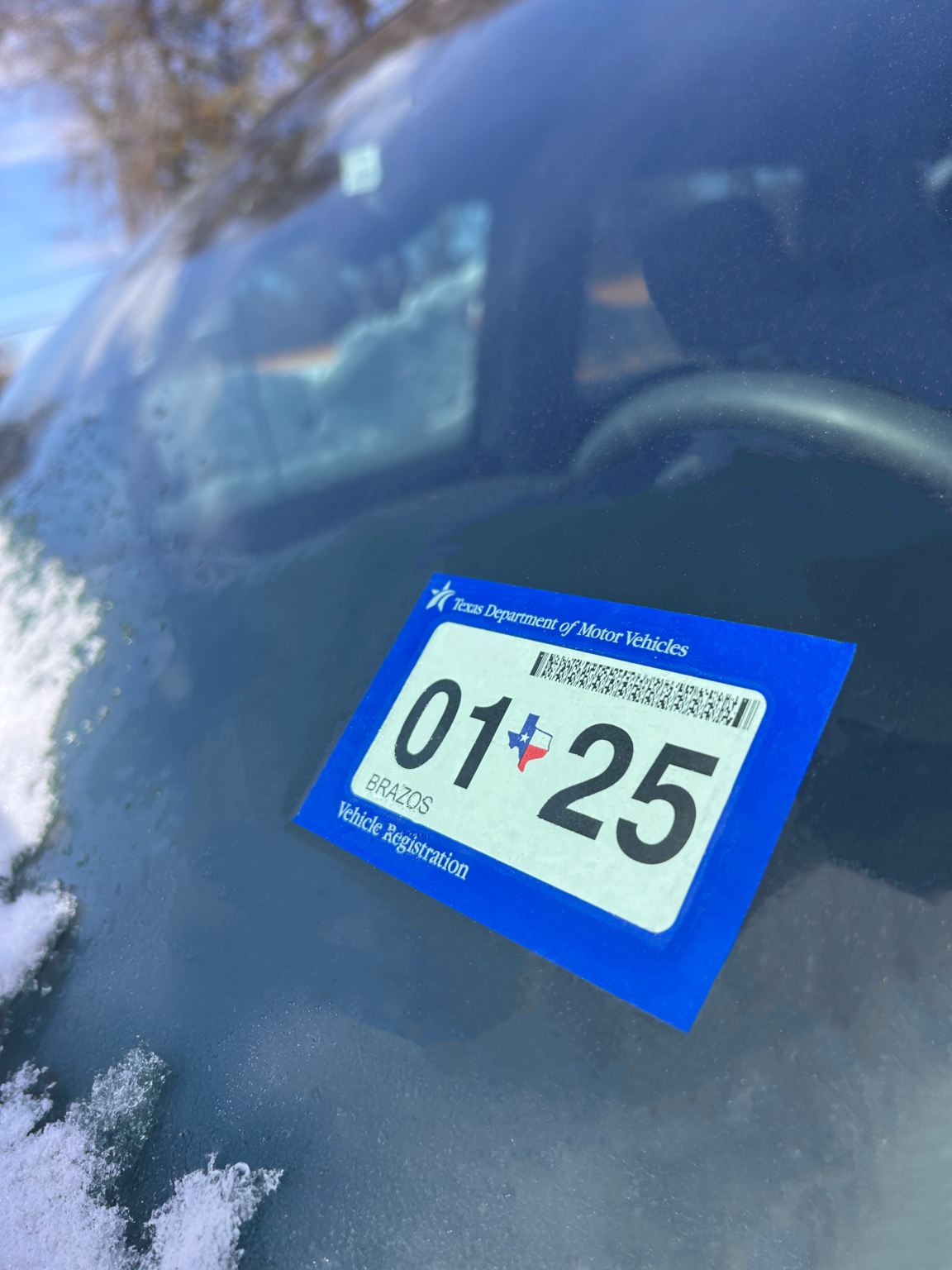
The core of the registration sticker’s cost in Texas is determined by your vehicle’s type and gross weight, but it’s not the only element you’ll encounter. Understanding the interplay between state fees, county-specific charges, and the mandatory vehicle inspection is crucial for budgeting and avoiding surprises. Whether you’re planning a road trip across the vast landscapes of Texas, from the rolling hills of the Texas Hill Country to the vibrant energy of Austin, or simply need to ensure your daily driver is compliant, this information will serve as your essential travel companion.
Understanding the Components of Your Texas Registration Sticker Cost
The price you pay for your Texas vehicle registration sticker isn’t a flat rate. It’s a sum of various fees, each serving a specific purpose in maintaining Texas roadways and ensuring vehicle safety. The primary components include:
The Registration Fee: Based on Vehicle Type and Weight
The base registration fee is the most significant portion of the cost and directly correlates with the type of vehicle you own and its gross weight. This fee is set by the Texas Department of Motor Vehicles (TxDMV) and is designed to contribute to the upkeep and development of Texas highways and infrastructure.
-
Passenger Cars and Light Trucks (under 18,000 lbs GVWR): For most everyday vehicles, including sedans, SUVs, and light pickup trucks, the registration fee is relatively modest. As of recent regulations, this typically falls in the range of $20 to $30, though it can fluctuate slightly with legislative changes. This fee helps fund general state transportation projects.
-
Heavy Trucks and Commercial Vehicles (over 18,000 lbs GVWR): For larger vehicles, such as commercial trucks, buses, and heavy-duty pickup trucks used for business, the registration fees are considerably higher. These fees are calculated based on the gross weight rating (GVWR) of the vehicle. The rationale is that heavier vehicles contribute more significantly to road wear and tear, thus requiring a larger contribution to their maintenance. Fees for these vehicles can range from hundreds to thousands of dollars annually, depending on their weight classification.
-
Motorcycles: Motorcycles generally have a lower registration fee compared to cars and trucks, reflecting their smaller size and lesser impact on roadways. This fee is typically in the $15 to $25 range.
-
Trailers: The cost for registering a trailer in Texas varies based on its weight. Smaller utility trailers might have a nominal fee, while larger travel trailers or commercial trailers will incur higher costs, often tied to their GVWR.
The Vehicle Inspection Fee: Ensuring Road Safety
Before you can even obtain your registration sticker, your vehicle must pass a state-mandated safety inspection. In Texas, this inspection is performed by licensed private inspection stations. The inspection fee is a fixed amount, and it’s crucial to note that this fee is separate from your registration fee.
-
Standard Inspection Cost: The state sets a maximum price for the safety inspection. Currently, this is typically around $30 to $35 for passenger vehicles. This fee covers the inspector’s labor and the administrative costs associated with the inspection program.
-
Emissions Testing (where applicable): In certain metropolitan areas of Texas, specifically those designated as Emissions Control Areas, vehicles also require an emissions test as part of the inspection. These areas include Brazoria, Fort Bend, Galveston, Harris, Liberty, Montgomery, Dallas, Denton, Collin, Kaufman, Rockwall, Ellis, Tarrant, and Williamson counties. If your vehicle is registered in one of these counties, you’ll pay an additional emissions testing fee on top of the safety inspection fee. This fee is generally around $20 to $30, bringing the total inspection cost in these areas to approximately $50 to $65. The purpose of emissions testing is to reduce air pollution and ensure vehicles are operating within environmental standards.
-
Combined Vehicle Inspection and Registration (2025 Onward): It’s important to be aware that Texas is transitioning to a new system. Beginning in 2025, the cost of the vehicle inspection will be integrated into the annual vehicle registration fee. This means you will no longer pay a separate fee for the inspection at the time of renewal. The total fee will be collected by the county tax assessor-collector’s office. The specific amount will depend on the vehicle type and weight, similar to the current registration fee structure, but will now encompass the inspection cost.
County-Specific Fees and Surcharges
Beyond the state-mandated fees, some counties in Texas may impose additional administrative fees or surcharges related to vehicle registration. These can vary from county to county and are typically smaller amounts, often a few dollars. These fees help fund local county operations and services related to motor vehicle administration. It’s always a good idea to check with your local county tax assessor-collector’s office for any specific local charges that might apply to your registration.
Calculating Your Estimated Texas Registration Sticker Cost
To provide a clearer picture, let’s break down the estimated costs for common scenarios. Keep in mind that these are approximations, and the exact amount can vary based on the specific vehicle, county, and any recent legislative changes.
Scenario 1: Passenger Car in a Non-Emissions County
- Registration Fee: ~$25
- Safety Inspection Fee: ~$30
- Estimated Total Cost: ~$55
Scenario 2: Passenger Car in an Emissions County (e.g., Harris County, Dallas County)
- Registration Fee: ~$25
- Safety Inspection Fee (including emissions): ~$60
- Estimated Total Cost: ~$85
Scenario 3: Motorcycle
- Registration Fee: ~$20
- Safety Inspection Fee: ~$30
- Estimated Total Cost: ~$50
Scenario 4: Light Truck (under 18,000 lbs GVWR)

- Registration Fee: ~$25-$30 (can be slightly higher for heavier trucks)
- Safety Inspection Fee: ~$30 (or ~$60 in emissions counties)
- Estimated Total Cost: ~$55 – ~$90
Scenario 5: Large Commercial Truck (e.g., 26,000 lbs GVWR)
- Registration Fee: Can range from several hundred to over a thousand dollars, highly dependent on GVWR.
- Safety Inspection Fee: ~$30 (or ~$60 in emissions counties)
- Estimated Total Cost: Significantly higher than passenger vehicles, potentially exceeding $1,000.
Important Note for 2025 Onward: As mentioned, the inspection fee will be rolled into the registration fee in 2025. This will simplify the payment process but will mean the overall annual registration cost will increase to reflect the combined expense. For example, a passenger car that currently costs ~$55 in a non-emissions county might see its total registration fee rise to around $80-$90 after 2025, consolidating the safety inspection cost.
How to Obtain Your Texas Registration Sticker
The process for obtaining your Texas vehicle registration sticker is straightforward and typically involves two main steps, which will be combined for renewals starting in 2025:
Step 1: Vehicle Inspection
First, you must take your vehicle to a Texas Department of Public Safety (DPS) licensed inspection station. You can find authorized stations through the TxDMV website or by searching locally. During the inspection, a certified technician will check various safety features of your vehicle, such as lights, brakes, tires, horn, and windshield wipers. In emissions counties, they will also test your vehicle’s exhaust system. If your vehicle passes, you will receive a Vehicle Inspection Report (VIR) and the inspector will electronically submit the passing results to the state database.
Step 2: Vehicle Registration Renewal
Once your vehicle has passed inspection, you can proceed to renew your registration. This can be done in several ways:
- Online: The TxDMV offers an online renewal service through the “My Texas Vehicle” portal. You will need your license plate number and the last five digits of your vehicle’s VIN. This is often the quickest and most convenient method.
- By Mail: You can mail your renewal notice and payment to your county tax assessor-collector’s office.
- In Person: You can visit your local county tax assessor-collector’s office. Be prepared to present your current registration, proof of insurance, and potentially your VIR if you completed the inspection separately.
- At a Partner Location: Some local partners, like participating grocery stores or other retail locations, offer vehicle registration renewal services.
Post-2025 Renewal: Starting in 2025, the process will be streamlined. You will complete the vehicle inspection, and then when you go to renew your registration (online, by mail, or in person), the combined fee for both registration and inspection will be collected. You will no longer need to present a separate VIR at the time of registration renewal. The sticker itself will continue to be issued, though its appearance and how it’s affixed may evolve.

Frequently Asked Questions About Texas Registration Stickers
Q: Do I need an inspection sticker if I just bought a car in Texas?
A: Yes. Your vehicle must pass inspection within a specific timeframe after purchase, or when its current inspection expires. You cannot register a vehicle without a current passing inspection.
Q: Where can I find a list of vehicles exempt from emissions testing?
A: The Texas Commission on Environmental Quality (TCEQ) provides information on vehicle exemptions. Generally, very old vehicles (typically 25 years or older), electric vehicles, and some alternative fuel vehicles may be exempt.
Q: What happens if I don’t have a valid registration sticker?
A: Driving with an expired registration sticker or without one is a traffic violation in Texas. You can be pulled over by law enforcement and issued a citation, which may result in fines and court costs. This can also impact your ability to travel to popular Texas destinations like San Antonio or Galveston without concern.
Q: Can I renew my registration online without an inspection?
A: No, not currently. You must have a valid passing inspection before you can renew your registration online or through other methods. This requirement will change with the integrated system in 2025.
Q: How long is a Texas vehicle registration sticker valid?
A: Texas vehicle registration stickers are typically valid for one year from the month of purchase. The expiration date is printed on the sticker.
Q: What are the requirements for out-of-state vehicles moving to Texas?
A: If you are moving to Texas with an out-of-state vehicle, you will need to obtain a Texas title and registration within a specific timeframe, usually 30 days. This will involve getting a Texas vehicle inspection and likely a VIN inspection, depending on the vehicle’s origin.
Q: Are there any discounts available for vehicle registration in Texas?
A: Texas offers a discount for individuals who are disabled or honorably discharged veterans with a service-connected disability. Details can be found on the TxDMV website.
Understanding the cost of your Texas registration sticker involves looking beyond a single number. By breaking down the fees and understanding the inspection process, you can better budget for this essential requirement. As Texas continues to evolve its systems, staying informed about changes, like the integrated inspection and registration starting in 2025, will ensure you remain compliant and can enjoy all the open roads and diverse experiences the Lone Star State has to offer, from the vibrant arts scene of Dallas to the historic missions of San Antonio.
LifeOutOfTheBox is a participant in the Amazon Services LLC Associates Program, an affiliate advertising program designed to provide a means for sites to earn advertising fees by advertising and linking to Amazon.com. Amazon, the Amazon logo, AmazonSupply, and the AmazonSupply logo are trademarks of Amazon.com, Inc. or its affiliates. As an Amazon Associate we earn affiliate commissions from qualifying purchases.