
The allure of Hawaii is undeniable: pristine beaches, lush volcanic landscapes, a vibrant culture, and the promise of ultimate relaxation or thrilling adventure. For many, this Pacific paradise represents a dream vacation, a spiritual journey, or the perfect escape. However, before you can dip your toes into the warm sands of Waikiki or hike the dramatic trails of Maui, there’s the journey itself. A fundamental question for any aspiring visitor, and often the first logistical hurdle, is: “How long is a Hawaii flight?”
Understanding the duration of your flight to the Hawaiian Islands is crucial not just for booking tickets, but for planning your travel day, managing expectations, and preparing for a comfortable journey. Unlike a short hop to a neighboring state, flying to Hawaii typically involves a significant amount of time in the air, traversing thousands of miles across the vast Pacific Ocean. This comprehensive guide will delve into the various factors that influence flight times, provide typical durations from major global hubs, and offer insights to make your aerial voyage as smooth and enjoyable as possible, setting the stage for an unforgettable island experience.
Understanding Flight Durations to the Hawaiian Islands
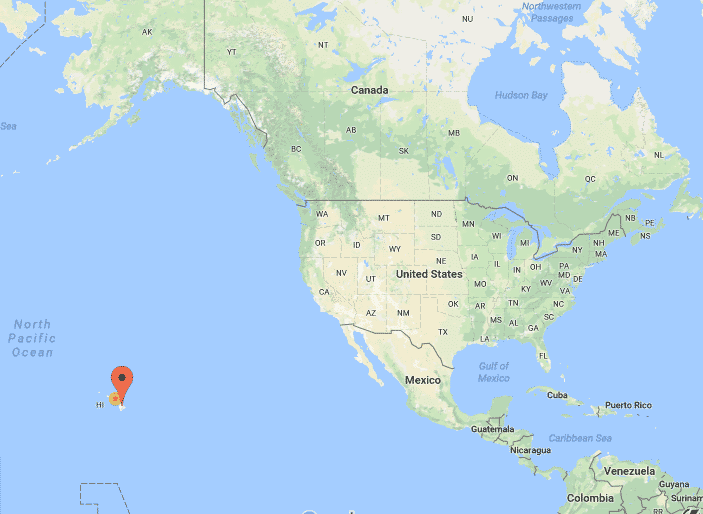
The seemingly simple question of flight duration to Hawaii has a nuanced answer, heavily dependent on several interconnected factors. While the islands appear geographically distinct, their remote location in the Pacific Ocean means that all flights cover substantial distances.
Key Factors Influencing Flight Times
Several variables conspire to determine the precise length of your journey:
- Departure City/Region: This is by far the most significant factor. Flights originating from the West Coast of the United States will naturally be shorter than those from the East Coast or International destinations. The farther east or further afield you are, the longer your flight will be.
- Specific Hawaiian Island Destination: While all major islands are relatively close to each other, a direct flight to Oahu (home to Daniel K. Inouye International Airport (HNL), the busiest airport) might be slightly shorter than a direct flight to Kauai or the Big Island, simply due to minor variations in mileage. If your final destination is an outer island like Maui or Kauai, and you have a connecting flight from Oahu, the total travel time will increase considerably.
- Aircraft Type and Airspeed: Modern aircraft, especially wide-body jets like the Boeing 787 Dreamliner or Airbus A330, are designed for long-haul efficiency. While there isn’t a massive difference between commercial planes, slight variations in cruising speed can add or subtract minutes from a lengthy journey.
- Wind Conditions (Jet Stream): The powerful Jet Stream flows predominantly from west to east across the Pacific. This means that flights flying west to Hawaii often face headwinds, making them slightly longer. Conversely, flights flying east from Hawaii benefit from tailwinds, typically shortening the return journey by 30 minutes to an hour. This is a significant, often overlooked, factor.
- Direct vs. Connecting Flights: This is a crucial distinction. A direct flight takes you straight to your chosen island. A connecting flight, which is often necessary for those traveling from further inland or international locations, will add several hours to your total travel time due to layovers and the additional flight segment.
Typical Flight Times from Major North American Hubs
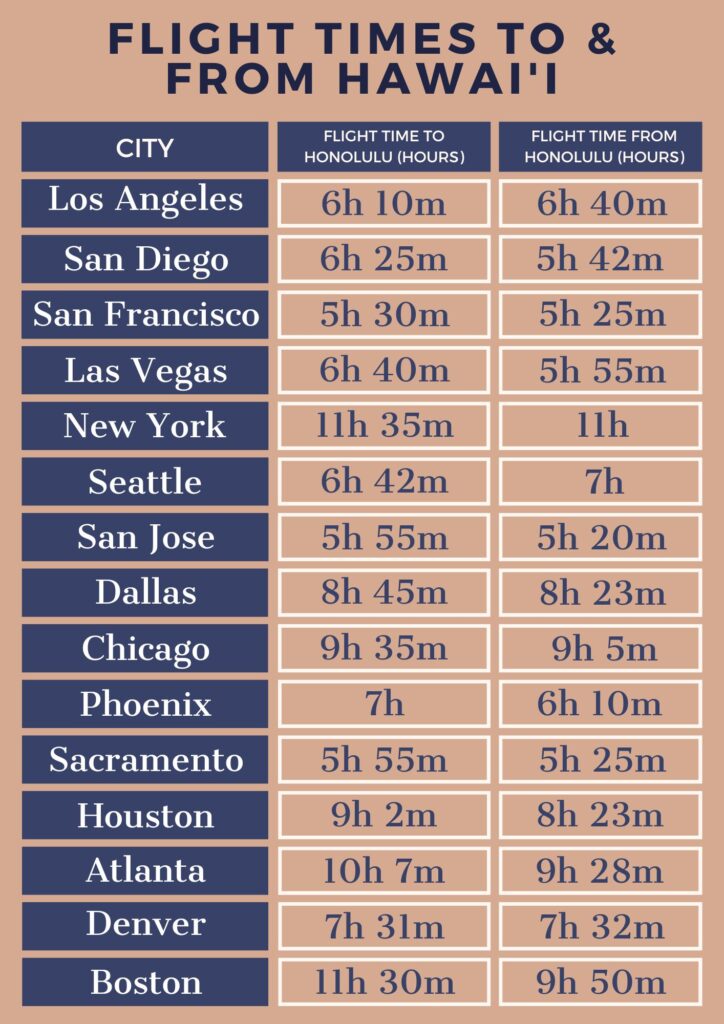
To give you a clearer picture, here are estimated direct flight durations from key departure points:
- From the West Coast (e.g., Los Angeles, San Francisco, Seattle, Portland): This is the shortest and most common route. You can expect flights ranging from 5 to 6 hours. For instance, a flight from Los Angeles International Airport (LAX) to HNL is typically around 5 hours and 30 minutes.
- From the Midwest (e.g., Chicago, Denver, Dallas): As you move inland, flight times increase. Direct flights from these cities can range from 7 to 9 hours. Many travelers from the Midwest opt for a connecting flight on the West Coast, which, while adding a stop, can sometimes be more cost-effective or offer more convenient scheduling.
- From the East Coast (e.g., New York, Boston, Miami): Traveling from the East Coast of the United States to Hawaii often involves a long journey, typically 9 to 11 hours for a direct flight, though direct options are less common. More frequently, travelers will have a connection on the West Coast, pushing total travel time (including layovers) to 12-15+ hours.
International Perspectives
For international travelers, the journey to Hawaii varies even more widely:
- From Canada (e.g., Vancouver, Toronto): Direct flights from major Canadian West Coast cities like Vancouver are comparable to Seattle, around 5.5 to 6.5 hours. From Toronto or other eastern Canadian cities, flights will be similar to the East Coast US, often requiring connections.
- From Asia (e.g., Tokyo, Seoul): Hawaii is a popular destination for Asian travelers. Flights from Tokyo can range from 6.5 to 7.5 hours, while from Seoul it’s around 7.5 to 8.5 hours.
- From Australia / New Zealand: Given the vast distance, flights from Sydney or Auckland are among the longest, typically taking 9 to 10 hours for a direct flight.
Optimizing Your Travel Experience for Long-Haul Hawaii Flights
A long flight, especially across time zones and oceans, can be daunting. However, with the right preparation and mindset, it can be a comfortable and even enjoyable part of your travel adventure.
Preparing for a Comfortable Journey
Thoughtful planning is key to mitigating the fatigue associated with extended air travel:
- Seat Selection: If budget allows, consider seats with extra legroom (e.g., exit rows, premium economy). Even standard seats can vary; research aircraft seat maps to find preferred spots. An aisle seat offers freedom to stretch, while a window seat provides a view and a wall to lean against.
- Packing Essentials for the Cabin: Your carry-on should be a sanctuary of comfort. Include noise-canceling headphones, a neck pillow, an eye mask, comfortable socks, layers of clothing (cabin temperatures fluctuate), essential toiletries (moisturizer, lip balm), and any necessary medications. Don’t forget your chosen entertainment: downloaded movies, podcasts, e-books, or a good old-fashioned physical book.
- Hydration and Movement: Dehydration is a common culprit for feeling unwell on flights. Drink plenty of water before and during your flight, and limit alcohol and caffeine. Regularly get up and walk the aisle, perform simple stretches, and do ankle circles and leg exercises while seated to promote circulation and prevent stiffness.
- Snacks: While airlines provide meals, having your favorite healthy snacks on hand can make a big difference, especially if you have dietary restrictions or specific preferences.
Navigating Time Zones and Jet Lag
Hawaii operates on Hawaii Standard Time (HST), which does not observe daylight saving. This means a significant time difference for most travelers. For example, during summer, Hawaii is 3 hours behind the West Coast (PDT) and 6 hours behind the East Coast (EDT). In winter, it’s 2 hours behind PST and 5 hours behind EST.
- Tips for Minimizing Jet Lag Upon Arrival:
- Adjust Before You Go: A few days before departure, try to gradually shift your sleep schedule towards Hawaii time.
- Hydrate and Avoid Overeating: As mentioned, water is your friend. Heavy meals can exacerbate jet lag.
- Seek Sunlight: Upon arrival, expose yourself to natural light as much as possible, especially in the morning. This helps reset your circadian rhythm.
- Stay Active: Gentle activity like a walk on the beach can help you acclimate.
- Resist Naps (if possible): While tempting, long naps can make it harder to sleep at your destination’s nighttime. If you must nap, keep it short (20-30 minutes).
The Journey’s End: Arriving in Paradise
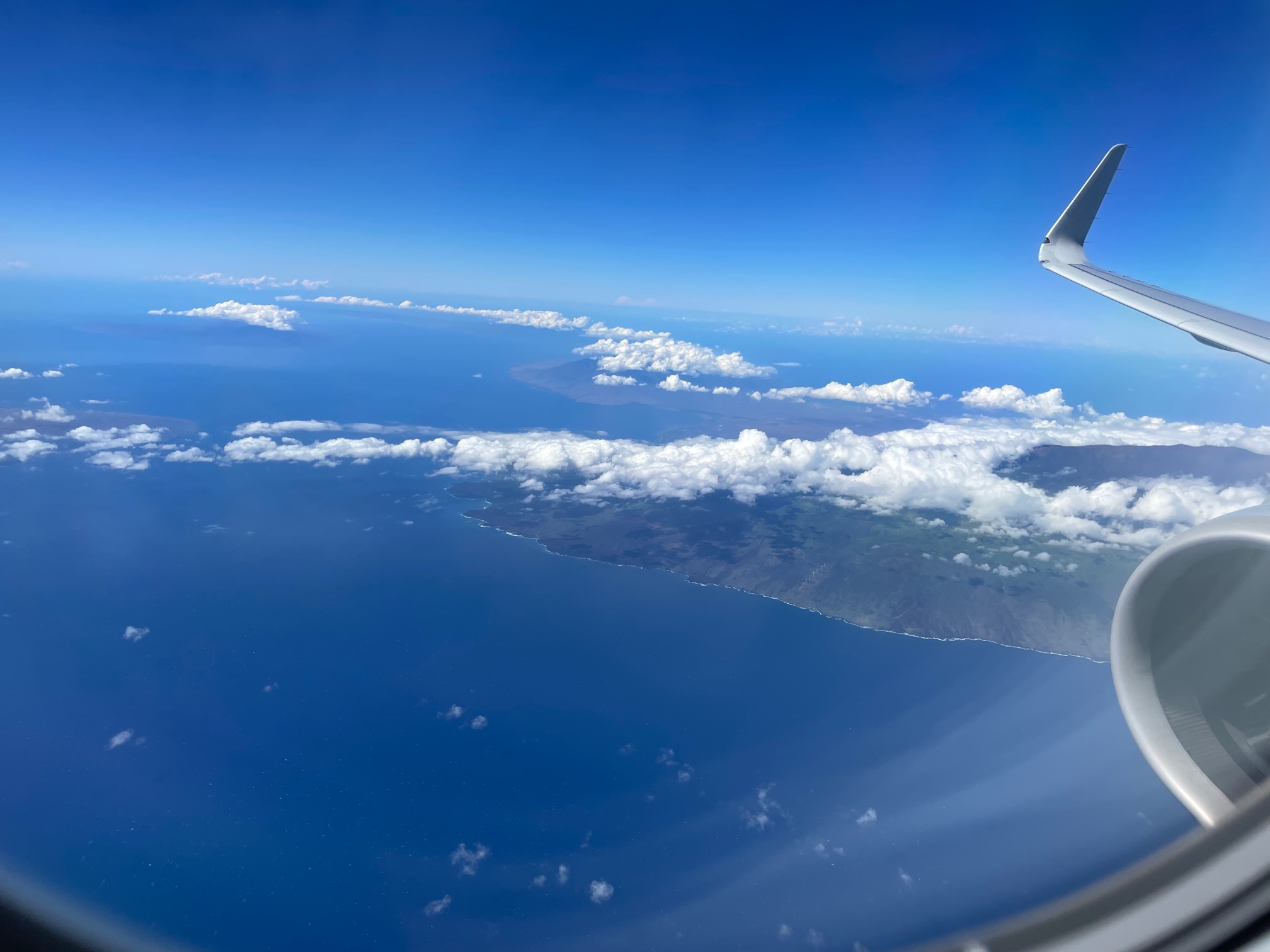
After hours spent soaring over the Pacific, the sight of Hawaii’s verdant landscapes emerging from the blue expanse is an unparalleled moment. It signals the immediate shift from journey to destination.
First Impressions and Airport Logistics
Upon landing, you’ll typically arrive at one of Hawaii’s major airports, which serve as crucial gateways to the islands.
- Major Hawaii Airports:
- Daniel K. Inouye International Airport (HNL) on Oahu is the primary entry point for most international and mainland US flights.
- Kahului Airport (OGG) on Maui is another significant hub, receiving many direct flights from the West Coast.
- Kona International Airport (KOA) (on the Big Island) and Lihue Airport (LIH) (on Kauai) also welcome direct flights, particularly from the West Coast.
- Connecting to Outer Islands: If your final destination is not Oahu and you flew into HNL, you’ll likely need to transfer to an inter-island flight. These short flights (typically 20-45 minutes) are operated by local carriers like Hawaiian Airlines or Southwest Airlines and offer stunning aerial views. Ensure you budget ample time for transfers between flights.
- Ground Transportation Options: Once you’ve collected your bags, various options await. Rental cars are popular and often recommended for exploring the islands independently. Taxis, ride-sharing services, and airport shuttle buses are also readily available at all major airports.
Embracing the Aloha Spirit
Stepping off the plane, you’ll immediately notice the warm, humid air and the fragrant scent of plumeria. This sensory shift marks the true beginning of your Hawaiian adventure. The “Aloha Spirit” is palpable, an ethos of love, peace, compassion, and mutual understanding that permeates the islands.
- The Transition from Travel to Relaxation: The long journey melts away as you are greeted by the sights and sounds of paradise. Take a deep breath, let go of any travel stress, and prepare to immerse yourself in the unique rhythm of island life.
- Immediate Activities/Sights: Depending on your energy levels and time of day, you might head straight to your accommodation to unpack and refresh, or if you arrive mid-day, perhaps a leisurely walk on a nearby beach, a refreshing swim, or a delicious local meal might be your first taste of Hawaii.
Maximizing Your Hawaiian Adventure (Beyond the Flight)
While the flight gets you there, the real magic begins once your feet touch Hawaiian soil. Making the most of your trip involves thoughtful planning beyond air travel.
Planning Your Itinerary
Hawaii offers a diverse range of experiences, catering to every type of traveler.
- Island Hopping Considerations: Deciding whether to focus on one island or explore multiple is key. Each island has its unique charm: Oahu for city life and historical sites, Maui for luxury and scenic drives, the Big Island for volcanoes and diverse landscapes, and Kauai for dramatic cliffs and lush greenery. Inter-island flights make hopping feasible but add to your overall travel logistics.
- Activities and Experiences: From relaxing on world-famous beaches, surfing the legendary waves of North Shore Oahu, snorkeling in vibrant coral reefs, to hiking through volcanic craters or lush rainforests, the possibilities are endless. Consider visiting Hawaii Volcanoes National Park on the Big Island or driving the scenic Road to Hana on Maui. Embrace the local culture by attending a luau or learning to surf.
Budgeting and Logistics
Smart planning ensures a smoother and more enjoyable trip.
- Best Time to Visit: While Hawaii is a year-round destination, consider factors like peak season (winter holidays, summer), shoulder seasons (spring, fall), and weather patterns. Shoulder seasons often offer fewer crowds and better deals on flights and accommodations.
- Accommodation and Transport: Book your accommodations and rental cars well in advance, especially during peak travel times. Research different types of lodging, from luxury resorts to charming vacation rentals, to find what suits your style and budget.
Conclusion
The question “How long is a Hawaii flight?” is an essential first step in planning your dream vacation. While the answer varies based on your starting point, ranging from a brisk 5-hour journey from the West Coast to a substantial 10+ hour odyssey from more distant locations, the duration is merely a prelude to the extraordinary experience that awaits.
By understanding the factors influencing flight times, preparing for a comfortable long-haul journey, and strategizing to minimize jet lag, you can transform the travel segment into a manageable and even pleasant part of your adventure. The moment you step off the plane and are enveloped by the unique warmth and beauty of the Hawaiian Islands, any memories of the flight duration will quickly fade, replaced by the captivating reality of paradise found. Embrace the journey, for it is the gateway to an unforgettable escape into the heart of the Pacific.
LifeOutOfTheBox is a participant in the Amazon Services LLC Associates Program, an affiliate advertising program designed to provide a means for sites to earn advertising fees by advertising and linking to Amazon.com. Amazon, the Amazon logo, AmazonSupply, and the AmazonSupply logo are trademarks of Amazon.com, Inc. or its affiliates. As an Amazon Associate we earn affiliate commissions from qualifying purchases.