
Embarking on a hunting adventure in the vast and diverse landscapes of Texas is an experience that draws enthusiasts from across the globe. From the rolling hills of the Hill Country to the dense forests of East Texas and the expansive ranches of West Texas, the Lone Star State offers unparalleled opportunities for pursuing a wide array of game. However, before you can even think about the thrill of the chase, one of the most fundamental requirements is securing the correct hunting license. Understanding the costs and types of licenses available is crucial for any prospective hunter planning their trip to Texas. This guide will break down the intricacies of Texas hunting licenses, ensuring you’re fully prepared for your outdoor pursuit.
Understanding Texas Hunting License Structures
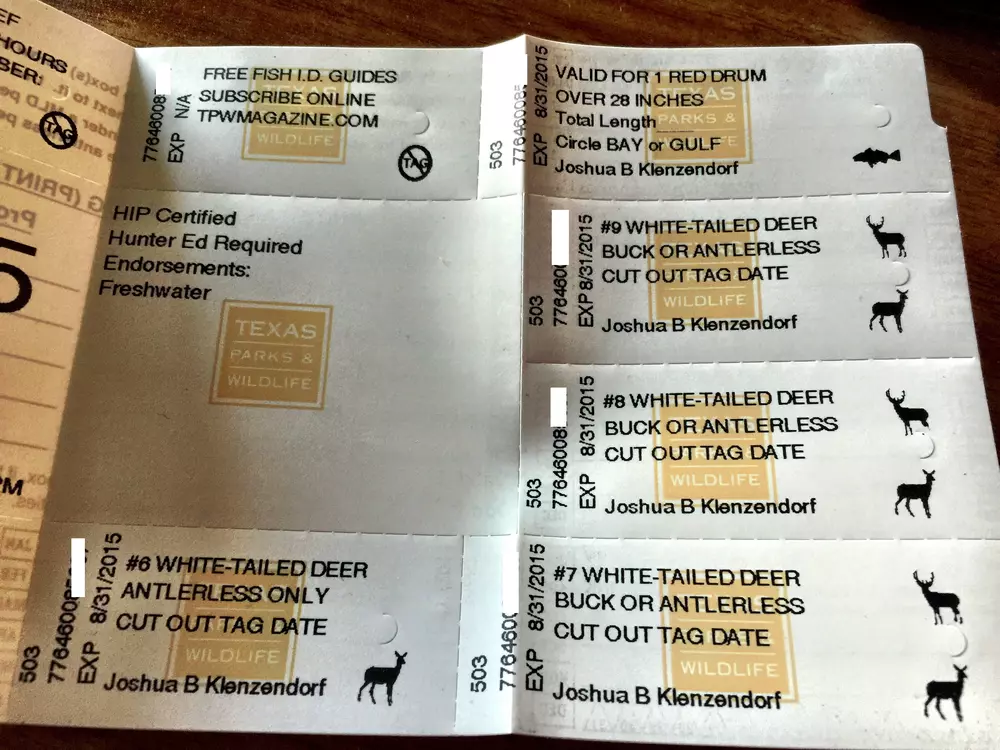
The Texas Parks and Wildlife Department (TPWD) manages hunting regulations and license sales, aiming to conserve wildlife populations while providing sustainable recreational opportunities. The licensing structure is designed to be comprehensive, catering to various needs, residency statuses, and the specific types of game a hunter wishes to pursue.
Residency: The Key Determinant of Cost
One of the most significant factors influencing the price of a hunting license is your residency status. Texas residents, as expected, benefit from significantly lower fees compared to non-residents. This policy is common across many states, reflecting a commitment to providing affordable recreational access to its own citizens.
-
Resident Licenses: For individuals who have established residency in Texas according to specific TPWD guidelines (typically involving living in the state for at least six months prior to purchasing a license and demonstrating intent to remain), the costs are considerably reduced. These licenses are generally more affordable, making regular hunting trips accessible for locals.
-
Non-Resident Licenses: For those who do not meet the residency requirements, the cost of a hunting license is substantially higher. This reflects the revenue generated from non-resident hunters, which contributes to the conservation efforts within the state. While more expensive, non-resident licenses still offer a valuable opportunity to experience Texas’s exceptional hunting.
Types of Hunting Licenses: Tailoring Your Permit to Your Pursuit
Texas offers a variety of hunting licenses, ranging from basic permits to more comprehensive packages. The specific license you need depends on the type of game you plan to hunt, the duration of your stay, and whether you’re interested in a single species or a broader range of opportunities.
The “Big Game” Focus
When many people think of hunting in Texas, large game like white-tailed deer, mule deer, pronghorn, and alligators often come to mind. These popular pursuits require specific endorsements or licenses.
-
The Texas Resident Hunting Package (Combo): For residents, this package is often the most economical way to get started. It typically includes the general hunting license and endorsements for migratory game birds and white-tailed deer. This is a popular choice for those who plan to hunt a variety of common game.
-
Non-Resident Hunting Package (Combo): A similar package exists for non-residents, offering a bundled approach to cover general hunting needs and white-tailed deer. The pricing difference between resident and non-resident versions of these combo packages is a primary indicator of the residency discount.
-
Specialty Licenses & Endorsements: Beyond the basic deer hunting, Texas requires additional endorsements for specific game. For instance, if you plan to hunt migratory game birds like doves, ducks, or geese, you’ll need a Migratory Game Bird Stamp endorsement. Similarly, for alligator hunting, a specific alligator tag and endorsement are necessary. These add-ons ensure that hunting pressure on particular species is managed and that adequate funds are allocated for their conservation.
Beyond Big Game: Small Game and More
While big game often steals the spotlight, Texas also offers excellent opportunities for small game hunting, including squirrels, rabbits, and various exotic species on private ranches.
-
Archery and Youth Licenses: Recognizing the importance of encouraging new hunters, Texas provides specific licenses. Youth licenses, available at a reduced cost for younger hunters, are designed to make hunting accessible. Archery endorsements allow for hunting during specialized archery seasons, often preceding the general rifle seasons, and may have different requirements or costs.
-
Special Permits for Exotic Species: The diverse private land holdings in Texas often host a variety of exotic game animals. Hunting these species might require specific permits or landowner authorizations, which are separate from standard hunting licenses but are essential for legal pursuit.
Navigating the Costs: A Closer Look at Specific Licenses
To provide a clearer picture, let’s examine some representative license types and their approximate costs. It’s important to note that these figures can change annually, so always consult the official Texas Parks and Wildlife Department website for the most up-to-date pricing.
Resident License Examples (Approximate Costs):
-
Resident General Hunting License: This is the foundational license for most resident hunters. It allows for the pursuit of many types of game, excluding specialized big game like white-tailed deer without additional endorsements. The cost is typically very affordable, designed for regular use by Texas residents.
-
Resident Hunting Package (Youth): This comprehensive package for young residents (typically ages 17 and under) includes the general hunting license and deer tags. It’s an excellent value for introducing youth to hunting sports.
-
Resident Hunting Package (Adult): This is one of the most popular options for adult residents. It usually bundles the general hunting license, white-tailed deer endorsements, and migratory game bird stamps. It offers a broad scope of hunting opportunities for a single purchase.
-
Resident Archery Stamp: If a resident plans to hunt deer during the archery season, this stamp is an additional requirement.
-
Resident Special White-tailed Deer Permit: For residents who wish to hunt white-tailed deer with a rifle during the general season, this permit is typically included in the adult combo package, but it’s worth noting its function.
Non-Resident License Examples (Approximate Costs):
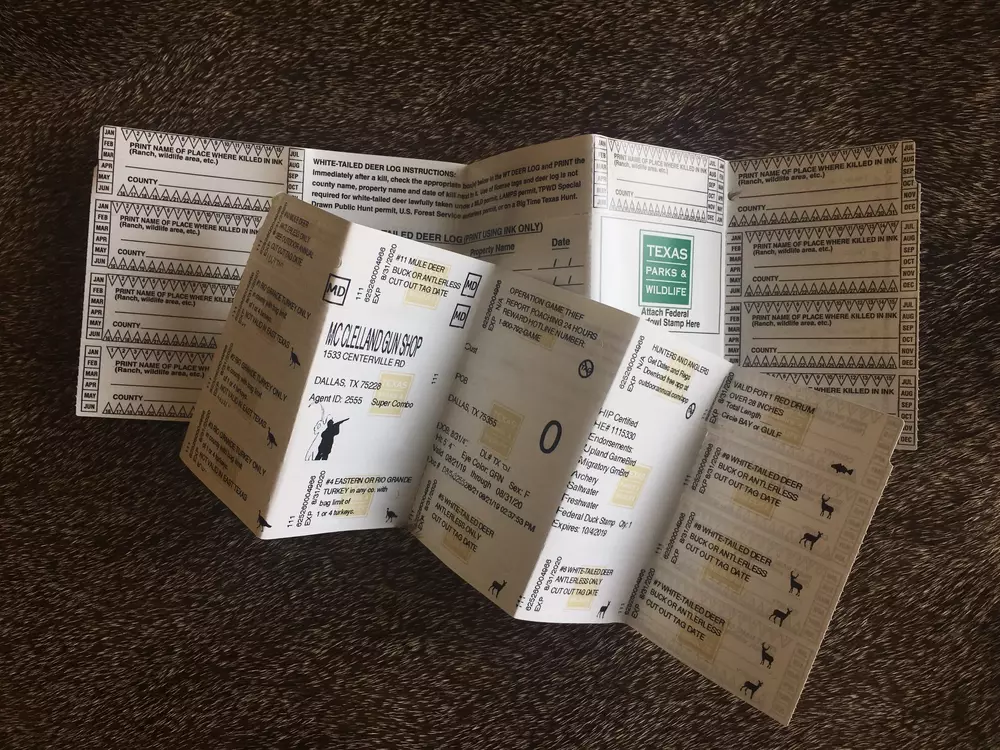
- Non-Resident 5-Day Special Hunting License: This option is ideal for out-of-state hunters planning a short trip. It allows for the hunting of most game animals for a specified five-day period. The cost is higher than a resident license but offers flexibility for vacation hunters.
-
Non-Resident Special White-tailed Deer Permit: This is a crucial permit for non-residents wishing to hunt white-tailed deer in Texas. It’s often purchased in conjunction with a general hunting license or package.
-
Non-Resident Hunting Package (Adult): Similar to the resident combo, this package provides a broader range of hunting privileges for non-residents. The cost is significantly higher than its resident counterpart, reflecting the out-of-state status.
-
Non-Resident Migratory Game Bird Stamp: Non-residents will also need to purchase this stamp if they intend to hunt migratory birds.
Important Considerations for Non-Residents:
For non-residents, the cost can accumulate quickly if you plan to hunt multiple types of game or extend your stay. For example, a non-resident might need a general hunting license, a deer permit, a migratory bird stamp, and potentially other endorsements. Planning your hunting itinerary in advance can help in selecting the most cost-effective combination of licenses. Many hunters opt for the comprehensive packages to ensure they are covered for the majority of their hunting pursuits.
Where to Purchase Your Texas Hunting License
Securing your hunting license is a straightforward process, and Texas offers several convenient options to accommodate hunters.
Online Convenience
The most efficient method for purchasing a license is through the official Texas Parks and Wildlife Department website. The TPWD’s online portal allows you to browse different license types, check requirements, and complete your purchase securely. You can print your license immediately or save it to your mobile device. This is particularly useful for both residents and non-residents who want to handle the paperwork before their trip.
In-Person Purchases
For those who prefer a more traditional approach or need immediate assistance, licenses are available for purchase at a multitude of authorized vendor locations across Texas. These include:
- Sporting Goods Stores: Many national and local outdoor retailers are authorized license vendors.
- Gun Shops: Similar to sporting goods stores, gun shops often carry hunting licenses.
- County and City Offices: Some government offices, particularly those involved in parks and recreation, may also sell licenses.
- Walmart: The retail giant is a widespread vendor for hunting and fishing licenses in many states, including Texas.
When purchasing in person, be sure to have proper identification ready, especially if you are applying for a resident license, as proof of residency may be required.
Specialty Licenses and Tags
For specific hunts, such as those involving alligator or certain types of exotic game, you might need to apply for special permits or draw tags. These often have their own application periods and processes, which are managed by the TPWD. It’s essential to check the TPWD’s regulations and hunt calendars well in advance for these opportunities, as they can involve lotteries or limited availabilities.
Beyond the License: Essential Preparations for Your Texas Hunt
While the hunting license is a non-negotiable requirement, a successful and enjoyable hunting trip in Texas involves more than just paperwork.
Choosing Your Destination and Accommodation
Texas boasts incredible diversity in its landscapes, offering distinct hunting experiences.
-
The Hill Country: Renowned for its rolling terrain, abundant white-tailed deer, and exotic game like axis deer and blackbucks. Accommodations range from rustic cabins to luxury resorts like the JW Marriott San Antonio Hill Country Resort & Spa or charming bed and breakfasts.
-
East Texas: Characterized by dense piney woods, this region is ideal for hunting white-tailed deer, hogs, and various small game. Lodging options include lakeside cabins and lodges offering guided hunting packages.
-
South Texas: Famous for its large ranches and trophy white-tailed deer, this area also attracts hunters interested in nilgai antelope and javelinas. Upscale hunting ranches with full-service amenities are common here.
-
West Texas: Offering vast, open spaces, West Texas is prime territory for mule deer and pronghorn. Ranches here can provide remote and rugged hunting experiences, with some offering comfortable lodging for hunters.
When booking your accommodation, consider its proximity to your hunting grounds and the amenities offered. Some hunting ranches provide all-inclusive packages that may even include guided hunts, meals, and lodging, simplifying your planning significantly. Whether you prefer a private villa for a secluded getaway or a family-friendly resort after a day in the field, Texas has options to suit every preference and budget.
Gear and Safety
Proper gear is essential for comfort and safety. This includes appropriate clothing for varied weather conditions, a reliable firearm or bow (legal for the game you’re pursuing), ammunition, a good quality knife, a first-aid kit, and navigation tools like a GPS or compass. Familiarize yourself with the specific hunting regulations for the area you’ll be hunting, including legal shooting hours, bag limits, and any specific firearm restrictions.
Ethical Hunting Practices
Responsible hunting is paramount. Always adhere to ethical hunting practices, which include knowing your target, making clean shots, and retrieving all downed game. Respect the land and wildlife, and leave your hunting areas as you found them, if not better. Understanding and following all regulations not only ensures legal compliance but also contributes to the long-term sustainability of Texas’s rich hunting heritage.
By understanding the licensing requirements, planning your trip with care, and embracing ethical practices, your hunting expedition in Texas promises to be a memorable and rewarding experience. Always refer to the official Texas Parks and Wildlife Department for the most accurate and up-to-date information on licenses, regulations, and seasons.
LifeOutOfTheBox is a participant in the Amazon Services LLC Associates Program, an affiliate advertising program designed to provide a means for sites to earn advertising fees by advertising and linking to Amazon.com. Amazon, the Amazon logo, AmazonSupply, and the AmazonSupply logo are trademarks of Amazon.com, Inc. or its affiliates. As an Amazon Associate we earn affiliate commissions from qualifying purchases.