
The question “How far is Las Vegas from Utah?” might seem simple, but its answer unravels a fascinating tapestry of American travel, connecting the dazzling lights of a desert metropolis with the majestic natural landscapes of a mountain state. For travelers planning an adventure that seamlessly blends urban excitement with outdoor exploration, understanding this geographical relationship is key. The journey between Las Vegas, Nevada, and the border of Utah is surprisingly short, yet it serves as a gateway to vastly different experiences, making it a popular route for tourists seeking diverse itineraries. This article will delve into the distances, travel times, various transportation options, and the incredible sights and experiences that lie between and within these two iconic Western destinations.
The Geographical Nexus: Understanding the Distance
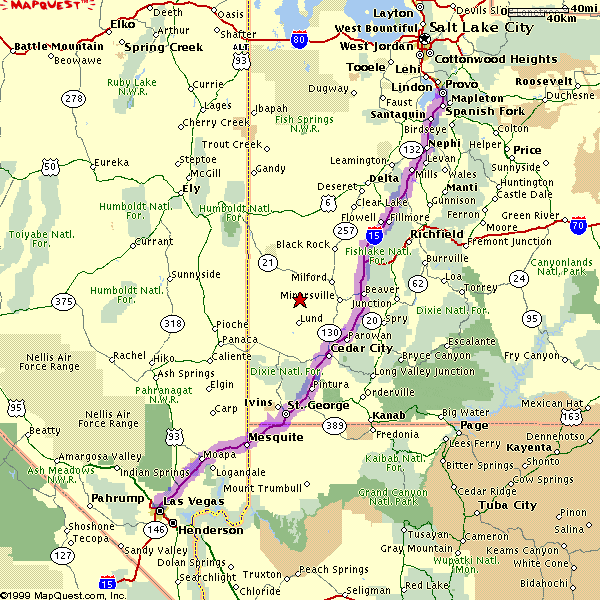
Pinpointing the exact distance between “Las Vegas” and “Utah” requires a bit of clarification, as Utah is a large state. The shortest and most common reference point is the distance from Las Vegas to the Utah state line. This proximity is what makes the two regions such accessible complements for a single trip.
Proximity to the Utah State Line
The closest point of entry into Utah from Las Vegas is via Interstate 15 (I-15) northbound. The border is approximately 100-110 miles (160-177 kilometers) north of the Las Vegas Strip. This relatively short distance means a drive of roughly 1.5 to 2 hours, depending on traffic and your starting point within Las Vegas. This quick access is a primary reason why many visitors to Las Vegas extend their trips to include the natural wonders of Southern Utah.
Distances to Key Utah Cities and Attractions
While the border is close, many popular Utah destinations are further afield. Understanding these distances is crucial for trip planning:
- St. George, Utah: Roughly 120 miles (193 kilometers) from Las Vegas, a drive of about 1 hour 45 minutes to 2 hours. St. George is often considered the gateway to Utah’s national parks.
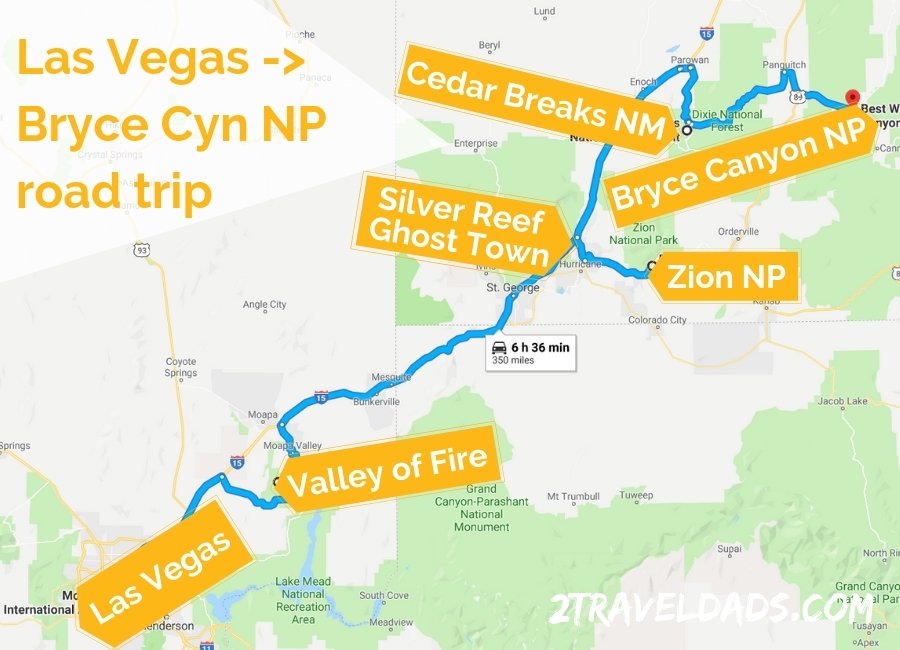
- Zion National Park: Approximately 160 miles (257 kilometers) from Las Vegas, a drive of about 2 hours 30 minutes to 3 hours. This makes Zion a very popular day or overnight trip from Las Vegas.
- Bryce Canyon National Park: About 250 miles (402 kilometers) from Las Vegas, requiring a drive of roughly 4 to 4.5 hours.
- Salt Lake City, Utah: The state capital is much further, approximately 420 miles (676 kilometers) from Las Vegas, with a drive time of 6 to 7 hours. This distance usually warrants air travel or a dedicated multi-day road trip.
These distances highlight the accessibility of Southern Utah for a short excursion from Las Vegas, while Northern Utah requires a more substantial commitment.
Navigating the Journey: Routes and Travel Times
The journey from Las Vegas to Utah is predominantly a road trip, offering scenic vistas and convenient stops. While driving is the most popular choice, other options exist depending on budget, time, and desired experience.
Driving: The Preferred Method
The primary driving route from Las Vegas to Southern Utah is via I-15 North. This interstate is well-maintained and offers a relatively straightforward path.
- The I-15 Corridor: Starting from Las Vegas, you’ll head north, passing through the city of Mesquite, Nevada, and then traverse the impressive Virgin River Gorge in Arizona before crossing into Utah. The Virgin River Gorge is a stunning stretch of highway carved through towering canyon walls, making for a memorable part of the drive. Road conditions are generally excellent, though construction or adverse weather (especially in winter) can sometimes cause delays.
- Scenic Alternatives (Partial): While I-15 is the quickest, some travelers might opt for small detours. For instance, after passing through Mesquite, one could theoretically explore routes through the Moapa Valley or closer to Valley of Fire State Park (though this would add significant time and is usually a separate day trip). Once in Utah, heading towards Zion, there are plenty of scenic byways off I-15 that lead to other parks like Snow Canyon State Park or Kolob Canyons section of Zion.
Air Travel: For Distant Utah Destinations
For travelers heading to Salt Lake City or other northern Utah destinations, flying is often the most practical and time-efficient option.
- McCarran International Airport (now Harry Reid International Airport) (LAS): Located in Las Vegas, this airport offers numerous direct flights to Salt Lake City International Airport (SLC). The flight duration is typically around 1 hour 15 minutes.
- Benefits: Air travel drastically cuts down travel time, making destinations like Park City’s ski resorts or Arches National Park (via a connection from SLC or a longer drive) accessible within a day’s journey. However, it foregoes the scenic drive and the flexibility of a personal vehicle.
Other Transportation Options
- Bus Services: Greyhound and other regional bus lines offer routes between Las Vegas and various Utah cities, including St. George and Salt Lake City. These are generally the most budget-friendly options but come with longer travel times and less flexibility.
- Shuttle Services: For trips to Zion National Park or St. George, several private shuttle companies operate between Las Vegas and these Utah locations, offering a comfortable, shared ride experience.
Exploring the En Route Wonders: Stops and Detours
The journey from Las Vegas to Utah isn’t just about the destination; it’s also about the incredible sights along the way. Planning strategic stops can enrich your travel experience significantly.
Nevada’s Gateway Gems
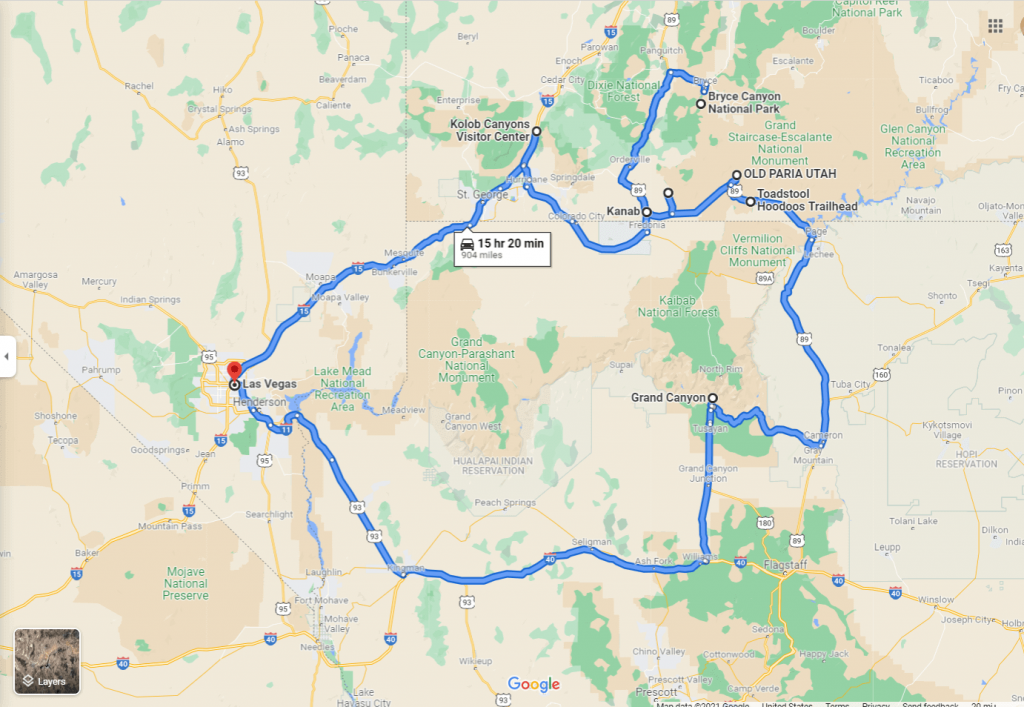
Before even reaching Utah, Nevada offers some worthwhile detours:
- Valley of Fire State Park: A stunning showcase of Aztec sandstone outcrops that appear to be on fire when reflecting the sun’s rays. It’s about an hour northeast of Las Vegas and makes for a fantastic photographic stop or short hike.
- Lake Mead and Hoover Dam: While not directly on the I-15 route to Utah, these iconic landmarks are a short drive east of Las Vegas and are often combined with a Las Vegas visit. They offer historical insight and impressive engineering marvels.
- Red Rock Canyon National Conservation Area: Just west of Las Vegas, this park offers stunning geological formations and hiking trails, perfect for a quick escape from the city lights.
Arizona’s Scenic Passage
The short stretch through Northwestern Arizona along I-15 is dominated by the Virgin River Gorge. This engineering marvel winds through dramatic red rock canyons, offering breathtaking views right from your car window. There are rest stops and viewpoints where you can pull over and appreciate the sheer scale of the landscape.
Southern Utah’s Natural Introduction
Upon entering Utah, the landscape immediately shifts, signaling the start of the state’s natural beauty:
- St. George: This vibrant city is the first major stop in Utah and serves as an excellent base for exploring the region. It offers a milder climate, golf courses, and access to Snow Canyon State Park, with its striking volcanic cones and sandstone cliffs.
- Cedar City: Further north on I-15, Cedar City is home to the Utah Shakespeare Festival and acts as another gateway, particularly to the higher elevations and stunning scenery of Brian Head Resort and the Dixie National Forest.
These stops transform a simple drive into an integral part of the travel experience, revealing the diverse beauty of the American Southwest.
Destination Highlights: What Awaits in Las Vegas and Utah
The allure of combining Las Vegas and Utah lies in their stark contrasts and complementary offerings. Travelers can experience two completely different worlds within a short distance.
Las Vegas: The Entertainment Capital of the World
Las Vegas needs little introduction. It’s a city designed for entertainment, indulgence, and unforgettable experiences.
- The Las Vegas Strip: Home to world-renowned resorts like the Bellagio, MGM Grand, and The Venetian, offering spectacular shows, celebrity chef dining, high-stakes gaming, and luxurious spas.
- Fremont Street Experience: Downtown Las Vegas provides a different vibe with its iconic light canopy, live music, and historic casinos.
- Beyond the Glitz: Beyond the casinos, Las Vegas offers incredible shopping, pool parties, thrilling nightlife, and unique attractions like the Mob Museum or helicopter tours over the Grand Canyon.
Utah: A Tapestry of Natural Beauty
Utah is a paradise for outdoor enthusiasts, often referred to as “The Mighty 5” for its stunning national parks.
- National Parks:
- Zion National Park: Famous for its massive sandstone cliffs, narrow canyons, and the Virgin River, offering hiking opportunities like Angels Landing and The Narrows.
- Bryce Canyon National Park: Unique geological structures called hoodoos create an amphitheater of vibrant colors.
- Capitol Reef National Park: A hidden gem with its unique “waterpocket fold” geology, orchards, and ancient petroglyphs.
- Arches National Park: Home to over 2,000 natural sandstone arches, including the iconic Delicate Arch.
- Canyonlands National Park: A vast and rugged wilderness carved by the Colorado and Green Rivers, offering dramatic canyon views.
- Outdoor Activities: From world-class skiing in Park City and Brian Head Resort in winter to hiking, mountain biking, rock climbing, and rafting in warmer months, Utah is an adventurer’s playground. The state’s diverse geography means there’s an outdoor activity for every season and skill level.
Combining a few days of vibrant city life in Las Vegas with an exploration of Utah’s serene natural landscapes creates a vacation experience that is both exhilarating and rejuvenating, showcasing the incredible diversity of the American Southwest.
Planning Your Trip: Practical Advice for a Seamless Journey
A well-planned trip between Las Vegas and Utah can maximize enjoyment and minimize stress. Consider these practical tips.
Best Time to Travel
- Spring (March-May) and Fall (September-November): These are generally the best times to visit both Las Vegas and Southern Utah. Temperatures are pleasant for outdoor activities in the parks, and Las Vegas is bustling but not oppressively hot. Expect crowds, especially in the national parks.
- Summer (June-August): Las Vegas can be extremely hot, with temperatures often exceeding 100°F (38°C). Southern Utah can also be very hot, making early morning or late afternoon hikes essential. However, higher elevations in Utah (like Bryce Canyon or Brian Head) offer cooler escapes.
- Winter (December-February): Las Vegas experiences mild winters, making it a good time to visit without the intense heat. Southern Utah’s national parks offer stunning snow-dusted landscapes, but some roads and trails may be closed. Northern Utah becomes a prime destination for skiing and snowboarding.
Essential Packing and Preparation
- Layered Clothing: Essential for the desert climate, which can have significant temperature swings between day and night, even in warmer months. If visiting Utah’s parks, prepare for diverse weather conditions.
- Hiking Gear: Sturdy hiking boots, comfortable socks, a daypack, and plenty of water are non-negotiable for exploring Utah’s trails.
- Sun Protection: Sunscreen, hats, and sunglasses are vital year-round due to the intense sun in both regions.
- Reservations: Book accommodations and rental cars well in advance, especially during peak season. National park entry may also require timed reservations.
- Vehicle Check: If driving, ensure your vehicle is in good condition, especially tires, brakes, and fluid levels, particularly if venturing into remote areas.
The distance between Las Vegas and Utah is not just a matter of miles but a bridge between two distinctly American travel experiences. Whether you seek the neon glow of the city or the serene majesty of nature, this journey promises a rich and memorable adventure.
LifeOutOfTheBox is a participant in the Amazon Services LLC Associates Program, an affiliate advertising program designed to provide a means for sites to earn advertising fees by advertising and linking to Amazon.com. Amazon, the Amazon logo, AmazonSupply, and the AmazonSupply logo are trademarks of Amazon.com, Inc. or its affiliates. As an Amazon Associate we earn affiliate commissions from qualifying purchases.