
The dream of owning a home in the great state of Texas is an exciting prospect for many. Known for its sprawling landscapes, vibrant cities, and unique cultural tapestry, Texas offers a diverse range of living experiences, from the bustling streets of Dallas to the historic charm of San Antonio and the coastal allure of Galveston. However, before you can truly settle into your Texan abode, you’ll need to navigate the often-mysterious world of closing costs. These fees, which are typically paid at the very end of the home-buying process, can add a significant amount to the overall purchase price. Understanding what constitutes these costs, and how much you can expect to pay, is crucial for a smooth and stress-free home-buying journey.

Demystifying Closing Costs in the Lone Star State
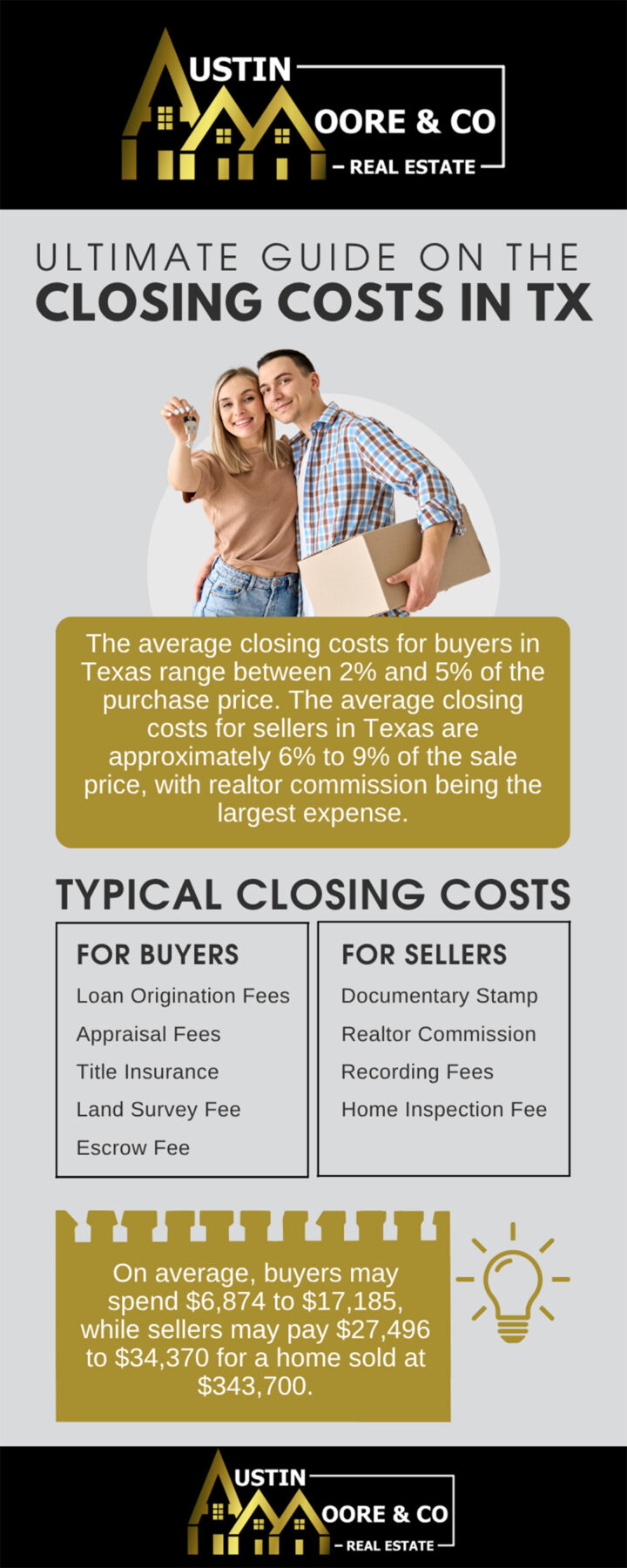
Closing costs are essentially a collection of fees and expenses incurred by both the buyer and the seller during the final stages of a real estate transaction. While sellers have their own set of closing costs, this article will primarily focus on what buyers can anticipate paying in Texas. These costs can vary widely depending on factors such as the property’s location, the purchase price, the chosen lender, and any negotiated terms between buyer and seller. Generally, buyers in Texas can expect closing costs to range anywhere from 2% to 5% of the loan amount, or sometimes the total purchase price. This means that for a $300,000 home, you could be looking at an additional $6,000 to $15,000 in closing expenses.
It’s important to distinguish closing costs from your down payment. While both are paid upfront, your down payment goes directly towards reducing the principal balance of your loan, whereas closing costs are a separate set of fees for services rendered throughout the transaction. These services are vital in ensuring the legal transfer of property ownership and protecting your investment.
Essential Components of Buyer Closing Costs
To better grasp the financial implications, let’s break down the common expenses that make up a buyer’s closing costs in Texas:
Lender Fees
A significant portion of closing costs often goes towards the fees charged by your mortgage lender. These fees are associated with originating and processing your loan.
- Loan Origination Fee: This is a fee charged by the lender for processing your loan application. It’s typically a percentage of the loan amount, often around 0.5% to 1%.
- Appraisal Fee: Lenders require an appraisal to determine the fair market value of the property. This ensures that the loan amount does not exceed the property’s worth. The cost can range from $300 to $600, depending on the property’s size and location.
- Credit Report Fee: This fee covers the cost of pulling your credit reports from the major credit bureaus to assess your creditworthiness. It usually falls between $30 and $50.
- Underwriting Fee: The underwriter reviews your loan application and supporting documents to assess the risk and approve or deny your loan. This fee can range from $500 to $1,000.
- Processing Fee: This fee covers the administrative costs associated with processing your loan application, such as verifying information and preparing documents. It can range from $300 to $800.
Third-Party Fees
Beyond lender fees, several third-party service providers are involved in the real estate transaction, each charging their own fees.
- Title Insurance: This is a crucial component of closing costs. Title insurance protects both the lender and the buyer from financial loss due to defects in the title of the property, such as liens, encumbrances, or ownership disputes that may arise from past transactions. There are two types of title insurance:
- Lender’s Title Insurance: This is mandatory for all loans and protects the lender.
- Owner’s Title Insurance: This is optional but highly recommended for buyers as it protects your equity in the home. The cost of title insurance is typically based on the loan amount and can range from 0.5% to 1% of the loan amount.
- Title Search and Examination Fee: This fee covers the cost of searching public records to verify the seller’s legal ownership of the property and to identify any existing liens or claims against the title.
- Escrow/Closing Fee: The escrow or closing agent (often part of the title company) handles the paperwork and funds exchange during the closing process, ensuring all conditions of the sale are met. This fee can range from $400 to $900.
- Survey Fee: A survey is often required to determine the exact boundaries of the property and to identify any encroachments or easements. The cost can vary from $400 to $700.
- Recording Fees: Local government entities charge fees to record the new deed and mortgage in public records. These fees are typically nominal, often around $50 to $200.
Pre-Paid Items and Escrows
In addition to the fees for services, you’ll also be responsible for pre-paying certain expenses and setting up escrow accounts for future payments.
- Property Taxes: You’ll likely need to pay a portion of your annual property taxes at closing. This is often pro-rated based on the closing date, meaning you’ll pay for the days remaining in the tax year. The amount will depend on the assessed value of your home and the local tax rates. For instance, in areas with higher property taxes, this could be a significant amount.
- Homeowner’s Insurance: Lenders require you to have homeowner’s insurance in place before closing. You’ll typically need to pay the first year’s premium upfront. The cost of homeowner’s insurance varies based on coverage, deductibles, and the property’s location and features. For a $300,000 home, this could be anywhere from $1,200 to $2,500 or more annually.
- Mortgage Interest: You may have to pay a small amount of prepaid interest from the closing date to the end of the month in which you close. This ensures that your first mortgage payment covers a full month of interest.
- Homeowner’s Association (HOA) Dues: If the property is part of an HOA, you may need to pay prorated dues for the current month, as well as a potential transfer fee or initial capital contribution to the HOA. These costs vary greatly depending on the Texas community.
Factors Influencing Your Closing Costs in Texas
As mentioned earlier, the final closing cost figure isn’t a one-size-fits-all number. Several key factors will influence how much you ultimately pay.
Location, Location, Location
The specific city and county within Texas where you are purchasing a property can significantly impact closing costs. Property tax rates, title company fees, and recording fees can differ from one jurisdiction to another. For example, closing costs in a high-demand urban area like Austin might be different from those in a more rural Texan community. Researching the specific fees in your target area is essential. If you’re considering buying a property near a renowned landmark like the Alamo in San Antonio, local market dynamics might also play a role.
Loan Type and Lender
The type of mortgage you secure and the lender you choose will also affect your closing costs. Different loan programs (e.g., FHA, VA, conventional) have varying requirements for appraisals, insurance, and fees. Similarly, lenders compete on their fee structures, so shopping around for the best loan terms and lowest fees can lead to substantial savings. Some lenders might waive certain fees or offer competitive rates that reduce your overall closing expenses.
Purchase Price and Loan Amount
Naturally, a higher purchase price and a larger loan amount will generally result in higher closing costs, particularly for fees that are calculated as a percentage of these figures, such as loan origination fees and title insurance. For instance, a luxury property in a Texan golf resort might have a higher purchase price and, consequently, higher closing costs compared to a starter home in a suburban neighborhood.
Negotiation and Seller Concessions
Don’t forget the power of negotiation! In Texas, it’s common for buyers to negotiate with sellers for concessions, where the seller agrees to pay for a portion of the buyer’s closing costs. This can be a valuable strategy, especially in a buyer’s market. The amount of seller concessions can be negotiated as part of the purchase agreement. This can help alleviate the upfront financial burden.
Strategies for Managing and Reducing Closing Costs
While closing costs are an unavoidable part of buying a home, there are proactive steps you can take to manage and potentially reduce them.
Shop Around for Lenders
As highlighted previously, this is one of the most impactful strategies. Obtain loan estimates from multiple lenders, and compare not only the interest rates but also the fees associated with each loan. Even a slight difference in origination fees or appraisal costs can add up.
Consider a No-Closing-Cost Mortgage (with Caveats)
Some lenders offer “no-closing-cost” mortgages. However, this doesn’t mean the costs disappear; they are typically rolled into the interest rate, resulting in a higher monthly payment over the life of the loan. Carefully weigh the long-term financial implications before opting for this.
Negotiate Seller Concessions
This is a powerful tool for reducing your out-of-pocket expenses at closing. Discuss with your real estate agent how best to approach this negotiation based on market conditions and the seller’s situation.
Understand All Fees on Your Closing Disclosure
Before you sign anything, thoroughly review your Closing Disclosure form. This document, provided by your lender at least three business days before closing, details all the final costs. Ask questions about anything you don’t understand. This is your opportunity to catch any discrepancies or unexpected charges.
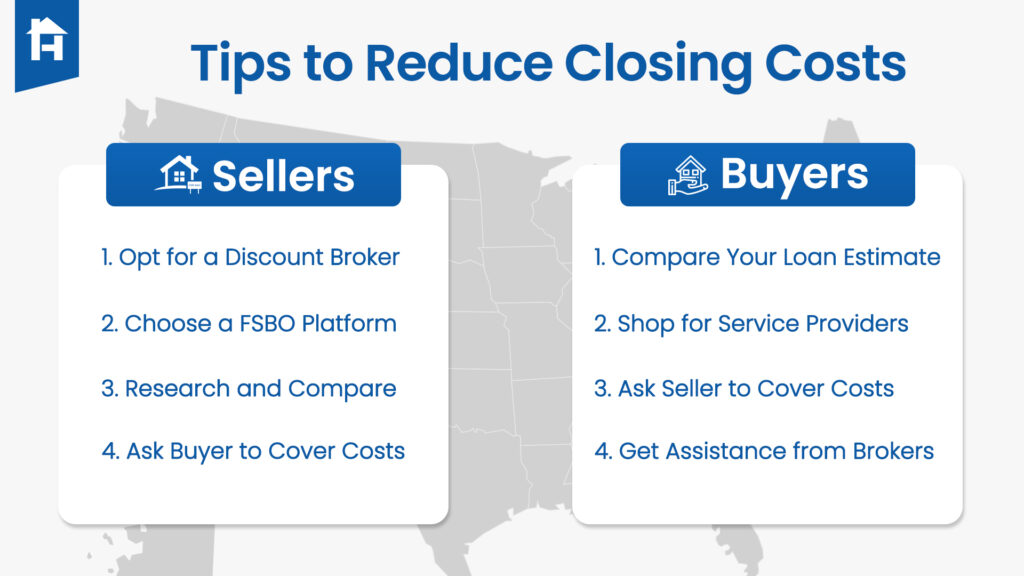
Hire a Reputable Real Estate Agent and Attorney
An experienced Texan real estate agent can guide you through the entire process, including identifying potential areas where costs can be managed. A good real estate attorney can also review your closing documents and ensure everything is in order, potentially preventing costly mistakes. For those seeking unique experiences, like staying at a charming boutique hotel in the Texas Hill Country before closing, ensure your agent has insights into local service providers.
Buying a home in Texas is a significant milestone. By understanding the intricacies of closing costs, you can approach the final stages of your purchase with confidence, knowing exactly what to expect and how to best prepare financially for your new Texan adventure. Whether you’re drawn to the vibrant energy of Houston, the artistic vibe of Marfa, or the natural beauty of Big Bend National Park, a well-prepared financial approach will make your Texas homeownership dream a reality.
LifeOutOfTheBox is a participant in the Amazon Services LLC Associates Program, an affiliate advertising program designed to provide a means for sites to earn advertising fees by advertising and linking to Amazon.com. Amazon, the Amazon logo, AmazonSupply, and the AmazonSupply logo are trademarks of Amazon.com, Inc. or its affiliates. As an Amazon Associate we earn affiliate commissions from qualifying purchases.