
The sight of a flamingo, with its vibrant pink plumage and elegant stature, evokes images of exotic beauty and tropical splendor. While these magnificent birds are often associated with distant lands, a fascinating resurgence is unfolding in the Sunshine State of Florida. Historically, flamingos graced the state’s wetlands, but their numbers dwindled dramatically due to hunting and habitat loss. Today, thanks to conservation efforts and perhaps shifting environmental patterns, these iconic birds are making a captivating return, offering unique opportunities for both seasoned birdwatchers and casual visitors to witness them in their natural or semi-natural habitats. This guide delves into the best places across Florida to encounter these “pink panthers” of the avian world, providing insights into their reappearance and how to best enjoy a sighting.

Florida’s Pink Plume: A Return to Glory
For decades, the idea of seeing wild flamingos in Florida was largely a romanticized notion, confined to historical records and anecdotes. However, recent years have painted a different picture, one of hope and resurgence for the American Flamingo (also known as the Greater Flamingo).
The Historical Presence of Flamingos in the Sunshine State
Prior to the late 19th and early 20th centuries, large flocks of American Flamingos were a common sight in Florida’s southern wetlands, particularly within what is now Everglades National Park and the Florida Keys. Their presence was integral to the ecosystem, their filter-feeding habits playing a role in the delicate balance of the estuarine environments. Unfortunately, the insatiable demand for their feathers, used in the fashion industry for hats and garments, led to widespread hunting that decimated their populations. By the early 1900s, flamingos were considered almost extirpated from the wild in Florida, with only occasional, transient visitors from nearby Caribbean populations recorded.
Factors Contributing to Their Recent Resurgence
The recent increase in flamingo sightings in Florida is a complex phenomenon, attributed to several converging factors. Stricter conservation laws and habitat protection have undoubtedly played a pivotal role, allowing ecosystems to recover. Furthermore, the populations in neighboring regions such as Cuba, the Bahamas, and the Yucatán Peninsula have remained robust. Scientists hypothesize that a combination of these healthy populations expanding their range, along with favorable weather patterns and perhaps even hurricanes displacing birds from their usual feeding grounds, has led to increased migratory visits. These “pioneer” birds are now exploring and recolonizing former habitats, signaling a potential long-term return. The sight of significant flocks, sometimes numbering in the hundreds, has thrilled conservationists and nature enthusiasts alike, underscoring the resilience of nature when given a chance.
Understanding the Flamingo Species in Florida
While various flamingo species exist worldwide, the primary species observed in Florida is the American Flamingo (Phoenicopterus ruber). Distinguished by its brilliant rosy-pink to vermillion plumage, it’s one of the largest and most brightly colored flamingo species. Their distinctive, down-curved bill is specially adapted for filter-feeding on brine shrimp, algae, and small invertebrates found in shallow, saline or brackish waters, which are abundant in Florida’s coastal and wetland ecosystems. Understanding this specific species helps in identifying them and appreciating their unique adaptations to the local environment.
Prime Natural Habitats for Flamingo Spotting
For those eager to witness flamingos in their wild, undisturbed glory, Florida’s expansive natural areas offer the most authentic and rewarding experiences. While sightings in the wild require patience and a bit of luck, the sheer beauty of these pristine environments makes the journey worthwhile.
The Everglades: A Premier Wilderness Destination
Everglades National Park, a sprawling wetland wilderness in South Florida, is perhaps the most iconic and historically significant location for wild flamingo sightings. Its vast freshwater marshes, brackish estuaries, and mangrove forests provide ideal foraging grounds.
- Flamingo Visitor Center: Located at the southern tip of Everglades National Park, this area is aptly named for its historical association with flamingos. While not a guaranteed spot, recent significant sightings of large flocks have been reported in the vicinity of the Flamingo Visitor Center and surrounding areas of Florida Bay. Kayaking or taking boat tours into the shallow waters around Florida Bay can increase your chances.
- Cape Sable: This remote, southernmost point of the Florida mainland, accessible by long canoe or kayak trips, has historically been a significant flamingo habitat. Its secluded beaches and saline ponds offer a pristine environment where large groups have recently reappeared.
South Florida’s Coastal Wetlands and Mangroves
Beyond the Everglades, the intricate network of coastal wetlands and mangrove islands that characterize South Florida’s shoreline also provides potential havens for migrating or resident flamingos.
- Biscayne Bay: Extending along the coast of Miami, this expansive bay and its surrounding islands occasionally host small groups of flamingos, especially in its shallower, more remote sections. Boat access is often necessary to reach these areas.
- Florida Keys: While primarily known for coral reefs and fishing, the numerous islands and shallow flats of the Florida Keys offer stopover points for flamingos. Remote sand flats and shallow lagoons, particularly in the Middle and Lower Keys such as near Marathon or beyond Key West towards the Dry Tortugas National Park, have reported sightings.
Unexpected Sightings in Central and West Coast Regions
While less common, the expanding range of flamingos means that sightings are no longer exclusive to South Florida. Keep an eye out in other coastal regions, particularly after strong weather events.
- Tampa Bay Area: On the West Coast Florida of the state, the extensive estuaries and mudflats of Tampa Bay have occasionally hosted small groups of flamingos. Areas like the Apollo Beach nature preserve or other less disturbed shorelines could offer a rare glimpse.
- Sarasota and Southwest Florida: Further south along the Gulf of Mexico coast, areas around Sarasota, Fort Myers, and Marco Island have reported sporadic sightings. The vast tidal flats and estuaries here offer suitable foraging grounds.
Dedicated Sanctuaries and Parks: Assured Encounters
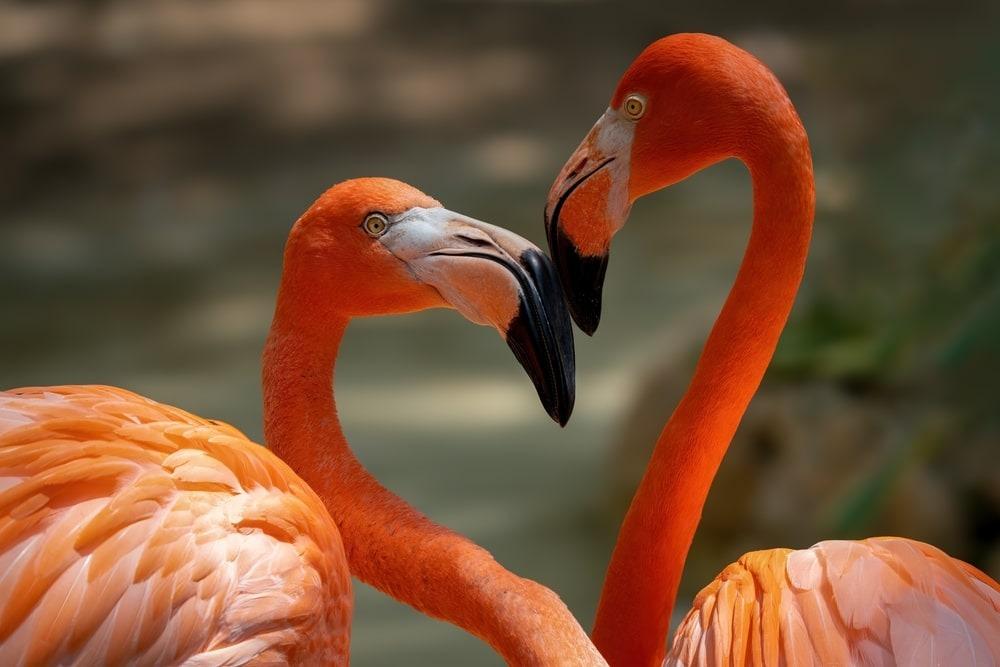
For a guaranteed and close-up experience with flamingos, Florida’s numerous zoological parks and wildlife sanctuaries provide excellent opportunities. These institutions not only showcase flamingos in beautifully maintained habitats but often play a crucial role in conservation and education.
Zoo Miami and Its Vibrant Flamingo Colonies
Located in Miami, Zoo Miami is renowned for its impressive collection of flamingos. The zoo features large, open habitats where these birds thrive, often numbering in the hundreds. Visitors can observe their intricate social behaviors, vibrant colors, and unique feeding techniques from designated viewing areas. The Zoo Miami experience provides a fantastic opportunity for photography and education about the species.
Busch Gardens Tampa Bay: A Themed Park Experience
In Tampa, Busch Gardens Tampa Bay offers an exciting blend of thrill rides and animal encounters. Their expansive flamingo habitats are a highlight, allowing guests to see large flocks of flamingos wading in serene ponds amidst lush landscaping. It’s a fantastic option for families and those looking for an entertaining day that includes guaranteed flamingo sightings.
St. Augustine Alligator Farm Zoological Park: A Legacy of Flamingo Conservation
The historic St. Augustine Alligator Farm Zoological Park, located in St. Augustine, is more than just gators. It boasts a stunning array of birdlife, including a significant colony of flamingos. This park has a long-standing commitment to conservation and offers an intimate setting to observe these magnificent birds, often without barriers, allowing for excellent viewing and photography opportunities.
Other Notable Zoological Gardens
Several other institutions across Florida also house thriving flamingo populations, contributing to public awareness and species preservation:
- Disney’s Animal Kingdom: Part of the Walt Disney World Resort in Orlando, Animal Kingdom features flamingos within its various themed lands, providing an educational and immersive viewing experience.
- Naples Zoo at Caribbean Gardens: In Naples, this zoo offers a beautiful tropical setting where flamingos are among the many fascinating animals to observe, often integrated into scenic landscapes.
Maximizing Your Flamingo Viewing Experience
Whether you’re venturing into the wilderness or visiting a dedicated park, thoughtful planning and adherence to ethical guidelines will enhance your flamingo viewing adventure.
Best Time of Year and Day for Sightings
For wild flamingos in Florida, the cooler, drier months from late fall through early spring (November to April) generally offer the best chances. During this period, water levels in the Everglades and other wetlands are often lower, concentrating their food sources and making the birds easier to spot. Early morning and late afternoon are typically the most active times for feeding and social behaviors, offering softer light for photography and generally more pleasant temperatures for visitors.
Essential Gear for Wildlife Observation
To truly appreciate the beauty of flamingos, especially in the wild, come prepared with the right equipment:
- Binoculars: Absolutely essential for observing details from a respectful distance without disturbing the birds. A magnification of 8x or 10x is ideal.
- Camera with a Telephoto Lens: For capturing stunning photographs, a camera capable of zooming in from afar is invaluable.
- Sun Protection: Florida’s sun can be intense. Hats, sunglasses, and reef-safe sunscreen are a must.
- Insect Repellent: Especially in wetland areas, mosquitoes and other biting insects can be prevalent.
- Water and Snacks: Hydration is key, especially when exploring natural areas.
Ethical Wildlife Viewing Practices
Responsible tourism is paramount when observing wildlife. Following ethical guidelines ensures the safety and well-being of the flamingos and their habitat:
- Maintain a Respectful Distance: Never approach flamingos too closely. If the birds change their behavior (e.g., stop feeding, become alert, walk away), you are too close. Use your binoculars and camera zoom.
- Be Quiet: Loud noises can startle birds and other wildlife. Speak softly and move slowly.
- Stay on Marked Trails: Do not venture off designated paths, as this can damage sensitive habitats and disturb nesting or feeding areas.
- Never Feed Wildlife: Feeding wild animals can alter their natural behaviors, make them dependent on humans, and expose them to harmful foods.
- Pack It In, Pack It Out: Leave no trace of your visit. Take all trash with you.
Guided Tours and Expert Insights
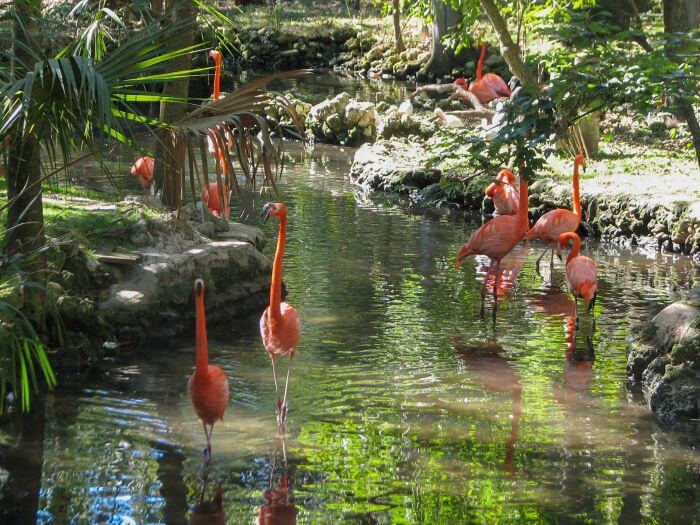
For a deeper understanding and increased chances of sightings, consider joining a guided tour. Many experienced birding guides and naturalists operate in areas like the Everglades and the Florida Keys, offering invaluable local knowledge, spotting expertise, and insights into flamingo behavior and ecology. These tours often provide access to areas that might be difficult to navigate independently and ensure a safe and educational experience.
The return of flamingos to Florida’s landscapes is a testament to nature’s resilience and the impact of conservation. Whether you choose the rugged adventure of the wild Everglades or the assured comfort of a zoological park, the opportunity to witness these magnificent pink birds is a truly unforgettable Florida experience. Plan your trip with respect for nature, and prepare to be enchanted by the vibrant elegance of Florida’s iconic pink plumes.
LifeOutOfTheBox is a participant in the Amazon Services LLC Associates Program, an affiliate advertising program designed to provide a means for sites to earn advertising fees by advertising and linking to Amazon.com. Amazon, the Amazon logo, AmazonSupply, and the AmazonSupply logo are trademarks of Amazon.com, Inc. or its affiliates. As an Amazon Associate we earn affiliate commissions from qualifying purchases.