
Navigating the intricacies of healthcare access can be a complex undertaking, particularly for adults in a state as vast and diverse as Texas. While the primary focus of this platform is to inspire and guide your travel adventures, from exploring breathtaking destinations and uncovering hidden attractions to indulging in unique experiences and offering comprehensive guides, understanding essential life services, such as healthcare coverage, is paramount. For Texas residents seeking to secure vital medical assistance, understanding the process of applying for Medicaid is a crucial piece of knowledge. This guide aims to demystify that process, drawing a parallel between the meticulous planning required for a memorable vacation and the structured steps needed to access essential healthcare.
Understanding Medicaid in Texas: A Foundation for Access
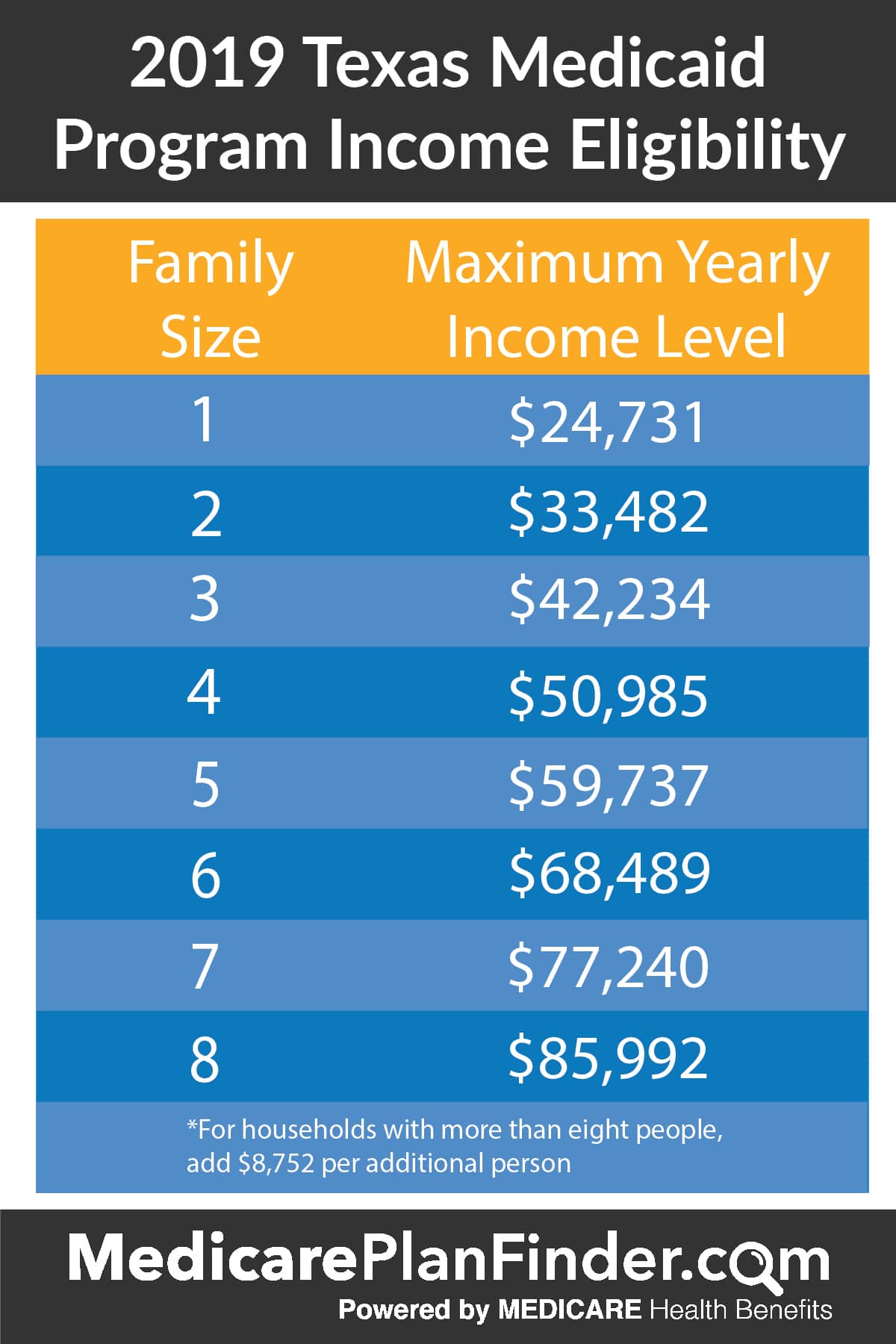
Medicaid is a joint federal and state program that provides health insurance for low-income individuals and families. In Texas, the program is administered by the Texas Health and Human Services Commission (HHSC). It serves a broad spectrum of individuals, including eligible children, pregnant women, parents with dependent children, individuals with disabilities, and the elderly. For adults, specifically those who do not fall into certain categories like having dependent children, the eligibility criteria can be quite specific and often linked to specific circumstances, such as being pregnant or having a severe disability. It’s important to note that Texas has not expanded its Medicaid program to cover all low-income adults, which means eligibility is generally more restricted compared to some other states. This distinction is vital for any adult resident in Texas considering an application.
Eligibility Requirements: Who Qualifies?
The eligibility requirements for Medicaid in Texas for adults are multifaceted and depend on several factors, including income, household size, age, disability status, and pregnancy. For adults without dependent children, the program is typically limited to pregnant women and individuals who are blind, disabled, or over the age of 65.
- Pregnant Women: Pregnant individuals who meet specific income guidelines are often eligible for Medicaid or Children’s Health Insurance Program (CHIP) perinatal coverage. This ensures that expectant mothers and their unborn children receive necessary prenatal care, delivery services, and postpartum support. The income limits for pregnant women are often higher than for other adult groups to account for the needs of pregnancy.
- Individuals with Disabilities: Adults who have a disability as defined by the Social Security Administration (SSA) or HHSC may be eligible for Medicaid. This often involves a medical review process to determine if the individual meets the criteria for disability. The income and asset limits for disability-based Medicaid can differ from other categories.
- Individuals Aged 65 and Older: Elderly individuals who meet the income and asset limits can qualify for Medicaid. This coverage is particularly important for seniors who require long-term care services, which can be extremely expensive and are often covered by Medicaid.
- Parents with Dependent Children: While the focus here is on adults generally, it’s worth noting that parents or caretakers of dependent children can also be eligible for Medicaid if their household income falls below a certain threshold. The eligibility rules for this group are often more inclusive than for childless adults.
It is crucial for all applicants to consult the most current eligibility guidelines provided by HHSC, as these can be subject to change. Understanding these nuances is akin to researching the best resorts in a particular destination; detailed information is key to making informed decisions.
The Application Process: Step-by-Step Guidance
Applying for Medicaid in Texas involves a structured process designed to gather necessary information and verify eligibility. Similar to booking accommodation for a long-term stay, the application requires attention to detail and submission of supporting documents.
Step 1: Gathering Necessary Documentation
Before you begin the application, it is essential to collect all the required documentation. This typically includes:
- Proof of Identity: A Texas driver’s license, state-issued ID card, or other valid identification.
- Proof of Residency: Utility bills, lease agreements, or other documents showing you live in Texas.
- Proof of Income: Pay stubs, tax returns, letters from employers, or any other documentation that verifies your income. This can include wages, social security benefits, pensions, or other sources of income.
- Proof of Assets: Bank statements, property deeds, or other documents detailing your assets. The types of assets considered and their valuation are crucial for eligibility, especially for disability or elderly Medicaid.
- Social Security Numbers: Social Security card for all household members applying.
- Citizenship or Immigration Status: Birth certificates or immigration documents if applicable.
- Medical Information: For disability claims, medical records, doctor’s statements, and SSA determination letters are vital.
Having these documents organized beforehand will significantly streamline the application process, much like having your itinerary and booking confirmations ready for a trip to a popular landmark.
Step 2: Choosing Your Application Method
Texas offers several convenient ways to apply for Medicaid:
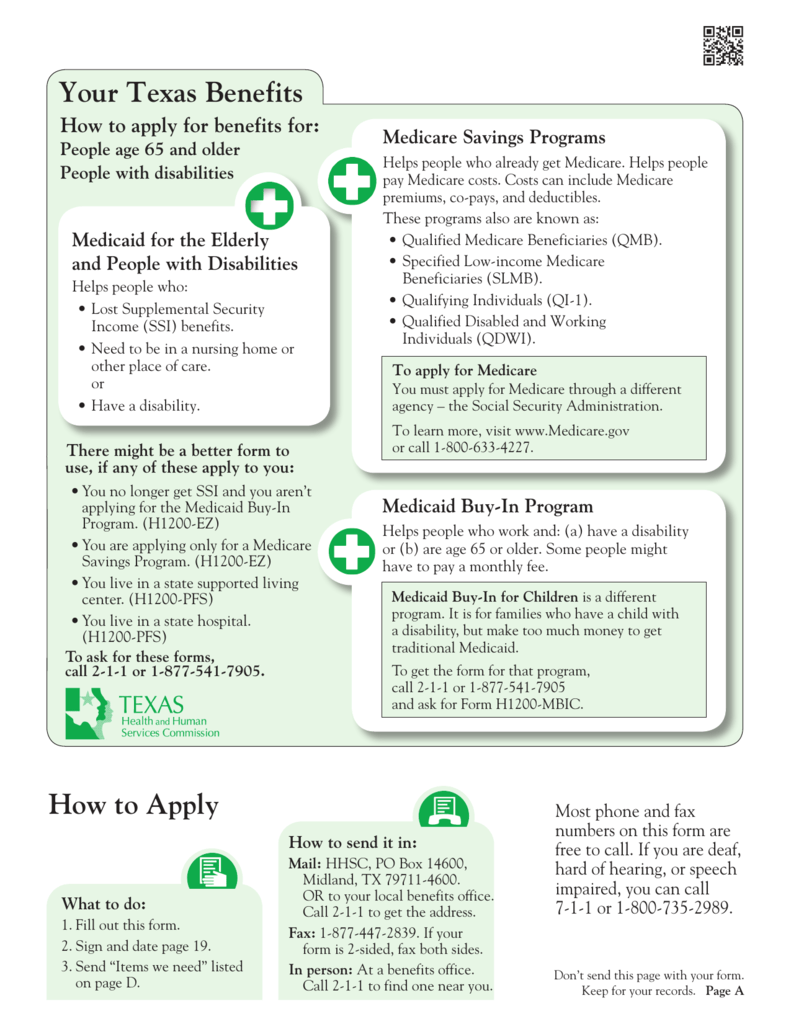
- Online Application: The most common and often quickest method is to apply online through the HHSC website. The Your Texas Benefits portal is designed to be user-friendly and guides you through the application step-by-step. This is similar to using an online platform to compare different hotels or apartments.
- By Phone: You can also apply by calling the HHSC state office. A representative will assist you with the application over the phone.
- In Person: For those who prefer face-to-face assistance or lack reliable internet access, you can visit a local HHSC benefits office. This allows for direct interaction with caseworkers who can answer questions and help you complete the forms.
- By Mail: You can download the application form from the HHSC website or request a paper copy to be mailed to you. Once completed, it can be mailed back to the HHSC.
Each method has its advantages, and the best choice depends on your personal preferences and access to resources. If you’re planning a budget travel trip, you might prefer the free online option. If you’re considering a luxury travel experience, you might opt for personalized assistance.
Step 3: Completing and Submitting the Application
Once you have chosen your application method and gathered your documents, you will need to fill out the application form accurately and completely. Be sure to answer all questions honestly and provide all requested information. Any missing information or inaccuracies can delay the processing of your application. After submission, you will typically receive a confirmation that your application has been received.
Step 4: The Review and Decision Process
After you submit your application, HHSC will review it to determine your eligibility. This process may involve verifying the information you provided with external sources. You might be contacted by a caseworker if additional information or clarification is needed. This review period can vary depending on the volume of applications and the complexity of your case. Once a decision is made, you will be notified in writing. If you are approved, the notice will detail your coverage and how to access services. If your application is denied, the notice will explain the reason for the denial and provide information on your right to appeal.
Maximizing Your Healthcare Access: Additional Resources and Tips
Understanding the Medicaid application process is the first step towards securing essential healthcare. However, further knowledge and proactive measures can ensure you make the most of the available resources. This mirrors the preparation needed for a fulfilling lifestyle, whether it’s a family trip or a business stay.
Understanding Your Benefits and Responsibilities
If you are approved for Medicaid, it’s crucial to understand what your benefits cover. This includes doctor visits, hospital stays, prescription drugs, and sometimes dental and vision care. Familiarize yourself with your specific benefits package, as well as any co-pays or deductibles that may apply. Additionally, be aware of your responsibilities as a Medicaid recipient. This includes reporting any changes in your income, household size, or address to HHSC promptly, as these changes can affect your eligibility. Maintaining accurate records and timely communication is key, much like keeping track of your travel expenses or booking reviews.
Seeking Assistance and Support
Navigating government programs can sometimes feel overwhelming. Fortunately, various resources are available to assist you:
- Texas Health and Human Services Commission (HHSC): The official source for all information regarding Medicaid in Texas. Their website is comprehensive and offers FAQs, eligibility calculators, and links to application portals.
- Legal Aid Organizations: If you are denied Medicaid and wish to appeal, or if you encounter complex legal issues related to your eligibility, various legal aid organizations across Texas offer free or low-cost legal services to eligible individuals.
- Community Health Centers: These centers often provide healthcare services on a sliding fee scale and can offer guidance on Medicaid applications and enrollment.
- Advocacy Groups: Numerous non-profit organizations focus on advocating for healthcare access and can provide support and information to individuals seeking Medicaid.
These resources are invaluable, much like consulting travel guides or local tourism experts for insider tips on exploring a new city. They can help you understand the intricacies of your healthcare coverage and ensure you are accessing the services you need to maintain a healthy lifestyle.
Planning for the Future and Contingencies
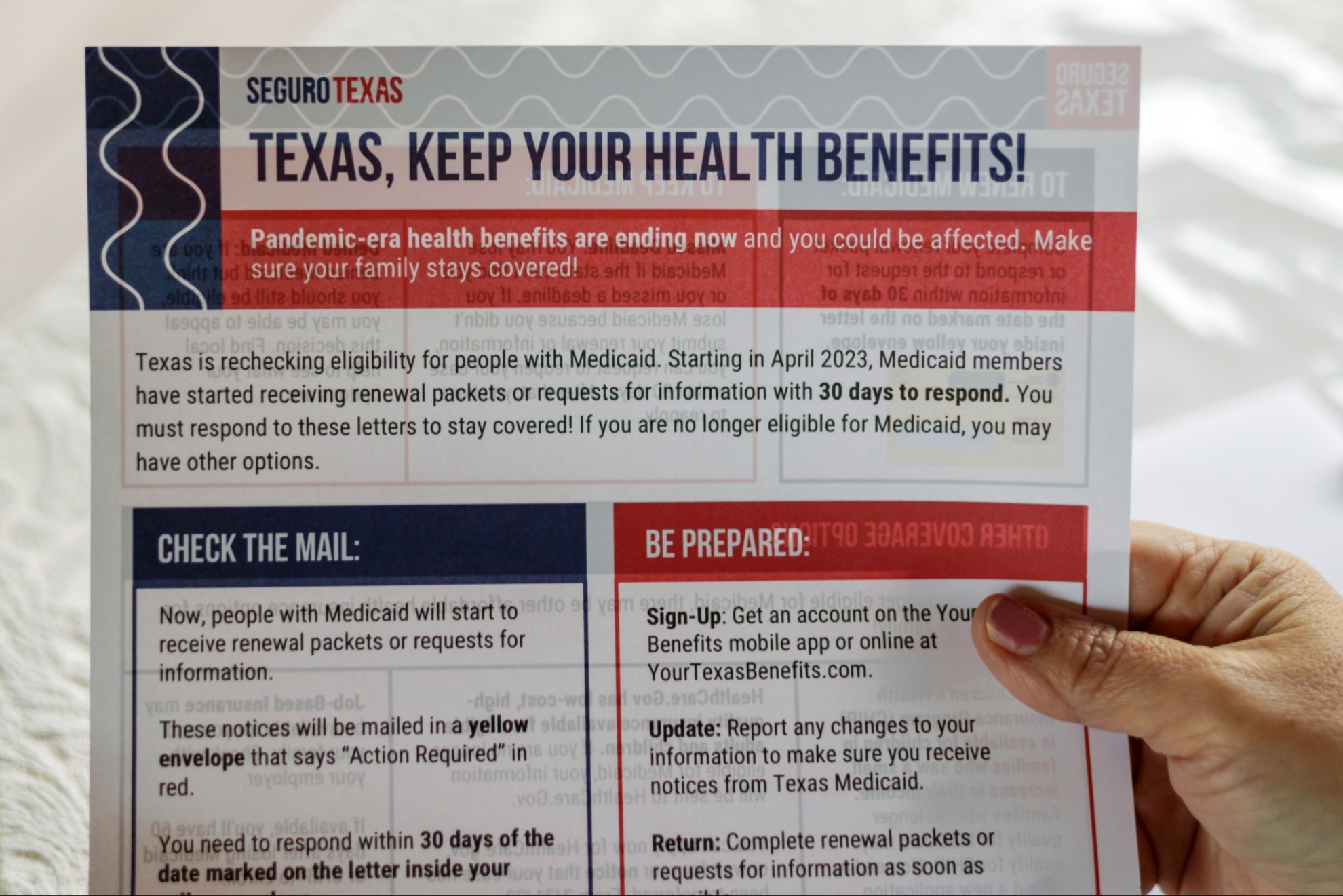
While Medicaid provides a critical safety net, it’s always wise to have a broader understanding of healthcare options and financial planning. For those who may not qualify for Medicaid or who are looking for supplemental coverage, exploring options like the Health Insurance Marketplace or employer-sponsored plans is important. For families planning trips to Texas, understanding healthcare coverage for visitors or temporary residents is also a consideration. Just as you plan for different experiences on a vacation, from visiting famous places to enjoying local food, planning for healthcare needs ensures a more secure and predictable future, whether you’re a resident of Austin, Dallas, or any other part of the Lone Star State.
In conclusion, applying for Medicaid in Texas for adults requires careful attention to eligibility criteria and a structured approach to the application process. By understanding the requirements, gathering the necessary documentation, and utilizing the available resources, Texas residents can successfully secure the healthcare coverage they need. This knowledge empowers individuals to prioritize their well-being, allowing them to focus on enjoying all that life, and indeed, Texas, has to offer, from its vibrant culture to its stunning nature.
LifeOutOfTheBox is a participant in the Amazon Services LLC Associates Program, an affiliate advertising program designed to provide a means for sites to earn advertising fees by advertising and linking to Amazon.com. Amazon, the Amazon logo, AmazonSupply, and the AmazonSupply logo are trademarks of Amazon.com, Inc. or its affiliates. As an Amazon Associate we earn affiliate commissions from qualifying purchases.