
Traveling across Colorado offers a rich tapestry of experiences, from the vibrant urban centers to the majestic natural wonders. For many adventurers and business travelers alike, understanding the logistics of navigating between key cities is paramount. Two prominent cities that often feature on travel itineraries are Boulder, known for its outdoor lifestyle and progressive culture, and Colorado Springs, famous for its stunning natural landmarks and military heritage. A common question among those planning a visit to the Centennial State is, “How far is Boulder from Colorado Springs?” This article delves into the distance, travel times, routes, and crucial considerations for making this journey seamless and enjoyable.

Understanding the Geographic Divide
The distance between Boulder and Colorado Springs is more than just a number on a map; it’s a critical factor influencing travel plans, time allocation, and even the type of experience one seeks. Both cities are situated along Colorado’s populous Front Range, a region where the vast plains meet the foothills of the Rocky Mountains. However, their positions relative to the state capital, Denver, significantly impact the travel corridor.
The Straight-Line vs. Driving Distance
As with any two points on Earth, the “as the crow flies” or straight-line distance is purely theoretical for ground travel. In a straight line, Boulder and Colorado Springs are approximately 70-80 miles (113-129 kilometers) apart. However, practically speaking, you can’t fly directly between them unless you own a private aircraft. The actual driving distance is considerably longer due to the necessity of following established road networks, which often involve navigating through or around the sprawling metropolitan area of Denver.
The primary driving route typically covers between 90 to 110 miles (145 to 177 kilometers), depending on the specific starting and ending points within each city and the chosen path through Denver. This difference of 20-30 miles might seem minor, but it translates into significant variations in travel time, especially when factoring in traffic congestion.
Why the Distance Matters for Travelers
For travelers, understanding this distance is foundational for itinerary planning. It dictates how much time should be allocated for transit, impacts decisions on whether to make it a day trip or an overnight stay, and influences budgeting for fuel or public transportation costs. For instance, if one plans to visit Boulder’s renowned Pearl Street Mall in the morning and Colorado Springs’ Garden of the Gods in the afternoon, the driving distance and potential traffic become critical considerations for feasibility. Moreover, the journey itself can be part of the experience, offering glimpses of diverse Colorado landscapes, from high-plains agriculture to mountain foothills, making the drive an integral segment of the overall travel narrative.
Navigating the Journey: Primary Routes and Travel Times
The vast majority of travelers moving between Boulder and Colorado Springs will utilize the interstate highway system, specifically the I-25 corridor, which acts as the main artery connecting the major cities along the Front Range.
The I-25 Corridor: The Most Direct Path
The most common and direct route involves a multi-step journey via Denver. From Boulder, travelers typically head south on US-36 (the Boulder Turnpike) towards Denver, then merge onto I-25 South. I-25 then carries you directly south through Denver and its southern suburbs, eventually leading straight into Colorado Springs. This route is predominantly multi-lane highway driving, making it efficient when traffic is light.
Key landmarks and potential stops along this route include passing through the heart of downtown Denver, the Denver Tech Center in the south, and the developing communities around Castle Rock. The journey offers views of the plains to the east and the gradually rising Rocky Mountains to the west.
Scenic Alternatives: Exploring Beyond the Interstate
While I-25 is the quickest, some travelers might prefer a more scenic, albeit longer, alternative. One option involves taking more localized roads through Denver’s western suburbs or skirting the mountain foothills. For example, one could take US-285 southwest from Denver for a portion of the journey, offering different mountain views, before looping back towards Colorado Springs via Highway 67 or other state routes. However, these routes significantly increase travel time and often involve more winding roads and potentially slower speeds. For the purpose of getting from point A to point B efficiently, I-25 remains the unrivaled choice.
Estimated Driving Times Under Various Conditions
The travel time between Boulder and Colorado Springs can vary dramatically based on a few critical factors:
- Ideal Conditions: On a weekend morning or late at night with minimal traffic, the drive can be completed in approximately 1 hour and 45 minutes to 2 hours. This assumes smooth sailing through the Denver metropolitan area.
- Peak Traffic: During weekday rush hours (typically 6:30 AM – 9:00 AM and 3:30 PM – 6:30 PM), especially through Denver, the travel time can easily extend to 2 hours and 30 minutes, or even 3 hours. Congestion on US-36 into Denver and on I-25 through the city are common bottlenecks.
- Weather Conditions: Colorado’s weather can be unpredictable. Snowstorms, heavy rain, or even strong winds can significantly slow down traffic and make driving conditions challenging, adding an hour or more to the journey. Always check weather forecasts, especially during winter months (November to April).
- Construction: Road construction is an ongoing reality in busy corridors like I-25. While efforts are made to minimize disruption, lane closures or slowdowns can impact travel times.
Beyond the Wheel: Other Transportation Options
While driving is by far the most flexible and common way to travel between Boulder and Colorado Springs, other options exist for those who prefer not to drive or don’t have access to a vehicle.
Public Transportation: Bustang and Regional Services
Colorado’s interregional bus service, Bustang, offers a viable public transportation option. Travelers would typically take a Bustang route from Boulder to Denver’s Union Station, and then transfer to another Bustang South Line service that travels to Colorado Springs. The entire journey, including transfers and waiting times, can take anywhere from 3 to 4 hours, making it a slower option than driving but a cost-effective and stress-free alternative. This option is particularly attractive for those who want to relax, work, or enjoy the scenery without the burdens of driving and parking.

Ride-Sharing and Private Shuttles
Ride-sharing services like Uber or Lyft are available, but the cost for a trip spanning over 100 miles would be substantial, likely ranging from $150 to $250 or more, depending on demand and service level. Private shuttle services also operate, offering door-to-door convenience, especially popular for airport transfers (e.g., to/from Denver International Airport). While more expensive than public buses, they can be a good option for groups or those with significant luggage who prioritize comfort and directness over cost.
Air Travel (and its Impracticality for this Route)
Given the relatively short distance, air travel between Boulder and Colorado Springs is highly impractical. There are no direct commercial flights, and even if one were to fly from Denver International Airport (DIA) to Colorado Springs Airport, the time spent on ground transportation to and from the airports, security checks, and flight duration would far exceed the driving time, not to mention the significantly higher cost and environmental impact. For this route, ground transportation is overwhelmingly the sensible choice.
Planning Your Trip: What to Consider
Successful travel hinges on meticulous planning, and a journey between Boulder and Colorado Springs is no exception. Several factors warrant consideration to ensure a smooth and enjoyable experience.
Factor in Peak Traffic and Weather
As highlighted, traffic congestion in the Denver metro area is the single largest variable affecting travel time. If your schedule allows, plan to depart early in the morning (before 6:30 AM) or mid-day (between 9:30 AM and 2:30 PM) to avoid the worst of the rush hour traffic. Similarly, travel on Saturdays or Sundays generally offers less congestion than weekdays.
Always consult reliable weather forecasts, especially if traveling during the colder months. Winter storms can close roads, cause significant delays, and necessitate the use of four-wheel drive or snow tires, particularly if venturing off the interstate. Mountain weather can change rapidly, so preparedness is key. Even outside of winter, heavy thunderstorms can occur during summer afternoons, leading to localized flooding and reduced visibility.
Break Points and Attractions Along the Way
The journey doesn’t have to be just about getting from one point to another. The corridor between Boulder and Colorado Springs offers numerous opportunities for interesting stops, especially if you have extra time.
- Denver: As you pass through Denver, consider a stop in the city itself. Options include exploring the historic Union Station area, visiting the Denver Art Museum, or catching a concert at Red Rocks Park and Amphitheatre (a slight detour west).
- Castle Rock: South of Denver, Castle Rock offers outlet shopping and views of its namesake rock formation. It’s a convenient spot for a quick break or a meal.
- United States Air Force Academy: Just north of Colorado Springs, the United States Air Force Academy is a striking architectural marvel and a significant landmark. Visitors can explore the chapel, visitor center, and various overlooks.
Incorporating a planned stop can break up the drive, allowing drivers to rest and passengers to experience more of Colorado’s diverse offerings.
Preparing Your Vehicle for the Journey
If driving your own vehicle, a few basic checks can prevent unexpected issues:
- Fuel: Ensure your tank is full before departing. While there are plenty of gas stations along I-25, it’s always wise to start with a full tank.
- Tires: Check tire pressure and tread, especially if you anticipate varying road conditions.
- Fluids: Ensure oil, coolant, and windshield wiper fluid levels are adequate.
- Emergency Kit: Consider carrying a basic emergency kit, including jumper cables, a flashlight, water, and snacks, particularly during winter travel.
- Navigation: While cell service is generally reliable, having an offline map or a traditional GPS device can be a good backup.
Unveiling the Destinations: What Awaits You
Ultimately, the journey between Boulder and Colorado Springs is undertaken to experience the unique allure of each destination. Understanding the travel logistics allows you to maximize your time enjoying what these cities have to offer.
The Allure of Boulder
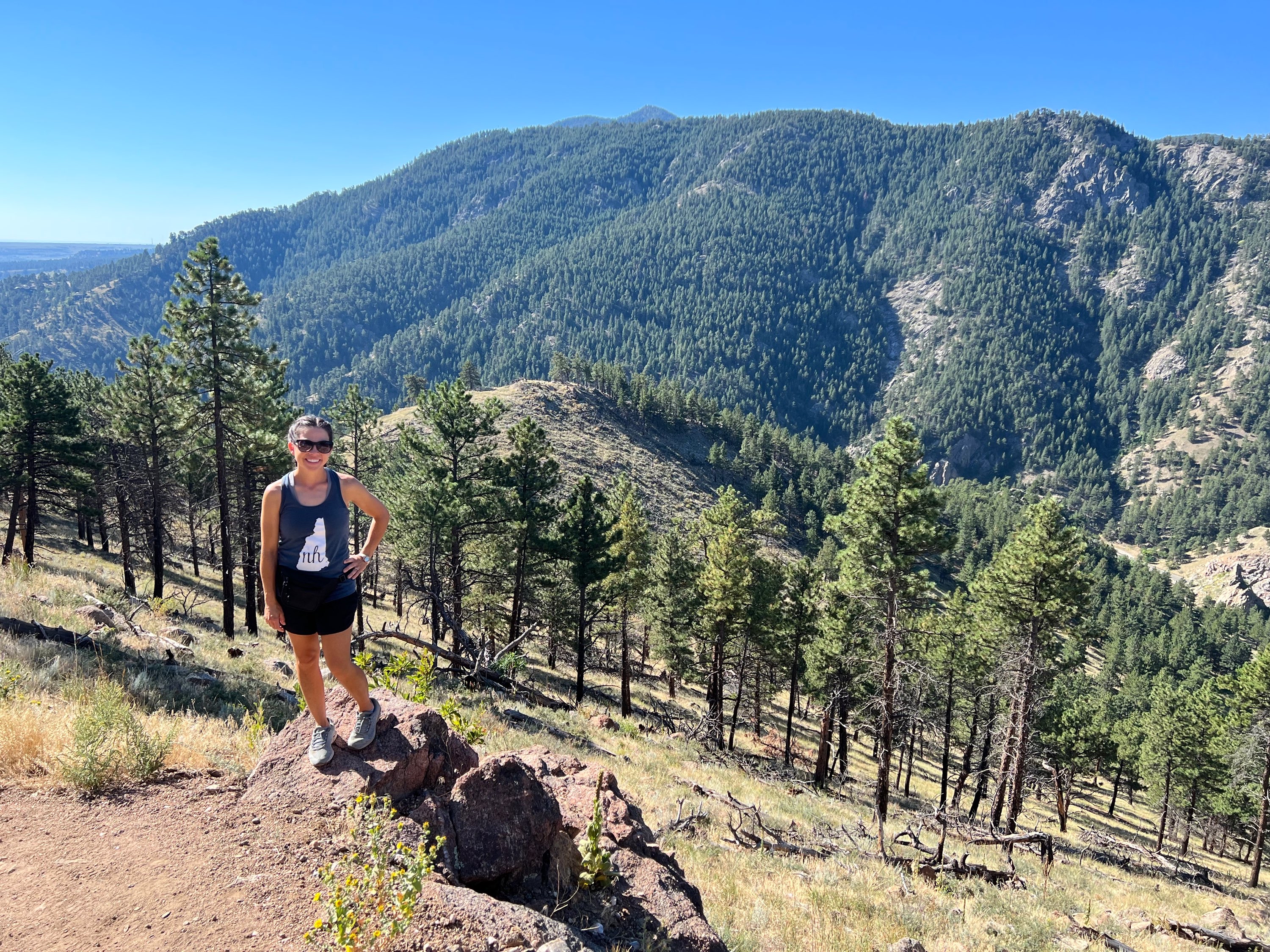
Boulder is an energetic hub known for its outdoor recreation, health-conscious lifestyle, and intellectual vibrancy. Nestled against the dramatic Flatirons of the Rocky Mountains, it offers unparalleled access to hiking, biking, and climbing. The pedestrian-friendly Pearl Street Mall is a focal point, brimming with unique boutiques, farm-to-table restaurants, street performers, and a lively atmosphere. Boulder’s craft breweries, innovative tech scene, and the presence of the University of Colorado Boulder contribute to its distinct progressive and youthful charm. Visitors come to Boulder for its unique blend of urban sophistication and rugged natural beauty, often seeking a balance between adventure and relaxation.
The Charms of Colorado Springs
To the south, Colorado Springs presents a different, yet equally captivating, facet of Colorado. Dominated by the majestic Pikes Peak, often called “America’s Mountain,” the city is a gateway to some of the state’s most iconic natural wonders. The stunning red rock formations of Garden of the Gods are a must-see, offering breathtaking vistas and easy hiking trails. Other attractions include the historic town of Manitou Springs, the Pikes Peak Cog Railway, and the United States Air Force Academy. Colorado Springs also boasts a strong military presence and a family-friendly atmosphere, appealing to those interested in history, patriotism, and grand natural landscapes.
Why Travel Between Them?
Many travelers embark on the journey between Boulder and Colorado Springs to experience the full spectrum of Colorado’s Front Range. It’s a multi-city adventure that allows visitors to contrast Boulder’s bohemian, outdoorsy vibe with Colorado Springs’ more traditional, monumental beauty. Whether you’re a nature enthusiast, a culture seeker, or a history buff, combining these two destinations provides a comprehensive and enriching understanding of what makes Colorado such a beloved travel destination. By understanding the distance and travel considerations, you can confidently plan a memorable exploration of these distinct and captivating Colorado cities.
LifeOutOfTheBox is a participant in the Amazon Services LLC Associates Program, an affiliate advertising program designed to provide a means for sites to earn advertising fees by advertising and linking to Amazon.com. Amazon, the Amazon logo, AmazonSupply, and the AmazonSupply logo are trademarks of Amazon.com, Inc. or its affiliates. As an Amazon Associate we earn affiliate commissions from qualifying purchases.