
Dreaming of a career that blends the thrill of travel with the opportunity to connect with people from all walks of life? Becoming a flight attendant in Texas offers a unique pathway to a dynamic and rewarding profession. While the skies are the ultimate destination, your journey begins on the ground, right here in the Lone Star State. This guide will illuminate the steps, requirements, and considerations for aspiring flight attendants looking to launch their careers from Texas, drawing upon the rich tapestry of travel, accommodation, and lifestyle experiences that define the state.
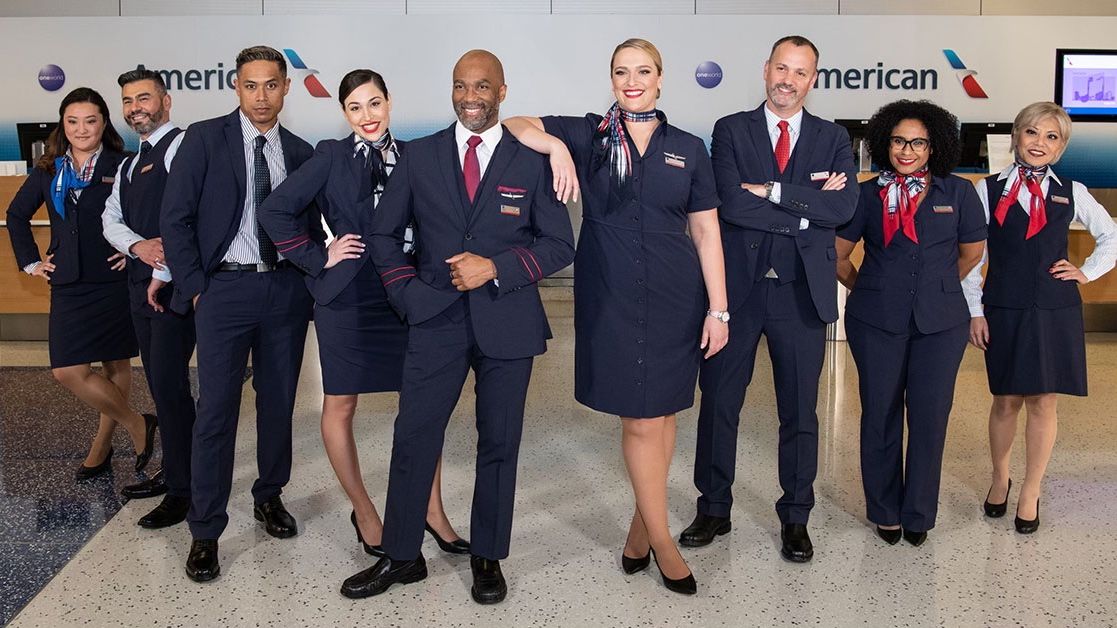
The allure of being a flight attendant extends far beyond simply serving beverages. It’s about ensuring passenger safety, providing comfort, and being a brand ambassador for an airline. For those based in Texas, a state renowned for its vast landscapes, vibrant cities, and growing aviation sector, this career path presents numerous opportunities. Whether you envision yourself soaring over the plains of West Texas or navigating international routes from a major hub like Dallas/Fort Worth International Airport (DFW) or George Bush Intercontinental Airport (IAH) in Houston, understanding the process is crucial.
This article will delve into the essential qualifications, the application and training process, and the lifestyle aspects associated with being a flight attendant, all viewed through the lens of opportunities available in Texas. We’ll explore how the state’s tourism industry, diverse accommodation options, and unique lifestyle contribute to this exciting career choice.
Laying the Foundation: Requirements and Qualifications for Aspiring Flight Attendants
Before you can don the uniform and greet passengers with a warm smile, there are fundamental requirements you must meet. These are largely standardized across the aviation industry, but understanding them as they apply to aspiring professionals in Texas is key. Airlines are looking for individuals who are not only personable and professional but also possess a strong sense of responsibility and a commitment to safety.
Age, Height, and Physical Fitness
A common prerequisite for flight attendant positions is a minimum age, typically 18 or 21 years old, depending on the airline and the specific routes operated (international flights often have a higher age minimum). Height requirements are also a consideration; candidates generally need to be tall enough to reach overhead compartments and emergency equipment, often specified within a certain range, for example, between 5’2″ and 6’3″. Beyond mere stature, airlines require candidates to be in good physical health, capable of performing the duties of the job, which can involve long hours on your feet, lifting luggage, and assisting passengers in various situations. Vision also plays a role, with corrected vision usually acceptable, but specific standards apply.
Education and Language Proficiency
A high school diploma or GED is almost universally required. Some airlines may prefer or require some college education, particularly in fields like hospitality, tourism, or communications, though this is not always a strict necessity. Crucially, exceptional communication skills are paramount. Flight attendants must be able to interact effectively with a diverse range of passengers, de-escalate situations, and convey important safety information clearly and concisely. Fluency in English is essential, and proficiency in a second language can be a significant advantage, opening up more international routes and opportunities. Given Texas‘s diverse population and its role as a gateway to Latin America, Spanish proficiency can be particularly valuable.
Citizenship and Background Checks
Candidates are typically required to be U.S. citizens or have the legal right to work in the U.S. Airlines will also conduct thorough background checks, including criminal record checks and employment history verification. This is a critical aspect of ensuring passenger safety and maintaining the integrity of the airline’s operations. A clean record is generally a non-negotiable requirement.
The Importance of a Customer Service Background
While not always a formal requirement, a background in customer service is highly advantageous. Experience in roles such as retail, hospitality, or even volunteer work where you’ve interacted extensively with the public can demonstrate your ability to handle diverse personalities, resolve issues, and provide excellent service. This aligns perfectly with the focus on Travel, Tourism, and Lifestyle experiences that lifeoutofthebox.com aims to provide, as these industries thrive on positive customer interactions.
The Path to the Skies: Application, Training, and Beyond
Once you’ve confirmed you meet the basic qualifications, the next step is to navigate the application and training process. This is where your dedication and preparation truly come into play. Airlines are meticulous in their selection of flight attendants, as these individuals are the face of their brand.
Crafting a Winning Application

Your resume and cover letter are your first opportunity to impress. Highlight any customer service experience, language skills, and relevant certifications. Emphasize your ability to work as part of a team, your problem-solving skills, and your passion for travel and service. Tailor your application to each airline, as their cultures and priorities may differ. Researching the specific airlines operating out of Texas airports, such as American Airlines based in Fort Worth or Southwest Airlines headquartered in Dallas, will provide valuable insights into their operational focus and hiring preferences.
The Rigorous Selection Process
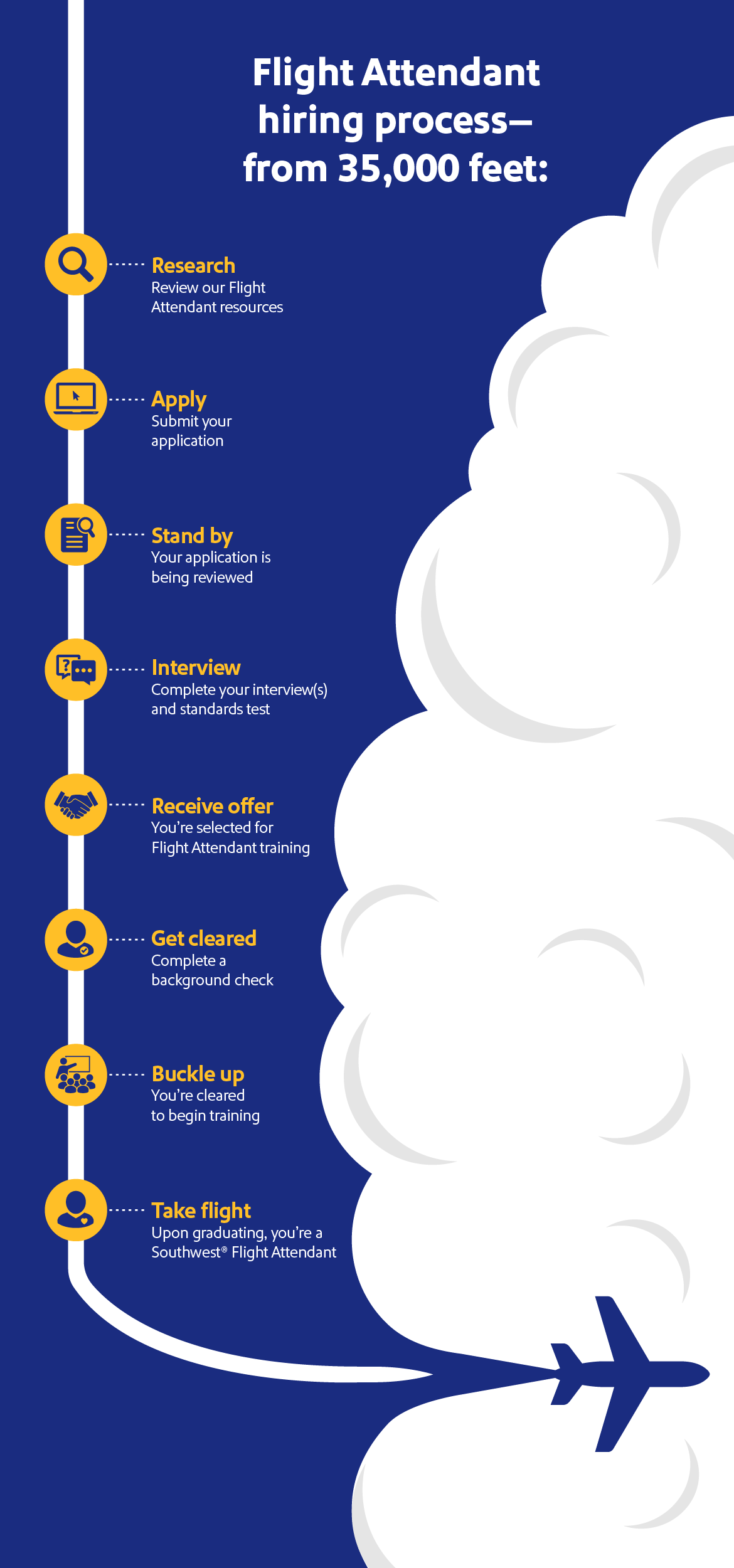
Airlines typically employ a multi-stage selection process. This often begins with an online application, followed by a video interview. Successful candidates may then be invited to an in-person assessment day. This day can involve group activities, individual interviews, and situational judgment tests designed to evaluate your suitability for the role. These assessments gauge your ability to remain calm under pressure, your teamwork skills, and your overall demeanor. Presentation is key; dressing professionally and maintaining a confident, approachable attitude are vital.
Flight Attendant Training: More Than Just In-Flight Service
If you are offered a position, you will undergo intensive training. This is a critical phase that prepares you for the responsibilities of a flight attendant. Training typically lasts several weeks and covers a wide array of subjects, including:
- Safety and Emergency Procedures: This is the most crucial aspect. You will learn how to handle medical emergencies, evacuate an aircraft, and respond to various safety scenarios. This training is often rigorous and hands-on, simulating real-life situations.
- Customer Service Excellence: While you may have prior customer service experience, airline training focuses on the specific nuances of in-flight service, including handling passenger requests, managing conflicts, and maintaining a high standard of service.
- Company Policies and Procedures: You’ll learn about the airline’s specific regulations, flight operations, and service standards.
- First Aid and CPR: Certification in these areas is usually a mandatory part of the training.
The training academies are often located in different parts of the country, but given the presence of major carriers in Texas, many airlines may have training facilities accessible to their Texas-based recruits. Successfully completing this training is a prerequisite for earning your wings.
Beyond Training: Commuting and Base Assignments
Upon completion of training, you will be assigned to a base city. While many aspiring flight attendants hope for a base in their home city of Texas, assignments are based on airline needs and seniority. If you are not initially assigned to a Texas base, you may need to relocate or consider commuting from Texas to your assigned base. This means flying as a passenger to your base city at the beginning of your work trip and flying back home at the end, often utilizing airline jump seats or standby travel. This aspect of the lifestyle is a significant consideration, and understanding the commuting landscape is important for Texas residents aiming for this career.
The Flight Attendant Lifestyle: Navigating Travel, Accommodation, and Life in the Skies
The life of a flight attendant is undeniably unique, offering a lifestyle that many find incredibly appealing. It’s a career that intrinsically links to the core themes of lifeoutofthebox.com: travel, accommodation, and lifestyle.
The Allure of Travel and Destinations
The most obvious perk is the opportunity to travel extensively. Flight attendants get to explore new destinations, experience different cultures, and see parts of the world they might never have visited otherwise. From exploring the vibrant culinary scene in New Orleans, Louisiana, to discovering the historic charm of San Antonio, Texas, or even venturing to international hotspots, the world becomes your oyster. While their primary focus is on passenger safety and service during flights, their layovers provide ample time for exploration. Many airlines offer opportunities for flight attendants to bid on routes, allowing them to curate their travel experiences over time.
Navigating Accommodation Options
While flight attendants are away from home frequently, their accommodation needs differ from those of typical travelers. When on duty, they often stay in hotels provided by their airline. These are typically comfortable and safe accommodations, often in business-class hotels, allowing them to rest and prepare for their next flight. Understanding the types of Hotels and Accommodation available in various destinations is part of the lifestyle, whether it’s a cozy inn in a European city or a modern resort overlooking a beach in the Caribbean. For those based in Texas, knowing the best places to stay for layovers, whether for budget or luxury, becomes second nature. This could range from staying at a Hyatt Regency in a major city to a charming boutique hotel in a smaller town.
The Balance of Lifestyle and Career
The flight attendant lifestyle is not without its challenges. Irregular schedules, time zone changes, and being away from family and friends can be demanding. However, for many, the rewards far outweigh the drawbacks. The flexibility can allow for extended periods of time off, enabling them to pursue personal interests, spend time with loved ones, or even embark on their own personal travel adventures. This is where the Lifestyle aspect of lifeoutofthebox.com truly resonates – it’s about curating a life that balances professional obligations with personal fulfillment. Texas itself, with its diverse economic opportunities and strong sense of community, provides a stable home base from which to pursue such a dynamic career. Whether it’s enjoying the local Food and Activities in Austin or exploring the Landmarks of Houston, Texas offers a rich lifestyle to return to between flights.
Ultimately, becoming a flight attendant in Texas is an achievable dream for those who are dedicated, possess the right qualities, and are passionate about service and travel. It’s a career that promises a life less ordinary, filled with new experiences and endless horizons, all accessible from the heart of the Lone Star State.
LifeOutOfTheBox is a participant in the Amazon Services LLC Associates Program, an affiliate advertising program designed to provide a means for sites to earn advertising fees by advertising and linking to Amazon.com. Amazon, the Amazon logo, AmazonSupply, and the AmazonSupply logo are trademarks of Amazon.com, Inc. or its affiliates. As an Amazon Associate we earn affiliate commissions from qualifying purchases.