
Texas, a state renowned for its expansive landscapes, vibrant culture, and burgeoning economic opportunities, offers a compelling backdrop for entrepreneurs looking to establish a business presence. Whether your passion lies in curating unforgettable travel experiences, offering luxurious accommodation, or showcasing the rich tapestry of local tourism, setting up a legal entity in the Lone Star State is a crucial first step. This guide will navigate you through the process of creating a Limited Liability Company (LLC) in Texas, a structure that provides a shield for your personal assets while offering flexibility in management and taxation.
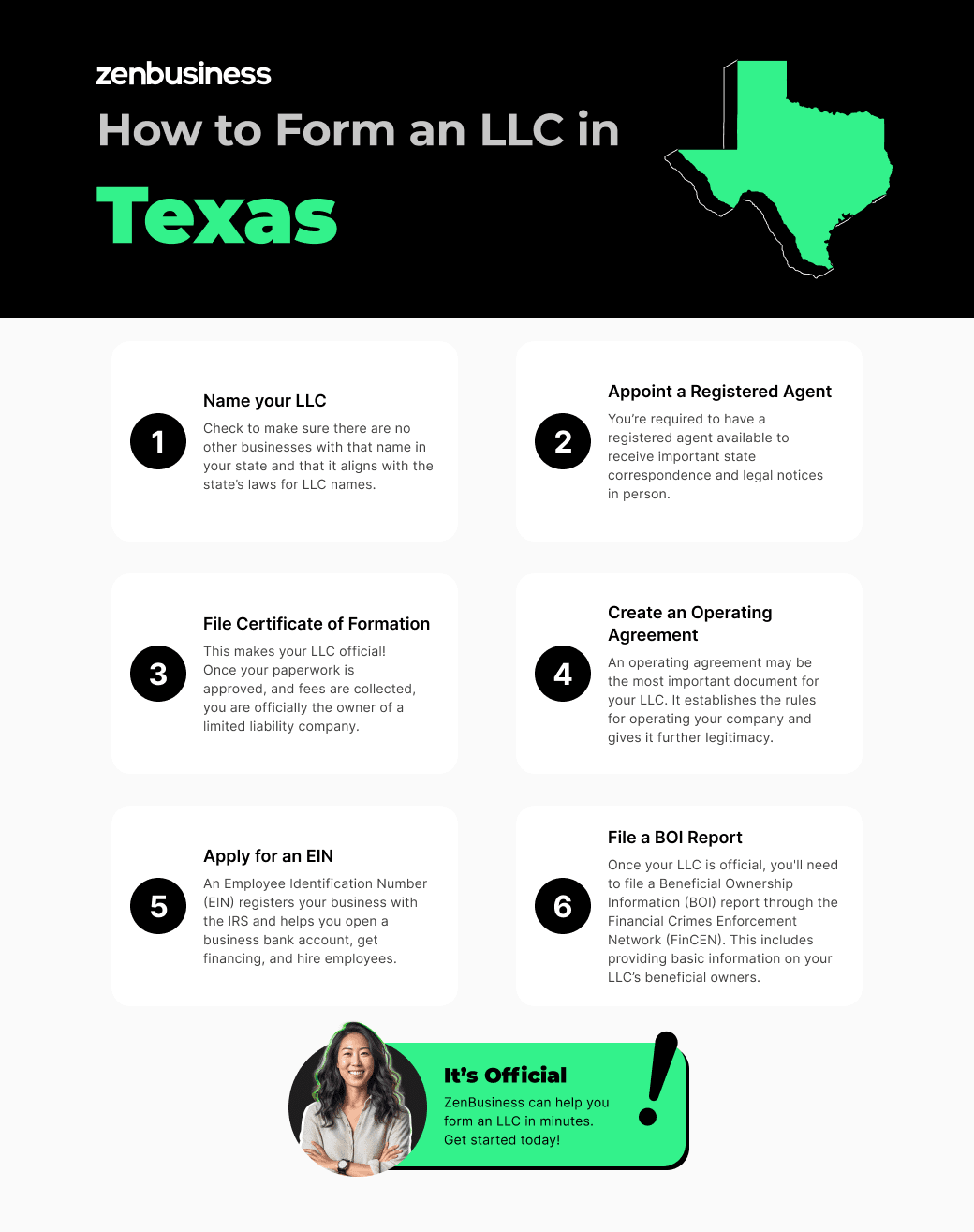
The allure of Texas extends far beyond its iconic landmarks and diverse attractions. From the bustling streets of Dallas and the historic charm of San Antonio to the artistic heart of Austin and the coastal breezes of Galveston, the state is a playground for businesses catering to every facet of lifestyle and tourism. Imagine designing bespoke travel itineraries that highlight the unique allure of the Texas Hill Country, or managing a portfolio of exquisite villas and resorts that redefine luxury stays. Perhaps your vision involves deep dives into local culture, guiding visitors through the culinary delights of Houston or the historical narratives embedded in the Alamo. Whatever your entrepreneurial dream, understanding the foundational steps of business formation in Texas is paramount.
An LLC is a popular choice for small businesses and startups due to its hybrid nature, blending the pass-through taxation of a partnership or sole proprietorship with the limited liability of a corporation. This means that the business’s debts and liabilities are generally separate from the owners’ personal assets, offering significant peace of mind. For those entering the competitive hospitality sector, perhaps managing boutique hotels in Austin or waterfront apartments in Corpus Christi, this protection is invaluable. Similarly, businesses focused on providing immersive tourism experiences, such as guided tours of the Big Bend National Park or historical explorations of Fort Worth, will benefit from this robust legal framework.
Understanding the Texas LLC Formation Process
Embarking on the journey of creating an LLC in Texas involves a series of deliberate steps, each designed to ensure your business is legally recognized and ready to operate. While the process is straightforward, attention to detail is key to a smooth and successful formation.
1. Choosing a Business Name: The Foundation of Your Brand
The first critical step is selecting a distinctive and available business name for your LLC. This name will serve as the cornerstone of your brand identity and will be what your customers, partners, and the state of Texas will use to identify your enterprise. For businesses operating within the travel and hospitality sphere, the name should ideally reflect your niche and appeal to your target audience. Think about names that evoke wanderlust for travel agencies, comfort and luxury for hotels, or authenticity for cultural tourism ventures.
When choosing your name, it must comply with Texas naming regulations. This means it needs to contain the words “Limited Liability Company” or the abbreviation “LLC” or “L.L.C.” Your chosen name also cannot be deceptively similar to existing business names registered in Texas. To ensure availability, you will need to conduct a thorough name search through the Texas Secretary of State website. This search is vital to avoid any potential conflicts or rejections during the filing process. It’s advisable to have a few backup names in mind, as your first choice might already be in use.
For instance, if you are planning to offer luxury villa rentals across the state, a name like “Texas Hideaways LLC” or “Lone Star Estates LLC” might be fitting. For a company specializing in guided eco-tours of the Texas coast, a name such as “Coastal Texas Adventures LLC” or “Gulf Breeze Expeditions LLC” could resonate well. This initial step is not just about legal compliance; it’s about crafting the first impression of your entrepreneurial venture.
2. Appointing a Registered Agent: Your Official Point of Contact
Every LLC in Texas is required to designate a registered agent. This individual or entity is responsible for receiving official legal documents, such as service of process, tax notices, and other legal correspondence on behalf of the LLC. The registered agent must have a physical street address within the state of Texas (a P.O. Box is not sufficient) and be available during normal business hours to accept these important documents.
You can choose to be your own registered agent if you meet these requirements and are comfortable with this responsibility. However, many businesses opt to hire a professional registered agent service. These services offer a dedicated business address, ensure timely receipt of all official mail, and provide a layer of privacy by keeping your personal address off public records. This is particularly beneficial if you are frequently traveling for your business, perhaps scouting new destinations or managing properties in different parts of Texas.
The role of a registered agent is critical for maintaining the legal standing of your LLC. Failure to have a registered agent or to keep their contact information current can lead to administrative dissolution of your company by the state. Therefore, selecting a reliable registered agent is a non-negotiable step in the formation process.
3. Filing the Certificate of Formation: The Official Birth of Your LLC
The core of your LLC formation process lies in filing the Certificate of Formation with the Texas Secretary of State. This document is the legal instrument that officially creates your Limited Liability Company. It’s often referred to as the Articles of Organization in other states, but in Texas, it’s the Certificate of Formation.
The Certificate of Formation requires specific information, including:
- The name of the LLC: The chosen and verified name, including the required suffix (LLC, L.L.C., or Limited Liability Company).
- The name and Texas street address of the registered agent: As discussed in the previous step.
- Management structure: Whether the LLC will be member-managed (owned and operated by its members) or manager-managed (managed by appointed managers, who may or may not be members). For many travel and hospitality businesses, a member-managed structure might be intuitive if the owners are actively involved in daily operations, while a manager-managed structure can provide more flexibility for larger operations or investment-backed ventures.
- The mailing address of the principal office: This is the primary business address where official records will be kept.
- The organizer’s name and address: This is the individual or entity that files the certificate.
You can file the Certificate of Formation online through the Texas Secretary of State website, by mail, or in person. Online filing is typically the fastest and most convenient method. There is a filing fee associated with this submission, which is subject to change, so it’s always best to check the most current fee schedule on the Secretary of State’s website. Once your Certificate of Formation is approved, your LLC is officially established in Texas.
Establishing Your Operational Framework
With your LLC legally formed, the next phase involves setting up the internal operational structure and ensuring you have the necessary credentials to conduct business. This stage is crucial for managing your business effectively and compliantly, especially in customer-facing industries like travel and hospitality.

1. Creating an Operating Agreement: The Internal Rulebook
While not a mandatory filing requirement with the state, an Operating Agreement is a critically important internal document for any LLC. This agreement outlines the ownership structure, operating procedures, and responsibilities of the members and managers. It essentially serves as the internal constitution of your LLC.
A well-drafted Operating Agreement should cover aspects such as:
- Member contributions: What each member contributes (capital, assets, or services) and their ownership percentages.
- Profit and loss distribution: How profits and losses will be allocated among members.
- Member and manager roles and responsibilities: Defining decision-making authority and operational duties.
- Procedures for admitting new members or for members leaving the LLC.
- Dissolution procedures: How the LLC will be dissolved if necessary.
For a travel agency, the agreement might detail how commissions are split or how booking disputes are handled. For a hotel management company, it could outline responsibilities for property maintenance, guest services, and financial oversight. Having a clear Operating Agreement can prevent future disputes among members and provides a solid foundation for growth and scalability, especially when expanding your offerings from local tours around Austin to multi-city Texas itineraries.
2. Obtaining an Employer Identification Number (EIN): For Tax Purposes
An Employer Identification Number (EIN), also known as a Federal Tax Identification Number, is issued by the Internal Revenue Service (IRS). You will need an EIN if your LLC plans to hire employees, operates as a corporation or partnership for tax purposes, or files certain tax returns. Even if you don’t plan to hire employees immediately, obtaining an EIN is often a good idea as it allows you to open a business bank account and separate your business finances from your personal finances, which is a key benefit of the LLC structure.
You can apply for an EIN for free directly through the IRS website. The application is straightforward and typically results in receiving your EIN immediately. This number is essential for all tax-related activities of your LLC.
3. Securing Necessary Licenses and Permits: Compliance is Key
Depending on the specific nature of your business and its location within Texas, you may need to obtain various federal, state, and local licenses and permits to operate legally. For travel and tourism businesses, this can include:
- State-specific seller’s permits: If you are selling tangible goods or certain services.
- Local business licenses: Most cities and counties require a general business license.
- Industry-specific permits: For example, if you operate a bed and breakfast, you might need health and safety permits. If your travel business involves arranging transportation, you may need to comply with specific regulations.
Researching the specific licensing requirements for your chosen business activities and locations is paramount. You can often find this information through the Texas Economic Development Corporation website, your local city or county government websites, or by consulting with a business attorney. Ensuring all your licenses and permits are up-to-date will keep your business in good standing and avoid potential penalties. For instance, a luxury resort located near San Antonio will have different permitting requirements than a small tour operator in the Texas Hill Country.
Maintaining Your Texas LLC: Ongoing Responsibilities
Forming your LLC is just the beginning of your entrepreneurial journey. To maintain your business’s good standing with the state and ensure continued operational success, there are ongoing responsibilities to consider. These include regular filings, tax compliance, and potential annual reports.
1. Annual Franchise Tax Reports: Texas’s Unique Requirement
Unlike many other states, Texas does not require LLCs to file annual reports. However, it does impose an annual franchise tax, which is a tax on certain businesses for the privilege of doing business in Texas. The franchise tax is levied by the Texas Comptroller of Public Accounts.
Many small businesses, including most LLCs, can qualify for a “no tax due” threshold, meaning they will not owe any franchise tax. However, they are still required to file a “No Tax Due Report” annually by the deadline, which is typically May 15th. Failing to file this report, even if no tax is due, can result in penalties. It is crucial to understand the specifics of the franchise tax and ensure your LLC meets its filing obligations. This requirement applies across all industries, whether you are running a chain of boutique hotels, offering adventure travel packages to Big Bend National Park, or managing a portfolio of vacation rentals in Galveston.
2. Keeping Business Records and Finances Separate
One of the primary benefits of an LLC is the separation of personal and business liabilities. To maintain this crucial distinction and ensure the legal protection offered by the LLC remains intact, it is vital to keep meticulous records and strictly separate your business finances from your personal finances. This means:
- Opening a dedicated business bank account: All business income and expenses should be processed through this account.
- Maintaining accurate bookkeeping: Keep detailed records of all transactions, invoices, and receipts.
- Avoiding commingling of funds: Never use your business account for personal expenses or vice versa.
This practice is essential for demonstrating to the state and the IRS that your LLC is a distinct legal entity. For businesses in the hospitality sector, this includes managing revenue from room bookings, restaurant sales, and event services separately from personal accounts. For tour operators, it means keeping track of booking revenues, guide fees, and operational costs distinctly. This disciplined approach to financial management is as important for a small family-run inn as it is for a large resort like the Omni Barton Creek Resort & Spa in Austin.
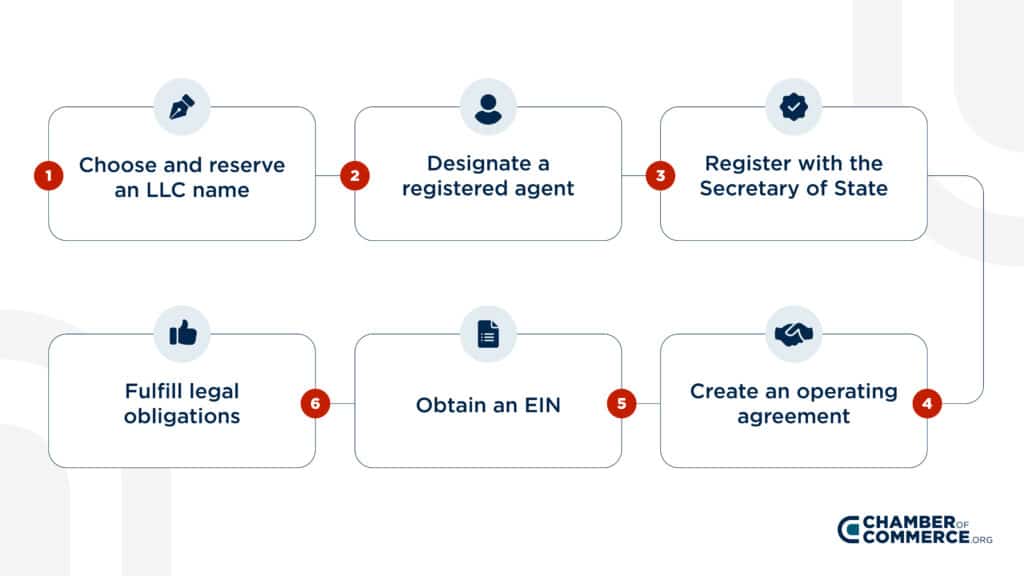
3. Staying Informed About Tax Obligations
Beyond the franchise tax, your LLC will have other tax obligations at the federal, state, and possibly local levels. This includes income tax (either as a pass-through entity or if elected to be taxed as a corporation), sales tax (if applicable), and employment taxes (if you have employees). Understanding and adhering to these tax laws is critical to avoiding penalties and legal issues.
Consider consulting with a qualified tax professional or accountant who specializes in small businesses in Texas. They can provide expert guidance on tax planning, filing requirements, and ensure your LLC remains compliant with all relevant tax regulations, allowing you to focus on growing your business and sharing the wonders of Texas with the world. Whether your focus is on luxury travel experiences, unique accommodation options, or immersive local tourism, a solid understanding of legal and financial compliance will pave the way for sustainable success in the vibrant Texas market.
LifeOutOfTheBox is a participant in the Amazon Services LLC Associates Program, an affiliate advertising program designed to provide a means for sites to earn advertising fees by advertising and linking to Amazon.com. Amazon, the Amazon logo, AmazonSupply, and the AmazonSupply logo are trademarks of Amazon.com, Inc. or its affiliates. As an Amazon Associate we earn affiliate commissions from qualifying purchases.