
Alaska, the Last Frontier, beckons travelers with its raw beauty, immense wilderness, and a unique phenomenon profoundly impacting any visit: its extraordinary relationship with daylight and darkness. Unlike most places on Earth, the timing of sunset and sunrise in Alaska is not merely a daily occurrence but a dramatic seasonal spectacle, ranging from endless summer days to profound winter twilight. Understanding these dynamic light cycles is paramount for anyone planning an Alaskan adventure, as it dictates everything from activity planning and packing essentials to the very rhythm of life in this vast, northern land. For travelers, knowing when darkness descends – or if it ever truly does – can transform a good trip into an unforgettable journey tailored to the unique luminosity of the 49th state.
The Science of Alaska’s Unique Daylight
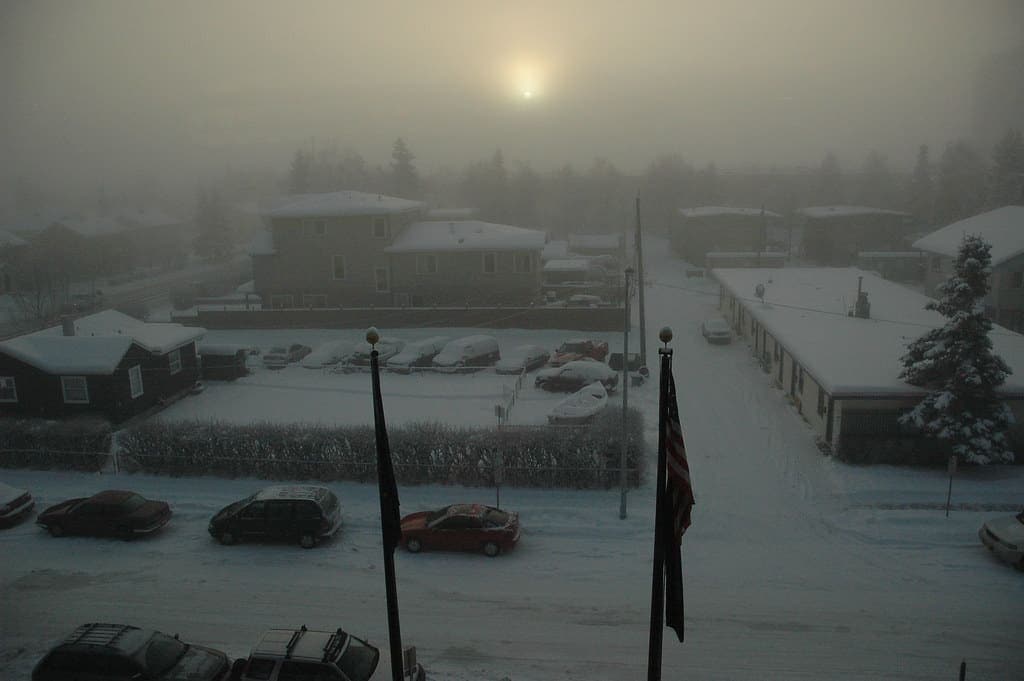
Alaska’s position on the globe fundamentally dictates its extreme variations in daylight. Situated at high latitudes, the state is profoundly influenced by the Earth’s axial tilt, which causes different parts of the planet to receive varying amounts of sunlight throughout the year.
Latitudinal Extremes and the Arctic Circle
Much of Alaska lies above the 60th parallel north, and a significant portion extends beyond the Arctic Circle (approximately 66.5 degrees North latitude). This geographical placement is the primary reason for the state’s iconic “midnight sun” in summer and the equally famous “polar night” in winter. Above the Arctic Circle, the sun either remains continuously above the horizon for days or weeks during summer or stays continuously below the horizon during winter. For travelers, this means a visit in June might involve fishing at midnight under broad daylight, while a December trip could mean enjoying the serene glow of twilight for just a few hours around noon.
Solstices and Equinoxes: Key Dates for Travelers
The Earth’s orbit around the sun, combined with its axial tilt, marks specific dates that highlight Alaska’s extreme light variations:
- Summer Solstice (around June 21st): This marks the longest day of the year. In locations far north, such as Utqiagvik (formerly Barrow), the sun might not set for nearly 80 consecutive days. Even in southern cities like Anchorage, daylight can extend for over 19 hours, with twilight lingering for much of the “night.”
- Winter Solstice (around December 21st): This is the shortest day of the year. North of the Arctic Circle, the sun will not rise at all for many weeks. Even in Fairbanks, which is below the Arctic Circle but still quite far north, daylight might last for just 3-4 hours, with the rest of the day immersed in a prolonged twilight.
- Equinoxes (around March 20th and September 22nd): During the spring and autumn equinoxes, day and night are roughly equal in length across most of the globe, including Alaska. These periods serve as transitional phases, offering a more balanced light cycle before the summer’s endless days or winter’s long nights take hold. For aurora enthusiasts, the equinoxes are often considered prime viewing times as the Earth’s magnetic field aligns favorably with solar winds.
Regional Variations Across the 49th State
It’s crucial to understand that Alaska’s vastness means daylight hours can differ significantly from one region to another. A traveler in Juneau, the state capital located in Southeast Alaska, will experience different light patterns than someone exploring the Arctic coastline.
For instance, during the summer solstice:
- In Utqiagvik, the sun is continuously visible for nearly three months.
- In Fairbanks, daylight lasts for about 21 hours, with a few hours of civil twilight.
- In Anchorage, daylight stretches for approximately 19.5 hours, with continuous twilight.
- In Juneau, daylight is around 18 hours, followed by several hours of twilight.
Conversely, during the winter solstice:
- Utqiagvik experiences about 65 days of polar night, where the sun does not rise above the horizon.
- Fairbanks sees roughly 3.5 hours of weak daylight.
- Anchorage enjoys about 5.5 hours of daylight.
- Juneau receives around 6.5 hours of daylight.
These regional disparities emphasize the importance of researching specific locations when planning an Alaskan trip, as the timing of darkness is a key factor in the overall travel experience.
Seasonal Breakdown of Darkness and Daylight for Travelers
The interplay of light and darkness defines the Alaskan experience, shaping everything from flora and fauna behavior to human activities. Travelers must align their expectations and itineraries with these seasonal shifts.
Summer (June, July, August): The Land of the Midnight Sun
Summer in Alaska is a season of seemingly endless daylight, where the sun might dip below the horizon only briefly, or not at all, in northern regions. This phenomenon, known as the “midnight sun,” invigorates the landscape and its inhabitants.
- Impact on Activities: Extended daylight hours mean more time for outdoor adventures. Travelers can hike in Denali National Park well into the evening, embark on late-night fishing excursions on the Kenai River, or enjoy wildlife cruises near Seward or Whittier with ample visibility. The constant light energizes communities, with festivals and outdoor events often running late.
- Practical Tips: While exhilarating, continuous daylight can disrupt sleep patterns. Packing an eye mask is essential, and choosing accommodations with good blackout curtains can be a lifesaver. Travelers should also be mindful of pacing themselves, as the body’s natural clock can be easily fooled into thinking it’s always daytime.
Autumn (September, October, November): A Transition of Light
As summer fades, daylight hours rapidly diminish, especially from mid-September onwards. This transition ushers in a season of breathtaking beauty and the return of significant darkness.
- Aurora Viewing: With darkness returning, autumn becomes an excellent time to witness the spectacular Northern Lights. The crisp, clear nights, especially in interior Alaska around Fairbanks or near Chena Hot Springs, provide optimal conditions for aurora hunters.
- Fall Foliage: The dwindling light also coincides with vibrant fall foliage, painting the landscapes in hues of gold, red, and orange before the snow arrives. This provides a dramatic backdrop for scenic drives and photography.
- Preparing for Shorter Days: Travelers should adjust their schedules to accommodate fewer daylight hours, planning outdoor activities earlier in the day and reserving evenings for aurora viewing or indoor experiences.
Winter (December, January, February): The Polar Night and Early Sunsets
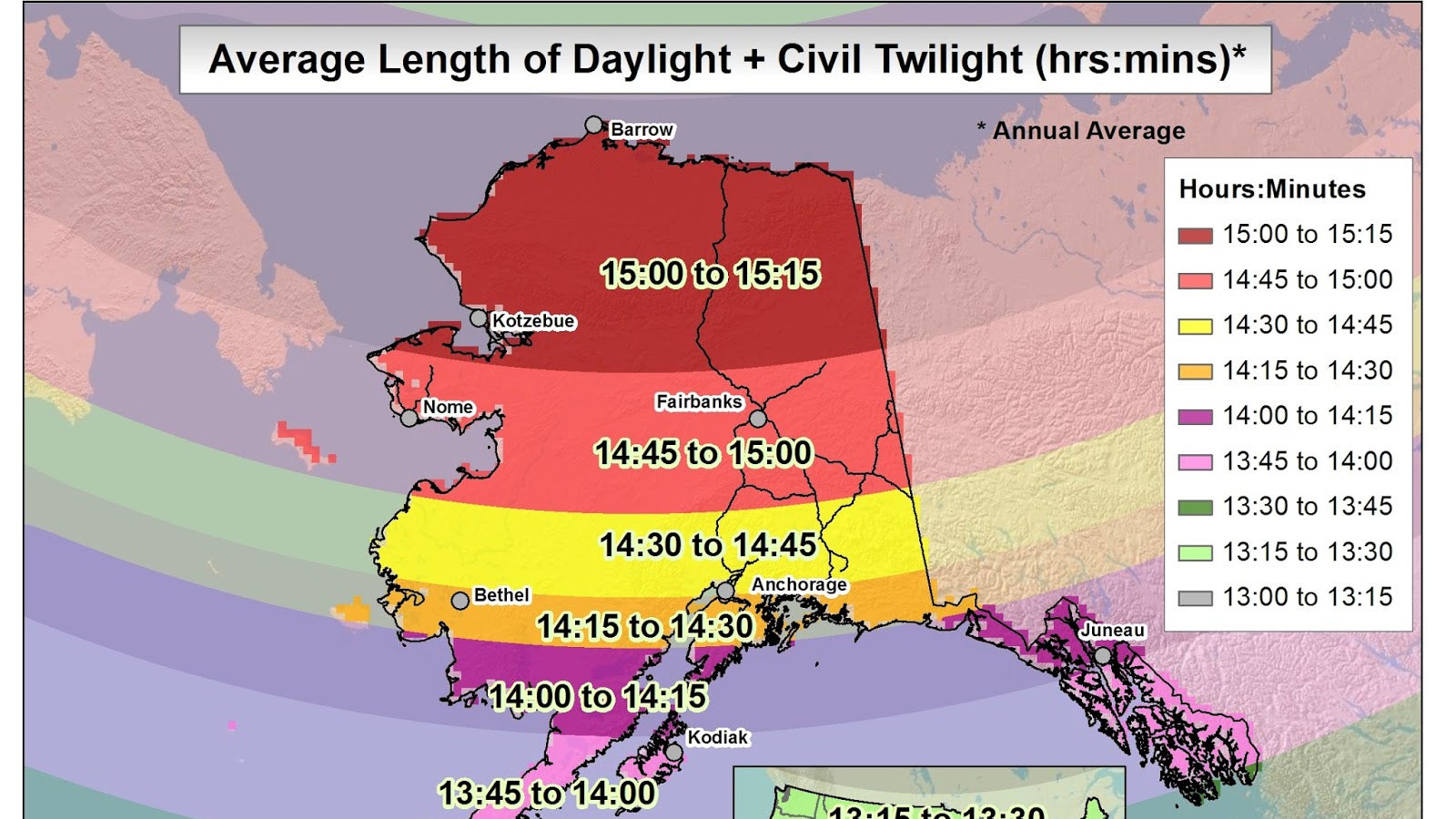
Winter transforms Alaska into a serene, snow-covered wonderland characterized by short days and long, dark nights, particularly in the far north where the sun may not rise for weeks.
- Focus on Winter Activities: Despite the limited daylight, winter offers unique adventures. Dog sledding, cross-country skiing, snowshoeing, ice fishing, and ice carving festivals become popular. The extended darkness creates ideal conditions for continuous Northern Lights viewing opportunities. Cities like Nome and Kodiak, while not in total darkness, experience very abbreviated daylight periods, making planned activities crucial.
- Unique Winter Light: Even when the sun doesn’t fully rise, the quality of winter light is ethereal. The low angle of the sun creates long, soft shadows and paints the snowy landscapes in gentle pastels, often referred to as “arctic twilight.” This subdued light is a photographer’s dream and lends a magical, introspective quality to the Alaskan winter.
Spring (March, April, May): The Awakening of Daylight
Spring in Alaska is a season of rapid change, marked by the dramatic return of daylight. As the days lengthen, the snow begins to melt, and the land gradually awakens.
- Increasing Light: The increase in daylight is surprisingly swift, with several minutes added each day. By May, many parts of Alaska are experiencing extensive daylight, nearing summer levels.
- Wildlife and Melt: This period is ideal for witnessing wildlife emerging from hibernation and migratory birds returning. The breaking up of river ice and the warming temperatures offer new perspectives on the landscape.
- Shoulder Season Benefits: Early spring (March/April) can still offer good opportunities for aurora viewing as darkness persists long enough, combined with the onset of milder temperatures. It’s a shoulder season that blends winter activities with the promise of summer, often with fewer crowds.
Planning Your Alaskan Adventure Around Daylight
Strategic planning around Alaska’s daylight cycles is the key to a fulfilling travel experience. Each season offers distinct opportunities that are directly influenced by the sun’s presence or absence.
Maximizing Your Trip: Activities for Every Season
- Summer (Endless Light): This is prime time for extensive outdoor exploration. Think multi-day backpacking trips, glacier hikes, kayaking, wildlife viewing tours, and fishing expeditions. Destinations like Denali National Park for wildlife viewing or coastal towns for marine adventures truly shine.
- Winter (Profound Darkness): Embrace the magic of the long nights. Focus on dog sledding, snowmobiling, ice skating, and especially aurora hunting. Alyeska Resort near Anchorage offers skiing with spectacular mountain views, while interior locations like Fairbanks are renowned for their aurora visibility.
- Shoulder Seasons (Spring & Fall): These offer a blend of experiences. Early fall is ideal for seeing the Northern Lights alongside vibrant fall colors. Spring allows for some late-season snow sports while witnessing the landscape come to life. These seasons often mean fewer tourists and potentially better deals.
Essential Packing and Preparation
Beyond standard travel gear, specific items are crucial for an Alaskan trip influenced by its unique light cycles:
- Eye Masks and Blackout Curtains: Non-negotiable for summer travel to ensure restful sleep. Many accommodations provide them, but a personal eye mask is always a good backup.
- Headlamps/Torches: Essential for winter travel, providing personal light during the long periods of darkness.
- Layered Clothing: Alaska’s weather can change rapidly, regardless of the season. Layers are always the answer, allowing adaptation to temperature fluctuations and varying light conditions.
- Camera Gear: For summer, wide-angle lenses for landscapes and polarizing filters to manage bright light. For winter, fast lenses, a sturdy tripod, and extra batteries are vital for capturing the aurora in low light conditions.
- Mental Preparation: Be prepared for potential disruptions to your sleep schedule, especially in summer. Adjusting expectations and embracing the unique light conditions as part of the adventure will enhance the experience.
Embracing the Alaskan Rhythm
Ultimately, traveling to Alaska is about immersing yourself in a destination where nature sets the pace. The timing of darkness, or the lack thereof, isn’t just a logistical detail; it’s a fundamental aspect of the Alaskan identity. Travelers who approach their trip with flexibility, a sense of wonder, and a readiness to adapt to the natural rhythm of light and shadow will find their experience enriched. Whether it’s hiking under a late-setting sun or witnessing the aurora dance across a pitch-black sky, Alaska’s light cycles offer profound and unique perspectives that few other places on Earth can match.
Myth vs. Reality: Debunking Alaska Daylight Misconceptions
Alaska’s extreme light conditions often give rise to common misconceptions. Dispelling these myths can help travelers set realistic expectations.
“24 Hours of Darkness Everywhere in Winter?”
This is a common oversimplification. While areas above the Arctic Circle, like Utqiagvik, do experience weeks of “polar night” where the sun doesn’t rise, most of Alaska still sees some daylight, even in the depths of winter. Cities like Anchorage and [Juneau](https://lifeoutofthebox.com/juneau] experience several hours of daylight, albeit brief. Even during polar night, it’s not absolute blackness; there’s often a period of twilight at midday, casting an ethereal glow over the landscape.
“No Sleep During Summer?”
While challenging, it’s certainly possible to sleep in Alaska during the summer. Alaskans have adapted with blackout curtains, eye masks, and routines. Travelers will find that most accommodations are equipped to handle the bright nights. The initial adjustment might be tricky, but the excitement of endless daylight often outweighs the minor inconvenience.
“The Sun Never Sets/Rises at All?”
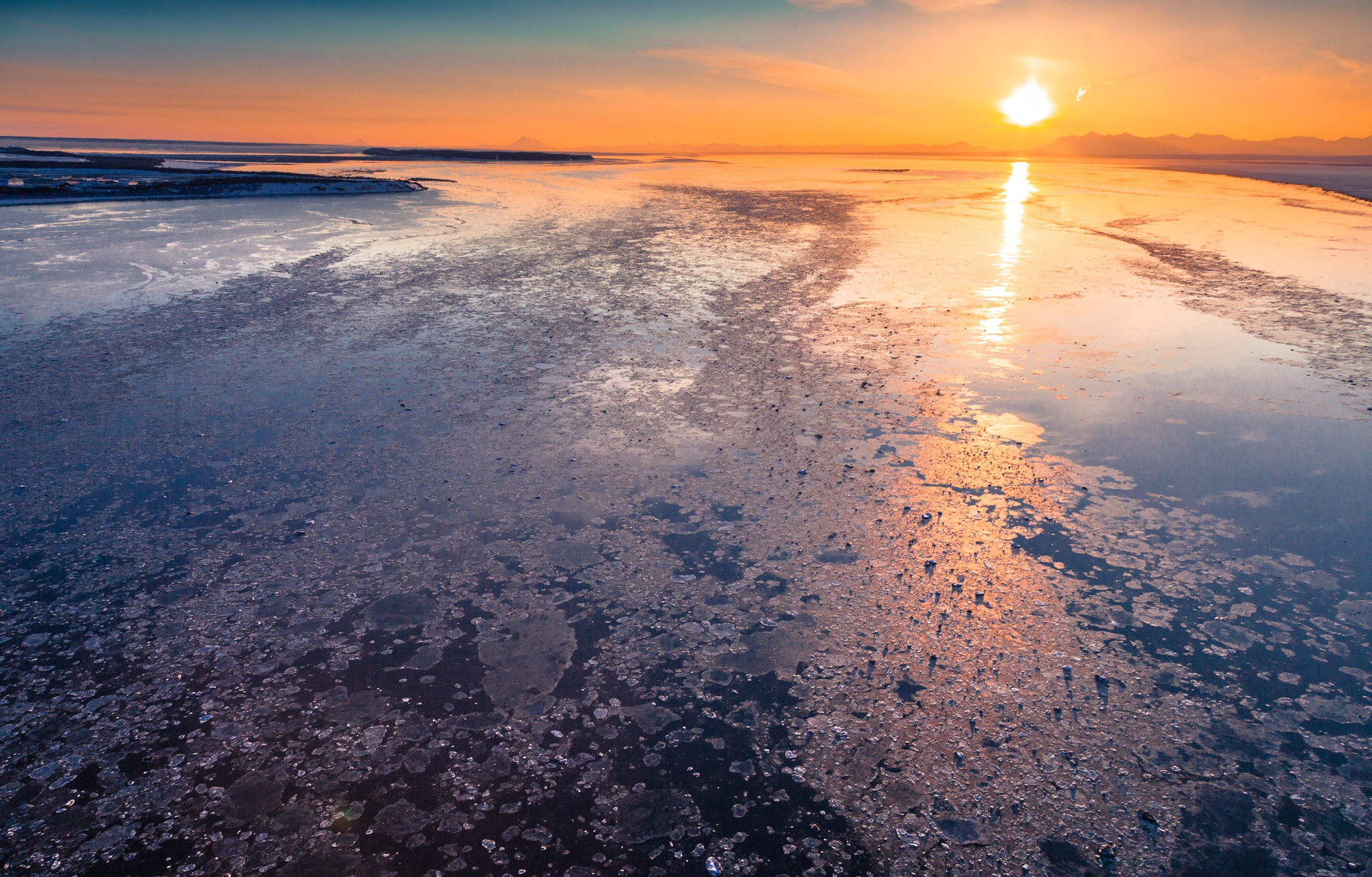
Even in regions experiencing 24-hour daylight or darkness, there are still subtle shifts in light quality corresponding to the sun’s position relative to the horizon. In continuous daylight, the sun moves in a low circle, creating prolonged twilight-like conditions rather than an intense high noon constantly. During continuous darkness, the sky still undergoes phases of astronomical, nautical, and civil twilight, meaning there’s rarely true, absolute blackness for the entire 24-hour period. These subtle shifts create dynamic and often stunning visual effects, particularly in the snowy winter landscape.
The timing of darkness in Alaska is not merely a seasonal detail; it is a fundamental element that shapes the very essence of the Alaskan experience. From the invigorating energy of summer’s endless days to the profound tranquility of winter’s prolonged nights, the state’s unique relationship with light and shadow offers unparalleled opportunities for adventure, reflection, and appreciation of the natural world. By understanding and embracing these dramatic light cycles, travelers can expertly plan their itineraries, prepare appropriately, and immerse themselves fully in the wild, captivating rhythm of the Last Frontier.
LifeOutOfTheBox is a participant in the Amazon Services LLC Associates Program, an affiliate advertising program designed to provide a means for sites to earn advertising fees by advertising and linking to Amazon.com. Amazon, the Amazon logo, AmazonSupply, and the AmazonSupply logo are trademarks of Amazon.com, Inc. or its affiliates. As an Amazon Associate we earn affiliate commissions from qualifying purchases.