
Navigating the extensive highway system of California can be a complex endeavor, especially for those unfamiliar with its nuances. Among the many routes crisscrossing the state, State Route 73, often simply referred to as the 73, frequently raises questions among drivers. The short answer to whether California 73 is a toll road is a resounding yes. It is an integral part of Southern California’s network of toll roads, designed to offer a faster, less congested alternative to free public highways. For travelers, commuters, and anyone planning to traverse the scenic Orange County landscape, understanding the specifics of the 73 Toll Road is crucial for a smooth and penalty-free journey.
This article delves deep into the characteristics of State Route 73, providing a comprehensive guide for drivers. We will explore its role within the broader transportation infrastructure, detail the payment mechanisms, weigh the benefits against the costs, and offer practical advice for incorporating it into your travel plans. Whether you’re visiting the pristine beaches of Newport Beach and Laguna Beach, commuting to business hubs in Irvine, or simply passing through, knowing how to navigate this particular thoroughfare will enhance your travel experience and potentially save you valuable time.
Understanding California’s Toll Roads: The SR 73 Context
The existence of toll roads in California is a response to the state’s ever-growing population and the resultant traffic congestion, particularly in metropolitan areas like Orange County. These roads are privately or semi-privately managed and funded, offering drivers a premium option for bypassing often gridlocked freeways. State Route 73 stands as a prime example of this model, serving a vital corridor through some of the region’s busiest areas.
What is State Route 73?
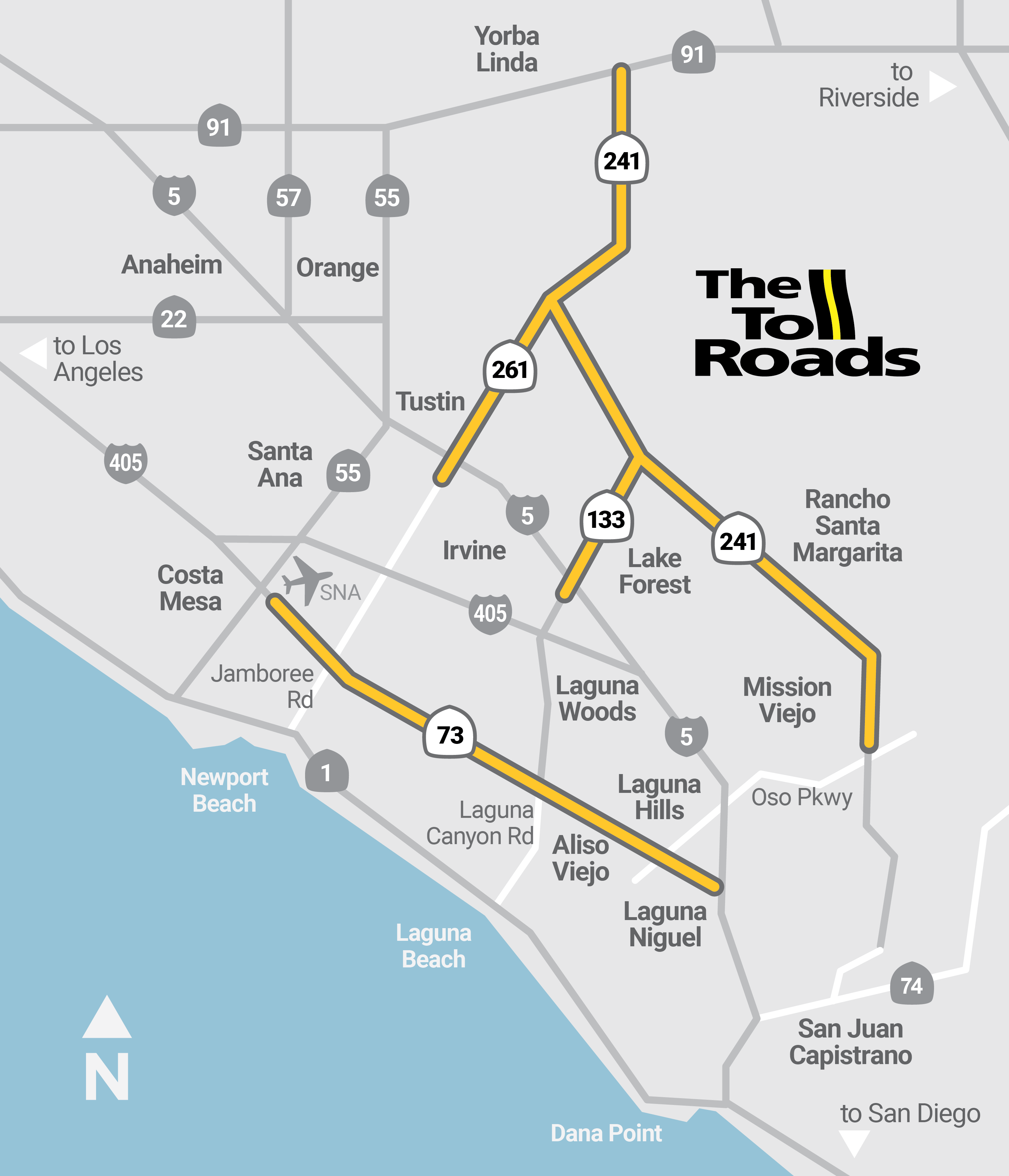
Officially known as the San Joaquin Hills Transportation Corridor, State Route 73 is a 17.7-mile-long controlled-access highway in Orange County. It operates under the stewardship of the Transportation Corridor Agencies (TCA), a joint powers authority responsible for planning, financing, constructing, and operating Orange County’s toll road network. The primary purpose of the 73 is to relieve congestion on parallel free routes such as Interstate 5 and Interstate 405, offering a quicker and more predictable journey for those willing to pay a fee. It provides a direct route for travelers commuting between the southern part of the county and the central business districts, bypassing much of the urban sprawl.
Geographical Significance
The 73 Toll Road traverses a significant portion of Orange County, connecting key communities and commercial centers. Its southern terminus is near San Juan Capistrano, where it intersects with Interstate 5. From there, it extends northward through the scenic San Joaquin Hills, passing through or providing access to affluent communities and major employment hubs like Laguna Niguel, Aliso Viejo, Laguna Woods, and most notably, Irvine. Its northern end seamlessly merges into Interstate 405 in Costa Mesa, near the John Wayne Airport.
This strategic placement makes the 73 an invaluable artery for accessing the coastal cities like Laguna Beach and Newport Beach from inland areas, or for quick north-south transit within Orange County without the typical stop-and-go traffic associated with its free counterparts. Its path through the San Joaquin Hills also offers some picturesque views, making it a more pleasant driving experience compared to the concrete jungles of other freeways.
Navigating the 73 Toll Road: Payment and Usage
Understanding how to pay for tolls on State Route 73 is paramount for any driver, as California’s toll roads have moved entirely to electronic tolling. There are no traditional toll booths where you can stop and pay with cash. This cashless system requires drivers to either have an electronic transponder or make one-time payments online.
Toll Payment Systems
The primary method for paying tolls on the 73 and other California toll roads is through FasTrak. FasTrak is an electronic toll collection system that uses a transponder mounted on your vehicle’s windshield. As you drive through a toll point, the transponder communicates with an overhead reader, and the toll is automatically deducted from your pre-funded account. This system offers the lowest toll rates and the most convenience for frequent users.
For those who do not have a FasTrak transponder, several other options are available:
- ExpressAccount: This is an account-based system for infrequent users. You can open an ExpressAccount online and link it to your license plate and a payment method (credit card). The system identifies your vehicle by license plate and charges your account.
- One-Time Payment: For visitors or those making a rare trip on the 73, a one-time payment option is available. You can pay your toll online up to 5 days before or within 5 days after your trip. This requires knowing your entry and exit points and your license plate number. It’s crucial to remember this timeframe, as exceeding it will result in penalties.
- A Carpool Account: For vehicles with 2 or more occupants, specific sections of State Route 73 may offer reduced rates or even free passage during certain hours, provided you have a switchable FasTrak Flex transponder. This promotes carpooling and helps alleviate congestion.
Avoiding Penalties and Understanding Fees
The electronic nature of California’s toll roads means that non-payment is quickly detected. If a vehicle passes through a toll point without a valid FasTrak account or an arranged one-time payment, the system captures an image of the license plate. The registered owner will then receive a “Notice of Toll Evasion Violation” in the mail. This notice includes the original toll amount, plus a penalty fee. If the initial notice is ignored, the penalty can escalate significantly, potentially leading to vehicle registration holds.
It is imperative for travelers, especially those renting cars, to understand their obligations. Rental car companies often have their own toll programs, which may involve additional service fees on top of the toll charges. It’s advisable to check with your rental agency beforehand or ensure you make timely one-time payments yourself. For any driver, proactively managing toll payments within the designated timeframe is the best way to avoid unnecessary fines and stress.
Entry and Exit Points
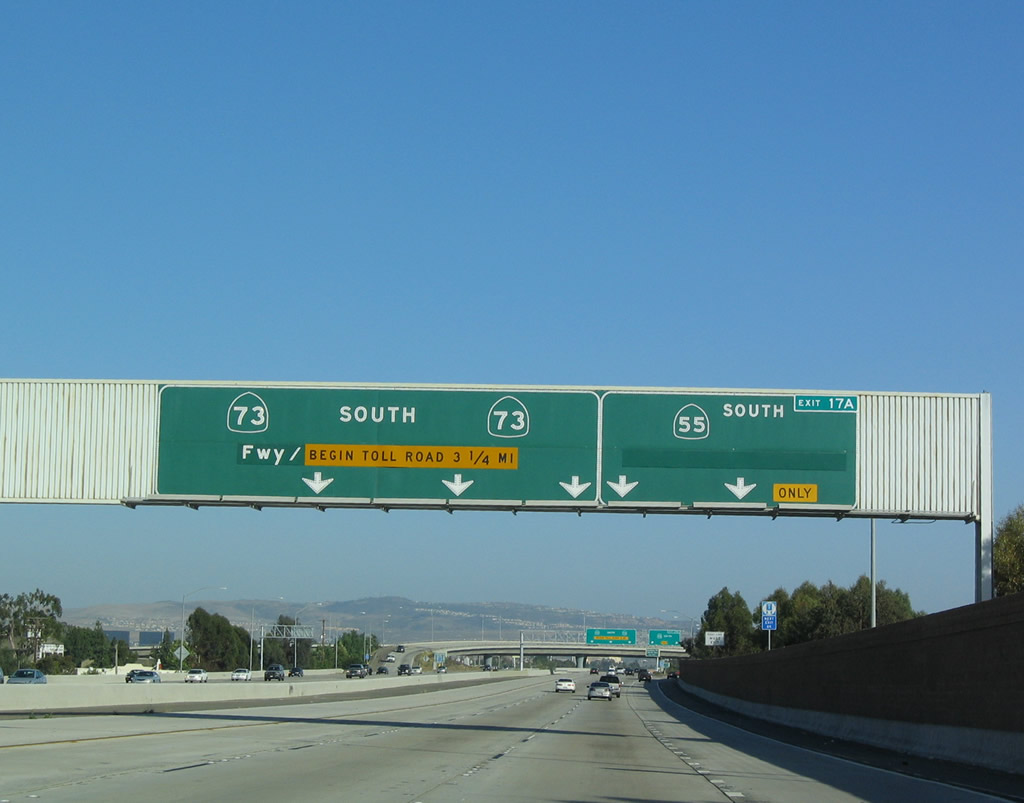
The 73 Toll Road features a series of electronic toll gantries strategically placed along the route, rather than traditional physical toll booths at every entrance and exit. These gantries automatically detect vehicles and process tolls. Drivers typically incur tolls based on the distance traveled on the corridor. The further you drive on the 73, the higher the toll. Specific entry and exit points, such as those connecting to MacArthur Boulevard in Irvine or Crown Valley Parkway in Laguna Niguel, will have associated toll rates depending on your origin and destination along the corridor. It’s always best to check the official Transportation Corridor Agencies website for the most up-to-date toll rate information and maps.
The Benefits and Considerations of Using SR 73
Deciding whether to take a toll road like State Route 73 often comes down to a trade-off between time, convenience, and cost. For many, the benefits outweigh the expense, particularly during peak travel times in Southern California.
Time Savings and Convenience
The most significant advantage of using the 73 Toll Road is the considerable time savings it offers. By bypassing heavily congested stretches of Interstate 5 and Interstate 405, drivers can often cut their travel time significantly, especially during rush hour. For business travelers or those with tight schedules, this can be invaluable. The uninterrupted flow of traffic on the 73 provides a more predictable journey, reducing the stress and frustration associated with stop-and-go driving. This convenience extends to general accessibility, as the 73 provides a direct and efficient link across the heart of Orange County.
Scenic Routes and Accessibility
Beyond mere speed, the 73 offers a more aesthetically pleasing drive. Winding through the San Joaquin Hills, the corridor provides glimpses of the natural landscape and distant ocean views, particularly as it approaches the coastal areas. This can transform a mundane commute into a more enjoyable part of the journey. For tourists, the 73 serves as an excellent gateway to the charming beach towns of Newport Beach, Laguna Beach, Corona del Mar, and Dana Point, making access to these popular destinations quicker and more direct from inland Orange County or even areas further north like Los Angeles.
Cost-Benefit Analysis for Travelers
While the time and convenience benefits are clear, the cost is a definite consideration. Toll rates on the 73 vary depending on the entry and exit points and whether you use FasTrak or a one-time payment. For a full-length journey, tolls can add up, especially for regular commuters. Travelers need to weigh the monetary cost against the value of their time saved and the reduced stress.
For example, if you are heading to a flight at John Wayne Airport and running late, paying the toll on the 73 could easily be worth it. Similarly, if you are on a vacation and want to maximize your time exploring Laguna Beach rather than sitting in traffic, the toll can be a worthwhile investment in your travel experience. However, for budget-conscious travelers with flexible schedules, utilizing the free alternatives like I-5 or I-405, even if slower, might be the preferred option. Always check current toll rates on the official Transportation Corridor Agencies website to make an informed decision for your specific trip.
Planning Your Journey: Tips for Travelers
For a seamless travel experience involving State Route 73, a bit of foresight and planning can go a long way. Being prepared ensures you avoid unexpected charges and make the most efficient travel decisions.
Pre-Trip Preparation
Before you embark on your journey, especially if it involves driving through Orange County, consider these steps:
- Check Toll Rates: Visit the official website of the Transportation Corridor Agencies (TheTollRoads.com) to view current toll rates. This will help you budget for your trip and decide if the 73 is the right choice for your itinerary.
- Account Setup: If you anticipate frequent travel on toll roads in California, setting up a FasTrak account is highly recommended. For occasional use, register for an ExpressAccount or be ready to make a one-time payment online within the 5-day window.
- GPS/Navigation Settings: Many modern GPS systems and navigation apps (like Google Maps or Waze) allow you to select preferences, such as “avoid tolls.” Make sure your settings align with your intentions for using or avoiding the 73. If you opt for “avoid tolls,” be aware that your route might be longer or more congested.
Alternative Routes
While the 73 offers a premium, faster option, it’s not the only way to get around Orange County. Free alternatives include:
- Interstate 5 (I-5): This major interstate runs parallel to the 73 for much of its length, connecting San Diego to Los Angeles and beyond. It can be significantly slower, particularly during peak hours, but it is free.
- Interstate 405 (I-405): The 405 is another critical north-south artery that runs adjacent to the northern section of the 73. Like the I-5, it is prone to heavy traffic but offers a no-cost option.
- Local Streets: Depending on your specific origin and destination, a combination of local streets might serve as a viable, albeit slower, alternative. Using navigation apps can help you identify the most efficient free route for your journey.
Choosing an alternative often boils down to your priorities: saving money versus saving time. For leisure travelers exploring the area without time constraints, the free routes might be perfectly acceptable. For those on a schedule, the 73 becomes a much more attractive proposition.

Future Developments and Road Updates
The Transportation Corridor Agencies continuously monitor traffic patterns and assess infrastructure needs. While major changes to the 73 corridor are not frequent, minor updates to toll rates, payment systems, or capacity enhancements can occur. It’s always a good practice to check the official Transportation Corridor Agencies website for any advisories or news relevant to the 73, especially before long trips or during specific events that might impact traffic in Orange County. Staying informed ensures a smoother, more predictable journey every time.
In conclusion, California’s State Route 73 is indeed a toll road, offering a valuable option for drivers seeking to minimize travel time and avoid congestion in bustling Orange County. By understanding its payment systems, weighing its benefits against the costs, and planning your journey effectively, you can leverage this vital piece of infrastructure to enhance your travel experience across Southern California.
LifeOutOfTheBox is a participant in the Amazon Services LLC Associates Program, an affiliate advertising program designed to provide a means for sites to earn advertising fees by advertising and linking to Amazon.com. Amazon, the Amazon logo, AmazonSupply, and the AmazonSupply logo are trademarks of Amazon.com, Inc. or its affiliates. As an Amazon Associate we earn affiliate commissions from qualifying purchases.