
Texas, a state renowned for its vast landscapes, rich history, and a unique blend of Southern charm and Western grit, has long been a magnet for those seeking a new beginning or a change of pace. Whether you’re drawn by the thriving job markets in cities like Houston or Dallas, the allure of a lower cost of living, or simply the promise of wide-open spaces, establishing residency in the Lone Star State is a significant step. This comprehensive guide will walk you through the essential requirements and considerations for officially becoming a Texan, drawing upon the diverse aspects of travel, accommodation, tourism, lifestyle, and landmark exploration that make Texas so appealing.
Moving to a new state involves more than just packing your belongings and updating your address. It requires understanding and fulfilling the legal and practical necessities to be recognized as a resident. For Texas, this process is designed to be straightforward, yet it’s crucial to approach it with clarity and diligence. From securing a place to call home to demonstrating your commitment to the state, every step contributes to your successful transition.
This article will delve into the core elements of establishing residency, covering the legal frameworks, the practical aspects of settling in, and how the very essence of Texas – its culture, attractions, and lifestyle opportunities – can be integrated into your residency journey. We will explore how choosing the right accommodation, experiencing the local tourism, and even visiting its iconic landmarks can solidify your connection to the state and fulfill residency requirements.
Understanding the Legal Framework for Texas Residency
To officially establish residency in Texas, you must meet specific legal criteria defined by the state. These requirements are primarily focused on demonstrating your intent to make Texas your permanent home. While Texas does not have a mandatory waiting period for establishing residency for general purposes, certain benefits, such as in-state tuition for state universities or eligibility for certain state programs, may have their own specific timeframes or additional requirements.
Demonstrating Intent to Reside
The cornerstone of establishing residency in Texas is proving your intent to reside permanently. This is not solely about physical presence, but also about demonstrating a clear commitment to making Texas your home. Several key actions can serve as evidence of this intent:
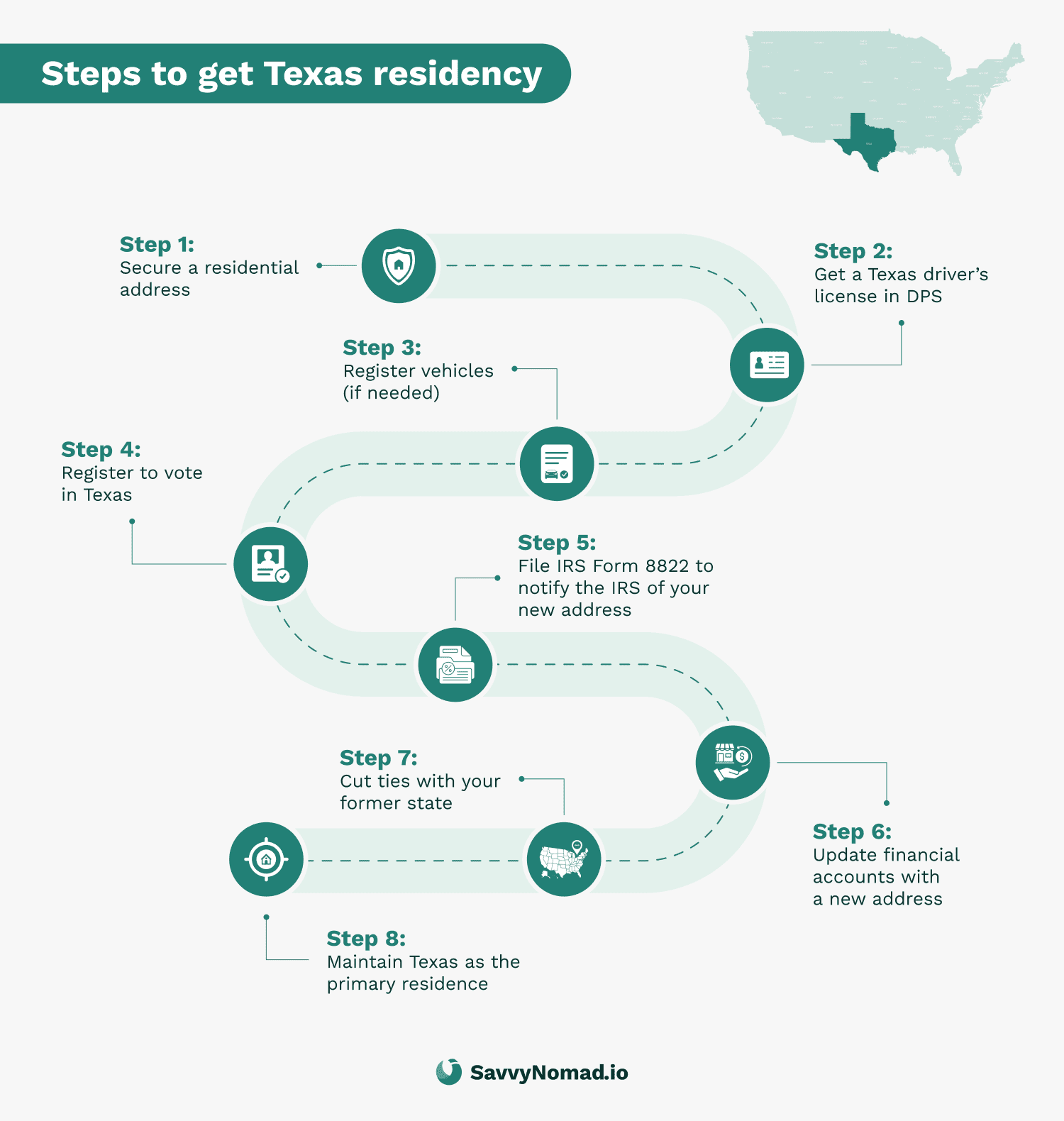
- Obtaining a Texas Driver’s License or Texas Identification Card: This is often the most immediate and tangible proof of residency. To obtain a Texas driver’s license, you will typically need to provide proof of identity, Social Security number, and evidence of your Texas address. This could include utility bills, lease agreements, or bank statements. This is a critical step as it officially registers you as a resident with the state’s Department of Public Safety.
- Registering to Vote in Texas: Registering to vote is a powerful declaration of your commitment to the state’s civic life. You must be a resident of Texas to register, and your voter registration card serves as strong documentation of your residency. This action aligns with the lifestyle aspect of becoming a part of the community.
- Establishing a Texas Bank Account: Opening an account with a Texas bank, with your Texas address on file, further solidifies your ties to the state. This is a practical step that reflects your integration into the local economy.
- Filing for Texas Homestead Exemption (if applicable): For homeowners, filing for a homestead exemption with your local county appraisal district is a significant indicator of residency and intent to remain permanently. This exemption can also offer property tax benefits.
Physical Presence vs. Legal Domicile
It’s important to distinguish between physical presence and legal domicile. While you must physically reside in Texas for a period to establish residency, legal domicile refers to your permanent home, the place you intend to return to even when you are temporarily absent. The state’s laws generally consider your domicile to be in Texas if you have established a fixed habitation in the state and intend to make it your permanent residence. This means that even if you travel extensively for leisure or business, as long as your permanent home and intentions lie with Texas, you can maintain your residency. This is where the “Travel” aspect of the website’s themes becomes relevant – your travels should originate from and return to your Texas domicile.
Practical Steps to Settling In and Embracing Texas Life
Beyond the legalities, truly establishing yourself in Texas involves immersing yourself in the state’s vibrant culture, finding suitable accommodation, and exploring its diverse attractions. These practical steps not only aid in fulfilling residency requirements but also enrich your experience of becoming a Texan.
Finding Your Perfect Texas Abode

The choice of accommodation is a fundamental aspect of settling into any new place, and Texas offers a wide spectrum of options to suit every preference and budget. Whether you are looking for a luxurious resort experience, a practical long-term stay in an apartment, or the exclusivity of a private villa, the state has it all. The “Accommodation” and “Hotels” sections of our website provide extensive resources for finding your ideal home away from home, or in this case, your permanent home.
- Long-Term Stays: For those intending to establish residency, long-term stays in apartments, extended-stay hotels, or even furnished rentals become a primary consideration. Websites like ours offer comparison tools and reviews to help you find apartments in cities like Austin or San Antonio that offer amenities conducive to a comfortable and settled life. Look for places with good access to transportation, local amenities, and a sense of community.
- Resorts and Villas: While not typically considered permanent residences, exploring Texas resorts like those in the Texas Hill Country or luxurious villas can provide a taste of the state’s upscale lifestyle. This can be part of your initial exploration phase, helping you identify areas or neighborhoods that resonate with your desired lifestyle, aligning with the “Luxury Travel” and “Lifestyle” themes.
- Booking and Comparison: Utilizing online platforms for booking and comparing hotels, apartments, and other accommodation types is crucial. Our website facilitates this by providing detailed information on amenities, pricing, and guest reviews, ensuring you make informed decisions as you scout for your new home.
Experiencing Texas Tourism and Landmarks
To truly feel like a Texan, you must engage with the state’s rich tapestry of culture, history, and natural beauty. This is where the “Tourism” and “Landmarks” sections of our website become invaluable resources. Experiencing these aspects not only enriches your life but can also serve as evidence of your integration into the local fabric, which indirectly supports your residency claim by demonstrating a genuine connection.
- Local Culture and Food: Texas boasts a diverse culinary scene, from authentic Tex-Mex in El Paso to the world-renowned barbecue in places like Lockhart. Engaging with local food festivals, farmers’ markets, and iconic eateries allows you to connect with the heart of Texas. Understanding and participating in local traditions and events is a key aspect of embracing the “Lifestyle.”
- Famous Places and Architecture: Exploring the historic missions of San Antonio, the vibrant arts districts in Dallas, or the sprawling ranches that dot the landscape are essential experiences. Visiting landmarks like the Alamo or the State Capitol Building in Austin offers insights into the state’s unique history and architectural grandeur. Documenting these visits, perhaps through photos or journal entries, can subtly reinforce your commitment to exploring and understanding your new home.
- Nature and Outdoor Activities: From the piney woods of East Texas to the Big Bend desert and the Gulf Coast, Texas offers unparalleled natural beauty. Hiking in Big Bend National Park, exploring the Texas State Parks, or fishing along the coast are all ways to connect with the state’s natural wonders. These activities contribute to the “Experiences” and “Nature” facets of exploring Texas.
Maintaining and Formalizing Your Texas Residency
Once you have taken the initial steps to establish your residency, it’s important to maintain your status and, where necessary, formalize it for specific purposes. This involves ongoing actions that demonstrate your continued commitment to Texas as your permanent home.
Ongoing Documentation and Requirements
As mentioned, obtaining a Texas driver’s license and registering to vote are critical initial steps. However, you should also be mindful of other requirements that might arise:
- Vehicle Registration: If you bring a vehicle into Texas, you will need to register it with the state and obtain Texas license plates within a specified timeframe, usually 30 days. This requires proof of insurance and an inspection certificate.
- Tax Filings: When filing your federal income taxes, you will declare Texas as your state of residence. Texas does not have a state income tax, which is a significant draw for many new residents, contributing to the “Budget Travel” and “Lifestyle” appeal.
- Updating Personal Records: It is essential to update your address on all important documents, including bank accounts, insurance policies, credit cards, and any professional licenses you hold.

Residency for Specific Benefits
While general residency is established through intent and action, certain benefits have more stringent requirements:
- In-State Tuition: For students seeking in-state tuition rates at Texas public universities, there is typically a 12-month residency requirement. This means you must have physically resided in Texas for at least 12 consecutive months prior to enrolling, without being enrolled in a college or university during that period. You will need to provide substantial documentation to prove this continuous residency, such as utility bills, rental agreements, and a Texas driver’s license.
- State Employment and Programs: Eligibility for certain state jobs or social programs may also have specific residency requirements, often necessitating a period of established residency.
By diligently following these steps and embracing the rich experiences that Texas has to offer, you can successfully establish and solidify your residency in this dynamic and welcoming state. From exploring its vast attractions and diverse accommodation options to understanding the legal framework, your journey to becoming a Texan is an adventure in itself.
LifeOutOfTheBox is a participant in the Amazon Services LLC Associates Program, an affiliate advertising program designed to provide a means for sites to earn advertising fees by advertising and linking to Amazon.com. Amazon, the Amazon logo, AmazonSupply, and the AmazonSupply logo are trademarks of Amazon.com, Inc. or its affiliates. As an Amazon Associate we earn affiliate commissions from qualifying purchases.