
The allure of standing atop a mountain peak, surveying a vast expanse of natural beauty, is a powerful draw for adventurers worldwide. In the United States, few states capture this spirit quite like Colorado. Renowned for its breathtaking Rocky Mountains, Colorado is home to a unique geological phenomenon known as “14ers”—peaks that soar above 14,000 feet (approximately 4,267 meters) in elevation. For travelers seeking unparalleled experiences and a true test of endurance, these majestic giants represent the ultimate outdoor challenge. But for those new to the high-altitude world, a fundamental question often arises: exactly how many Colorado 14ers are there?

This article delves into the fascinating world of Colorado’s highest mountains, providing a definitive answer to this question, exploring the diverse experiences they offer, and guiding travelers on how to safely and responsibly embark on these incredible journeys. From the accessible ascents that welcome beginners to the formidable technical climbs reserved for experts, the Colorado 14ers offer a spectrum of adventures, each promising unforgettable vistas and a profound connection with nature.
Unveiling Colorado’s High-Altitude Majesty: What Are 14ers?
To truly appreciate the significance of the Colorado 14ers, it’s essential to understand what defines them and why they hold such a special place in the hearts of outdoor enthusiasts. These aren’t just any mountains; they are symbols of natural grandeur and a testament to the rugged beauty of the American West.
Defining the 14er Phenomenon
A “14er” is simply a mountain peak with an elevation of 14,000 feet or more above sea level. While other states, notably Alaska and California, also boast peaks of this stature, Colorado is unique in the sheer concentration and accessibility of its 14ers. These peaks are scattered across various mountain ranges within the state, each offering distinct geological features, ecosystems, and hiking challenges. The pursuit of “bagging” all the Colorado 14ers has become a popular endeavor, inspiring a dedicated community of hikers, climbers, and mountaineers. It’s a pursuit that combines physical exertion with mental fortitude, often leading to profound personal growth and a deeper appreciation for the wild.
Why the Fascination with Colorado’s Peaks?
The fascination with Colorado’s high peaks stems from several factors. Firstly, their sheer scale is awe-inspiring. Standing on a summit at 14,000 feet offers panoramic views that can stretch for hundreds of miles, revealing intricate landscapes of forests, alpine lakes, and other towering peaks. Secondly, the challenge itself is a significant motivator. Successfully summiting a 14er—whether it’s a strenuous hike or a technical climb—provides a powerful sense of accomplishment. Thirdly, the journey to the summit often traverses diverse ecosystems, from dense pine forests at lower elevations to fragile alpine tundra above the treeline, teeming with unique flora and fauna. This ecological diversity offers a rich experience for naturalists and photographers alike. Finally, the relatively easy access to many trailheads from major cities like Denver makes these adventures attainable for a wide range of travelers, from seasoned mountaineers to families seeking a memorable outdoor experience. The community surrounding 14er hiking is also incredibly supportive, with online forums and guidebooks fostering a sense of camaraderie and shared passion.
The Official Count: A Definitive Answer
The question of “how many” 14ers in Colorado might seem straightforward, but it actually has a nuanced answer, dependent on specific criteria used for counting.
The Elusive “Exact Number” Debate
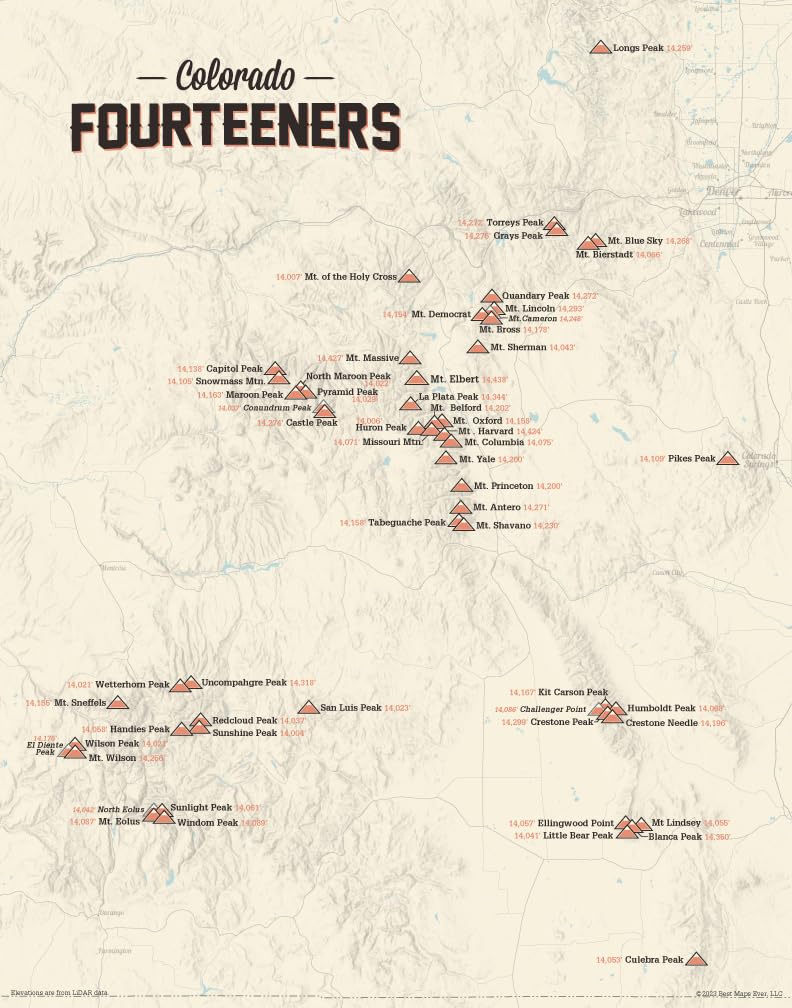
The generally accepted number of Colorado 14ers is 58. This count is based on the criteria that a peak must be at least 14,000 feet high and have a minimum of 300 feet of “prominence” (the vertical distance between a summit and the lowest contour line connecting it to a higher peak). This prominence rule ensures that each mountain counted is a distinct peak, rather than just a subsidiary bump on a larger mountain’s ridge. Without this rule, many sub-peaks would inflate the count, diminishing the significance of each individual mountain. For example, Grays Peak and Torreys Peak are often hiked together, and while Torreys Peak is very close to Grays Peak, its prominence earns it a distinct spot on the list. Some lists might vary slightly (e.g., 53, 54, or 55) if they use different prominence cutoffs or exclude certain peaks like North Maroon Peak, which is sometimes considered a sub-peak of Maroon Peak by stricter definitions, or Conundrum Peak. However, the standard and most widely recognized count for peakbaggers and guidebooks remains 58.
Key Mountain Ranges Hosting 14ers
These 58 peaks are distributed across seven primary mountain ranges within Colorado, each with its own character and challenges:
- Sawatch Range: Located in central Colorado, this range boasts the highest concentration of 14ers, including Mount Elbert, Colorado’s highest peak at 14,433 feet, and Mount Massive. Known for its relatively gentle, rounded slopes, many Sawatch Range 14ers are considered excellent for beginners due to their well-maintained trails and less technical terrain. The nearby town of Leadville serves as a common base for exploring this region.
- Sangre de Cristo Mountains: Stretching from southern Colorado into New Mexico, this range is known for its rugged, dramatic peaks and challenging traverses. Here you’ll find peaks like Blanca Peak, Kit Carson Peak, and the formidable Little Bear Peak, which is one of the most dangerous and technical 14ers.
- Elk Mountains: Situated near Aspen and Snowmass, the Elk Mountains are famous for their notoriously loose rock, steep slopes, and iconic beauty. This range is home to some of the most challenging and visually striking 14ers, including Capitol Peak (often considered the hardest), Maroon Peak, and Pyramid Peak.
- San Juan Mountains: In southwestern Colorado, this range is a remote wilderness characterized by sharp, jagged peaks and stunning alpine scenery, often accessed from towns like Ouray, Telluride, and Silverton. It boasts several 14ers like Mount Sneffels and Uncompahgre Peak.
- Front Range: The closest range to Denver and other major population centers, the Front Range includes popular peaks such as Mount Bierstadt, Grays Peak, and Torreys Peak. These mountains are known for their accessibility and heavy usage, making early starts crucial for beating crowds.
- Tenmile-Mosquito Range: This range includes peaks like Quandary Peak (often cited as the easiest 14er) and Mount Sherman, located near Breckenridge and Fairplay.
- La Plata Mountains: A smaller range in southwest Colorado with only one 14er, Mount Eolus.
Preparing for Your 14er Adventure: Essential Travel Considerations
Embarking on a 14er expedition requires careful planning and respect for the mountain environment. These are not casual strolls; they are strenuous high-altitude endeavors that demand preparation.
Physical and Mental Readiness
Before attempting a 14er, travelers should ensure they are in good physical condition. Regular cardiovascular exercise, strength training, and endurance activities are highly recommended. Acclimatization to high altitude is also crucial to prevent acute mountain sickness (AMS). If traveling from sea level, plan to spend a day or two at a lower elevation (e.g., Denver or Boulder) before heading to higher trailheads. Listen to your body, stay hydrated, and be prepared to turn back if symptoms of AMS appear. Mental preparedness is equally important; understand the challenges, be patient, and maintain a positive attitude. The “false summit” phenomenon, where a peak appears close but is still distant, can be mentally taxing.
Gear Essentials and Safety Protocols
Proper gear is non-negotiable for a safe 14er climb. Essential items include sturdy hiking boots, layers of moisture-wicking clothing, a waterproof and windproof outer shell, a hat, gloves, sunglasses, and sunscreen. Navigation tools (map, compass, GPS device, or app), a headlamp, a first-aid kit, a water filter, and sufficient food are also vital. Always check the weather forecast before heading out and be prepared for rapidly changing conditions, including afternoon thunderstorms which are common in summer. Start early in the morning to avoid these storms and allow ample time for descent. Inform someone of your itinerary and expected return time, and never hike alone, especially on more challenging peaks. Carry a personal locator beacon (PLB) for emergencies in areas without cell service.
Best Times to Hike and Weather Awareness
The primary season for hiking Colorado 14ers is typically from late June through September, when snow has largely melted from the trails and weather is generally more stable. Even within this window, conditions can vary significantly. Early season hikes (June) may still encounter lingering snowfields and icy patches, requiring specialized gear like microspikes and an ice axe. Late season (September) brings cooler temperatures and the possibility of early snowfall but often offers stunning fall foliage and fewer crowds. Always be aware of the “monsoon season” from July to August, characterized by daily afternoon thunderstorms. Plan to be off the summit and below treeline by noon to avoid dangerous lightning. Winter ascents are possible but require advanced mountaineering skills, experience with avalanche terrain, and specialized equipment.
Iconic Colorado 14ers for Every Traveler
With 58 distinct peaks, Colorado offers a 14er experience for every skill level, from a family day hike to an arduous technical climb. Selecting the right peak for your ability is crucial for an enjoyable and safe adventure.
Beginner-Friendly Peaks
For those new to high-altitude hiking, several 14ers offer a relatively gentle introduction, characterized by well-maintained trails and less exposure.
- Quandary Peak (14,265 ft) near Breckenridge is widely considered the easiest 14er, making it an excellent choice for first-timers. Its standard route is a well-defined Class 1 hike with steady elevation gain and spectacular views.
- Mount Sherman (14,036 ft), located in the Mosquito Range, is another accessible option, often chosen due to its short trail length and relatively non-technical terrain, typically a Class 2 route.
- Mount Bierstadt (14,065 ft) in the Front Range is extremely popular due to its proximity to Denver and manageable Class 2 trail. The hike often starts from the picturesque Guanella Pass and offers stunning views of the surrounding Mount Evans Wilderness.
Moderate Challenges
Once you have a few easier peaks under your belt, you might be ready for more challenging, but still non-technical, ascents.
- Grays Peak (14,270 ft) and Torreys Peak (14,267 ft) are a popular “double-bagger” near Georgetown. The standard route to Grays Peak is Class 1, and an easy Class 2 ridge traverse connects it to Torreys Peak, offering two summits for one effort.
- Mount Sneffels (14,158 ft) in the San Juan Mountains provides a more rugged Class 2/3 experience with some scrambling and breathtaking views, often dubbed “the Matterhorn of Colorado” for its distinctive shape. Its proximity to towns like Ouray and Telluride adds to its appeal for travelers.
- Mount Yale (14,196 ft) in the Sawatch Range is a popular Class 2 peak known for its beautiful alpine scenery and sustained climb.
Advanced and Technical Ascents
For experienced mountaineers with a high tolerance for exposure and technical skills, Colorado offers some truly formidable challenges.
- Capitol Peak (14,130 ft) in the Elk Mountains is renowned for its “Knife Edge,” a narrow, exposed ridge requiring solid scrambling and comfort with heights (Class 4). It is widely considered the most dangerous of the 14ers and should only be attempted by highly experienced and prepared climbers.
- Little Bear Peak (14,037 ft) in the Sangre de Cristo Mountains features the infamous “Hourglass” couloir, a steep, loose Class 4 climb often complicated by ice or running water, making it another one of the most serious challenges.
- The Crestone Traverse, linking Crestone Peak (14,294 ft) and Crestone Needle (14,197 ft), is a classic mountaineering route involving sustained Class 4 scrambling with significant exposure.
Beyond the Summit: Responsible Travel and Preservation
The privilege of exploring Colorado’s 14ers comes with a responsibility to protect these fragile environments for future generations. Responsible travel is not just about personal safety but also about ecological stewardship.
Leave No Trace Principles
Adhering to the seven Leave No Trace principles is paramount when hiking the 14ers. This includes planning ahead and preparing, traveling and camping on durable surfaces, disposing of waste properly (pack it in, pack it out, including human waste), leaving what you find, minimizing campfire impacts, respecting wildlife, and being considerate of other visitors. The alpine tundra above treeline is particularly delicate; stay on marked trails to avoid damaging sensitive vegetation that can take decades to recover. Avoid shortcuts, especially on switchbacks, as this leads to erosion and widens trails.

Supporting Local Communities and Trail Maintenance
Many of the trails leading to Colorado’s 14ers are maintained by dedicated volunteers and organizations. Consider donating to groups like the Colorado Fourteeners Initiative (CFI), which works to preserve and protect the 14er trails and ecosystems through trail maintenance, education, and restoration. Additionally, support the local communities that serve as gateways to these peaks by patronizing local businesses, restaurants, and accommodations. These small towns, such as Leadville, Ouray, and Breckenridge, rely on tourism and provide essential services for travelers. Your mindful actions as a traveler contribute directly to the sustainability of these incredible natural resources and the vibrant communities that surround them.
In conclusion, Colorado is home to a magnificent 58 14ers, each offering a unique journey and a profound connection to the grandeur of the Rocky Mountains. Whether you aspire to tackle a challenging technical ascent or simply wish to experience the thrill of a high-altitude hike, careful preparation, respect for nature, and a commitment to responsible travel will ensure an unforgettable and rewarding adventure.
LifeOutOfTheBox is a participant in the Amazon Services LLC Associates Program, an affiliate advertising program designed to provide a means for sites to earn advertising fees by advertising and linking to Amazon.com. Amazon, the Amazon logo, AmazonSupply, and the AmazonSupply logo are trademarks of Amazon.com, Inc. or its affiliates. As an Amazon Associate we earn affiliate commissions from qualifying purchases.