
Embarking on a new adventure in the Lone Star State often involves more than just packing your bags and booking a stay at a charming resort. For those setting down roots or simply bringing their vehicle to explore the vast landscapes of Texas, understanding the process of car registration is a crucial step. This guide will navigate you through the essential requirements, procedures, and helpful tips to ensure your vehicle is legally on the road, allowing you to fully immerse yourself in the local culture and attractions.
Navigating the bureaucracy of vehicle registration can seem daunting, especially in a state as large and diverse as Texas. From the vibrant energy of Austin to the historic charm of San Antonio, the freedom to explore is best enjoyed with a properly registered vehicle. Whether you’re planning a long-term stay or considering a lifestyle change that includes moving your car, this comprehensive breakdown will equip you with the knowledge needed to make the process smooth and efficient. We’ll cover everything from initial requirements to the final steps, ensuring you’re ready to hit the road and discover all that Texas has to offer, from its iconic landmarks to its hidden gems.
Understanding the Requirements for Texas Car Registration
Before you can cruise down the highways of Texas, it’s essential to understand the prerequisites for registering your vehicle. The state mandates specific documentation and conditions that must be met. This section will detail these requirements, ensuring you have everything in order before visiting your local county tax assessor-collector’s office.
Proof of Texas Residency
One of the primary requirements for registering your vehicle in Texas is demonstrating your residency. The state considers you a resident if you:
- Intend to live in Texas for an indefinite period.
- Are employed in Texas.
- Have a child enrolled in a Texas public school.
- Have filed for homestead tax exemption in Texas.
To prove your residency, you will typically need to provide documents such as:
- A valid Texas driver’s license or identification card.
- Utility bills in your name and Texas address.
- Lease agreements or mortgage statements for your Texas residence.
- Pay stubs showing your employer’s Texas location.
Vehicle Information and Documentation
You will need to present specific information and documents pertaining to your vehicle. This includes:
- Vehicle Identification Number (VIN): This unique 17-digit number is crucial for identifying your vehicle. It can be found on your current registration, title, or on the dashboard of your car.
- Proof of Ownership: This can be a title, a bill of sale, or other documentation proving you legally own the vehicle. If you financed your vehicle, the lienholder’s information will be required.
- Current Out-of-State Registration: If you are bringing a vehicle from another state, your previous registration will be necessary.
Texas Vehicle Inspection
A critical component of registering a vehicle in Texas is passing a state vehicle inspection. This inspection ensures your vehicle meets safety and environmental standards.
- Safety Inspection: This typically covers brakes, lights, tires, steering, and other safety-related components.
- Emissions Test (if applicable): In certain counties, particularly those in major metropolitan areas like Houston or Dallas, your vehicle may also require an emissions test to ensure it meets air quality standards.
You will need to take your vehicle to an authorized Texas inspection station. Upon passing, you will receive a passing certificate, which you will need to present during the registration process. It’s advisable to get this inspection done before you go to the county tax assessor-collector’s office to avoid a second trip.
Proof of Texas Auto Insurance
Texas law requires all drivers to carry a minimum amount of liability auto insurance. You will need to provide proof of valid Texas auto insurance, such as an insurance card or policy declaration page, when you register your vehicle. The minimum coverage requirements are typically:
- $30,000 for bodily injury per person.
- $60,000 for bodily injury per accident.
- $25,000 for property damage per accident.
Ensure your policy meets these minimums or consider higher coverage for greater protection, especially if you plan extensive travel across the state.
The Registration Process: Step-by-Step
Once you have gathered all the necessary documentation, you are ready to proceed with the actual registration of your vehicle. The process is managed at the county level, making your local county tax assessor-collector’s office your primary point of contact.
Visiting Your Local County Tax Assessor-Collector’s Office

Your first physical stop will be at your county’s tax assessor-collector’s office. These offices are responsible for issuing vehicle registrations and collecting associated fees.
- Locate Your Office: You can find the office nearest to you by searching online for “[Your County Name] Tax Assessor-Collector”. Many counties offer online appointment scheduling, which can save you considerable waiting time, especially in busy urban areas like San Antonio or Fort Worth.
- Gather Your Documents: Before you leave home, double-check that you have all the required documents:
- Proof of identity (driver’s license or ID).
- Proof of residency.
- Proof of ownership (title, bill of sale).
- Current out-of-state registration (if applicable).
- Texas vehicle inspection report.
- Proof of Texas auto insurance.
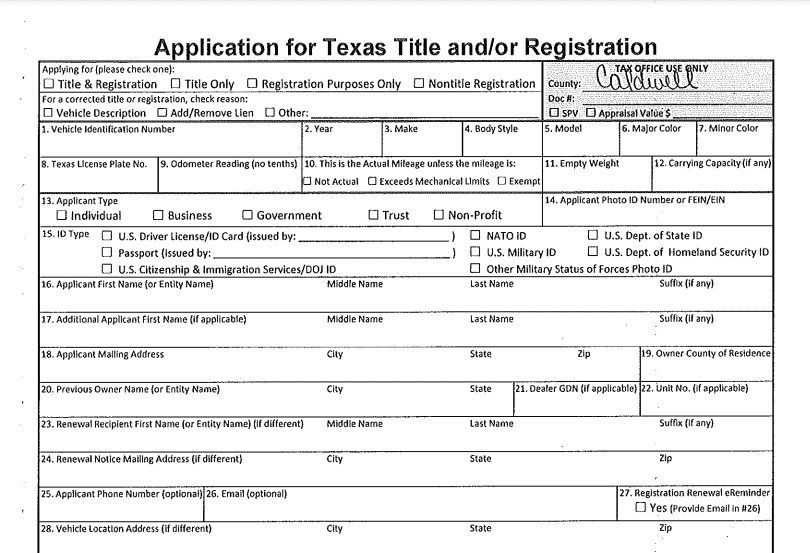
- If the vehicle is new to you, you will also need the title and potentially a completed Application for Texas Title and/or Registration.
- Submit Your Application: At the office, you will fill out an Application for Texas Title and/or Registration form (Form 130-U). Provide all the requested information accurately.
- Pay Fees: You will be required to pay registration fees, which vary depending on the type of vehicle, its weight, and its age. There may also be additional fees for title transfers or specific county services. Accepted payment methods can vary, so it’s wise to check with your county office beforehand.
Receiving Your Registration Sticker and License Plates
After successfully submitting your application and paying the required fees, you will receive your official Texas vehicle registration.
- Registration Receipt: You will be issued a registration receipt. Keep this document in a safe place, as it serves as proof of your vehicle’s registration.
- License Plates: If you are registering a vehicle for the first time in Texas, you will be issued a new set of Texas license plates. Ensure you securely attach these to your vehicle within the specified timeframe.
- Inspection and Registration Stickers: You will receive a sticker for your license plate indicating the month and year your registration expires, as well as a sticker for your windshield (usually on the upper driver’s side) confirming your vehicle has passed the state inspection.
Renewing Your Registration
Vehicle registration in Texas is typically valid for one year. You will receive a renewal notice by mail approximately 30-60 days before your expiration date.
- Renewal Options: You can renew your registration in several ways:
- Online: This is often the fastest and most convenient method. Visit the official Texas Department of Motor Vehicles (TxDMV) website or your county’s tax assessor-collector’s website.
- By Mail: You can mail your renewal form and payment to the address specified on the renewal notice.
- In Person: You can visit your county tax assessor-collector’s office.
- ** at an Authorized Renewal Station:** Many local businesses, such as grocery stores or insurance agencies, are authorized to process renewals.
- Required for Renewal: To renew your registration, you will generally need:
- Your renewal notice or current registration.
- Proof of a current Texas vehicle inspection.
- Proof of current Texas auto insurance.
- Payment for the renewal fees.
Timely renewal is crucial to avoid penalties and ensure your vehicle remains legally operated on Texas roads. The flexibility of renewal options makes it easy to stay compliant, whether you’re enjoying a family trip or settled into a long-term stay.
Tips for a Smooth Registration Experience
Navigating the process of registering your car in Texas can be made significantly easier with a few proactive steps and an understanding of common pitfalls. Whether you’re a new resident or simply updating your vehicle’s status, these tips will help you streamline the experience and get back to enjoying all that Texas has to offer, from its culinary delights to its vast natural beauty.
Prepare in Advance and Gather All Documents
The most common cause of delays or frustration during the registration process is not having the correct or complete documentation. Before you head to the county tax assessor-collector’s office:
- Create a Checklist: Go through the requirements mentioned earlier and tick off each item as you gather it.
- Verify Document Validity: Ensure your driver’s license, insurance, and inspection are current and not expired.
- Make Copies: It’s always a good idea to have photocopies of important documents, just in case.
- Check for Specific County Requirements: While state requirements are standard, some counties might have minor variations or specific instructions for appointments or payment methods. A quick look at your county’s official website can save you a trip.
Understand Fees and Payment Methods
Texas vehicle registration fees are set by the state but can vary slightly based on your county and the type of vehicle you are registering. Be prepared for these costs.
- Fee Breakdown: Fees typically include a registration fee, a state vehicle inspection fee, and potentially local fees or surcharges. If you are transferring a title, there will be additional title transfer fees.
- Payment Options: Most county offices accept cash, checks, money orders, and sometimes debit or credit cards. However, credit card payments may incur an additional processing fee. Confirm accepted payment methods with your local office beforehand to avoid any surprises.
Factor in Inspection and Insurance Timing
It’s crucial to schedule your vehicle inspection and ensure you have valid Texas auto insurance before you go to register.
- Inspection First: The inspection station will electronically submit your passing results to the state. You will need the printed inspection report as proof. Don’t wait until the last minute; inspections can take time, and you don’t want to discover a minor issue that requires repairs right before your registration appointment.
- Insurance is Key: Your insurance provider must be able to issue a policy that meets Texas minimum liability requirements. Ensure you have an active policy and can present proof, such as an insurance card or a digital copy on your phone.

Consider the Time of Year and Day
The timing of your visit can significantly impact your waiting time.
- Avoid Peak Times: Try to visit your county tax assessor-collector’s office early in the morning, late in the afternoon, or mid-week (Tuesday through Thursday). Avoid the first and last few days of the month, as these are often the busiest due to renewal deadlines.
- Appointments: If your county offers online appointment scheduling, take advantage of it. This is often the most efficient way to manage your visit.
By following these guidelines, you can ensure a smooth and efficient process for registering your car in Texas, allowing you to focus on enjoying your travels, whether it’s exploring the historic missions in San Antonio, enjoying the live music scene in Austin, or embarking on a road trip through the scenic landscapes of the Big Bend National Park. The freedom of the open road awaits!
LifeOutOfTheBox is a participant in the Amazon Services LLC Associates Program, an affiliate advertising program designed to provide a means for sites to earn advertising fees by advertising and linking to Amazon.com. Amazon, the Amazon logo, AmazonSupply, and the AmazonSupply logo are trademarks of Amazon.com, Inc. or its affiliates. As an Amazon Associate we earn affiliate commissions from qualifying purchases.