
Traveling as a 17-year-old in Texas can present a unique set of circumstances and questions, particularly concerning legalities and practicalities. While 17-year-olds are often on the cusp of adulthood, they are still legally considered minors in most jurisdictions, including Texas, until they turn 18. This distinction carries significant implications for various aspects of independent travel, from booking accommodation to participating in certain activities. Understanding these nuances is crucial for both young travelers and their parents to ensure a smooth, safe, and lawful journey through the Lone Star State. This guide delves into what a 17-year-old can legally do and what limitations they might face when traveling independently or with friends across Texas.
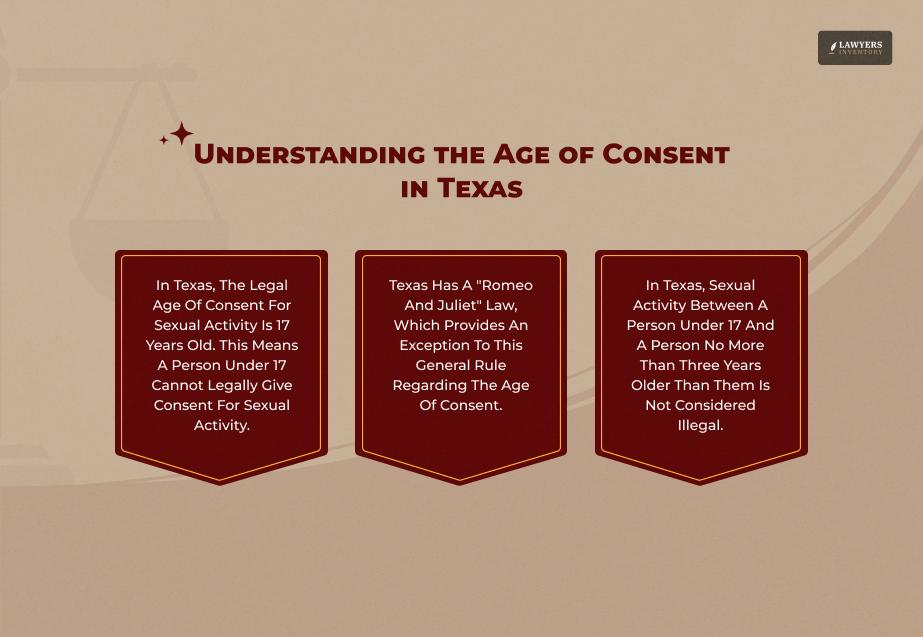
Understanding the Legal Landscape for 17-Year-Olds in Texas
The fundamental question of whether “seventeen is legal” in Texas hinges on the state’s definition of the age of majority and how it applies to various rights and responsibilities. For most purposes, a 17-year-old is a minor, but there are specific areas where they gain increased autonomy or face particular restrictions.
General Legal Status of a 17-Year-Old
In Texas, the age of majority is 18. This means that a person under 18 cannot generally enter into binding contracts, such as rental agreements, hotel bookings, or significant purchases, without parental consent. They also cannot purchase alcohol, tobacco products (including vaping products), or firearms. While they can obtain a driver’s license at 16 (with restrictions) or an unrestricted license at 18, their contractual capacity remains limited.
However, 17-year-olds have certain legal rights and responsibilities that distinguish them from younger minors. For instance, they can be tried as adults for certain crimes, and they have more say in medical decisions, though parental consent is often still required for major procedures. When traveling, this status translates into a need for careful planning, particularly regarding accommodation and activities that involve contractual obligations.
Emancipation: A Special Consideration
One notable exception to the general rule is legal emancipation. An emancipated minor is someone under the age of 18 who has been granted adult legal status by a court. In Texas, a minor can petition for emancipation if they are at least 17 years old (or at least 16 and living separate and apart from their parents/guardian, managing their own financial affairs), self-sufficient, and mature enough to handle their own affairs.
An emancipated 17-year-old would generally have the legal capacity to enter into contracts, make independent medical decisions, and live where they choose, similar to an adult. However, emancipation is a rare and complex legal process, not typically pursued for casual travel. For the vast majority of 17-year-old travelers, the assumption is that they are not emancipated and therefore subject to the standard minor laws. This distinction is crucial when considering the practicalities of travel, as most service providers will operate under the assumption that a 17-year-old is an unemancipated minor.
Hotel Stays and Accommodation for 17-Year-Olds
One of the most common questions for young travelers revolves around securing accommodation. Can a 17-year-old check into a hotel in Texas independently? The answer is generally complex, balancing state law with individual hotel policies.
Hotel Policies vs. State Law
While Texas law states that minors generally cannot enter into binding contracts, there isn’t a specific statewide law that explicitly prohibits a 17-year-old from checking into a hotel. However, hotels are private businesses and can set their own policies. The vast majority of hotels, especially reputable chains, have a minimum check-in age of 18 or 21. This policy is primarily in place to protect the hotel from potential legal liabilities, such as damages to property, unpaid bills, or issues related to underage drinking or activities. Since a minor cannot legally sign a contract, the hotel would have little recourse if problems arose.
Even if a hotel theoretically allowed a 17-year-old to check in, they would likely still require a parent or legal guardian to sign the registration, take financial responsibility, or be present at check-in. This is a crucial distinction: the issue isn’t typically the presence of a 17-year-old, but their ability to contractually bind themselves and assume financial liability.
Strategies for Booking and Check-in
For a 17-year-old traveling in Texas who needs accommodation, several strategies can increase the likelihood of a successful stay:
- Parental Booking and Supervision: The most straightforward method is for a parent or legal guardian to book the room in their own name and, ideally, be present at check-in. Some hotels might allow the 17-year-old to stay alone if a parent checks them in, provides a credit card for incidentals, and explicitly authorizes the stay. It’s essential to call the specific hotel in advance to confirm their policy.
- Written Parental Consent: If a parent cannot be physically present, a detailed, notarized letter of consent from the parent or guardian, explicitly authorizing the 17-year-old to stay, providing their contact information, and accepting financial responsibility for any damages or charges, can sometimes work. This is not universally accepted, so pre-arrival communication with the hotel is vital.
- Booking with an Adult: If the 17-year-old is traveling with an adult (18 or older, or 21+ depending on hotel policy) who can legally check in and take responsibility, this resolves the contractual issue.
- Alternative Accommodations: Options like Airbnb or other vacation rentals might have different policies, but typically also require the booking to be made by someone 18 or older, and many hosts prefer guests over 21. Student hostels might be more flexible but should always be contacted directly for their specific age policies.
When making inquiries, be upfront about the age of the traveler. Misrepresenting age can lead to denied check-in upon arrival, loss of booking fees, and significant inconvenience. It’s always better to know the policy beforehand and plan accordingly.
Transportation Considerations for Young Travelers
Navigating Texas requires reliable transportation. For a 17-year-old, options are more limited than for an adult, particularly regarding car rentals, but public transportation and ridesharing offer alternatives.
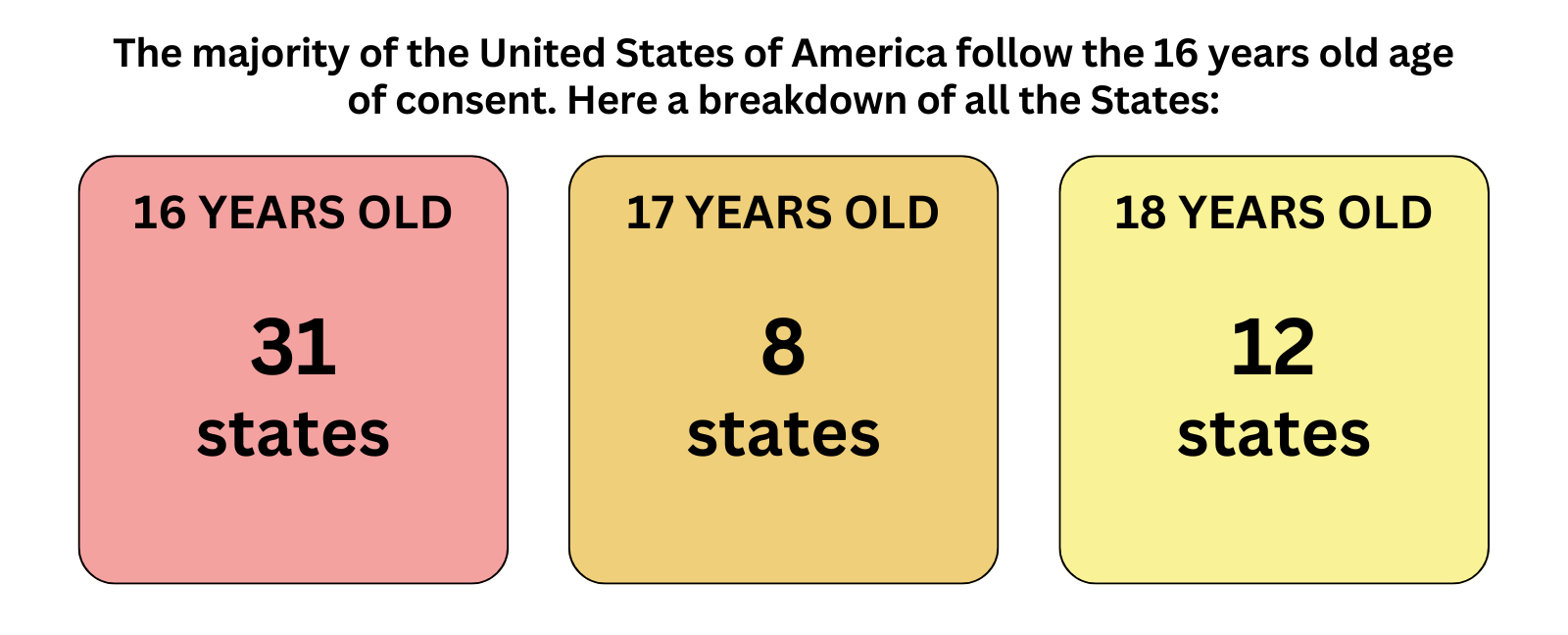
Car Rental Policies
Car rental companies universally require renters to be at least 21 years old, and often impose additional “underage driver” fees for those between 21 and 24. A 17-year-old, even with a valid driver’s license, cannot rent a car in Texas or any other state from a mainstream rental agency. This is due to both contractual capacity laws and insurance liability concerns. Even if a parent co-signs, the 17-year-old would not be able to be listed as the primary driver or even an authorized additional driver in most cases.
If independent driving is essential for a 17-year-old traveler, the car must be owned or rented by an adult who is legally able to do so. The 17-year-old can then drive that vehicle, provided they have a valid driver’s license and are covered by the vehicle’s insurance policy. It’s crucial to confirm insurance coverage with the car owner’s policy.
Ridesharing and Public Transport
Ridesharing services like Uber and Lyft generally require users to be at least 18 years old to create an account and request rides. A 17-year-old cannot legally use these services independently. They must be accompanied by an adult who has an account. If a 17-year-old attempts to use a ridesharing service alone, the driver is within their rights to refuse the ride, as it violates the company’s terms of service.
Public transportation, such as city buses, subways (e.g., in Dallas or Houston), and intercity bus services (like Greyhound), are generally accessible to 17-year-olds without age restrictions for purchasing tickets or riding. However, independent travel on public transport requires maturity, awareness of surroundings, and the ability to navigate routes and schedules effectively. For long-distance bus travel, it’s wise to ensure the 17-year-old has emergency contact information and understands safety protocols.
Engaging in Activities and Attractions
Texas boasts a wealth of attractions and activities, but age restrictions can influence what a 17-year-old can experience independently.
Age Restrictions at Venues and Events
Many entertainment venues, particularly those that serve alcohol, will have an 18+ or 21+ entry policy, even if the 17-year-old is not consuming alcohol. Nightclubs, certain concert venues, and bars are generally off-limits. However, venues like movie theaters, theme parks (e.g., Six Flags Over Texas), museums, and most sporting events typically do not have age restrictions for entry, although parental consent might be required for participation in certain high-risk activities.
For events or attractions that involve waivers or contractual agreements (e.g., certain adventure sports, guided tours), a 17-year-old will likely need a parent or legal guardian to sign on their behalf. This is a common requirement to mitigate liability.
Consent for Tours and Activities
Many tours, especially those involving outdoor adventures (e.g., kayaking, zip-lining) or specific skill sets, will require participants to sign liability waivers. As a minor, a 17-year-old cannot legally sign these waivers, making parental consent or presence essential. Some tour operators may accept a pre-signed, notarized consent form from a parent, but it’s crucial to verify this directly with the operator before booking.
Similarly, certain health and wellness activities, such as getting a tattoo or body piercing, are prohibited for minors in Texas, even with parental consent. Other activities like medical treatments (beyond emergency care) also typically require parental consent. Therefore, a 17-year-old traveling alone should not expect to undertake these activities without a parent or guardian.
Essential Legal and Safety Tips for 17-Year-Old Travelers in Texas
Traveling independently at 17 requires a higher level of responsibility and preparedness. Understanding key safety measures and legal considerations can make all the difference.
Emergency Preparedness
Every 17-year-old traveling in Texas should carry identification, such as a driver’s license or state ID. It is also wise to have a copy of their birth certificate and a detailed emergency contact list, including parents/guardians, other trusted adults, and their family doctor. Carrying a small amount of emergency cash in addition to a debit/credit card can also be beneficial.
Knowing what to do in a medical emergency is critical. While a 17-year-old can provide consent for basic medical care, parental consent is often needed for more involved treatments. Carrying a notarized medical consent form from parents, authorizing treatment and outlining insurance information, is highly recommended. This document can prevent delays in receiving necessary care.

Parental Guidance and Documentation
For any 17-year-old traveling without a parent, comprehensive documentation is invaluable. This includes:
- Notarized Parental Consent Letter: Explicitly stating that parents permit the travel, the dates, destinations (e.g., Austin, San Antonio), and contact information. This can be crucial for hotels, airlines (though airlines generally allow unaccompanied minors 12+), and in interactions with authorities.
- Medical Authorization Form: As mentioned, this ensures access to medical care.
- Copies of Important Documents: Keep digital and physical copies of IDs, insurance cards, and travel itineraries separate from the originals.
- Financial Preparedness: Ensure the traveler has access to funds and understands how to manage them, including a backup plan if cards are lost or stolen.
Open and honest communication between the 17-year-old and their parents is paramount. Discuss potential scenarios, safety protocols (e.g., avoiding risky situations, never accepting rides from strangers, being aware of surroundings), and how to handle unexpected challenges. Equipping young travelers with clear expectations and robust support ensures that their journey through Texas is not only memorable but also safe and legally sound. While Texas offers vast opportunities for exploration, understanding the specific legal framework for 17-year-olds is the first step towards a responsible and enjoyable travel experience.
LifeOutOfTheBox is a participant in the Amazon Services LLC Associates Program, an affiliate advertising program designed to provide a means for sites to earn advertising fees by advertising and linking to Amazon.com. Amazon, the Amazon logo, AmazonSupply, and the AmazonSupply logo are trademarks of Amazon.com, Inc. or its affiliates. As an Amazon Associate we earn affiliate commissions from qualifying purchases.