
The glittering skyline of Las Vegas is a testament to the evolution of the global hospitality industry. Once a dusty outpost in the Nevada desert, it has transformed into a world-class destination synonymous with luxury, entertainment, and architectural marvels. For the modern traveler checking into a sprawling resort, the question of ownership often takes a backseat to the quality of the suites or the variety of amenities. However, understanding who owns the casinos in Las Vegas provides fascinating insight into how these massive hotel complexes operate.
The era of independent “mom-and-pop” casinos or shadowy syndicate ownership is long gone. Today, the Las Vegas Strip is dominated by a handful of multi-billion dollar corporations and Real Estate Investment Trusts (REITs). These entities manage thousands of hotel rooms, world-renowned restaurants, and expansive gaming floors, ensuring a standardized level of professional service and luxury across the United States.
The Corporate Giants: MGM Resorts and Caesars Entertainment
The hospitality landscape in Las Vegas is primarily a duopoly between two massive corporations: MGM Resorts International and Caesars Entertainment. Together, these companies control a significant portion of the hotel inventory on the Las Vegas Strip, catering to everything from budget-conscious families to high-rolling business travelers.
The Extensive Portfolio of MGM Resorts International
MGM Resorts International is perhaps the most prominent name in the city. Their portfolio includes some of the most iconic luxury hotels in the world. The crown jewel is arguably the Bellagio Las Vegas, famous for its dancing fountains and high-end botanical gardens. Directly across or adjacent, they manage the MGM Grand Las Vegas, one of the largest hotel complexes on the planet, featuring an array of skylofts and suites designed for maximum comfort.
Beyond these flagship properties, the company operates Mandalay Bay, known for its tropical beach-themed pool area, and Park MGM, which offers a more boutique, smoke-free environment. They also recently acquired the operations of The Cosmopolitan of Las Vegas, a resort celebrated for its chic residential-style living spaces and private terraces. Other notable properties under their wing include New York-New York Hotel & Casino, Luxor Hotel & Casino, and Excalibur Hotel & Casino.
Caesars Entertainment and the Legacy of Luxury
The second major player, Caesars Entertainment, holds a legacy that stretches back to the golden age of Las Vegas. Their centerpiece is Caesars Palace, a resort that set the standard for themed luxury and expansive villa accommodations. The property remains a top choice for those seeking opulent amenities, including the Garden of the Gods Pool Oasis.
Caesars Entertainment also manages several other diverse properties that cater to different niches of the hotel market. Planet Hollywood Las Vegas offers a vibrant, celebrity-themed atmosphere, while The Flamingo Las Vegas provides a classic “Old Vegas” feel with modernized rooms. Their roster is rounded out by The LINQ Hotel + Experience, Paris Las Vegas, Horseshoe Las Vegas, and Harrah’s Las Vegas. By owning such a wide variety of brands, they can offer loyalty rewards that allow guests to earn points at a luxury suite in Paris and spend them at a casual eatery in Lake Tahoe.
Specialized Luxury and International Investors
While the “Big Two” dominate the volume of rooms, several other players focus on high-end niche markets or represent international investment in the Las Vegas economy. These owners often emphasize bespoke service and ultra-luxury amenities over sheer scale.
Wynn Resorts: The Gold Standard of Hospitality
Wynn Resorts, founded by Steve Wynn but now run as a public corporation, operates Wynn Las Vegas and Encore at Wynn Las Vegas. These twin towers are frequently cited as the pinnacle of luxury in the city, consistently earning more Forbes Travel Guide Five-Star awards than any other resort in the world. For guests, the ownership by Wynn Resorts guarantees a meticulous attention to detail, from the thread count of the linens in the Encore Tower Suites to the curation of fine art in the public walkways.
Global Presence and New Entries
The international influence on Las Vegas ownership has grown significantly in recent years. Resorts World Las Vegas is owned by the Genting Group, a Malaysian conglomerate. This massive resort brought a new level of integrated technology to the Strip, featuring three distinct Hilton brands within one complex: the Las Vegas Hilton, Conrad Las Vegas, and Crockfords Las Vegas.
Similarly, The Venetian Las Vegas and The Palazzo, formerly owned by Las Vegas Sands, saw a major ownership shift recently. The operations were sold to Apollo Global Management, while the real estate itself was acquired by a REIT. This highlights a growing trend in the industry: the separation of the “bricks and mortar” from the day-to-day hospitality operations.
The Rise of REITs: Who Owns the Land?
In a professional shift that has redefined hotel management in Las Vegas, many famous resorts no longer own the land or the buildings they sit on. Instead, they pay rent to specialized real estate companies. This “asset-light” strategy allows hotel operators to focus on guest experiences, room service, and entertainment while the real estate experts manage the physical infrastructure.
VICI Properties and the Asset-Light Revolution
The most significant player in this space is VICI Properties. Originally spun off from Caesars Entertainment, VICI Properties has grown into one of the largest REITs in the world. They currently own the physical real estate of many MGM Resorts International and Caesars Entertainment properties. When you stay at The Venetian Las Vegas, VICI Properties is technically your landlord, even if Apollo Global Management is the one providing your room service.
Blackstone and Strategic Acquisitions
The Blackstone Group, a global private equity firm, has also been a major force in Las Vegas real estate. They famously purchased The Cosmopolitan of Las Vegas, invested heavily in its renovation to turn it into a premier lifestyle destination, and then sold the operations to MGM Resorts International while retaining ownership of the building for a period. This type of high-level financial maneuvering ensures that Las Vegas hotels are constantly being updated with the latest amenities to remain competitive.
Local Legends and Downtown Ownership
While the Las Vegas Strip is the playground of international corporations, Downtown Las Vegas and the “locals” market are often controlled by different entities that focus on a more community-centric hospitality experience.
Boyd Gaming and Red Rock Resorts
Boyd Gaming is a staple of the Nevada hospitality scene. They own several properties in Downtown Las Vegas and cater to a loyal demographic of repeat visitors. Similarly, Red Rock Resorts (operating under the Station Casinos brand) focuses on luxury resorts located away from the Strip, such as Red Rock Casino Resort & Spa and Palace Station. These owners emphasize high-end amenities like movie theaters, bowling alleys, and massive spa complexes that serve both tourists and Las Vegas residents.
The New Visionaries of Downtown
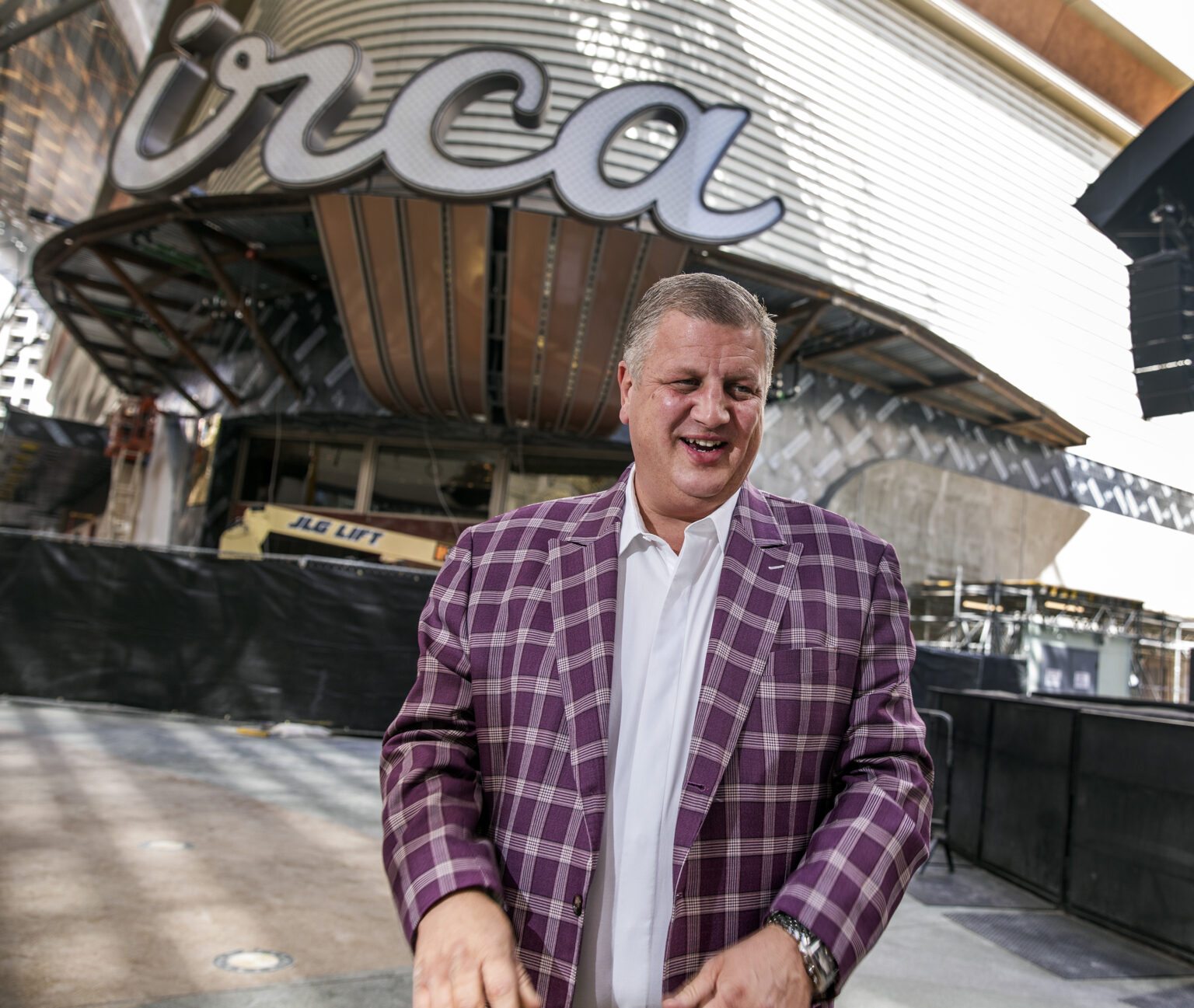
Innovative owners like Derek Stevens have breathed new life into the historic district. Stevens owns Circa Resort & Casino, the first brand-new resort built in Downtown Las Vegas in decades. This property focuses on the “modern man” aesthetic, featuring a massive sportsbook and a multi-tiered pool amphitheater called Stadium Swim. Other notable independent owners include Golden Entertainment, which owns The STRAT Hotel, Casino & Tower, a landmark known for its observation deck and thrill rides.
Finally, the recently opened Fontainebleau Las Vegas represents a decades-long dream of developer Jeffrey Soffer. This 67-story blue-glass giant adds a touch of Miami flair to the north end of the Strip, offering some of the most technologically advanced hotel suites and convention spaces in the city.
Conclusion: A City of Shared Interests
Understanding who owns the casinos in Las Vegas reveals a complex web of hospitality experts, real estate giants, and visionary developers. While names like MGM Resorts International and Caesars Entertainment appear most frequently on the building facades, the stability of the city’s hotel market is supported by the massive capital of REITs like VICI Properties.
For the guest, this corporate ownership translates to a high standard of consistency. Whether you are looking for the European elegance of The Venetian Las Vegas, the high-tech luxury of Resorts World Las Vegas, or the classic spectacle of Caesars Palace, the ownership structures behind these landmarks ensure that Las Vegas remains the premier hotel and resort destination in the United States. Each corporation brings its own philosophy to the guest experience, ensuring that every traveler finds a suite, an amenity, or a resort that perfectly fits their needs.
LifeOutOfTheBox is a participant in the Amazon Services LLC Associates Program, an affiliate advertising program designed to provide a means for sites to earn advertising fees by advertising and linking to Amazon.com. Amazon, the Amazon logo, AmazonSupply, and the AmazonSupply logo are trademarks of Amazon.com, Inc. or its affiliates. As an Amazon Associate we earn affiliate commissions from qualifying purchases.