
The question might seem straightforward, a simple matter of comparing landmass. But delving into “Is Japan Bigger Than Texas?” opens up a fascinating exploration far beyond mere square mileage. It invites us to consider the vastness of travel experiences, the diversity of accommodations, and the rich tapestry of cultures offered by both these geographically distinct entities. For the avid traveler and curious explorer, understanding the scale and scope of destinations like Japan and Texas is the first step in planning unforgettable journeys and discovering unparalleled adventures.
The vastness of Japan is often underestimated. While it’s an archipelago composed of thousands of islands, the four main islands – Hokkaido, Honshu, Shikoku, and Kyushu – hold the bulk of its population and offer an astonishing array of landscapes, from the snow-capped peaks of the north to the subtropical beaches of the south. This geographical diversity translates directly into the travel experiences available. Imagine the stark contrast between a bustling metropolis like Tokyo, a city that never sleeps with its dazzling neon lights and futuristic architecture, and the serene bamboo forests of Arashiyama near Kyoto, a city steeped in tradition and ancient temples.
The Measure of Two Giants: Land Area and Perceived Scale
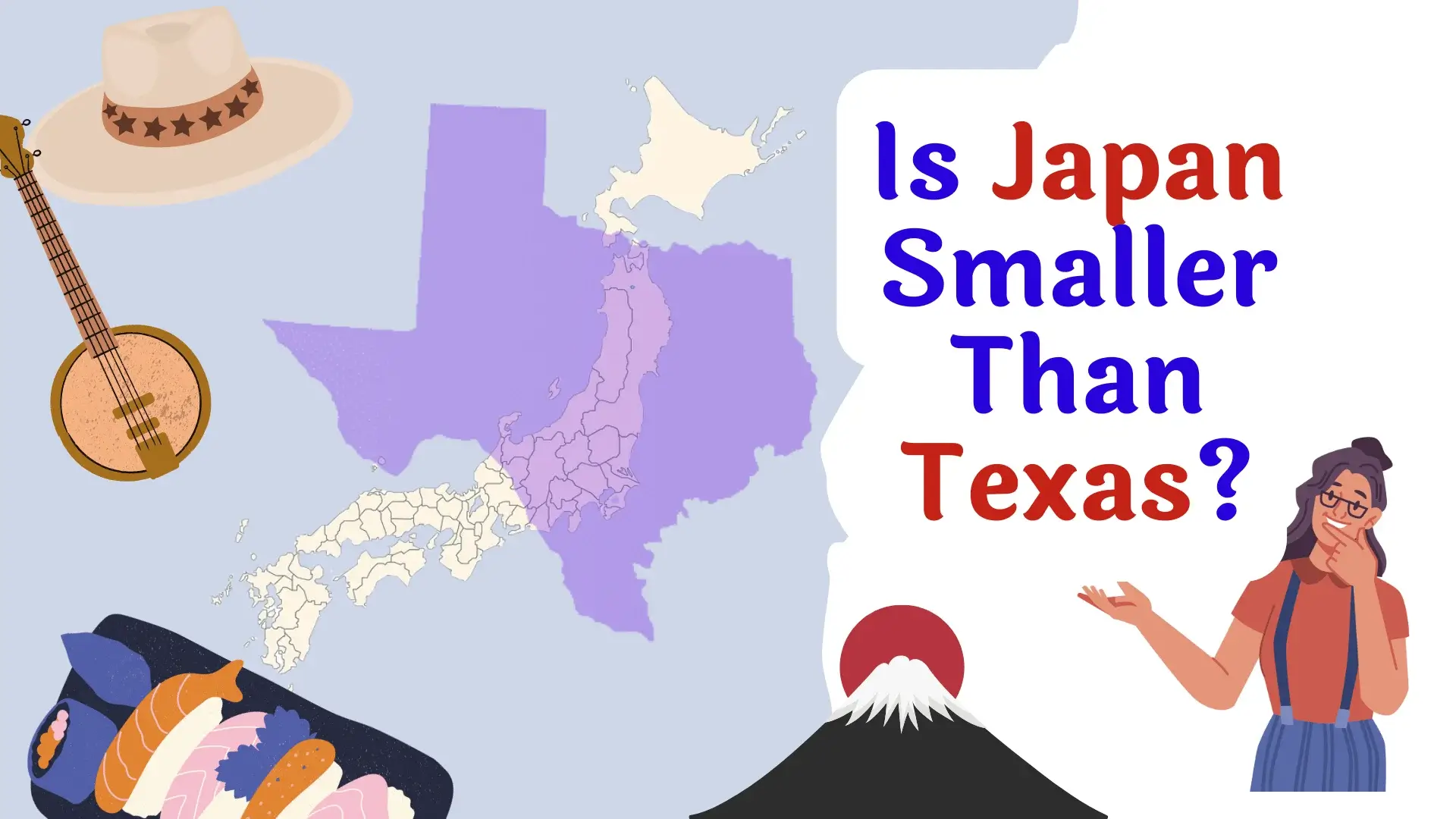
When we ask, “Is Japan Bigger Than Texas?”, the initial answer hinges on the figures. Texas boasts a land area of approximately 268,596 square miles (695,662 square kilometers). In comparison, Japan covers about 145,937 square miles (377,973 square kilometers). By pure landmass, Texas is considerably larger than Japan. However, this numerical comparison only tells half the story, especially from a travel perspective. The perceived scale of a destination is not solely determined by its geographical size but also by its population density, the distribution of its attractions, and the ease of travel within its borders.
Japan: A Realm of Contrasts and Compact Wonders
Despite being smaller in land area, Japan punches well above its weight in terms of travel potential. Its compact nature, combined with an exceptionally efficient public transportation system, makes exploring its diverse regions remarkably feasible. A bullet train, or Shinkansen, can whisk you from the historic temples of Kyoto to the mountain landscapes surrounding Mount Fuji in a matter of hours. This accessibility means that experiencing a multitude of distinct environments – from urban jungles to tranquil natural retreats – is possible within a single trip.
The sheer density of cultural landmarks and natural beauty in Japan is astounding. Consider the iconic Fushimi Inari Shrine with its thousands of vibrant red torii gates winding up a mountainside, or the historic castle of Himeji, a UNESCO World Heritage site renowned for its elegant architecture. Then there are the natural wonders, like the ethereal moss gardens of Saiho-ji Temple or the dramatic coastal cliffs of the Sanriku Coast. The concentration of these world-class attractions within Japan often gives the impression of a larger, more expansive destination.
Accommodation options in Japan also contribute to this sense of diverse experiences. From futuristic capsule hotels in Tokyo to traditional ryokans (Japanese inns) offering tatami mat rooms and onsen (hot springs) in the countryside, the choices cater to every lifestyle and budget. Luxury resorts in places like Hokkaido offer unparalleled skiing and natural beauty, while charming apartments in historic neighborhoods provide an immersive local living experience. This wide spectrum of accommodation, coupled with the country’s rich culinary scene – from Michelin-starred sushi restaurants to humble street food stalls – creates a deeply engaging and multifaceted travel narrative.
Texas: A Vast Canvas of American Diversity
Texas, on the other hand, is a state defined by its immense scale and its own brand of American diversity. Its sheer size means that traveling from one end of the state to another can feel like traversing multiple countries. The sprawling urban centers like Houston and Dallas offer a taste of modern American life with their towering skyscrapers, world-class museums, and vibrant entertainment districts. These cities are hubs for business stays and luxury travel, boasting an array of high-end hotels and resorts.
However, Texas’s appeal extends far beyond its cities. Its vast landscapes encompass everything from the piney woods of East Texas to the arid deserts of West Texas. The rugged beauty of the Big Bend National Park offers a starkly different experience from the rolling hills of the Texas Hill Country, dotted with charming towns and wineries. For those seeking unique natural attractions, the state offers opportunities for hiking, exploring caves, and stargazing in remote areas with minimal light pollution.
The tourism sector in Texas is as varied as its geography. In the south, the influence of Mexican culture is palpable, evident in the vibrant food scene and historic missions like those in San Antonio. The coastal regions offer beach resorts and opportunities for water sports, while the Panhandle region evokes a sense of the Old West with its ranches and cowboy culture. Long-term stays can be found in comfortable apartments in the major cities or in secluded villas offering a taste of rural Texan life. The sheer distances involved in exploring Texas mean that understanding its scale is crucial for planning effective trips, whether for family adventures or business stays.
Travel Experiences: Comparing Depth vs. Breadth
The question of “Is Japan Bigger Than Texas?” thus leads us to consider the nature of travel experiences. While Texas offers breadth in terms of sheer geographical spread and diverse regional landscapes within one country, Japan offers a profound depth of cultural immersion and a concentration of iconic landmarks and distinct experiences packed into a smaller area.
Navigating the Destinations and Attractions
In Japan, travel guides often focus on the efficient rail network that connects major cities and tourist hubs. From the neon-drenched streets of Shibuya in Tokyo to the ancient gardens of Kanazawa, the journey itself becomes part of the adventure. Attractions range from the historic temples of Nara to the unique art islands of Naoshima. The focus is often on the rich history, the meticulous craftsmanship, and the harmonious blend of tradition and modernity.
Texas, conversely, requires a different approach to navigation, often relying on road trips. Driving through Texas allows for spontaneous detours to roadside attractions, small towns with unique local cultures, and vast natural parks. Attractions might include the historic Alamo in San Antonio, the vast cattle ranches that define the state’s rural identity, or the vibrant music scene in Austin. The experience is often one of open spaces, independent exploration, and embracing the spirit of the American West.
Accommodation and Lifestyle: Tailoring the Experience
The choice of accommodation and the desired lifestyle also play a significant role in how we perceive the size and scope of a destination. Whether seeking a luxurious resort, a budget-friendly apartment, or a unique cultural stay, both Japan and Texas offer a wide array of options.
Hotels, Resorts, and Unique Stays
In Japan, the spectrum of accommodation is vast. Luxury hotels in Tokyo like the Park Hyatt Tokyo offer breathtaking city views and impeccable service, embodying the epitome of urban luxury. For a more traditional experience, staying in a ryokan, such as the renowned Tawaraya Ryokan in Kyoto, provides an intimate glimpse into Japanese hospitality, complete with kaiseki dining and serene onsen baths. Budget travelers can find excellent value in business hotels or unique capsule hotels, offering essential amenities in compact, efficient spaces. For longer stays, serviced apartments in major cities provide a comfortable and convenient base.
Texas also presents a rich tapestry of accommodation. The state is home to numerous world-class resorts, like those found in the Texas Hill Country, offering sprawling grounds, championship golf courses, and indulgent spa services. In cities, opulent suites in hotels such as the Hotel ZaZa Dallas cater to those seeking a luxurious urban escape. For those looking for a more authentic Texan experience, charming bed and breakfasts in historic towns or ranch stays offer a unique lifestyle choice. Apartments and villas are readily available for those planning extended stays, providing ample space and amenities for families or business travelers.
Ultimately, the question “Is Japan Bigger Than Texas?” is less about precise geographical measurements and more about the richness and diversity of experiences they offer. While Texas may cover more ground, Japan compensates with an extraordinary density of culture, history, and natural beauty, all made accessible through a sophisticated infrastructure. Both destinations present unparalleled opportunities for travel, accommodation, and lifestyle exploration, each with its own unique allure waiting to be discovered.
LifeOutOfTheBox is a participant in the Amazon Services LLC Associates Program, an affiliate advertising program designed to provide a means for sites to earn advertising fees by advertising and linking to Amazon.com. Amazon, the Amazon logo, AmazonSupply, and the AmazonSupply logo are trademarks of Amazon.com, Inc. or its affiliates. As an Amazon Associate we earn affiliate commissions from qualifying purchases.