
The allure of the Emerald Isle, with its ancient castles, dramatic coastlines, and vibrant pubs, has long captivated travelers from across the globe. For those in the United States, particularly on the East Coast, New York often serves as a convenient and bustling gateway to this enchanting island nation. A question that frequently arises for aspiring visitors planning their transatlantic adventure is: “How long is the flight from New York to Ireland?” While a definitive single answer can be elusive due to various contributing factors, this comprehensive guide aims to demystify flight durations, explore what influences them, and provide practical advice for your journey.
Understanding Flight Durations: Direct vs. Indirect
The most straightforward answer to “How long is the flight from New York to Ireland?” revolves around whether your journey is a direct flight or one with layovers. Direct flights, as the name suggests, involve no stops between your departure from New York and arrival in Ireland. These are generally the quickest and most sought-after options for travelers prioritizing speed and convenience.
Direct Flights: The Swift Passage
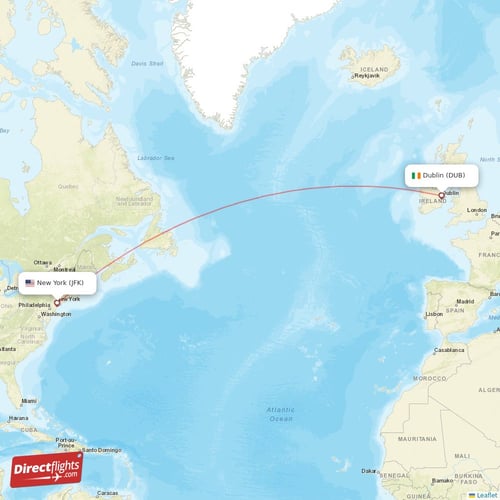
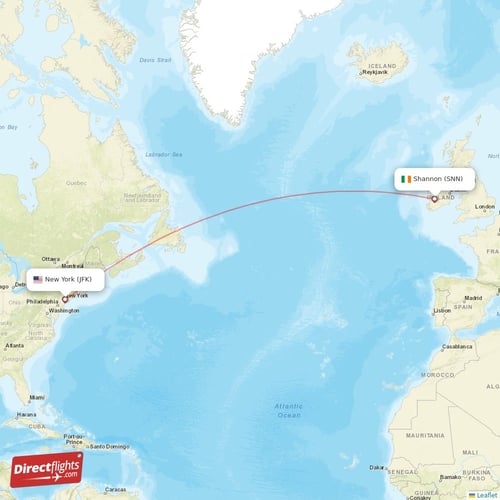
Direct flights from New York to Ireland typically operate from major New York area airports, such as John F. Kennedy International Airport (JFK), Newark Liberty International Airport (EWR), and sometimes LaGuardia Airport (LGA), though JFK and EWR are more common for international long-haul routes. The primary destination airport in Ireland for these flights is Dublin Airport (DUB), the country’s largest and busiest. However, some direct flights may also land in Shannon Airport (SNN) on the west coast, offering a different entry point for exploring regions like the Cliffs of Moher or the charming city of Galway.
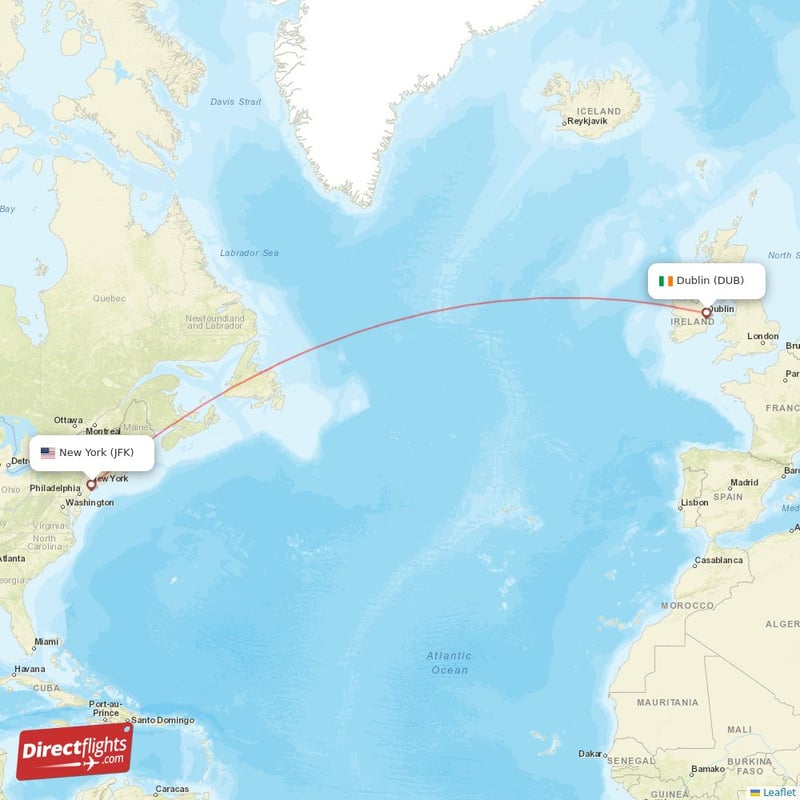
The average flight time for a direct flight from New York to Dublin is approximately 6.5 to 7.5 hours. This duration can fluctuate slightly based on several factors, including:
- Aircraft Type and Speed: Different aircraft have varying cruising speeds, impacting the overall flight time. Modern, more fuel-efficient jets might shave off a few minutes.
- Tailwinds and Headwinds: The prevailing winds in the upper atmosphere play a significant role. Flying eastwards, as is the case from New York to Ireland, often benefits from tailwinds (winds blowing in the direction of travel), which can shorten the flight. Conversely, headwinds will lengthen it.
- Specific Flight Path and Air Traffic: Air traffic control and the optimized flight path determined on the day of travel can introduce minor variations.
Flights to Shannon from New York might be slightly shorter, often in the range of 6 to 7 hours, due to its more westerly location on the island.
Indirect Flights: The Extended Journey
For travelers seeking more budget-friendly options or looking to combine their trip to Ireland with a stopover in another city, indirect flights are a common choice. These flights involve at least one layover at an intermediate airport. Common layover points for flights from New York to Ireland often include other major hubs in Europe, such as London (LHR or LGW), Amsterdam (AMS), or Reykjavik (KEF).
The total travel time for indirect flights is significantly longer. It’s not just the flight time itself that adds up, but also the duration of the layover. A layover can range from a couple of hours to many hours, depending on the airline, the route, and the connection. Therefore, an indirect flight from New York to Ireland can easily stretch to 10-15 hours or even more, encompassing the flight segments and the time spent on the ground waiting for the next leg of the journey.
When considering indirect flights, it’s crucial to factor in the layover duration to manage expectations and ensure you have enough time to make your connection comfortably, especially if you need to re-check baggage or navigate a large airport.
Factors Influencing Flight Time
Beyond the direct versus indirect distinction, several other elements can influence how long your flight from New York to Ireland actually takes. Understanding these can help you better interpret flight schedules and plan your travel.
Headwinds and Tailwinds: The Invisible Forces
As mentioned earlier, atmospheric conditions are powerful determinants of flight duration. The jet stream, a fast-flowing current of air in the upper atmosphere, has a considerable impact on transatlantic flights.
- Tailwinds: When flying east from New York to Ireland, travelers often experience tailwinds. These winds push the aircraft along, effectively increasing its ground speed and reducing the time it takes to cover the distance. A strong tailwind can significantly shorten the flight, potentially bringing it closer to the lower end of the 6.5-hour range.
- Headwinds: Conversely, flying west, from Ireland back to New York, typically involves headwinds. These winds oppose the aircraft’s motion, slowing its ground speed and increasing flight times. Flights returning from Ireland to New York are usually longer, often falling in the 7.5 to 8.5-hour range.
Route Optimization and Air Traffic Control
Airlines and air traffic control agencies work together to determine the most efficient and safest flight paths. These routes are not always a straight line on a map due to factors like avoiding turbulent weather, navigating around restricted airspace, or optimizing fuel efficiency. The specific route assigned on the day of departure, influenced by real-time conditions and air traffic volume, can lead to slight deviations in flight time.
Aircraft Type and Airline Operations
The specific aircraft model used for the route can also contribute to minor variations. Larger, wide-body jets used for long-haul flights like this are designed for efficiency and comfort. Airlines also have different operational procedures, which might include slight variations in taxiing times at airports or preferred cruising altitudes, all of which can subtly affect the total flight duration.
Preparing for Your Journey: From Booking to Arrival
Knowing the estimated flight time is just one piece of the puzzle when planning your trip from New York to Ireland. A well-prepared traveler can make the journey smoother and more enjoyable.
Choosing Your Airport and Destination
New York boasts several major airports. While JFK and EWR are the primary international gateways, understanding which airport your chosen airline departs from is essential for planning your pre-flight logistics. Similarly, deciding whether to fly into Dublin or Shannon depends on your itinerary in Ireland. If your plans include exploring the rugged beauty of the Wild Atlantic Way or the vibrant cultural scene of Galway, flying into Shannon might offer a more convenient starting point. If your focus is on the historical sites of the east coast, such as Blarney Castle or the bustling capital city, Dublin is the logical choice.
Booking Your Flight: Tips for Savvy Travelers
When searching for flights, always pay close attention to the listed flight duration, especially for indirect routes. Airlines typically provide an estimated total travel time, including layovers.
- Direct vs. Indirect: Prioritize direct flights if time is of the essence and your budget allows.
- Layover Time: If opting for an indirect flight, ensure the layover is long enough for a comfortable connection. Most airlines will not schedule connections that are too tight, but it’s always wise to check the minimum connection time for the airport you are transiting through.
- Time Zones: Remember that Ireland is typically 5 hours ahead of New York (during Eastern Standard Time). This means you will likely lose time on your journey, arriving on the morning of the next calendar day. For example, a 7 PM flight from New York on a Monday might land in Dublin around 7 AM on a Tuesday.
What to Expect on Board
Long-haul flights offer a range of amenities designed to make the journey more comfortable. Airlines typically provide:
- In-flight Entertainment: Movies, TV shows, music, and games to pass the time.
- Meals and Beverages: Usually, at least one full meal and several beverage services are offered on transatlantic flights.
- Comfort Items: Blankets, pillows, and sometimes amenity kits with earplugs, eye masks, and toiletries.
To enhance your comfort, consider bringing:
- Neck Pillow and Blanket: For better sleep.
- Entertainment: Download movies or podcasts beforehand, as in-flight Wi-Fi can be expensive or unreliable.
- Snacks: Though meals are provided, having your own snacks can be helpful.
- Comfortable Clothing: Layers are advisable, as cabin temperatures can fluctuate.
Arrival in Ireland
Upon arrival at Dublin Airport (DUB) or Shannon Airport (SNN), you will proceed through immigration and customs. For many travelers from the United States, Ireland participates in the US Preclearance program at Dublin Airport. This means you can clear U.S. Customs and Immigration at Dublin Airport before your departure. This is a significant advantage, as upon arrival back in the United States, you will be treated as a domestic passenger, bypassing the usual lengthy queues. This makes the return journey from Ireland to New York feel much shorter in terms of post-flight procedures.
In conclusion, while the direct flight from New York to Ireland typically spans around 6.5 to 7.5 hours, the overall travel experience can be longer depending on indirect routes, layovers, and the specific dynamics of air travel. By understanding these factors and preparing accordingly, your journey to the captivating landscapes and rich culture of Ireland will be an exciting prelude to the adventures that await you. Whether you’re dreaming of exploring the historic streets of Dublin, the majestic Ring of Kerry, or the mystical beauty of the Giant’s Causeway, knowing the flight duration is the first step in unlocking your Irish escape.
LifeOutOfTheBox is a participant in the Amazon Services LLC Associates Program, an affiliate advertising program designed to provide a means for sites to earn advertising fees by advertising and linking to Amazon.com. Amazon, the Amazon logo, AmazonSupply, and the AmazonSupply logo are trademarks of Amazon.com, Inc. or its affiliates. As an Amazon Associate we earn affiliate commissions from qualifying purchases.