
The question “Is Texas a Republic?” frequently surfaces in discussions about American history, state identity, and even local politics. It’s a query that hints at a unique past, distinguishing Texas from every other state in the United States (with the exception of Hawaii, which was also once an independent nation). While the straightforward answer today is that Texas is indeed a state within the federal republic of the United States, its historical journey as an independent republic for nearly a decade has indelibly shaped its character, laws, and the persistent sense of exceptionalism that permeates its culture. This deep dive into Texas‘s past will explore its time as a sovereign nation, its path to statehood, and how this unique heritage continues to influence the Lone Star State in the present day, making its historical sites and narratives a fascinating exploration for any visitor interested in American history.
The Lone Star’s Independent Spirit: A Brief History of the Republic of Texas
To understand why the question “Is Texas a Republic?” holds such weight, one must delve into the pivotal nine years when it genuinely was an independent nation. This period, from 1836 to 1845, was marked by monumental challenges, fierce independence, and the forging of an identity that endures.
From Mexican Province to Revolutionary State
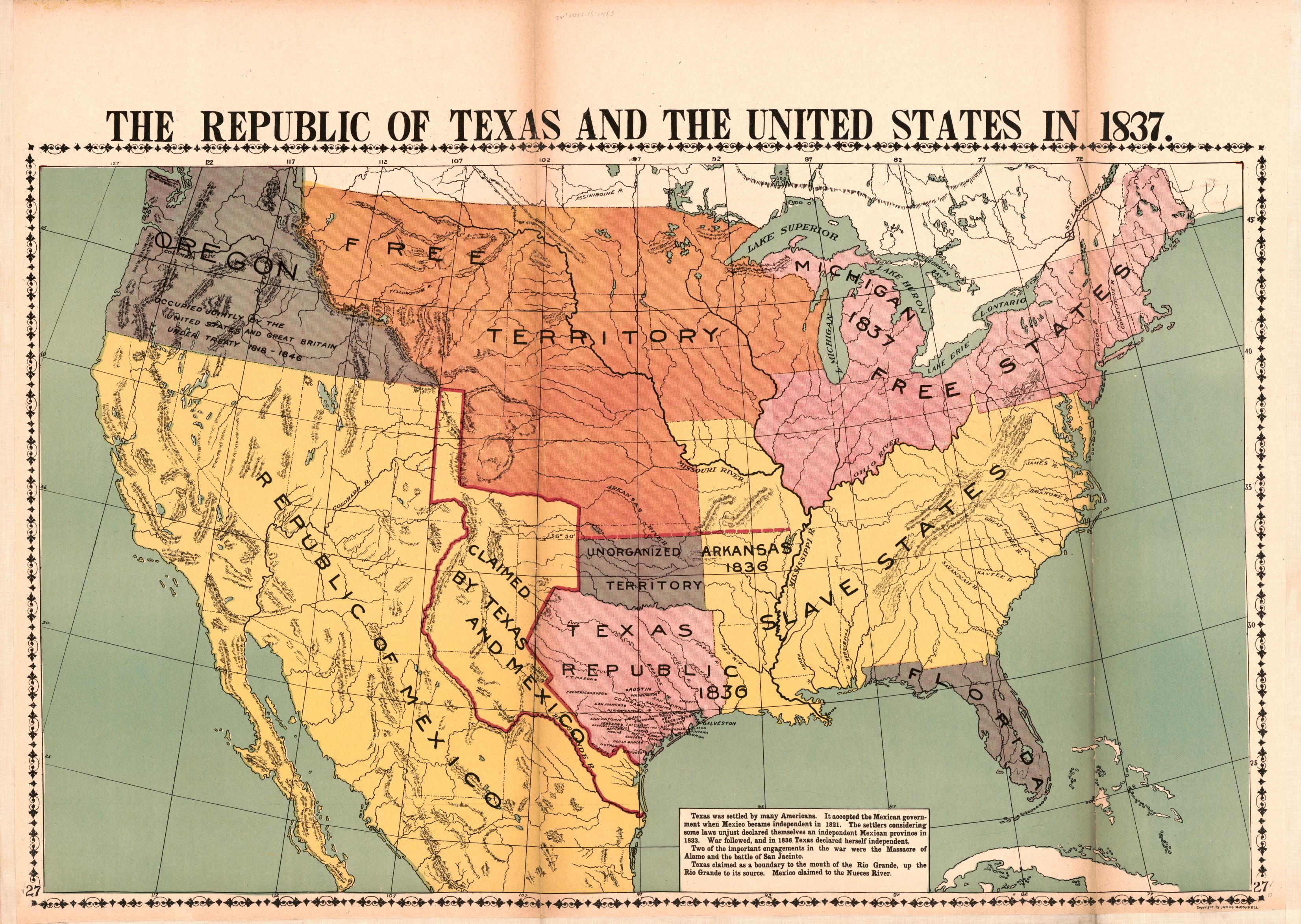
Before its independence, Texas was a sparsely populated province of Mexico, then known as Tejas. American settlers, invited by Mexico through empresarios like Stephen F. Austin, flocked to the fertile lands. However, cultural differences, disputes over slavery, and Mexico’s increasingly centralized government under General Antonio López de Santa Anna led to growing tensions. By the mid-1830s, these frictions erupted into open rebellion. The infamous Siege of the Alamo in March 1836, where a small group of Texan defenders made a valiant last stand, became a rallying cry. Shortly thereafter, at Washington-on-the-Brazos, delegates formally declared independence on March 2, 1836, establishing the Republic of Texas. This daring declaration, penned by George Childress, laid out grievances against the Mexican government and articulated the aspirations for self-governance.
The Birth of a Nation: The Republic of Texas (1836-1845)
The Declaration of Independence was followed by immediate and bloody conflict. Just weeks after the fall of the Alamo, Texan forces, led by General Sam Houston, achieved a decisive victory at the Battle of San Jacinto on April 21, 1836. This battle, lasting only 18 minutes, saw the capture of Santa Anna and effectively secured Texas’s independence.
The fledgling republic then embarked on the arduous task of nation-building. Sam Houston became its first president, serving two non-consecutive terms. The Republic of Texas faced immense challenges: ongoing threats from Mexico, financial instability, and diplomatic recognition from other nations. Its capital moved several times, from Columbia to Houston, and finally to Austin. Despite these difficulties, the republic established its own government, laws, and even a navy. The Lone Star flag, with its single white star, became a potent symbol of this independent spirit, a beacon of sovereignty that still flies proudly across the state. The landmarks of this period, from the preserved site of Washington-on-the-Brazos to the towering San Jacinto Monument, serve as powerful testaments to this formative era.
Annexation and the End of Sovereignty
The existence of an independent Republic of Texas was always precarious. Its leaders grappled with the choices of maintaining sovereignty, seeking annexation by the United States, or even considering ties with other European powers like Britain or France. The internal dynamics within the United States, particularly the contentious issue of slavery, initially delayed its admission.
The Path to Statehood
For years, the prospect of Texas joining the United States was a hotly debated topic. Southerners largely supported annexation, eager to expand slave territory, while Northerners largely opposed it. Financial struggles and the persistent threat of re-invasion from Mexico made annexation an increasingly attractive option for Texans. In the United States, the tide began to turn with the election of President James K. Polk in 1844, a staunch proponent of westward expansion and manifest destiny.
Finally, after considerable diplomatic maneuvering and political debate, the U.S. Congress approved the annexation of Texas in 1845. On December 29, 1845, Texas officially became the 28th state of the United States, relinquishing its status as an independent republic. The transition was unique in several aspects: Texas was allowed to keep its public lands (most other states ceded theirs to the federal government), and it retained the right to divide itself into up to five smaller states, a provision rooted in the annexation treaty, although it has never been exercised. These unique conditions further underscore Texas’s distinct path into the Union.
The U.S.-Mexico War and Border Disputes

The annexation of Texas was not met with acceptance by Mexico, which still considered Texas a rebellious province. A major point of contention was the boundary itself. Texas claimed its southern boundary extended to the Rio Grande River, while Mexico argued it was the Nueces River. This unresolved dispute, coupled with American expansionist desires, quickly escalated into the Mexican-American War (1846-1848). The conflict concluded with the Treaty of Guadalupe Hidalgo, which solidified the Rio Grande as the border and saw Mexico cede vast territories, including California, New Mexico, and Arizona, to the United States. Thus, Texas’s entry into the Union profoundly reshaped the map of North America.
Why the Question Persists: Texas’s Unique Identity
Even after over 175 years as a state, the question of whether Texas is a republic endures, less as a legal query and more as a reflection of its enduring cultural and political identity. The period of independence etched a powerful narrative of self-reliance, defiance, and a distinct “Texan” way of life.
Cultural Legacy and Pride
The nine years of the Republic of Texas are celebrated as a foundational myth, comparable to the American Revolution for the United States as a whole. This history instills a fierce sense of pride and a strong regional identity among Texans. The “Lone Star” motif isn’t just on the state flag; it’s woven into everyday life, from company logos to local folklore. This pride is visible in the efforts to preserve historical sites, tell the stories of its heroes, and educate new generations about this pivotal era. It’s a pride that suggests a deep connection to the idea of a self-sufficient, independent entity, even if that entity is now a state within a larger union.
Legal and Political Distinctions
While Texas operates under the U.S. Constitution and its own state constitution, some unique legal aspects stemming from its republican past contribute to its distinctive identity. The right to keep its public lands, as mentioned earlier, is a significant difference. Furthermore, persistent myths about Texas’s supposed “right to secede” are a common byproduct of this historical memory. While scholars and legal experts overwhelmingly agree that no state has the unilateral right to secede from the United States (a matter largely settled by the American Civil War), the notion occasionally resurfaces, fueled by a romanticized view of Texas’s independent origins. This cultural phenomenon, more than any legal reality, reinforces the “republican” spirit often associated with the state.
Exploring Texas’s Republican Heritage Today
For visitors and history enthusiasts, Texas’s republican past offers a rich tapestry of experiences. From iconic landmarks to living history events, the spirit of the independent republic is palpable across the state.
Historical Landmarks and Museums
No journey into Texas’s republican past would be complete without visiting its key historical sites. The Alamo in San Antonio stands as an enduring symbol of courage and sacrifice, a pilgrimage site for anyone interested in the Texan Revolution. Though the mission itself predates the republic, its role in the fight for independence is central to the narrative. Nearby, the San Jacinto Monument and San Jacinto Museum of History, towering over the battlefield where independence was won, offer panoramic views and comprehensive exhibits on the decisive victory.
In Washington-on-the-Brazos State Historic Site, visitors can explore the “Birthplace of Texas,” where the Declaration of Independence was signed and the first provisional government was formed. Reconstructed buildings and interpretive programs transport visitors back to this crucial moment. The Texas State Capitol in Austin, itself a magnificent architectural landmark, houses historical artifacts and portraits of the republic’s leaders, connecting its legislative halls to the legacy of those who first governed the independent nation. Major cities like Houston, Dallas, and Fort Worth also host numerous museums and historical societies that delve into various aspects of this formative period, showcasing everything from pioneer life to the political struggles of the era.

Festivals and Commemorations
Texans celebrate their republican heritage with an array of festivals and commemorations throughout the year. Texas Independence Day on March 2nd is a major observance, marked by parades, historical reenactments, and educational events across the state. The Battle of San Jacinto is also commemorated annually in April, often with a large-scale reenactment at the battlefield site. These events are not merely historical exercises; they are vibrant expressions of Texan identity, inviting both residents and visitors to connect with the past and understand the deep roots of the state’s unique character.
In conclusion, while Texas is no longer a sovereign republic, its nine years of independence fundamentally shaped its character and identity. The question “Is Texas a Republic?” serves as a powerful reminder of this distinctive past, influencing its culture, political discourse, and the very landscape of its historical landmarks. Exploring this rich history offers a unique insight into a state that, in many ways, still carries the proud, independent spirit of the Lone Star Republic.
LifeOutOfTheBox is a participant in the Amazon Services LLC Associates Program, an affiliate advertising program designed to provide a means for sites to earn advertising fees by advertising and linking to Amazon.com. Amazon, the Amazon logo, AmazonSupply, and the AmazonSupply logo are trademarks of Amazon.com, Inc. or its affiliates. As an Amazon Associate we earn affiliate commissions from qualifying purchases.