
While exploring the vibrant culture of Texas, perhaps you’ve stumbled upon the concept of “common law marriage.” It’s a fascinating facet of Texas law, distinct from traditional ceremonial weddings, and understanding its nuances is crucial for residents and visitors alike. This article delves into the specifics of what defines a common law marriage in the Lone Star State, offering clarity on this unique legal status.
Texas is one of a minority of states that still recognizes common law marriage, also known as informal marriage. This means that a couple can be legally married without ever going through a formal wedding ceremony, obtaining a marriage license, or exchanging vows in front of an officiant. The core idea is that the couple intends to be married and lives as if they are married. However, this isn’t a free-for-all; there are specific, strict requirements that must be met for a common law marriage to be legally valid in Texas. Failing to meet even one of these criteria means the marriage, however informal, will not be recognized by the state.

The Three Pillars of Texas Common Law Marriage
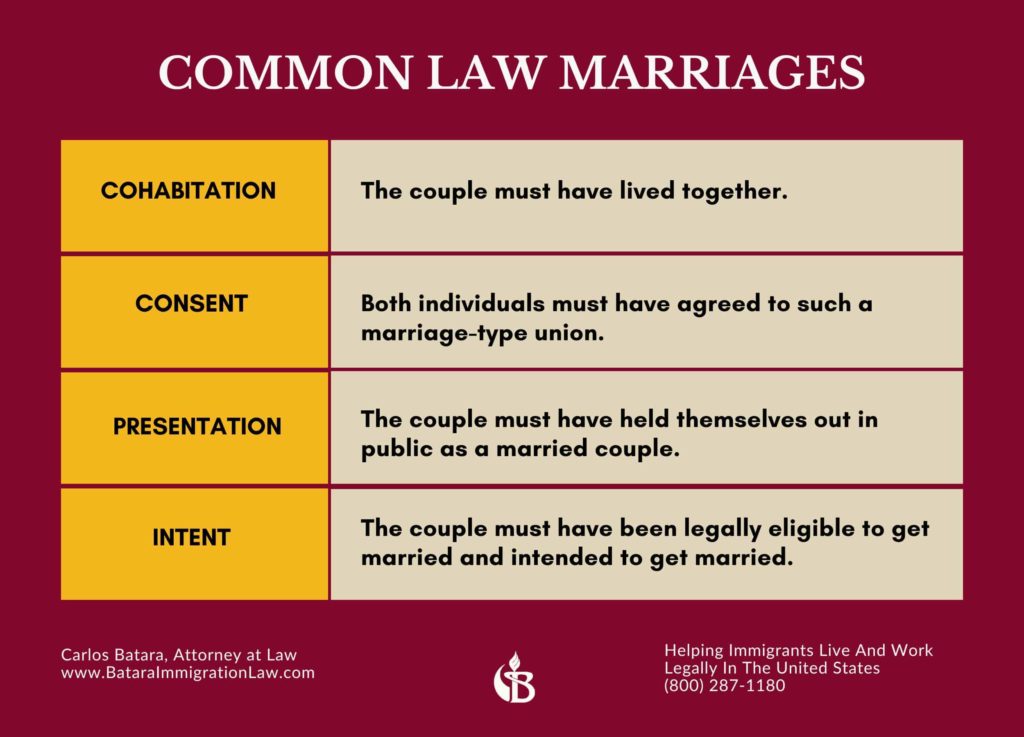
For a common law marriage to be established in Texas, three essential elements must be present simultaneously. Think of them as the legs of a stool – if any one is missing, the whole structure collapses. These elements are:
- An agreement to be married.
- A period of living together in Texas as husband and wife.
- Representing to others in Texas that they are married.
Let’s break down each of these pillars in detail to understand what they truly entail in practice.
1. The Agreement to Be Married
This is arguably the most critical and often the most challenging element to prove in a common law marriage case. The agreement must be a present agreement to be married, not a future promise. This means that at a specific point in time, both individuals mutually intended and agreed to consider themselves married to each other.
What this doesn’t mean:
- A future promise: Saying “Someday we’ll get married” or “We’ll get a marriage license next year” does not constitute a present agreement. The intention must be to be married now, not at some future date.
- A casual understanding: A vague feeling of commitment or assuming you’re married because you live together is insufficient. There needs to be a conscious, mutual decision.
What does constitute an agreement:
- Verbal agreement: The most straightforward way to establish this is through direct, spoken words where both parties explicitly state they are married or agree to be married. For example, saying to each other, “We are married now” or “Let’s be husband and wife.”
- Written agreement: While less common for informal marriages, a written document signed by both parties stating their intention to be married would serve as strong evidence.
- Circumstantial evidence: If direct verbal or written evidence is scarce, courts will look at the totality of the circumstances. This can include conversations with close friends or family where the couple discussed their marital status, or even internal thoughts and feelings expressed to each other that clearly indicate a mutual commitment to being married. The key is that the agreement must be mutual. One person believing they are married while the other does not is not enough.
The burden of proof lies on the party claiming the existence of the common law marriage to demonstrate that this agreement was present. This often involves testimony from the individuals themselves and potentially from witnesses who overheard such agreements or conversations.
2. Living Together in Texas
Once the agreement to be married is established, the couple must then cohabit in Texas as husband and wife. This “living together” aspect refers to more than just sharing a residence. It implies that the couple resides together in a marital relationship.
Key aspects of “living together”:
- Residency: The couple must have lived together as husband and wife in Texas. This means the cohabitation must have occurred within the state’s borders. Simply visiting Texas and living together for a period without the intent to establish residency or marital life there won’t suffice.
- Marital relationship: This element signifies that the couple has presented themselves to each other as spouses. It involves sharing a home, financial responsibilities, and the everyday intimacies and responsibilities associated with a married life. It’s about the nature of the cohabitation, not just the physical act of sharing a dwelling.
- Continuous period: While there isn’t a specific minimum duration mandated by law for cohabitation, it must be a sustained period. A single night or a very brief period of shared living after the agreement is typically not enough to establish this element. The duration is often considered in conjunction with the other elements.
It’s important to note that this “living together” doesn’t necessarily mean living in a home owned by one of the parties. Renting an apartment, staying in a hotel for an extended period as a couple (perhaps while on a long-term business trip or enjoying an extended stay in a vacation villa), or even living with family members can all qualify as cohabitation if the marital relationship is present. The focus is on the shared marital life, not the property ownership.
3. Holding Out to Others as Married
The final crucial element is that the couple must represent themselves to others in Texas as being married. This means they must hold themselves out to the public as husband and wife. This element is about external perception and how the couple presents their relationship to the world.
How couples “hold out”:
- Using the same last name: A common indicator is when one or both individuals adopt the other’s last name. This could be done formally or informally.
- Referring to each other as “husband” or “wife”: Introducing each other as such to friends, family, colleagues, or even in casual social settings is strong evidence.
- Filing joint tax returns: While this is a significant act, it’s not a mandatory requirement. However, if done, it’s powerful proof of holding out as married.
- Listing each other as spouse on official documents: This could include insurance forms, loan applications, or any other official paperwork where marital status is declared.
- Wearing wedding rings: While not conclusive on its own, wearing wedding rings is often presented as supporting evidence.
- Statements to third parties: Any verbal or written statements made by either individual to others indicating they are married is relevant. This could include statements made to a landlord, a bank, or even casual acquaintances.
The key here is that the “holding out” must be done in Texas. If a couple lives in another state and holds themselves out as married there, but then moves to Texas and doesn’t continue this public representation, it may not be sufficient to establish a Texas common law marriage. The public representation must be consistent with the intent to be married and the cohabitation within the state.
Proving a Common Law Marriage in Texas
Establishing a common law marriage in Texas isn’t always straightforward, especially when one party denies the marriage or when the relationship has ended. The burden of proof rests squarely on the individual seeking to prove the existence of the informal marriage. This is often necessary for legal purposes such as inheritance claims, divorce proceedings, or entitlement to benefits.
Legal Actions and Proof
When a common law marriage is disputed, it typically requires a legal proceeding. This could be a lawsuit to declare the existence of the marriage or as part of a divorce case. In such proceedings, courts will meticulously examine the evidence presented to determine if all three elements were met at the same time and in Texas.
Types of evidence that can be used:
- Testimony: The testimony of the individuals themselves is crucial, especially if they agree on the facts. However, if one party denies the marriage, the other must rely heavily on other forms of evidence.
- Witness testimony: Friends, family members, neighbors, or colleagues who have direct knowledge of the couple’s agreement, cohabitation, and public representation of their marital status can provide vital testimony.
- Documents: As mentioned earlier, any documents that reflect the couple holding themselves out as married – such as joint tax returns, insurance policies, leases naming both as spouses, or even social media posts – can be powerful evidence.
- Affidavits: Sworn written statements from individuals who have personal knowledge of the couple’s marital relationship.

The Importance of Seeking Legal Counsel
Navigating the complexities of proving a common law marriage can be challenging. The legal standards are precise, and the evidence required can be varied and sometimes difficult to obtain. If you believe you are in a common law marriage in Texas, or if the existence of such a marriage is being disputed, it is highly recommended to consult with an experienced family law attorney in Texas. An attorney can help you understand your rights and obligations, gather the necessary evidence, and guide you through the legal process.
While the idea of a marriage not requiring a ceremony or license might seem liberating, the legal requirements for its establishment are strict. For couples exploring the unique legal landscape of Texas, understanding these three pillars – agreement, cohabitation, and public representation – is essential to defining and proving a common law marriage. Whether you’re planning a trip to explore the historic Alamo or enjoying a luxurious stay at a resort in the Hill Country, being informed about Texas law, including its provisions on informal marriage, contributes to a richer and more secure experience in the Lone Star State.
LifeOutOfTheBox is a participant in the Amazon Services LLC Associates Program, an affiliate advertising program designed to provide a means for sites to earn advertising fees by advertising and linking to Amazon.com. Amazon, the Amazon logo, AmazonSupply, and the AmazonSupply logo are trademarks of Amazon.com, Inc. or its affiliates. As an Amazon Associate we earn affiliate commissions from qualifying purchases.