
Navigating the process of registering your vehicle in the Lone Star State can seem like a daunting task, especially for newcomers to Texas. Whether you’ve recently moved to the sprawling landscapes of Houston, the vibrant streets of Austin, or the historic charm of San Antonio, ensuring your car is legally registered is a crucial step in settling in. This guide will break down the essential requirements and procedures, making the experience as smooth as possible, much like planning your next adventure or finding the perfect accommodation for your lifestyle.
Understanding the prerequisites and gathering the necessary documentation upfront can save you time and avoid potential headaches. The Texas Department of Motor Vehicles (TxDMV) oversees vehicle registration, and they’ve established clear guidelines to ensure compliance and road safety. This process is designed to be straightforward, but being prepared is key. Think of it as packing for a trip to a new destination; knowing what to bring makes the journey much more enjoyable.
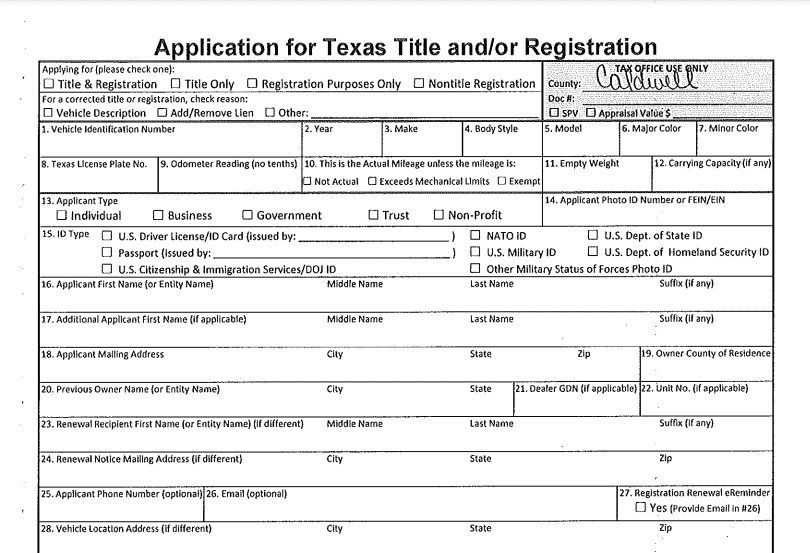
This article aims to equip you with all the information you need to successfully register your car in Texas, covering everything from initial requirements to the actual process. We’ll delve into the specific documents you’ll likely need, the fees involved, and where to go to complete the registration. Our goal is to simplify this administrative necessity, allowing you to focus on exploring the rich local culture, enjoying the diverse food scene, and discovering the numerous attractions and landmarks that Texas has to offer, from the vast Big Bend National Park to the historic Alamo.
Essential Documentation for Texas Vehicle Registration
The first and most critical step in registering your vehicle in Texas is to gather all the required documentation. These documents serve as proof of ownership, insurance, and compliance with state safety standards. Without these, your registration attempt will likely be unsuccessful. It’s akin to booking a suite at a luxury resort; you need to have your identification and booking details ready.
Proof of Identity and Residency
You’ll need to prove that you are who you say you are and that you are a resident of Texas. This is fundamental for any official government process.
- Valid Driver’s License: A current Texas driver’s license is usually the primary form of identification. If you’ve recently moved from another state, you’ll need to obtain a Texas driver’s license as part of the residency requirements. The Texas Department of Public Safety (DPS) handles driver’s licenses.
- Proof of Texas Residency: In addition to your driver’s license, you might be asked for other documents that demonstrate you live in Texas. This could include utility bills (electricity, water, gas) in your name, a lease agreement for your accommodation, or bank statements. These documents help confirm your address within the state.
Proof of Vehicle Ownership
Establishing that you legally own the vehicle you intend to register is paramount.
- Texas Vehicle Title: For most registrations, you will need the Texas vehicle title, properly assigned to you. If you purchased the vehicle recently and the title hasn’t been transferred to your name, you’ll need to complete that process first. The TxDMV is the agency responsible for title transfers.
- Out-of-State Title: If your vehicle was previously registered in another state, you will need to present the title from that state. The TxDMV will then process this to issue a Texas title.
- Bill of Sale: In cases where you purchased a vehicle, a bill of sale might be required, especially if it helps clarify the transaction details or if the title is not yet in your possession.
Proof of Insurance
Driving an unregistered or uninsured vehicle is illegal and poses significant risks. Texas law mandates that all registered vehicles must have valid liability insurance.
- Texas Liability Insurance Card: You must provide proof of current Texas liability insurance. This typically comes in the form of an insurance card or a policy declaration page from a Texas-approved insurance provider. The policy must meet the minimum coverage requirements set by the state. If you are looking for insurance, many providers offer online comparison tools, much like comparing hotels for your next family trip.
Vehicle Inspection Certificate
Before you can register your vehicle, it must pass a Texas state vehicle inspection. This inspection ensures the vehicle meets safety and environmental standards.
- Vehicle Inspection Report (VIR): You will need a completed Texas Vehicle Inspection Report (VIR) dated within the last 90 days. This report is issued by a licensed Texas inspection station. If your vehicle fails the inspection, you will need to get it repaired and re-inspected before you can proceed with registration. This is a critical step for ensuring the safety of Texas roadways and protecting the environment, adding to the overall quality of life for residents.
The Vehicle Registration Process in Texas
Once you have all your documentation in order, the next step is to navigate the actual registration process. This typically involves visiting a local county tax assessor-collector’s office. These offices act as local agents for the TxDMV.

Where to Register Your Vehicle
The primary locations for vehicle registration in Texas are county tax assessor-collector offices. You can find the office nearest to you by checking your county’s official website. Many counties also offer online services or appointment scheduling to streamline the process.
- County Tax Assessor-Collector Offices: These offices are equipped to handle title transfers, registration renewals, and initial registrations. They are your one-stop shop for most vehicle-related transactions. Planning your visit during off-peak hours can make the experience more efficient, similar to booking an apartment for a long-term stay during the shoulder season.
Fees and Payment
There are fees associated with registering your vehicle in Texas. These fees contribute to road maintenance, transportation infrastructure, and other state services. The amount can vary based on factors such as the type of vehicle, its weight, and its age.
- Registration Fees: The standard registration fee for passenger vehicles is typically around $50. However, this can be subject to change and may include additional county-specific fees.
- Additional Fees: You may also encounter fees for title transfers, license plate types (e.g., specialty plates), and potentially other administrative charges. It’s advisable to have a budget in mind and be prepared to pay with cash, check, or credit/debit card, as payment methods can vary by county office.
License Plates and Stickers
Upon successful completion of your registration, you will receive your Texas license plates and a registration sticker.
- License Plates: You will be issued a standard Texas license plate. If you are interested in specialty plates that represent various organizations, interests, or causes, you can inquire about these options. These can add a personal touch to your vehicle, much like choosing a unique travel experience.
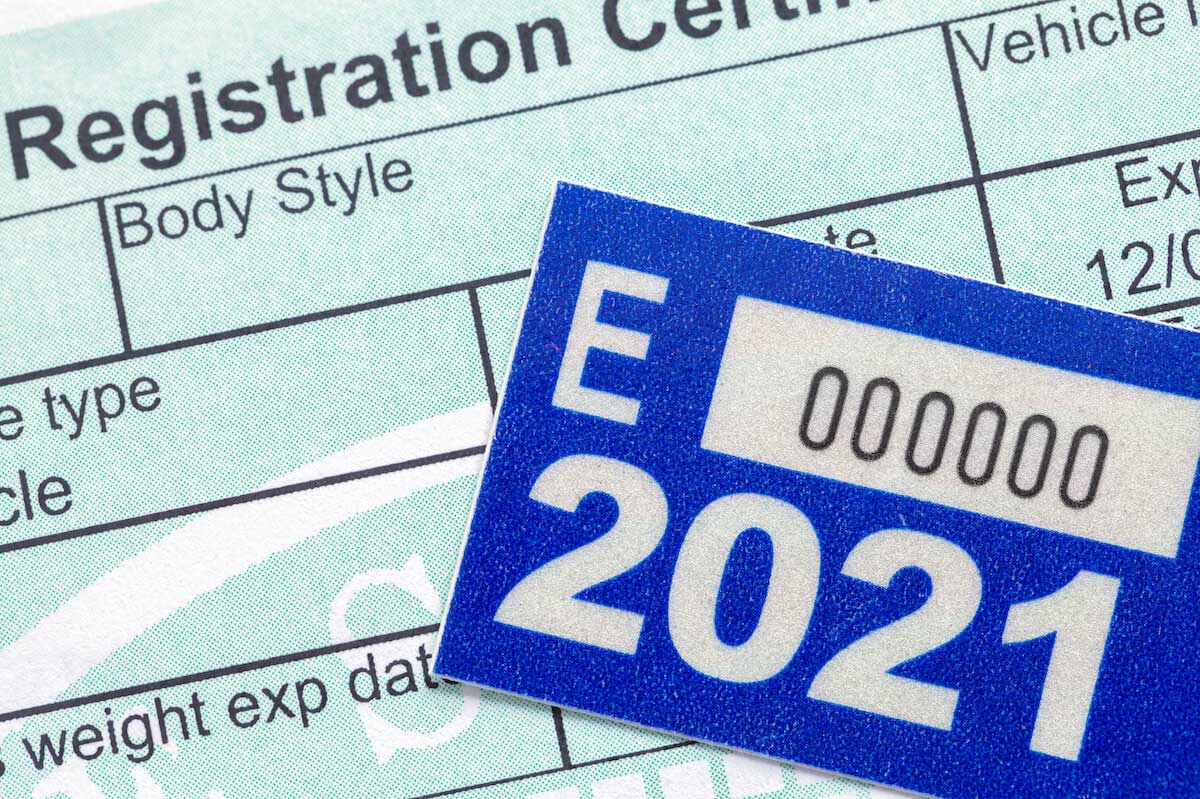
- Registration Sticker: The registration sticker, which displays the expiration date of your registration, must be affixed to your license plate. It’s crucial to keep your registration current to avoid fines and penalties.
Renewal and Special Circumstances
Vehicle registration in Texas is not a one-time event. It needs to be renewed periodically, typically annually. Understanding the renewal process and what to do in special circumstances, like moving to Texas with a vehicle from out of state, is essential.
Annual Renewal
Your vehicle registration expires annually, and you’ll need to renew it before the expiration date to avoid late fees and penalties.
- Renewal Options: Texas offers several convenient ways to renew your registration:
- Online: The TxDMV website often provides an online renewal portal, which is the quickest and most convenient method for many. You’ll typically need your license plate number and payment information.
- By Mail: You can usually renew your registration by mail by sending in the required renewal notice and payment.
- In Person: You can also renew in person at a county tax assessor-collector’s office.
- Renewal Notice: You should receive a renewal notice in the mail a few weeks before your registration expires. It’s important to keep your mailing address updated with the TxDMV to ensure you receive these notices.
Registering a Vehicle from Out of State
If you’re moving to Texas and bringing your vehicle with you, you’ll need to register it in your new home state. This process involves a few additional steps compared to registering a vehicle already titled in Texas.
- Initial Steps: You will generally need to obtain a Texas driver’s license and a Texas vehicle title first. This often requires bringing your out-of-state title to the county tax assessor-collector’s office.
- Vehicle Inspection: Your vehicle will need to pass the Texas state vehicle inspection.
- Insurance: You must obtain Texas liability insurance.
- Finalizing Registration: Once these steps are completed, you can proceed with registering your vehicle and obtaining Texas license plates. This is a common process for many who move to Texas seeking new lifestyle opportunities, perhaps drawn by the vibrant music scene in Austin or the business opportunities in Dallas.
Specialty Plates and Other Considerations
Texas offers a wide array of specialty license plates that allow vehicle owners to express their interests, support causes, or simply personalize their vehicles.
- Specialty Plates: From plates supporting Texas universities and wildlife conservation to those representing specific professional organizations, the options are diverse. You can explore these when you register or renew your vehicle. They can be a fun way to showcase your affiliations, much like choosing a unique experience for your travels.
- Temporary Registration: If you’ve purchased a vehicle and are waiting for your permanent Texas title and registration, you may be eligible for temporary registration permits. These allow you to legally drive your vehicle for a limited time.
By understanding these requirements and processes, registering your car in Texas becomes a manageable task, allowing you to quickly get back to enjoying everything the state has to offer, whether it’s exploring the historical sites of Goliad State Park, enjoying a luxury stay at the Rosewood Mansion on Turtle Creek, or embarking on a budget-friendly adventure through the Texas Hill Country.
LifeOutOfTheBox is a participant in the Amazon Services LLC Associates Program, an affiliate advertising program designed to provide a means for sites to earn advertising fees by advertising and linking to Amazon.com. Amazon, the Amazon logo, AmazonSupply, and the AmazonSupply logo are trademarks of Amazon.com, Inc. or its affiliates. As an Amazon Associate we earn affiliate commissions from qualifying purchases.