
Nevada, a state synonymous with dazzling Las Vegas Strip and breathtaking natural landscapes, attracts millions of visitors annually. As travelers plan their adventures, from exploring the glittering casinos of Las Vegas to hiking in the rugged beauty of Red Rock Canyon National Conservation Area, understanding local laws is paramount for a smooth and safe experience. One such area of inquiry, particularly for those who own firearms, revolves around open carry regulations. This article delves into the specifics of open carry laws in Nevada, offering clarity for both residents and tourists.
Nevada’s approach to firearms, including open carry, is generally permissive compared to some other states. However, like any legal matter, there are nuances and exceptions that every individual should be aware of. Navigating these regulations ensures responsible gun ownership and respects the laws of the Silver State. Whether you’re considering a trip to Reno for its vibrant arts scene or planning a family vacation exploring the Hoover Dam, understanding the legal framework surrounding open carry can provide peace of mind.

Understanding Nevada’s Open Carry Laws
Nevada’s open carry laws are relatively straightforward, but it’s crucial to grasp the core principles. Generally, in Nevada, a person who is 18 years of age or older and legally permitted to possess a firearm may openly carry a handgun or rifle in most public places without a permit. This means that displaying a holstered handgun on your hip or carrying a rifle openly is, in most circumstances, permissible. However, this right is not absolute and is subject to several important restrictions and exceptions.
Who Can Open Carry?
The primary requirement for open carrying in Nevada is age. Individuals must be 18 years of age or older to openly carry a firearm. This age restriction applies to both handguns and long guns. Furthermore, as with all firearm ownership, individuals must be legally permitted to possess a firearm. This means that individuals who are prohibited from owning firearms due to felony convictions, domestic violence restraining orders, or other legal disqualifications are also prohibited from open carrying. The state adheres to federal laws concerning firearm possession, which also sets forth disqualifying factors.
It’s also important to note that while Nevada law allows for open carry, federal laws and the laws of other states may differ. For example, if you are traveling to Nevada from another state, it is your responsibility to understand how Nevada‘s laws apply to you and how they interact with the laws of your home state or any other states you may travel through. This is especially relevant for those planning road trips that might involve stops in different jurisdictions.
Where Can You Open Carry?
In Nevada, you can generally open carry in most public places. This includes streets, parks, and other outdoor areas. However, there are several significant exceptions where open carry is strictly prohibited, regardless of age or firearm possession legality. Understanding these prohibited locations is as crucial as knowing where it is permitted.
One of the most significant exceptions is within any “prohibited area” as defined by Nevada Revised Statutes (NRS) 202.245. These areas include, but are not limited to:
- Schools: This is a blanket prohibition. No firearms are allowed on the grounds of any public or private school, including kindergartens, elementary schools, junior high schools, and high schools. This also extends to school property, including parking lots, even if you are just picking up or dropping off a student.
- Federal Buildings: Firearms are generally prohibited in federal buildings. This includes post offices, federal courthouses, and other federal facilities.
- Courts and Court Facilities: Firearms are prohibited in courthouses and other facilities where judicial proceedings take place.
- Law Enforcement Facilities: This includes police stations and sheriff’s offices.
- Correctional Facilities: Prisons, jails, and detention centers are, as expected, firearm-free zones.
- Secure Areas of Airports: This refers to the areas beyond security checkpoints within airports.
- Casinos: This is a significant point for many visitors to Las Vegas. Nevada law generally prohibits the carrying of firearms, whether openly or concealed, in licensed gaming establishments (casinos) that have posted signs prohibiting firearms. While not all casinos explicitly post these signs, it is a common practice, and it is your responsibility to look for them. Many major establishments on the Las Vegas Strip, such as The Bellagio or Caesars Palace, are likely to have such signage.
- Private Property with Posted Signs: If private property owners display signs prohibiting firearms, then firearms are prohibited on that property. This is a common practice at many businesses, restaurants, and hotels. It is crucial to be observant and respect such signage.
It is also important to understand that even if a location is not explicitly listed as prohibited, local ordinances or specific venue policies might restrict firearms. For instance, while Nevada state law might permit open carry in a park, a specific city or county within Nevada might have its own regulations, or the park itself might have rules against firearms. Always be aware of your surroundings and any posted rules.
Open Carry vs. Concealed Carry
In Nevada, there’s a distinction between open carry and concealed carry. While open carry is generally allowed without a permit for those 18 and older, concealed carry of a handgun requires a Nevada CCW (Carry Concealed Weapon) permit. Obtaining a CCW permit involves a more rigorous process, including a background check and firearms training.
For many, the simplicity of open carry in Nevada can be appealing. However, it’s essential to recognize that openly displaying a firearm can attract attention and may lead to misunderstandings or interactions with law enforcement. While legal, it is a choice that comes with inherent visibility. Concealed carry, on the other hand, offers a discreet way to carry a handgun, but it necessitates obtaining the proper permit.
Travelers from out of state should also be aware of Nevada‘s reciprocity agreements for CCW permits. Nevada recognizes concealed carry permits from many other states. However, the rules for open carry can be different and may not have the same level of interstate recognition.
Important Considerations for Travelers
For those planning a trip to Nevada, whether for the bustling energy of Las Vegas or the serene beauty of Lake Tahoe, understanding open carry laws is a vital part of responsible travel. Beyond the basic legality, several practical aspects can enhance your safety and compliance.
Responsible Handling and Storage
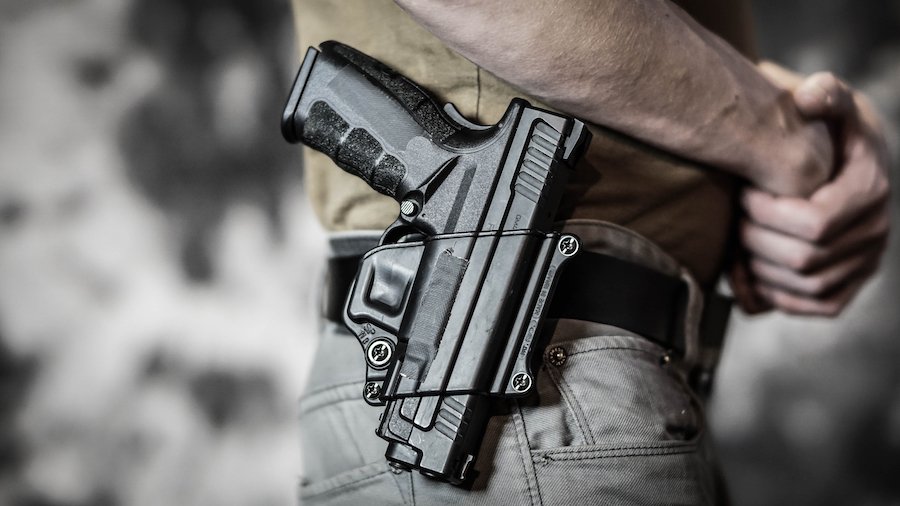
Regardless of whether you are open carrying or simply transporting a firearm, responsible handling and secure storage are paramount. When open carrying, ensure your firearm is properly holstered and secured to prevent accidental discharge. For transportation, firearms should be unloaded and stored in a locked container, separate from ammunition, when traveling in a vehicle. This is particularly important when driving through areas with differing laws or when staying in hotels.
Many hotels in Nevada, including well-known establishments like the MGM Grand Hotel & Casino or the Venetian Resort Las Vegas, may have their own policies regarding firearms. It is advisable to contact the hotel directly before your stay to inquire about their specific rules. Some hotels may require firearms to be stored in their safe deposit boxes, while others may have specific procedures for guests carrying firearms. Failing to comply with hotel policies could lead to eviction or other consequences.
Navigating Tourist Hotspots
When visiting popular tourist destinations like the Fremont Street Experience in Las Vegas, or exploring the natural wonders of Valley of Fire State Park, it’s essential to be mindful of the legal landscape. While open carry might be permissible in general public areas, these high-traffic tourist zones can sometimes have specific signage or local ordinances in place. Always be observant for any signs that prohibit firearms. In Las Vegas, the presence of casinos means that many establishments will have no-firearm policies.
If you are planning activities that involve rental accommodations, such as vacation apartments or villas found on booking platforms, review the property’s rules carefully. Long-term stays or short vacations in private rentals may also be subject to the owner’s policies or local regulations.
Legal Reciprocity and Out-of-State Travelers
For individuals traveling to Nevada from other states, understanding firearm laws is crucial. Nevada generally honors the right to open carry for individuals who are legally allowed to possess firearms, even if they are not Nevada residents. However, this does not mean that Nevada‘s laws are identical to every other state’s laws.
If you are carrying a firearm into Nevada from another state, you must ensure you are compliant with both federal and Nevada state laws. If you possess a concealed carry permit from your home state, you should verify if Nevada recognizes it for concealed carry. For open carry, the rules are typically less dependent on permits, but the prohibitions on specific locations still apply universally.
It is always wise to consult the official Nevada Department of Public Safety or a legal professional if you have any doubts about specific regulations. This is particularly important when planning to carry firearms while engaging in activities like visiting National Parks, attending events, or exploring different cities within Nevada, such as Henderson or Sparks.
Legal Ramifications and Best Practices
Understanding and adhering to Nevada‘s open carry laws is not just about avoiding legal trouble; it’s about ensuring the safety and well-being of yourself and others. The legal ramifications for violating these laws can be severe, ranging from fines to criminal charges.
Penalties for Violations
Carrying a firearm in a prohibited area in Nevada can result in serious penalties. Depending on the specific location and circumstances, violations can be classified as misdemeanors or even felonies. For example, carrying a firearm onto school property is a felony offense. Similarly, knowingly entering a casino that has posted no-firearm signs can lead to charges.
Beyond the criminal penalties, violating firearm laws can have long-term consequences, including a criminal record that can impact future employment, housing, and even the ability to legally possess firearms in the future. For tourists, such an incident could also lead to travel restrictions and significant disruption to their plans.

Recommended Practices for Safe Travel
To ensure a safe and legal experience in Nevada, consider the following best practices:
- Educate Yourself: Thoroughly research Nevada‘s firearm laws before your trip. Pay close attention to the list of prohibited locations.
- Be Observant: Always look for signage at businesses, hotels, and public facilities that might prohibit firearms. When in doubt, err on the side of caution and leave your firearm secured.
- Secure Storage: If you are not openly carrying, ensure your firearm is unloaded and securely stored in a locked container when in transit or at your accommodation.
- Contact Accommodation Providers: If you plan to bring a firearm, contact your hotel or rental property in advance to understand their policies.
- Respect Private Property Rights: Private property owners have the right to prohibit firearms on their premises. Respect these rights by adhering to posted signs.
- Avoid Provocative Behavior: Openly carrying a firearm can draw attention. Be mindful of your behavior and avoid any actions that could be perceived as threatening or aggressive. The goal is to be prepared and lawful, not to intimidate.
By following these guidelines and staying informed, visitors and residents can enjoy Nevada‘s diverse attractions, from the entertainment hubs of Las Vegas and Reno to the natural beauty of destinations like Great Basin National Park or the Black Rock Desert, with confidence and in full compliance with the law. Responsible gun ownership is a key aspect of enjoying the freedoms and opportunities that Nevada offers.
LifeOutOfTheBox is a participant in the Amazon Services LLC Associates Program, an affiliate advertising program designed to provide a means for sites to earn advertising fees by advertising and linking to Amazon.com. Amazon, the Amazon logo, AmazonSupply, and the AmazonSupply logo are trademarks of Amazon.com, Inc. or its affiliates. As an Amazon Associate we earn affiliate commissions from qualifying purchases.