
Navigating the vibrant streets of Louisiana is an experience that awakens the senses. From the jazz-filled air of the French Quarter to the spicy aroma of crawfish boils in Lafayette, the state offers a cultural richness unlike any other in the United States. However, for the savvy traveler, understanding the local economy is just as important as knowing where to find the best beignets. One of the most common questions for visitors planning their budget is: “How much is sales tax in Louisiana?”
The answer is a blend of state-wide mandates and localized parish rates that can catch an unsuspecting tourist off guard. While Louisiana is famous for its hospitality, its sales tax system is among the most complex in the country. For those visiting iconic landmarks like Jackson Square or shopping at the Lakeside Shopping Center, having a firm grasp on these costs is essential for a stress-free vacation.
Understanding the Louisiana Sales Tax Structure
To understand the total cost of a souvenir or a meal, one must first understand that Louisiana utilizes a dual-layered tax system. This means that both the state government and the local municipal governments (parishes and cities) levy their own taxes on transactions.
The State Level Base Rate
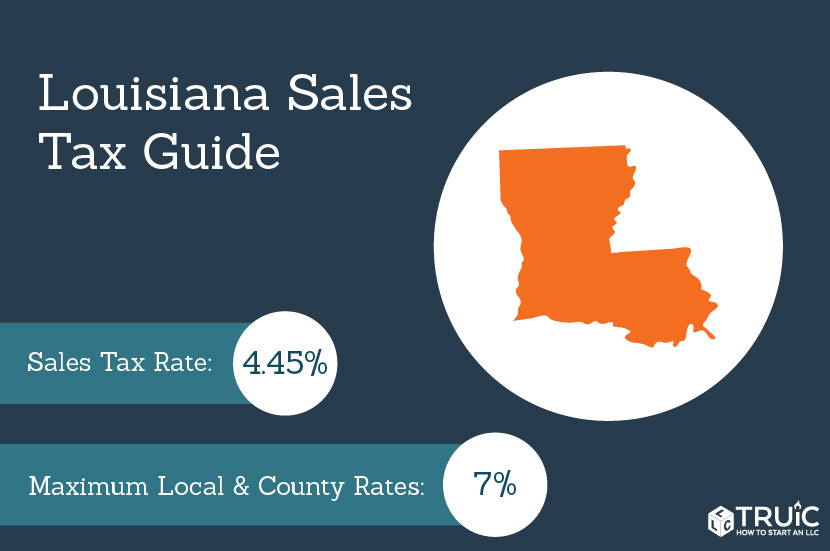
As of current regulations, the state sales tax rate in Louisiana is 4.45%. This is the foundational rate that applies to most retail sales of tangible personal property, the rental or lease of movable property, and the payment for certain services. Whether you are buying a handmade mask in New Orleans or a fishing rod in Lake Charles, this 4.45% is the starting point for your calculation.
Local Parish and Municipal Add-ons
Where things get interesting for the tourist is at the local level. Each parish (the Louisiana equivalent of a county) has the authority to add its own sales tax. Furthermore, individual cities within those parishes, such as Baton Rouge or Shreveport, may add even more.
When you combine the state rate with the local rates, the total sales tax in popular tourist destinations often hovers between 9% and 11%. This puts Louisiana among the highest in the nation for combined sales tax rates. For example, if you are dining near the Mississippi River in New Orleans, you can expect the total tax on your bill to be significantly higher than if you were shopping in a more rural part of the state.
Why Taxes Vary by Location
The variation in rates is often tied to the services provided to tourists. In high-traffic areas like the Garden District, the tax revenue helps maintain historic infrastructure, provides additional security, and funds the many festivals that draw millions to the state each year. When you pay sales tax at a boutique near the St. Louis Cathedral, a portion of those funds is cycling back into the preservation of the very history you came to see.
Louisiana Tax Free Shopping for International Visitors
One of the most unique aspects of Louisiana tourism is that it was the first state in the United States to offer sales tax refunds to international travelers. This program, known as Louisiana Tax Free Shopping, is a significant draw for visitors from Canada, Mexico, France, and beyond.
How the Refund Works
International visitors can receive a refund on the state sales tax and, in many cases, the local sales tax paid on tangible items purchased at participating retailers. It is important to note that this does not apply to services, such as hotel stays or restaurant meals. To qualify, you must shop at a store that displays the Louisiana Tax Free Shopping logo. When making a purchase, you must present a valid foreign passport and request a tax refund voucher.
Where to Claim Your Refund
The process of getting your money back is relatively straightforward. There are several refund centers located throughout the state. The most convenient for many is the refund center at the Louis Armstrong New Orleans International Airport. Other locations include Canal Place in the heart of downtown New Orleans and the Macy’s at Lakeside Shopping Center in Metairie.
Essential Documents for Tourists
To ensure a smooth refund process, travelers should keep their original receipts and the vouchers provided by the merchants. When you visit a refund center, you will need:
- Your foreign passport with a valid United States visa (if applicable).
- Your international travel ticket or flight itinerary showing your departure from the country.
- The vouchers and receipts from your purchases.
For many high-end shoppers looking for luxury goods at The Outlet Collection at Riverwalk, these refunds can add up to hundreds of dollars, making the “extra” tax at the register much more manageable.
Budgeting for Tax in Major Louisiana Cities
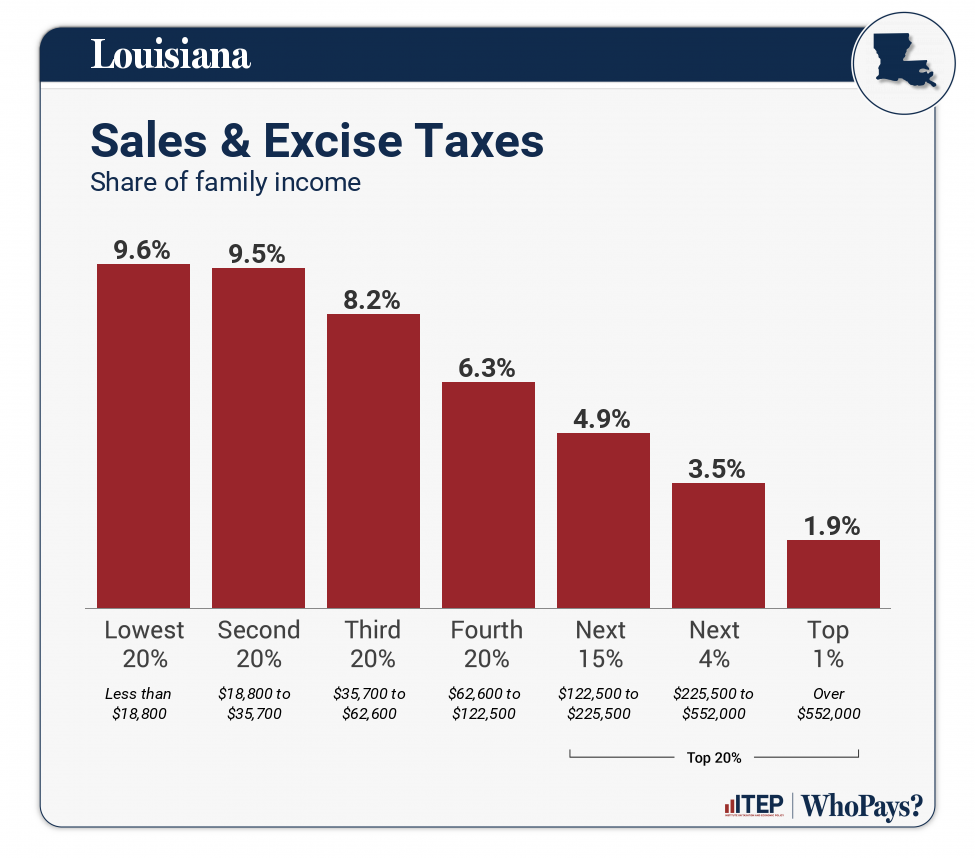
When planning your tourism itinerary, it helps to know the specific rates for the cities you intend to visit. While these rates are subject to change, they provide a reliable ballpark for budgeting your daily expenses.
New Orleans: The Heart of the Action
In New Orleans, the combined sales tax rate is typically around 9.45%. This covers everything from the beads you might buy on Bourbon Street to the art you find in the galleries along Royal Street. However, there is an additional “hotel tax” or “occupancy tax” that can push the cost of your stay higher, often reaching 14% to 16% depending on the size and location of the hotel.
Baton Rouge: The Capital Experience
Visiting the Louisiana State Capitol in Baton Rouge offers a different atmosphere. The sales tax rate here is slightly higher than the state average, usually totaling around 9.95%. This applies to shopping at the Mall of Louisiana or dining at the upscale eateries in the Perkins Rowe district.
Lafayette and Acadiana Culture
For those heading into the heart of Cajun country, Lafayette offers a combined rate of approximately 8.45% to 9.45%. While you are exploring the Vermilionville Historic Village, keep in mind that these taxes support the local cultural preservation programs that make Acadiana so unique.
Shreveport and North Louisiana
In the northern part of the state, Shreveport has a combined rate that often touches 9.6%. If you are spending time at the casinos or visiting the Sci-Port Discovery Center, the sales tax will be a consistent factor in your incidental spending.
Practical Tips for Managing Costs as a Tourist
While sales tax is unavoidable, there are ways to manage your budget effectively while exploring the wonders of Louisiana. Tourism is about the experience, and a little preparation goes a long way.
Factor Tax into the Listed Price
Unlike in many European countries, prices displayed on tags in Louisiana stores do not include sales tax. If you see a souvenir for $20.00 at a shop near the National WWII Museum, expect to pay roughly $22.00 at the counter. Always add roughly 10% to any price tag in your head to avoid surprises.
Understand the “Sin Taxes”
Louisiana imposes excise taxes on items like tobacco and alcohol. While these are often included in the shelf price of the item, the sales tax is then applied on top of that total. If you are enjoying the nightlife on Frenchmen Street, remember that the high cost of drinks often includes these specific state levies intended to support public health and infrastructure.
Look for Tax-Free Holidays
Occasionally, Louisiana holds “Sales Tax Holidays,” where the state waives its portion of the sales tax on certain items, such as school supplies or hurricane preparedness gear. While these are usually aimed at residents, a tourist in Kenner or Bossier City during these times can also benefit from the savings on qualifying purchases.
Dining and Service Taxes
When dining out, remember that the sales tax applies to the food and drink, but it does not include the tip. In Louisiana culture, tipping is a vital part of the service industry. A standard tip is 18-20% of the pre-tax total. When you combine a 10% sales tax and a 20% tip, your total bill will be about 30% higher than the menu prices. Budgeting for this ensures you can enjoy the culinary delights of Commander’s Palace or Galatoire’s without financial stress.
Why Sales Tax Matters to Louisiana Tourism
It might seem like a dry topic, but sales tax is the engine that keeps Louisiana’s tourism industry running. The state relies heavily on these funds to promote its unique culture to the world.
Funding Festivals and Events
From Mardi Gras to the New Orleans Jazz & Heritage Festival, the massive logistical undertakings required for these events are funded in part by tax revenue. Security, sanitation, and street closures in the Central Business District are essential for a safe and enjoyable tourist experience.
Infrastructure and Preservation
The historic charm of Natchitoches or the preservation of the Old State Capitol requires constant investment. By paying sales tax, tourists are directly contributing to the longevity of the landmarks they visit. It ensures that the Audubon Zoo and the City Park remain beautiful for generations to come.

Economic Impact
Tourism is one of the top employers in Louisiana. The sales tax collected from visitors helps fund education and healthcare for the very people who make your stay memorable—the musicians, the chefs, and the tour guides. When you understand the “why” behind the tax, it becomes easier to see it as a contribution to the vibrant life of the state.
In conclusion, while the answer to “How much is sales tax in Louisiana?” varies depending on your exact location, planning for a total rate of around 10% is a safe bet for any visitor. Whether you are marvelling at the St. Charles Avenue streetcars or exploring the swamps near Houma, being an informed traveler allows you to focus on what truly matters: soaking up the incomparable spirit of the Pelican State.
LifeOutOfTheBox is a participant in the Amazon Services LLC Associates Program, an affiliate advertising program designed to provide a means for sites to earn advertising fees by advertising and linking to Amazon.com. Amazon, the Amazon logo, AmazonSupply, and the AmazonSupply logo are trademarks of Amazon.com, Inc. or its affiliates. As an Amazon Associate we earn affiliate commissions from qualifying purchases.