
For anyone embracing a dynamic lifestyle, particularly one that involves travel, exploration, or simply the freedom to move unhindered, maintaining an up-to-date driver’s license is paramount. In the vast and diverse landscape of Texas, a valid license is more than just a piece of plastic; it’s a gateway to open roads, essential services, and uninterrupted adventures. Whether you’re planning a scenic road trip through Big Bend National Park, navigating the bustling streets of Houston, or simply need a reliable form of identification for domestic travel, understanding the renewal process for your Texas license is a vital aspect of proactive lifestyle management.
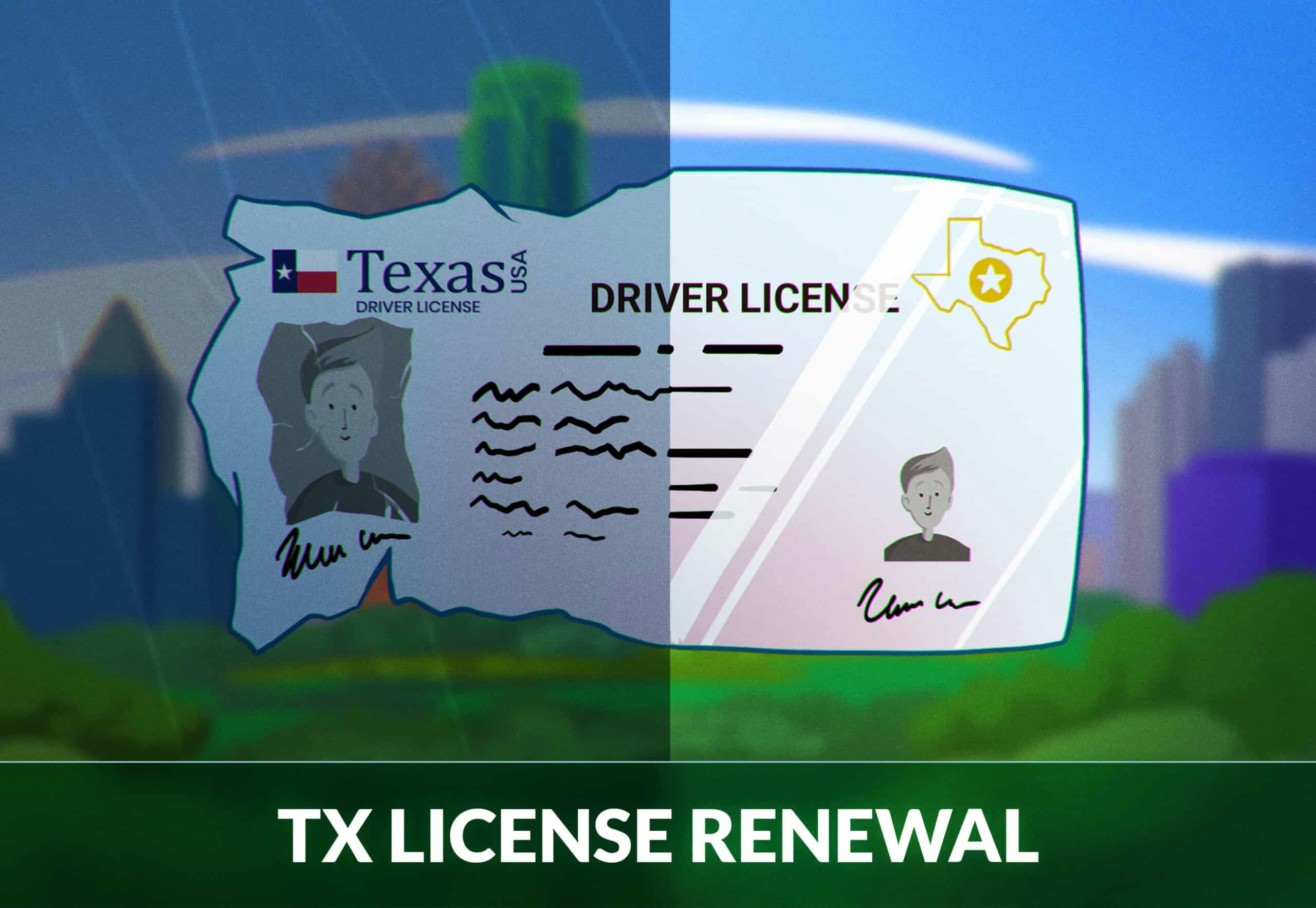
This comprehensive guide will demystify the requirements and procedures for renewing your license in the Lone Star State, ensuring you remain compliant and ready for whatever your lifestyle demands. We’ll delve into everything from eligibility and documentation to the various renewal methods, all aimed at streamlining a process that might otherwise seem daunting. By planning ahead and understanding the specifics, you can avoid potential inconveniences and keep your travel and daily life running smoothly.
Why Your Texas License is More Than Just a Card
A valid Texas driver’s license serves multiple critical functions beyond merely legalizing your presence behind the wheel. For individuals who value spontaneity and freedom in their lifestyle, its importance cannot be overstated. From impromptu weekend getaways to essential business trips, your license is the foundation of your mobility and official identity.
Unlocking Freedom and Mobility
Imagine the open road stretching before you, beckoning you to explore the unique cultures of San Antonio, the vibrant music scene of Austin, or the historical charm of Dallas. Your Texas driver’s license is the key to unlocking these experiences. It’s what allows you to rent a car, drive your own vehicle legally, and traverse the state’s extensive highway system without worry. For the lifestyle adventurer, an expired license means grounded plans, missed opportunities, and the frustrating inability to control your own itinerary. It’s an essential tool for those who crave the independence of personal transportation, whether for leisure or professional commitments that involve travel within or beyond the state borders.
A Key to Identity and Services
Beyond driving privileges, your Texas driver’s license functions as a primary and universally accepted form of identification across the U.S.. This is especially relevant for those living a mobile lifestyle or engaging in frequent travel. From checking into hotels and boarding domestic flights to verifying your age at various establishments, your license is routinely requested. For individuals constantly on the move, carrying a single, valid, and recognizable form of ID simplifies numerous daily interactions. Furthermore, it’s often required for official transactions, opening bank accounts, signing leases, or accessing government services. Keeping it current ensures that your personal and professional life proceeds without bureaucratic hitches, allowing you to focus on your journey rather than administrative roadblocks.
Navigating the Texas License Renewal Process
The Texas Department of Public Safety (DPS) aims to make the renewal process as straightforward as possible, offering several convenient options to accommodate various lifestyles. Understanding these options and your eligibility is the first step toward a smooth renewal.
Eligibility and When to Renew
Most Texas driver’s licenses are valid for a period of eight years. Generally, you can renew your license up to two years before its expiration date. This generous window allows ample time to plan your renewal, even if your lifestyle involves extended periods away from your primary residence. To be eligible for renewal, you typically must:
- Be a U.S. citizen or have legal presence.
- Your license cannot be suspended, revoked, or canceled.
- You must not have any outstanding traffic tickets or warrants.
- You must be a Texas resident.
Certain circumstances, such as being 79 years of age or older, having specific medical conditions, or a commercial driver’s license, might have slightly different renewal frequencies or requirements. It’s always best to check the DPS website for the most current and personalized information.
Renewal Options for the Modern Traveler
Texas offers multiple renewal avenues, catering to the diverse needs of its residents. Choose the method that best fits your schedule and lifestyle:
- Online Renewal: This is by far the most convenient option for many, especially those who travel frequently or have limited time. If you are a U.S. citizen, your license has not been expired for more than two years, and your last renewal was in person, you might be eligible to renew online. This method allows you to update your information and pay fees from anywhere with internet access, perfect for maintaining your license while on a business trip or extended vacation.
- Mail Renewal: For those who prefer a traditional approach or might not have immediate online access, renewal by mail is an option. If eligible (often indicated on your renewal notice), the DPS will send you a renewal packet. This method is suitable for individuals who are not required to update their photo or submit a new vision test.
- In-Person Renewal: While less convenient for some, renewing in person at a DPS office is necessary if you need a new photo, if your license has been expired for more than two years, if you are required to take a vision test, or if there are specific restrictions on your license that need to be addressed. It’s also the default option if you are not eligible for online or mail renewal. Be prepared for potentially longer wait times, though many offices now offer appointment scheduling.
Essential Documents for a Smooth Renewal
Regardless of your chosen renewal method, having the correct documentation ready is crucial to avoid delays. For a lifestyle that keeps you moving, a proactive approach to document preparation is key.
Proof of Identity and Residency
To renew your license, you’ll need to prove your identity and current Texas residency. Accepted documents for identity typically include:
- U.S. Passport or Passport Card
- Texas driver’s license or ID card (if not expired more than 2 years)
- Birth Certificate (original or certified copy)
- U.S. Citizenship Certificate or Certificate of Naturalization
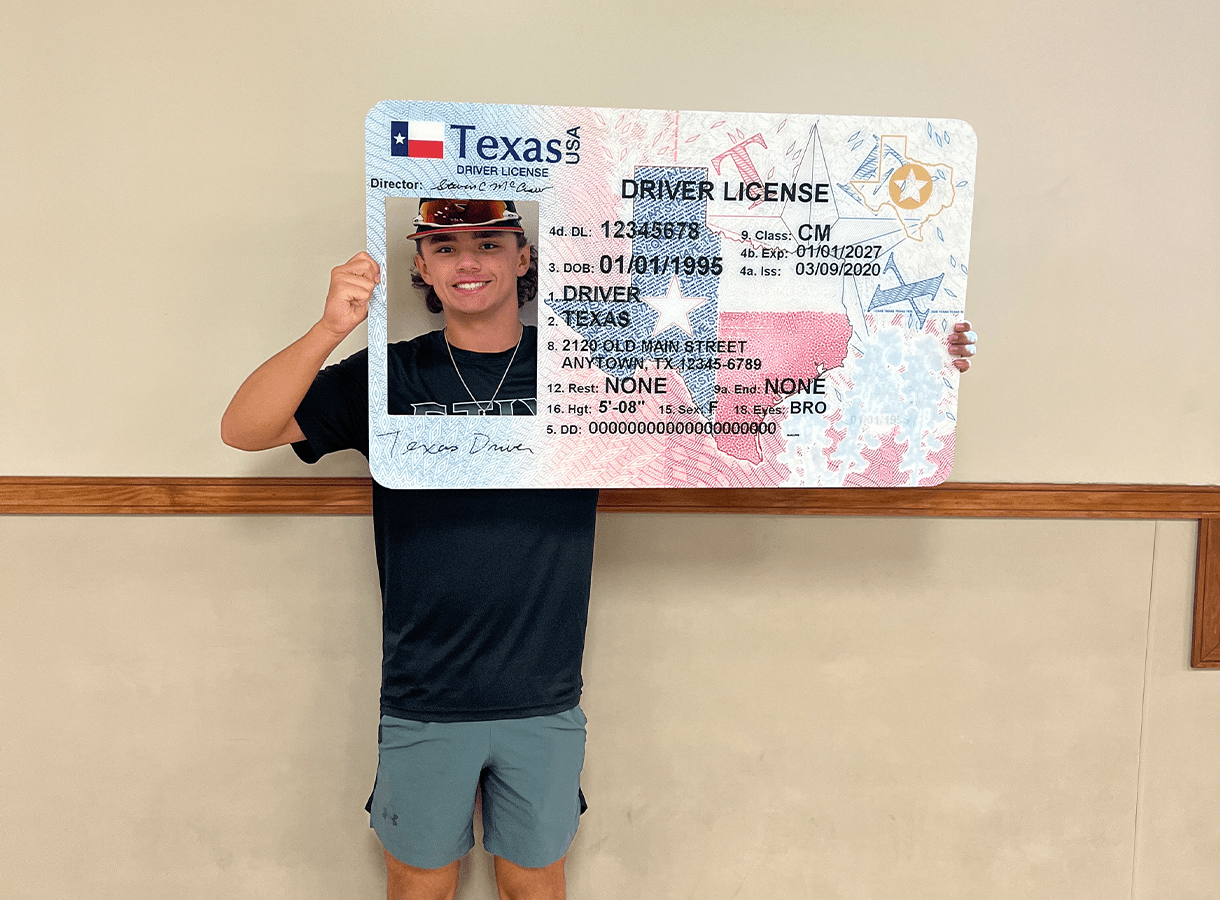
For proof of Texas residency, you generally need two documents showing your current street address. Examples include:
- Utility bills (electricity, water, gas, internet, cable)
- Bank statements
- Current lease or mortgage statement
- Insurance policy
- Mail from a government agency
Ensure these documents are current and reflect your actual residential address in Texas. Post office boxes are typically not accepted for residency proof.
Social Security and Citizenship
You will also need to provide proof of your Social Security Number (SSN) and evidence of legal presence in the U.S.. For your SSN, your Social Security card is the preferred document, but W-2 forms or pay stubs with your full SSN may also be accepted. For proof of legal presence, a U.S. birth certificate, passport, or an approved immigration document will suffice. These requirements ensure that your license is issued in accordance with federal and state laws.
Vision and Other Requirements
If you renew in person, a vision test will likely be administered at the DPS office. If you wear corrective lenses, remember to bring them. For certain medical conditions, you might need a physician’s statement. Additionally, if you have recently changed your name, you’ll need to bring legal documents (like a marriage certificate or court order) reflecting this change. All fees must be paid at the time of renewal, so ensure you have a valid payment method ready.
Special Circumstances and Proactive Planning
A dynamic lifestyle often means encountering unique situations. Understanding how to handle these in the context of license renewal is crucial for uninterrupted flow.
Out-of-State or Out-of-Country Renewal
For globetrotters or those on extended assignments outside Texas, renewing your license can present challenges. Fortunately, if you meet the eligibility for online or mail renewal, you can often complete the process from your remote location. If an in-person visit is required, and you are unable to return to Texas before expiration, contact the DPS directly to inquire about temporary extensions or alternative procedures. In some cases, depending on your residency status and the duration of your absence, you may need to apply for an entirely new license upon your return.
License with Restrictions or Changes
If your license has specific restrictions (e.g., corrective lenses required, daylight driving only), these will carry over to your renewed license. If you wish to remove a restriction (e.g., after corrective eye surgery), you will likely need an in-person visit to a DPS office with supporting medical documentation. Similarly, if you have changed your name or moved to a new address, updating this information with the DPS is vital. While an address change can often be handled online, a name change typically requires an in-person visit to ensure proper identification and documentation.
Don’t Let It Expire
Allowing your license to expire can lead to significant inconveniences, particularly for a travel-oriented lifestyle. Driving with an expired license is illegal and can result in fines and legal penalties. Furthermore, an expired license may not be accepted as valid identification for domestic air travel, hotel check-ins, or other essential services, potentially stranding you or disrupting your plans. The good news is that Texas often sends renewal notices, and with the two-year renewal window, there’s ample opportunity to get it done well in advance. Set reminders on your phone or calendar to ensure you don’t miss this crucial deadline.
Maintaining Your Lifestyle: Beyond the Renewal
Beyond the immediate act of renewal, there are ongoing considerations to ensure your Texas license continues to serve your lifestyle effectively.
REAL ID Act Compliance
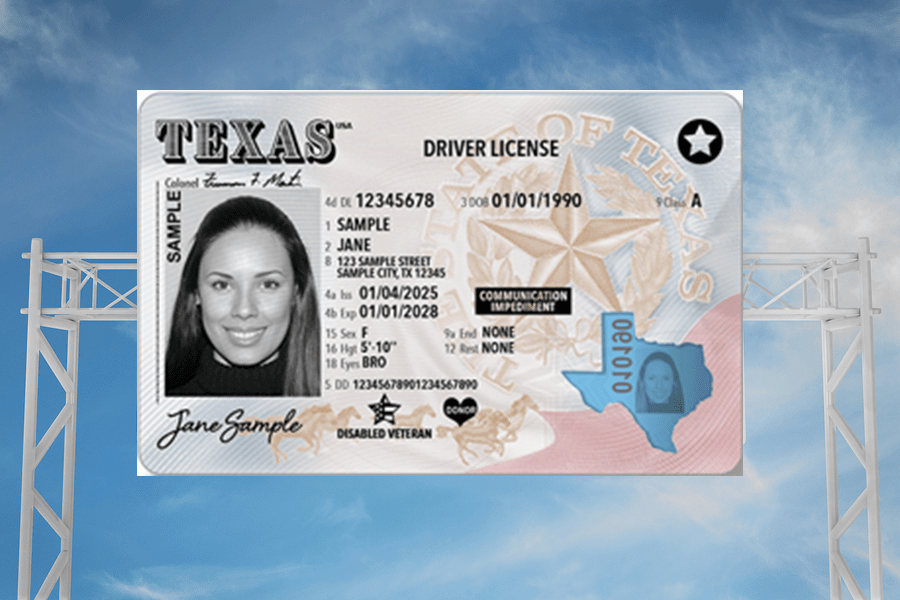
In a world where security is paramount, particularly for air travel, understanding the REAL ID Act is essential. A Texas driver’s license that is compliant with the REAL ID Act will typically have a star in the upper right-hand corner. This star signifies that the license meets federal security standards and will be accepted for boarding federally regulated commercial flights within the U.S., accessing federal facilities, and entering nuclear power plants. If your current license is not REAL ID compliant, or if you’re unsure, an in-person renewal is often the easiest way to ensure you receive a compliant card, safeguarding your ability to travel by air without needing an alternative form of ID like a passport.
Keeping Your Information Current
Life happens quickly, and addresses, names, or even contact information can change. It’s imperative to update any changes with the Texas Department of Public Safety promptly. Not only is it legally required, but having accurate information on file ensures you receive important communications, like renewal notices, and that your identification remains valid and unchallenged for various transactions. An out-of-date address could mean a missed renewal notice, leading to an expired license and subsequent travel disruptions.
Planning Ahead for Uninterrupted Adventures
Ultimately, renewing your license in Texas is a fundamental part of responsible adulting, particularly for those who cherish freedom and mobility. By being aware of the requirements, preparing your documents in advance, and utilizing the convenient renewal options available, you can ensure your license remains current, allowing you to embrace your lifestyle without unnecessary bureaucratic hurdles. Set reminders, keep your documents organized, and approach the renewal process with confidence, knowing that a valid license means your next Texas adventure, business trip, or cross-country journey is always within reach.
LifeOutOfTheBox is a participant in the Amazon Services LLC Associates Program, an affiliate advertising program designed to provide a means for sites to earn advertising fees by advertising and linking to Amazon.com. Amazon, the Amazon logo, AmazonSupply, and the AmazonSupply logo are trademarks of Amazon.com, Inc. or its affiliates. As an Amazon Associate we earn affiliate commissions from qualifying purchases.