
The question of tipping the hotel maid, often referred to as housekeeping staff, is a common one for travelers. While it’s not always mandatory, it’s a gesture of appreciation that can significantly impact the experience of those who work diligently to ensure our stay is comfortable and enjoyable. Navigating the world of travel and accommodation often involves understanding local customs and best practices, and tipping falls squarely into this category. This guide aims to demystify the process, offering clarity on how much to tip, when to tip, and why it matters, all within the context of your overall travel experience.

From the bustling streets of Tokyo to the serene beaches of the Maldives, the fundamental service of hotel housekeeping remains consistent: ensuring your room is a clean, welcoming sanctuary after a day of exploring attractions or immersing yourself in local culture. Understanding tipping practices can enhance your travel experience and ensure you’re being considerate of the service staff.
Understanding the Importance of Tipping Housekeeping
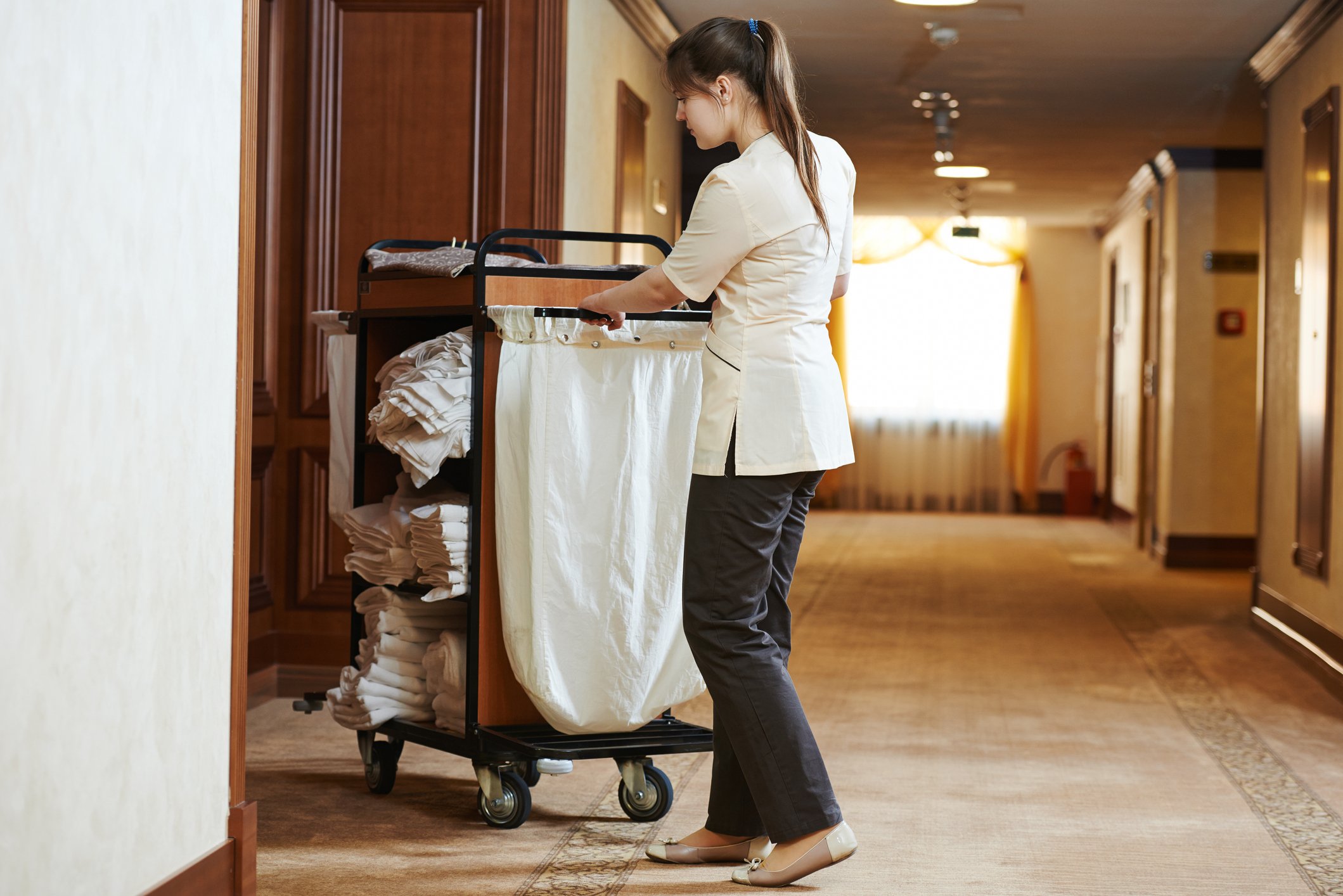
The individuals who clean your hotel room often work behind the scenes, performing a physically demanding job that requires attention to detail. They are instrumental in making your hotel experience pleasant, from ensuring fresh linens and towels to keeping the bathroom sparkling and organizing your belongings. For many housekeeping staff, tips form a significant portion of their income. Therefore, a generous tip is a direct acknowledgment of their hard work and dedication to providing excellent service.
Factors Influencing Your Tipping Decision
Several factors can influence how much you choose to tip your hotel maid. These include the quality of service, the duration of your stay, the type of accommodation, and the geographical location.
Quality of Service
The most obvious factor is the quality of housekeeping. Did they go above and beyond? Was your room consistently immaculate? Did they restock amenities promptly? If you consistently found your room to be exceptionally clean and well-maintained, a more generous tip is certainly warranted. This could include noticing little touches, like neatly folded towels or properly arranged toiletries. Conversely, if the service was subpar, you might adjust your tip accordingly, though it’s still generally recommended to tip something for the basic service provided.
Duration of Your Stay
For shorter stays, say one or two nights, a tip left at the end of your stay is customary. However, for longer stays, particularly a week or more, it’s often advisable to tip daily or every few days. This ensures that the person who has been consistently cleaning your room throughout your stay receives recognition for their ongoing efforts. If you tip at the end of a long stay, the specific person who cleaned your room for the majority of your visit might not be the one who cleans it on your final day, and thus might not receive the tip.
Type of Accommodation
The type of hotel or accommodation you are staying in can also influence tipping habits. In a luxury resort like the Burj Al Arab Jumeirah in Dubai, where service is often more personalized and staff are expected to provide a higher level of attention, tipping expectations might be slightly higher. Conversely, in a budget-friendly motel or a simpler establishment, the tipping norms might be more modest. However, the principle of appreciating the service remains the same across all types of accommodation. If you are staying in a private villa or an apartment through a rental service, tipping practices can vary, and it’s often helpful to check the rental agreement or local customs.
Geographical Location and Cultural Norms
Tipping customs vary significantly around the world. What is standard in the United States might be considered overly generous or even inappropriate in other countries. For example, in many European countries, service charges are often included in the bill, making tipping less expected, or at least lower amounts. In some Asian countries, like Japan, tipping is not a customary practice at all and can sometimes even be seen as offensive. It is always wise to research the tipping etiquette of the specific country or region you are visiting. For instance, while tipping is expected in the United Kingdom, the amount and frequency might differ from the United States. Understanding these nuances ensures you are respectful of local traditions while still acknowledging good service.
Recommended Tipping Amounts
When it comes to specific amounts, there isn’t a universal rule, but general guidelines can help you decide. These are averages and should be adjusted based on the factors mentioned above.
Daily Tipping vs. End-of-Stay Tipping
For daily tipping, a common recommendation in many countries, particularly the United States, is to leave between $2 to $5 per day for each person cleaning your room. This ensures that the staff member who cleans your room each day receives consistent recognition.
For end-of-stay tipping, if you opt for this method, a reasonable amount is often between $10 to $20 for a short stay (1-3 nights) and can increase for longer stays. For stays exceeding a week, some travelers opt for a lump sum that reflects the daily rate. For instance, if your daily tip would be $3, then for a 7-night stay, a tip of around $21 might be appropriate.
Tipping in Different Currencies
When tipping in a foreign country, it’s best to use the local currency. If you are unsure of the exact exchange rate or the appropriate amount, it’s often helpful to ask the hotel concierge or consult reliable travel guides. For example, if you are in Italy and the standard tip is €1-2 per day, try to provide that amount in Euros. If you are staying at a grand establishment like the Ritz Paris, the expectation might lean towards the higher end of the local scale.

What if you have a special request?
If you make special requests that the housekeeping staff fulfills, such as requesting extra pillows or blankets, or having them deal with a minor issue like a leaky faucet, it’s a good idea to acknowledge this extra effort with a slightly increased tip. This shows you appreciate them going the extra mile.
How to Leave a Tip
The method of leaving a tip can also be important. Here are some best practices to ensure your tip reaches the intended person.
The Envelope Method
The most common and recommended way to leave a tip is to place cash in a clearly marked envelope. Many hotels provide tip envelopes at the front desk or in the room. If not, a simple note stating “For Housekeeping” or “Thank You” can be written on a piece of paper. This helps ensure that the tip is specifically for the housekeeping staff and not mistaken for something else.
When to Leave the Tip
It’s generally best to leave the tip each day or at least every few days, especially for longer stays. This ensures that the person who cleaned your room during that period receives the tip. If you are tipping at the end of your stay, leave it on the pillow or the bedside table on your last morning. Avoid leaving cash on the bathroom counter, as it might be overlooked or mistaken for payment for services.
What About Digital Payments?
Some modern hotels offer the option to add tips through their app or at checkout. While this can be convenient, it’s important to understand how these tips are distributed. Are they pooled among all staff, or do they go directly to the individual who serviced your room? Cash tips, especially when clearly marked, often offer more certainty that your gratitude reaches the specific housekeeper.
Tipping for Special Services
If you are staying in a suite or a room with specialized services, such as a butler or a dedicated room attendant, tipping practices might differ. It’s advisable to inquire with the hotel management or consult with the concierge about the appropriate amount and method for these situations. For example, at a high-end resort like Amanyara in the Turks and Caicos Islands, the level of personalized service might necessitate a more substantial tip.
When Not to Tip (Or to Tip Less)
While tipping is generally encouraged, there are certain situations where it might be less expected or even unnecessary.
Service Charges Included
As mentioned earlier, in some countries and at certain establishments, a service charge is automatically included in your bill. In such cases, an additional tip might not be required, or a very small token amount might suffice if you feel the service was exceptional. Always check your bill for any listed service charges.
Self-Catering Accommodation
For apartments or villas booked through platforms where you are responsible for your own cleaning or there is no daily housekeeping service, tipping the maid is generally not applicable unless a specific cleaning service was arranged and paid for separately. However, if a cleaning service is provided as part of the rental, follow the guidelines for similar hotel services.
Subpar Service
If the housekeeping service was consistently poor, despite your attempts to communicate your needs, you have the right to adjust your tip. However, it’s often a good practice to first address the issues with hotel management. If the problems are resolved, you might then decide on the tip amount. If they are not resolved, a reduced tip or no tip might be considered.
Cultural Norms
As highlighted before, in cultures where tipping is not customary, it’s best to respect local traditions. For example, in South Korea, tipping is not a common practice in most hotels, and your politeness and gratitude expressed verbally will likely be sufficient.
Ultimately, tipping the hotel maid is a personal decision, but one that reflects your appreciation for the often-unseen labor that contributes significantly to your comfort and enjoyment during your travels. By understanding the nuances of tipping, from the amount to the method and cultural context, you can ensure your generosity is both appropriate and impactful, enhancing not just your own experience but also the livelihoods of those who work to make your stay memorable. Whether you’re embarking on a luxury travel adventure or a budget travel escapade, a little thoughtfulness regarding tipping can go a long way.
LifeOutOfTheBox is a participant in the Amazon Services LLC Associates Program, an affiliate advertising program designed to provide a means for sites to earn advertising fees by advertising and linking to Amazon.com. Amazon, the Amazon logo, AmazonSupply, and the AmazonSupply logo are trademarks of Amazon.com, Inc. or its affiliates. As an Amazon Associate we earn affiliate commissions from qualifying purchases.