
The song “Hotel California” by The Eagles is far more than just a catchy tune; it’s a cultural phenomenon, a lyrical labyrinth that has captivated listeners for decades. Released in 1976 as the title track from their album of the same name, it quickly became one of the most iconic songs in rock history. While its soaring guitar solos and haunting vocals are instantly recognizable, the true meaning behind its enigmatic lyrics has been a subject of intense debate and speculation. Is it a literal story of a weary traveler’s encounter with a strange hotel, or something far deeper and more symbolic? When approached through the lens of the “Hotels” niche, the song unfolds as a masterclass in metaphor, using the concept of a luxurious yet insidious hotel to explore profound themes of excess, disillusionment, and the darker side of the American Dream.

This article delves into the various layers of “Hotel California,” dissecting its metaphorical architecture and uncovering the profound messages embedded within its fictional amenities and unsettling hospitality. Far from being a guide to a physical destination, it serves as a conceptual blueprint for a state of mind, a commentary on an era, and a timeless exploration of human desires and their often-unforeseen consequences.
The Allure of the Fictional Hotel California: A Metaphorical Property
The narrative of “Hotel California” begins with an inviting, almost dreamlike scenario, immediately establishing the hotel as a place of immense allure and superficial perfection. This initial depiction perfectly fits the ideal image many hold of a lavish, high-end property, designed to entice and enchant.
Opulence and Decadence: The Seemingly Perfect Stay
From the moment the weary traveler pulls off a dark desert highway, the hotel presents itself as a sanctuary of opulence. The “warm smell of colitas, rising up through the air” and the vision of “lovely women” who greet him immediately paint a picture of lavishness and sensual indulgence. These are the metaphorical amenities of the Hotel California – not just physical comforts, but an intoxicating atmosphere of pleasure and freedom. The “pink champagne on ice” and the “sweet summer sweat” evoke a sense of hedonistic luxury, reminiscent of an exclusive resort where every desire is catered to.
This initial impression of a perfect stay is crucial to understanding the song’s deeper message. It mirrors the way grand hotels and resorts market themselves: as escapes from reality, havens of comfort and extravagance. The Hotel California promises an experience that transcends the mundane, offering a taste of paradise. However, beneath this shimmering facade lies a disturbing truth, hinting that what appears to be a dream might, in fact, be a nightmare in disguise. The perceived perfection of the hotel’s offerings—its exquisite decor, beautiful inhabitants, and endless entertainment—serves as a trap, drawing in those who seek ultimate gratification without consequence.
The Unsettling Undercurrent: Amenities of Illusion
As the traveler settles into his temporary abode, the initial bliss begins to unravel, revealing the unsettling nature of the hotel’s true “amenities.” The “mirror on the ceiling” and the “pink champagne on ice” are no longer just symbols of luxury but become instruments of a more sinister design. The reflection on the ceiling suggests a sense of constant observation, or perhaps a forced self-reflection that is less about vanity and more about confrontation. The “disembodied voice” declaring “Welcome to the Hotel California” takes on an ominous tone, hinting at a presence that is both unseen and all-encompassing.
The description of the hotel management, or rather the lack thereof in any conventional sense, further underscores its illusory nature. The “master” of the house is never directly encountered but implied through the actions and words of the “hotel staff”—the women and the “calm-looking” bellman. The line “We haven’t had that spirit here since nineteen sixty-nine” is a poignant detail, suggesting a loss of innocence or a shift in the hotel’s foundational principles. This is not a hotel guided by typical hospitality standards; its amenities are designed to enthrall, entrap, and ultimately consume its guests, making the experience more akin to a gilded cage than a luxurious retreat. The implied amenities are not physical comforts but rather the illusion of freedom and endless pleasure, ultimately revealing themselves to be spiritual and emotional prisons.
Checking In, But Never Checking Out: The Trappings of a Symbolic Resort
The core message of “Hotel California” revolves around the chilling realization that once you check in, there’s no escape. This metaphor of perpetual residency transforms the hotel from a place of temporary stay into a permanent, inescapable state, emblematic of various societal traps.
The Invisible Contract: Life in the Hotel of Excess
The most iconic line of the song, “You can check out any time you like, but you can never leave,” encapsulates the hotel’s insidious power. This isn’t a traditional check-out policy; it’s an invisible contract, a binding agreement that transcends conventional booking terms. It speaks to the insidious nature of certain lifestyles, addictions, or societal structures that, once entered, are incredibly difficult to extricate oneself from. The “life in the fast lane,” the pursuit of fame and fortune, or the indulgence in materialistic desires can create a similar sense of being perpetually bound.
In the context of the “Hotels” niche, this represents a grotesque inversion of the hospitality ideal. A hotel is meant to offer comfort, rest, and a temporary escape before guests return to their lives. The Hotel California, however, offers a permanent, luxurious prison. Its “guests” are consumed by the very excesses they sought, becoming permanent residents in a gilded cage. The bellman’s chilling pronouncement that “we are all just prisoners here, of our own device” further confirms this, suggesting that the trap is self-imposed, a consequence of the choices made in seeking the hotel’s superficial delights.
Luxury as a Labyrinth: The Hotel as a Golden Cage
The hotel’s physical layout, described as a labyrinth of “long corridors” and the pursuit of the “master’s chamber,” reinforces the idea of a golden cage. The architectural design is not for convenience or easy navigation but for entanglement. The luxury itself becomes part of the entrapment; the beautiful surroundings and indulgent atmosphere disguise the underlying captivity. This imagery is particularly potent in critiquing the dark side of the American Dream, where the relentless pursuit of wealth and pleasure can lead to spiritual emptiness and an inability to find true fulfillment.
The hotel, as a metaphorical resort, offers everything one could desire on the surface, yet it strips away the most fundamental freedom: the ability to leave. The “steely knives” and the beast that “can’t kill the beast” suggest an internal struggle, a battle against one’s own demons that are amplified by the hotel’s environment. The opulence is a distraction, the indulgence a sedative, preventing guests from recognizing their true predicament until it is too late. The Hotel California is not merely a place; it is a state of being, a symbol of being caught in a cycle of consumption and self-destruction, beautifully adorned yet utterly inescapable.
The Hotel’s Location: A Reflection of California‘s Symbolic Landscape
The choice of “California” in the hotel’s name is not arbitrary; it grounds the metaphor in a specific cultural and geographical context that deepens its symbolic resonance. The state itself, particularly in the 1970s, represented a complex blend of promise and disillusionment.
The Golden State’s Promise and Peril: A Fictional Destination
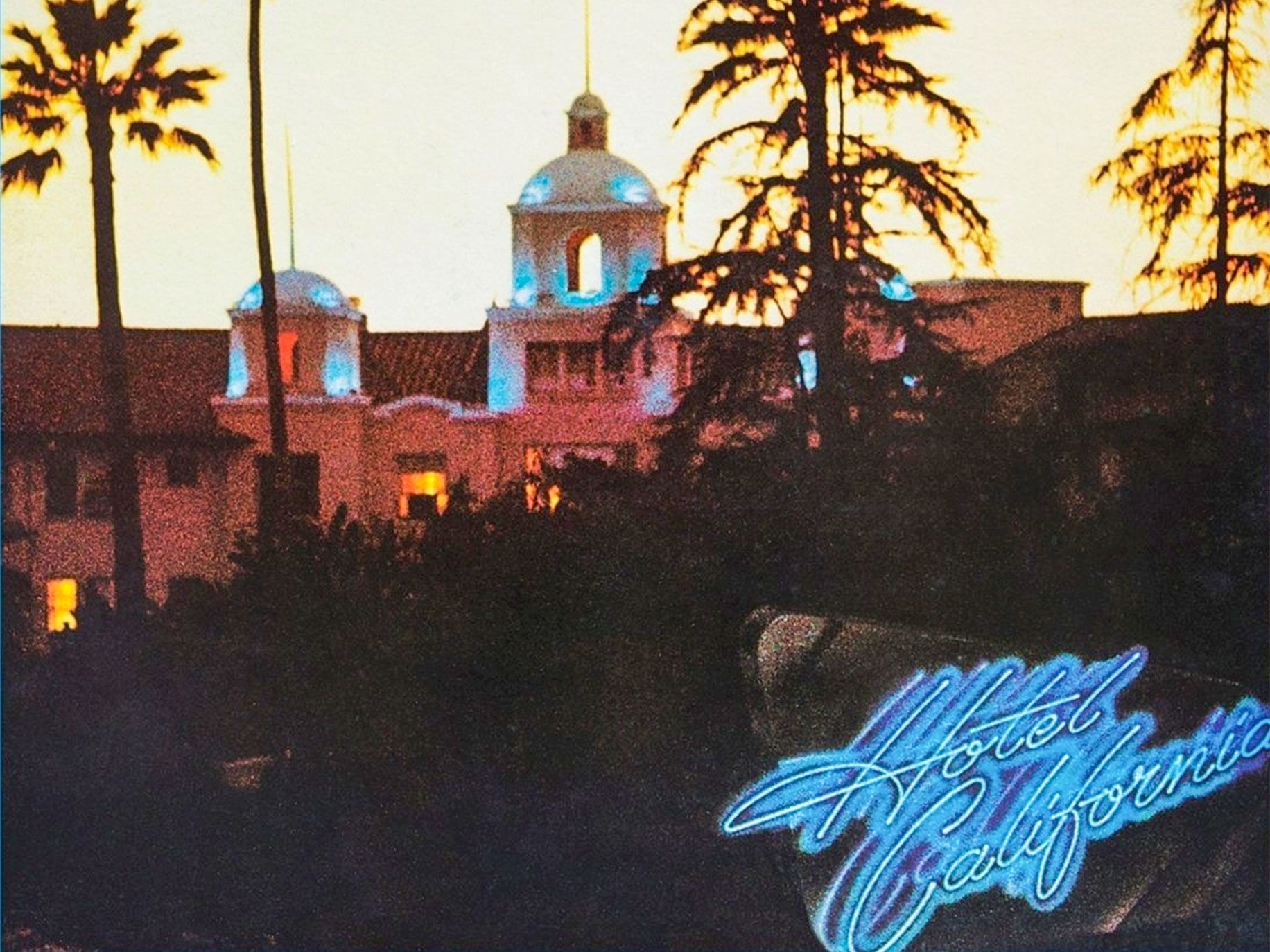
California, especially Los Angeles, has long been marketed as a golden destination – a land of opportunity, sunshine, fame, and endless possibilities. It was seen as the ultimate embodiment of the American Dream, attracting dreamers from all walks of life seeking success in industries like Hollywood and the music industry. The Hotel California, therefore, can be seen as a microcosm of this alluring yet potentially deceptive promise. It represents the idealized version of California that drew so many in, only to reveal a darker, more complex reality beneath the surface.
The “dark desert highway” signifies the journey to this promised land, a path often fraught with challenges, leading to a place that might not be as pure as imagined. The hotel, as a fictional resort in this context, becomes a symbol for the industries and lifestyles that flourished in California – offering immense rewards but also demanding a steep price, often trapping individuals in their pursuit of worldly success.
Architectural Echoes: From Spanish Mission to Hollywood Decadence
While never explicitly detailed, the imagery evoked by “Hotel California” suggests an architectural style that blends historical grandeur with contemporary decadence. The “mission bell” in the distance conjures images of Spanish colonial architecture, particularly prevalent in California’s past. This historical layer contrasts sharply with the described opulence and moral decay, suggesting a fall from grace or a corruption of original ideals. The juxtaposition highlights how the quest for modern indulgence and the rapid development of places like Hollywood may have overshadowed or twisted the simpler, more spiritual foundations of the past.
The hotel’s design, therefore, is not just aesthetic; it’s a narrative device. It’s a structure built on a foundation of tradition but overtaken by the excesses of a new era. This blend of old and new, purity and corruption, makes the Hotel California a powerful symbol of the evolving landscape of America itself, particularly in the post-1960s disillusionment. It’s a place where history and hedonism converge, and where the promise of a golden age gives way to a more complicated, and often darker, reality.
Beyond the Lobby: Diverse Interpretations of the Hotel’s Meaning
The enduring mystery of “Hotel California” lies in its multi-layered symbolism, allowing for a multitude of interpretations that extend beyond a literal hotel experience. The band members themselves have offered various insights, though they often maintain its poetic ambiguity.
A Resort for Lost Souls: The Music Industry Critique
One of the most popular interpretations views the Hotel California as a metaphorical critique of the music industry itself, particularly as it existed in Los Angeles during the 1970s. The industry, with its dazzling promises of fame and fortune, could be seen as a lavish resort that lures artists in, only to trap them in a cycle of exploitation, superficiality, and burnout. The “lovely women” could symbolize the temptations of groupies or the fleeting nature of adoration. The “steely knives” and the inability to “kill the beast” could represent the cutthroat competition, the self-destructive tendencies, and the relentless demands of the industry that consume artists.
Don Henley, a key songwriter for The Eagles, has often suggested the song is about the “high life in Los Angeles” and the excesses of the era. From this perspective, the hotel is the very system of celebrity and entertainment, a place where dreams are manufactured and often shattered, leaving artists as “prisoners of their own device” within the gilded cage of their success.
The Hotel as Society’s Mirror: Socio-Political Commentary
Another broad interpretation positions the Hotel California as a commentary on the spiritual decay and moral bankruptcy of contemporary America, particularly in the aftermath of the idealistic 1960s. The loss of innocence, the rise of materialism, and the pursuit of pleasure at all costs are central themes. The hotel becomes a symbol for a society that has lost its way, trading genuine connection and meaning for superficial glamour and fleeting satisfaction. The “spirit” that hasn’t been there since 1969 could refer to the idealism of the counterculture movement, which had by then succumbed to commercialism and drug abuse.
The hotel, in this sense, is not just a specific place but a reflection of the collective psyche—a place where people check in to escape reality but end up confronting their own spiritual emptiness. The cryptic figures, the unsettling atmosphere, and the inability to leave all contribute to a sense of existential dread, critiquing a culture that prioritizes indulgence over integrity.
The Enduring Legacy of an Iconic Accommodation
Decades after its release, “Hotel California” continues to resonate, its enigmatic narrative and haunting melodies securing its place as a timeless piece of music and a fascinating cultural artifact. The enduring fascination with its meaning underscores its profound impact.
A Timeless Stay in Popular Culture
The reason “Hotel California” remains so compelling is its universal themes. While rooted in the specific context of 1970s California and the music industry, its exploration of temptation, illusion, and entrapment speaks to human experiences across generations and cultures. The metaphorical hotel, as a form of accommodation, becomes a symbol for any situation or lifestyle that promises paradise but delivers a subtle form of imprisonment. Whether it’s an addiction, a toxic relationship, a soul-crushing job, or the relentless pursuit of an unfulfilling dream, the feeling of being unable to “leave” is deeply relatable.
The song’s ability to evoke such powerful emotions and spark endless debate is a testament to its masterful songwriting and its profound insights into the human condition. It’s a musical journey into the darker corners of desire, warning against the seduction of superficial luxury and the high cost of unchecked ambition.
The Power of the Unknown: What Makes the Hotel Fascinating
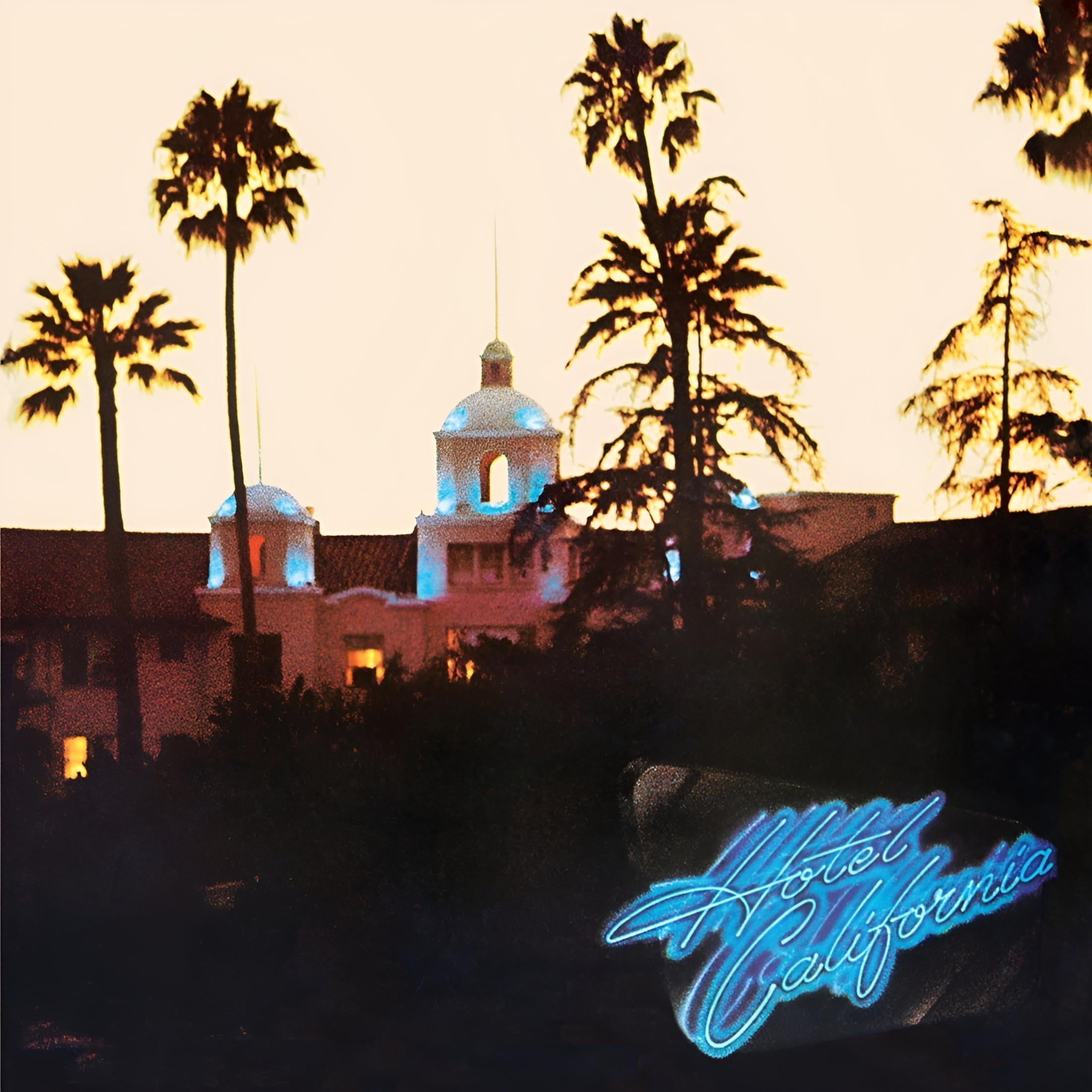
Ultimately, part of what makes the Hotel California so fascinating is its deliberate ambiguity. The Eagles crafted a narrative that is rich in evocative imagery but devoid of definitive answers, allowing each listener to project their own fears, desires, and experiences onto its mysterious rooms and corridors. This creative decision ensures that the fictional Hotel California remains an endlessly explorable destination for the mind.
As a conceptual hotel, it stands as a monument to the complexities of modern life, the perils of materialism, and the eternal human struggle for freedom and meaning. It’s an iconic piece of cultural accommodation that offers a chilling, yet insightful, glimpse into the price of paradise, reminding us that sometimes the most luxurious stays come with an invisible, unbreakable contract. The question “What is Hotel California about?” isn’t meant to have a single answer, but to invite a continuous, insightful stay within its enigmatic walls.
LifeOutOfTheBox is a participant in the Amazon Services LLC Associates Program, an affiliate advertising program designed to provide a means for sites to earn advertising fees by advertising and linking to Amazon.com. Amazon, the Amazon logo, AmazonSupply, and the AmazonSupply logo are trademarks of Amazon.com, Inc. or its affiliates. As an Amazon Associate we earn affiliate commissions from qualifying purchases.