
The Lone Star State, a vast and diverse expanse known for its sprawling landscapes, rich history, and vibrant culture, holds many symbols dear to its heart. Among these is its official state bird, a creature that embodies the spirit and beauty of Texas. But what exactly is this avian emblem, and what makes it so fitting for Texas? This article delves into the identity of the Texas state bird, exploring its significance, its habitat, and its connection to the broader Texas experience, from its iconic landmarks and bustling cities to its unique culinary traditions and the very essence of Texas lifestyle.
The Avian Icon of the Lone Star State: The Northern Mockingbird
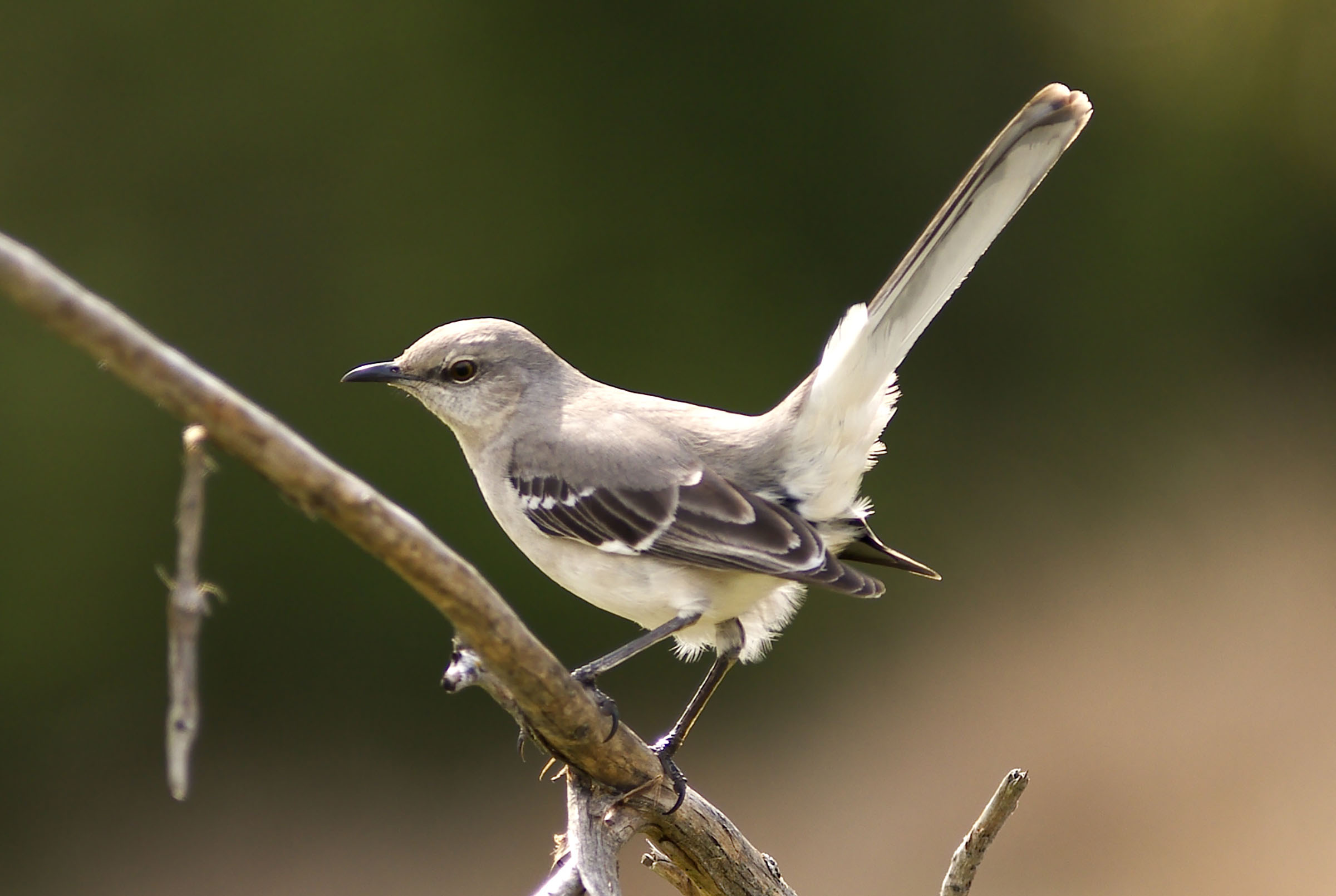
The official state bird of Texas is the Northern Mockingbird (Mimus polyglottos). This remarkable bird was officially designated as the state bird on March 6, 1927. The choice was not made lightly, and it reflects the bird’s widespread presence across the state, its distinctive vocal abilities, and its tenacious spirit – qualities often attributed to the people of Texas themselves.
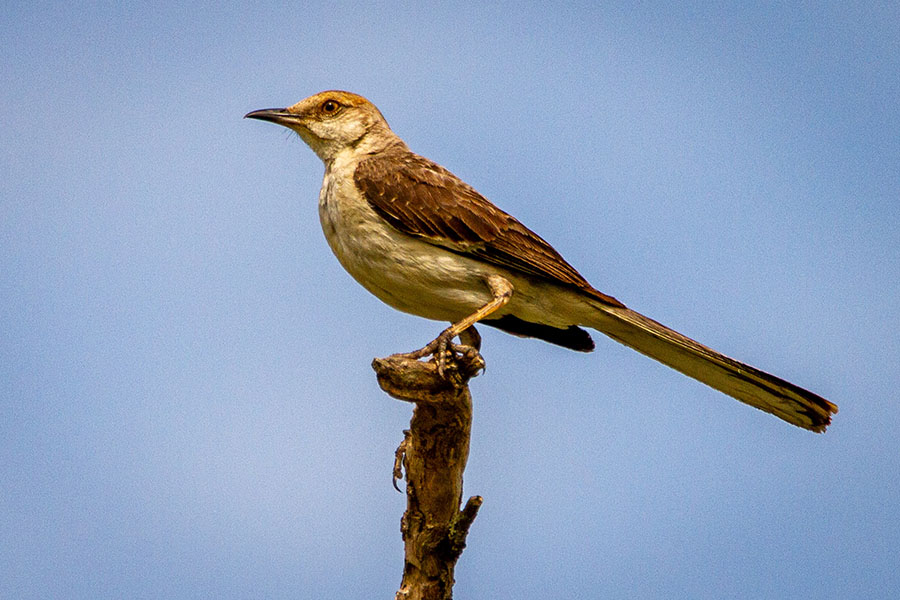
The Northern Mockingbird is a medium-sized songbird, instantly recognizable by its slender build, long tail, and grayish-brown upperparts, contrasting with its paler underparts. A key identifying feature is the prominent white wing patches that flash conspicuously during flight, a dazzling display against the Texas sky. While the male and female mockingbirds are similar in appearance, the males are often slightly larger and more vocally active.
A Songbird of Renown
One of the most captivating aspects of the Northern Mockingbird is its extraordinary vocal repertoire. As its name suggests, it is a master mimic, capable of imitating a vast array of sounds from its environment. This includes the songs of other bird species, as well as mechanical noises, animal sounds, and even human-made sounds. A Northern Mockingbird‘s song can be a complex medley, weaving together dozens of different phrases and calls, often repeated in a series of three or more. This vocal prowess makes them a constant source of fascination for nature enthusiasts and residents alike, their melodic improvisations often filling the air in Texas gardens and parks.
The purpose behind this elaborate mimicry is multifaceted. It is primarily used by males to attract mates and defend their territories. The more diverse and complex their song, the more attractive they appear to potential partners. This constant vocalization can be heard throughout the day and, famously, often continues well into the night, earning them the nickname “nightingale of Texas.”
Habitat and Distribution Across Texas
The Northern Mockingbird is a highly adaptable species, thriving in a variety of habitats across the United States, and Texas is no exception. They are particularly fond of open woodlands, shrublands, orchards, and even urban and suburban environments. In Texas, this means they can be found from the piney woods of East Texas to the arid expanses of West Texas, along the coastal plains, and throughout the Hill Country.
Their preference for semi-open landscapes with scattered shrubs and trees provides them with ideal nesting sites and foraging grounds. They are frequently seen perched on fences, telephone wires, or tree branches, surveying their surroundings with keen eyes. Their ability to adapt to human-modified landscapes has contributed to their widespread success and their comfortable integration into the Texas environment, making them a familiar sight for anyone traveling through the state. Whether you’re exploring the vibrant streets of Dallas or Houston, enjoying the historic charm of San Antonio, or venturing into the rugged beauty of Big Bend National Park, the distinctive silhouette and song of the Northern Mockingbird are likely to accompany you.
The Significance of a State Symbol
The designation of a state bird is more than just a casual honor; it represents a shared identity and a connection to the natural heritage of a place. For Texas, the Northern Mockingbird embodies several qualities that resonate deeply with the state’s character.
Resilience and Adaptability
Texas is a state that has faced and overcome numerous challenges, from economic downturns to natural disasters. The Northern Mockingbird, with its ability to thrive in diverse and sometimes harsh environments, mirrors this resilience. They are opportunistic feeders, subsisting on a diet of insects, fruits, and berries, and they demonstrate remarkable tenacity in defending their territory, even against much larger birds. This tenacity and adaptability are qualities that many Texans proudly associate with their own state.
Beauty and Vibrancy
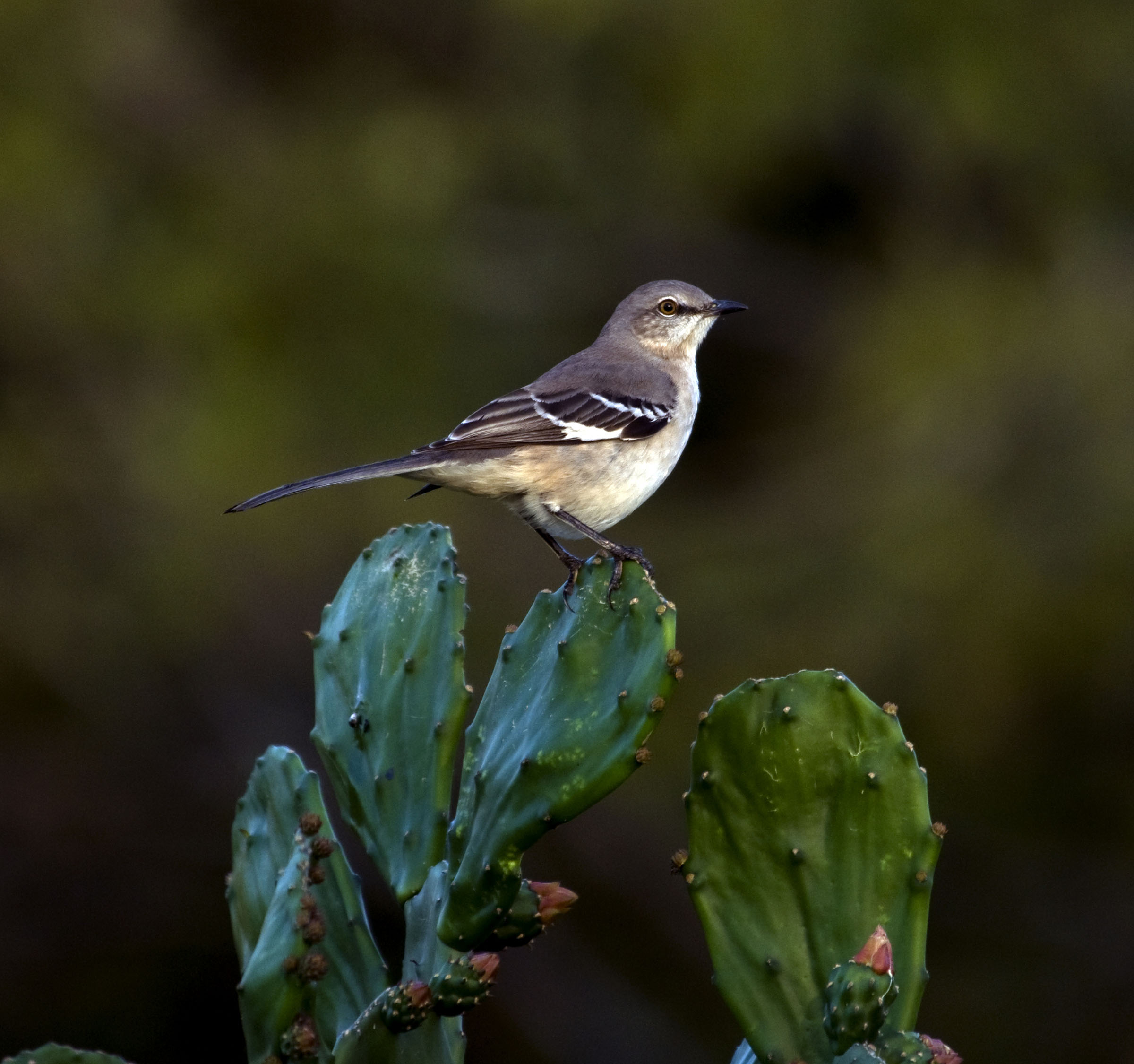
The Northern Mockingbird‘s striking appearance, with its contrasting plumage and its lively flight, adds a touch of beauty and vibrancy to the Texas landscape. Their melodic songs, which can be heard year-round in many parts of the state, provide a constant soundtrack to Texas life. This natural beauty and liveliness are reflective of the state’s own dynamic culture, its breathtaking natural attractions, and its rich tapestry of experiences waiting to be discovered by travelers and locals alike. From the world-class museums and culinary scenes in cities like Austin to the vast ranches and the stunning natural preserves, Texas offers a vibrant and engaging lifestyle, much like the song of its state bird.
A Familiar Presence
Unlike some state symbols that might be found in remote or specific locales, the Northern Mockingbird is a common sight across Texas. This familiarity fosters a sense of shared connection and ownership among its residents. Whether you’re staying at a luxury resort in the Hill Country, a cozy bed and breakfast in Galveston, or a family-friendly apartment in a major city, the chances are high that you’ll hear or see a Northern Mockingbird during your stay. This omnipresence makes it a truly representative symbol for the entire state.
Experiencing the Northern Mockingbird in Texas
Understanding that the Northern Mockingbird is Texas‘s state bird can enrich your travel experiences and deepen your appreciation for the Lone Star State. Here are some ways to encounter and appreciate this avian emblem during your travels:
Birdwatching and Nature Trails
Texas boasts an incredible diversity of birdlife, and the Northern Mockingbird is a constant companion on any birdwatching expedition. Explore the numerous state parks, national forests, and nature preserves scattered across Texas.
- Big Bend National Park in West Texas offers breathtaking vistas and opportunities to spot a variety of bird species amidst its desert and mountain landscapes. While the mockingbird is common, you might also find other unique species.
- The Hill Country region, with its rolling hills and diverse plant life, is another prime location for observing the Northern Mockingbird. Trails around Fredericksburg and Kerrville are excellent for spotting them.
- East Texas’s piney woods and riparian areas, such as those found in the Sam Houston National Forest, provide different habitats where mockingbirds can be found alongside other woodland birds.
- The coastal regions, including areas near Corpus Christi and South Padre Island, offer unique avian encounters, though mockingbirds are generally more common inland.
Many of these natural areas are also home to significant landmarks and offer fantastic hiking and outdoor activities, providing a holistic Texas experience.
Urban and Suburban Exploration
You don’t need to venture far into the wilderness to encounter the Northern Mockingbird. They are incredibly prevalent in urban and suburban settings, making them a familiar sight even in the heart of Texas‘s major cities.
- In Austin, the “Live Music Capital of the World,” you’ll likely hear mockingbirds serenading you as you explore the city’s vibrant music venues, parks like Zilker Park, or the grounds of the Texas State Capitol.
- Houston, with its expansive green spaces and bayou systems, offers numerous opportunities to see and hear mockingbirds in parks such as Memorial Park or during a visit to the Houston Zoo.
- San Antonio, famous for its Riverwalk and historic missions, also provides a backdrop for mockingbirds in its city parks and residential areas. The sounds of the city might even be incorporated into their impressive mimicry.
- Even in smaller towns and rural areas, the Northern Mockingbird is a constant presence, often seen in residential gardens and along country roads, adding its distinctive charm to the Texas landscape.
Accommodation and Local Culture
Your choice of accommodation and your engagement with local culture can also enhance your understanding of the Northern Mockingbird‘s place in Texas.
- Many hotels and resorts in Texas, from luxury establishments to budget-friendly motels, are set within landscaped grounds that attract local wildlife. Staying at a place like the La Cantera Resort & Spa in San Antonio or a charming inn in a smaller town might offer delightful opportunities to observe mockingbirds right outside your window.
- When exploring local cuisine, think about how the Texas landscape, which supports the mockingbird, also influences its food. From the barbecued brisket of Central Texas to the Tex-Mex delights of South Texas, the bounty of the land is a recurring theme.
- Engaging with Texas history, whether visiting the Alamo or exploring the Texas State Railroad State Historic Site, provides context for the state’s enduring symbols, including its beloved state bird.
The Northern Mockingbird is more than just an ornithological designation; it’s a living, breathing part of the Texas experience. Its adaptability, its captivating song, and its ubiquitous presence make it a fitting symbol for a state known for its resilience, its beauty, and its welcoming spirit. Whether you are a seasoned birder or simply an admirer of nature, listening for the song of the Northern Mockingbird is an essential part of truly experiencing Texas.
LifeOutOfTheBox is a participant in the Amazon Services LLC Associates Program, an affiliate advertising program designed to provide a means for sites to earn advertising fees by advertising and linking to Amazon.com. Amazon, the Amazon logo, AmazonSupply, and the AmazonSupply logo are trademarks of Amazon.com, Inc. or its affiliates. As an Amazon Associate we earn affiliate commissions from qualifying purchases.