
Navigating the intricate world of business establishment in Alabama can feel like charting a new territory, especially when it comes to understanding the financial implications of obtaining the necessary licenses. While the initial question might be straightforward – “How much is a business license in Alabama?” – the reality is far more nuanced. The cost is not a single, fixed figure but rather a mosaic of fees, permits, and potential recurring expenses that vary significantly based on several critical factors. This article aims to demystify these costs, providing a comprehensive overview for aspiring entrepreneurs and established businesses alike looking to operate within the Heart of Dixie.
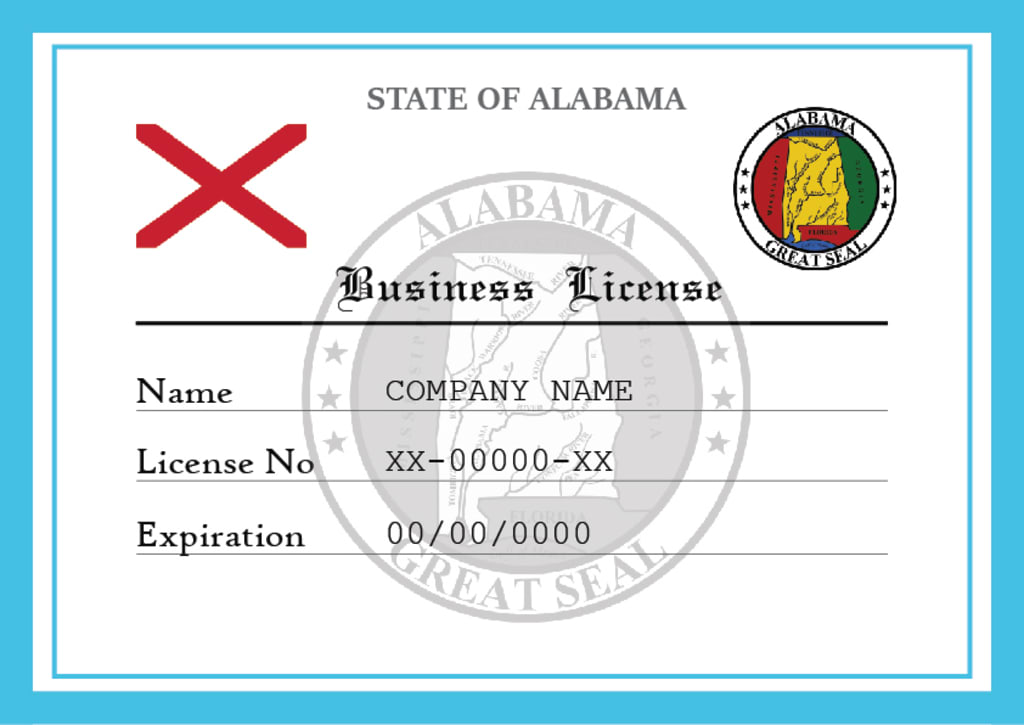
Understanding the landscape of business licensing in Alabama requires delving into the types of licenses you might need, the entities that issue them, and the underlying reasons for these requirements. From the broad oversight of the state government to the specific needs of individual cities and counties, each level of government plays a role in regulating commerce. This layered approach ensures that businesses comply with various standards, from public safety and environmental regulations to professional qualifications and sales tax collection. Therefore, pinpointing a precise dollar amount without context is impossible; instead, we will explore the components that contribute to the overall cost.
Understanding the Layers of Business Licensing Fees in Alabama
The cost of a business license in Alabama is not a monolithic entity. It’s a sum of various fees levied by different governmental bodies, each with its own fee structure and purpose. To truly grasp “how much” a business license costs, one must understand these distinct layers.
State-Level Licenses and Permits
At the state level, the primary licensing authority is often the Alabama Department of Revenue. This department oversees the collection of sales tax and requires businesses engaged in selling tangible personal property or taxable services to obtain a Sales and Use Tax Certificate. This is often colloquially referred to as a “business license” by many, though it’s specifically tied to tax collection. The application fee for this certificate is typically nominal, often around $25, but it’s crucial for lawful operation if your business involves sales.
Beyond sales tax, certain professions and industries are regulated at the state level and require specific licenses or permits. For instance, professionals in fields like healthcare (doctors, nurses), construction (contractors), real estate, and cosmetology must obtain licenses from their respective state boards. The fees for these professional licenses can vary widely, from a few hundred dollars for initial licensure and exams to thousands for more complex or specialized certifications. The purpose here is to ensure competency and public safety within these regulated sectors.
For businesses operating in specific industries, additional state-level permits might be necessary. This could include permits related to environmental protection from the Alabama Department of Environmental Management, food service establishment permits from the Alabama Department of Public Health, or permits for alcoholic beverage sales from the Alabama Alcoholic Beverage Control Board. The costs associated with these permits are directly related to the scope of their regulatory oversight and the potential impact on public health and the environment.
Local Business Licenses: City and County Variations
Perhaps the most significant variable in the cost of a business license in Alabama lies at the local level – that is, within the specific cities and counties where your business is physically located or conducts significant operations. Unlike state-level requirements that tend to be more standardized across the state, local business licenses are highly localized and can differ dramatically from one municipality to another.
City Business Licenses: Most incorporated cities in Alabama require businesses operating within their limits to obtain a local business license. The fee structures for these licenses are diverse. Some cities employ a flat fee, which might be a few dozen dollars annually. Others use a tiered system based on factors such as projected gross receipts, the number of employees, or the type of business activity. For example, a small sole proprietorship in a smaller town might pay a minimal annual fee, while a larger retail store or a manufacturing plant in a more populous city could face significantly higher fees, potentially several hundred or even thousands of dollars annually, often calculated as a percentage of gross revenue.
The purpose of these city business licenses is primarily to generate revenue for local government services. This revenue often funds essential public services like police and fire departments, road maintenance, parks, and recreational facilities that benefit the businesses and residents within the city.
County Business Licenses: In addition to city licenses, businesses operating in unincorporated areas of a county, or sometimes in conjunction with city licenses, may also need a county business license. Similar to city licenses, county fees and structures vary. Some counties may not require a general business license for all businesses, while others do. The fees can be flat or based on revenue, similar to city licenses.
It’s crucial for any business owner to identify precisely which city or county their business will operate in and to research the specific licensing requirements for that jurisdiction. This often involves visiting the city hall or county probate office, or their respective websites, to obtain the most accurate and up-to-date information.
Industry-Specific Licenses and Certifications
Beyond general business licenses, many industries have unique licensing and certification requirements that come with their own associated costs. These are designed to ensure a certain level of expertise, safety, or ethical conduct within a particular field.
Professional Licenses: As mentioned earlier, professionals in fields such as law, medicine, engineering, accounting, and architecture are required to be licensed by their respective state boards. The costs associated with these licenses can include application fees, examination fees, continuing education requirements, and renewal fees. These can range from a few hundred dollars to several thousand dollars over the lifetime of a professional’s career.
Contractor Licenses: For those in the construction industry, obtaining a contractor’s license is essential. The Alabama Home Builders Licensure Board, for example, has specific requirements and fees for general contractors, specialty contractors, and home builders. These fees can vary based on the type of contracting work and the projected value of the projects.
Health and Safety Permits: Businesses involved in food service, childcare, or certain types of manufacturing will likely need permits related to health and safety. These permits are issued by agencies like the Alabama Department of Public Health and often involve inspection fees and annual renewal costs. The goal is to ensure that these businesses meet stringent standards for public well-being.
Alcoholic Beverage Licenses: Businesses planning to sell alcohol, whether for on-premises consumption (like a restaurant or bar) or off-premises sales (like a liquor store), will need a license from the Alabama Alcoholic Beverage Control Board. The fees for these licenses can be substantial and often depend on the type of license sought (e.g., restaurant, package store) and the volume of sales.
Factors Influencing the Cost of Your Business License
The overarching cost of obtaining a business license in Alabama is not a static number. It’s a dynamic figure influenced by a confluence of factors, each contributing to the final sum you will need to budget. Understanding these variables is key to accurate financial planning.

Business Structure and Size
The legal structure of your business can indirectly influence licensing costs. While not directly dictating the price of a state or local business license, a sole proprietorship might have simpler registration processes than a corporation. The “size” of your business, often interpreted as its revenue or scope of operations, is a more direct driver of cost, particularly for local licenses that employ tiered fee structures. A large retail chain operating multiple locations across various Alabama cities will undoubtedly incur significantly higher cumulative licensing costs than a single-person consulting firm operating from a home office in a rural county. The sheer volume of transactions, employees, or physical space occupied often translates to higher fee assessments.
Business Activity and Industry
The nature of your business activity is a primary determinant of licensing needs and costs. A restaurant, for instance, will require health permits, liquor licenses, and potentially special permits for outdoor seating, in addition to general business licenses. A software development company, on the other hand, might only need a general business license and professional certifications for its employees. Industries with higher public impact or greater potential for risk, such as healthcare, finance, or transportation, generally face more stringent licensing requirements and thus higher associated fees.
Location: City vs. County and Specific Jurisdictions
As emphasized earlier, location is paramount. The specific incorporated city and county where your business is headquartered or conducts its primary operations will dictate the local licensing fees. A business in Birmingham might face different fee structures and requirements than one in Mobile, Huntsville, or a smaller town like Florence. Furthermore, some cities might have additional neighborhood-specific or zoning-related permits that add to the overall cost. It’s also worth noting that operating in multiple cities within Alabama will necessitate obtaining separate business licenses for each jurisdiction.
Renewal Fees and Frequency
It’s crucial to remember that business licenses are rarely a one-time purchase. Most licenses, whether at the state or local level, require periodic renewal, typically on an annual or biennial basis. These renewal fees are a recurring operational expense that businesses must factor into their budgets. The cost of renewal can be the same as the initial fee, or it may be slightly adjusted. Understanding the renewal cycle and associated costs for all your licenses will prevent unexpected financial burdens.
How to Find Out the Exact Cost for Your Business
Determining the precise cost of a business license for your specific venture in Alabama requires a proactive and detailed approach. Since the fees are so varied, a general estimate will not suffice for accurate financial planning. Here’s a systematic guide to uncovering the exact figures you’ll need.
Step 1: Identify All Necessary Licenses
Before you can inquire about costs, you must first identify all the licenses and permits your business will require. This involves considering your business structure, industry, and planned activities.
- State-Level:
- Sales and Use Tax Certificate: If you will be selling tangible goods or taxable services, you will need this from the Alabama Department of Revenue.
- Professional Licenses: Research if your profession requires a license from a state board (e.g., Alabama State Board of Public Accountancy, Alabama State Board of Medical Examiners).
- Industry-Specific Permits: Look into permits for food service, alcohol sales, environmental regulations, construction, etc., from relevant state agencies.
- Local-Level:
- City Business License: Determine the incorporated city where your business will operate.
- County Business License: Identify if a county license is required, especially if operating in an unincorporated area.
Step 2: Consult Official Government Sources
Once you have a preliminary list of required licenses, the most reliable way to find the exact costs is to consult the issuing government agencies directly.
- State Agencies: Visit the official websites of the Alabama Department of Revenue, Alabama Department of Public Health, Alabama Alcoholic Beverage Control Board, and any specific professional licensing boards relevant to your industry. Most websites will have fee schedules or information on how to obtain license cost details.
- City and County Offices:
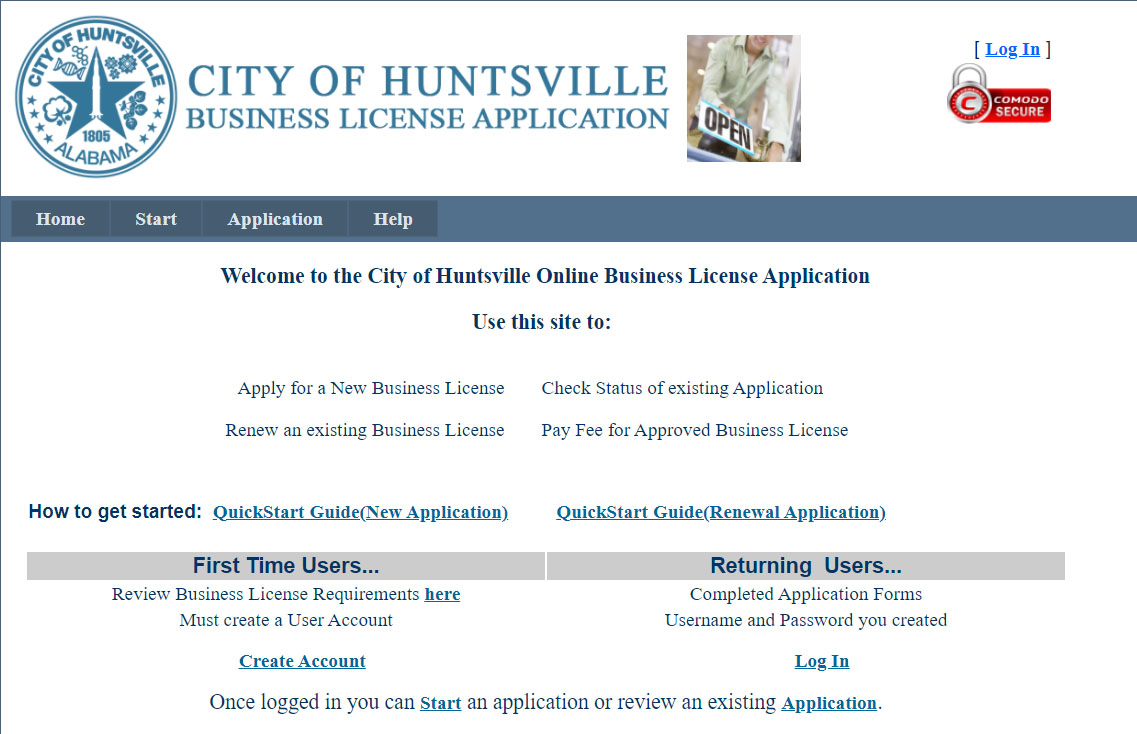
- City Hall/Clerk’s Office: For city business licenses, contact the City Clerk’s office or the department responsible for business licensing in your target city. Many cities have this information readily available on their official municipal websites, often in a “Business,” “Permits,” or “Licensing” section.
- County Probate Office/License Department: For county business licenses, contact the County Probate Judge’s office or the relevant county department that handles business licenses. Again, county websites are a good starting point.
Step 3: Prepare for Inquiries
When you contact or visit these offices, be prepared to provide specific details about your business, including:
- Business Name and Legal Structure
- Primary Business Activity/NAICS Code (if known)
- Projected Gross Receipts (for tiered licenses)
- Number of Employees
- Physical Address of Operation
Step 4: Factor in Additional Fees
Remember to ask about any associated fees, such as:
- Application Fees
- Inspection Fees
- Permit Fees
- Zoning or Land Use Permits
- Background Check Fees
- Renewal Fees and Frequency
By systematically working through these steps, you can move from a general question about “how much is a business license in Alabama?” to a precise understanding of the financial commitment required to legally establish and operate your business within the state. This diligent research is an indispensable part of responsible business planning and ensures a smoother, more compliant launch.
LifeOutOfTheBox is a participant in the Amazon Services LLC Associates Program, an affiliate advertising program designed to provide a means for sites to earn advertising fees by advertising and linking to Amazon.com. Amazon, the Amazon logo, AmazonSupply, and the AmazonSupply logo are trademarks of Amazon.com, Inc. or its affiliates. As an Amazon Associate we earn affiliate commissions from qualifying purchases.