
Florida, often lauded as the Sunshine State, beckons millions of travelers each year with its pristine beaches, vibrant cities, and world-class attractions. From the theme parks of Orlando to the Art Deco architecture of Miami, the state offers a kaleidoscope of experiences. However, amidst the excitement of planning a trip, visitors often overlook a crucial aspect of travel: understanding local laws and regulations. One question that frequently arises for those venturing to Florida concerns the legal status of marijuana. For many travelers, especially those coming from states or countries where cannabis laws are more relaxed, the legal landscape in Florida can be a source of confusion.
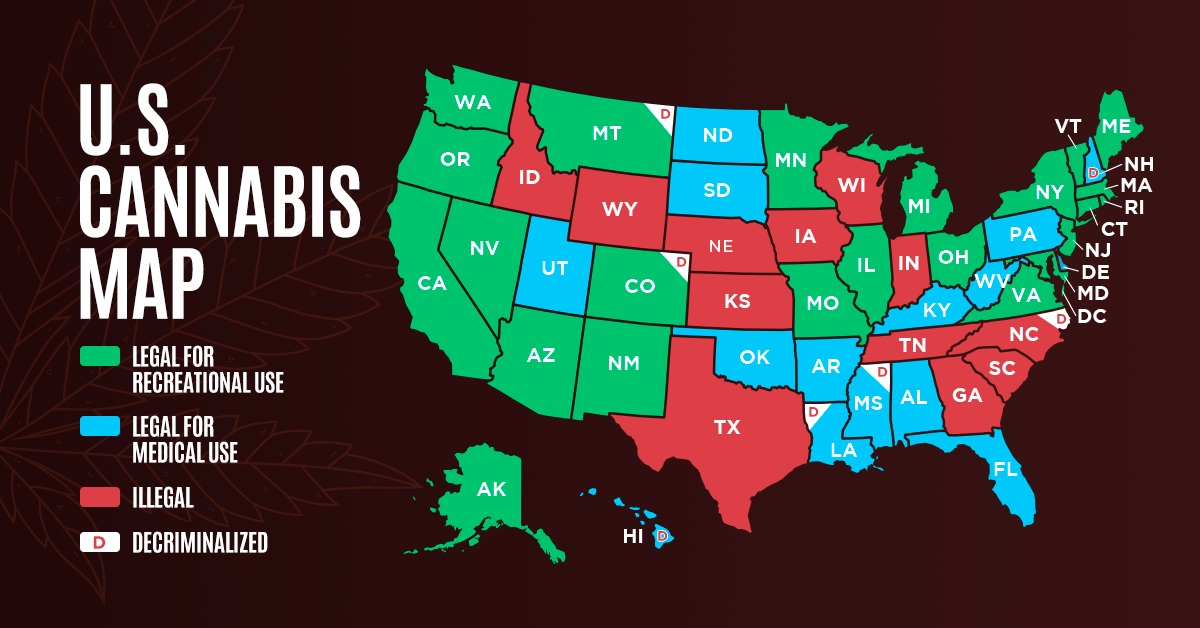
The short answer to whether marijuana is legal in Florida for recreational use is a definitive “no.” While the state has a well-established medical marijuana program, it maintains a strict stance against the recreational use, possession, cultivation, and sale of cannabis. This guide aims to provide a comprehensive overview of Florida’s marijuana laws, offering essential insights for travelers to ensure a safe, legal, and enjoyable visit to the Sunshine State. Understanding these regulations is not just about avoiding legal trouble; it’s about respecting the local community and ensuring your trip remains stress-free and memorable.
The Current Legal Landscape: Medical vs. Recreational
To fully grasp Florida’s position on marijuana, it’s essential to differentiate between recreational and medical use, as the state treats these categories very differently.
Recreational Marijuana in Florida
Despite ongoing national conversations and evolving laws in other states, recreational marijuana remains illegal in Florida. This means that possessing, purchasing, selling, cultivating, or distributing marijuana for non-medical purposes is against state law and carries significant penalties.
- Possession Penalties: Even small amounts of marijuana can lead to serious consequences. Possession of 20 grams or less is typically a misdemeanor, punishable by up to a year in jail and a $1,000 fine. Possessing more than 20 grams elevates the charge to a felony, with potential prison sentences of up to five years and fines of up to $5,000. These penalties escalate significantly for larger quantities or intent to distribute.
- Federal Law: It’s also crucial to remember that marijuana remains illegal under federal law across the entire United States. This federal prohibition means that even if Florida were to legalize recreational marijuana in the future, federal agents could still enforce federal laws. For travelers, this adds another layer of complexity and risk, particularly when crossing state lines or dealing with federal properties like national parks or airports.
Medical Marijuana in Florida
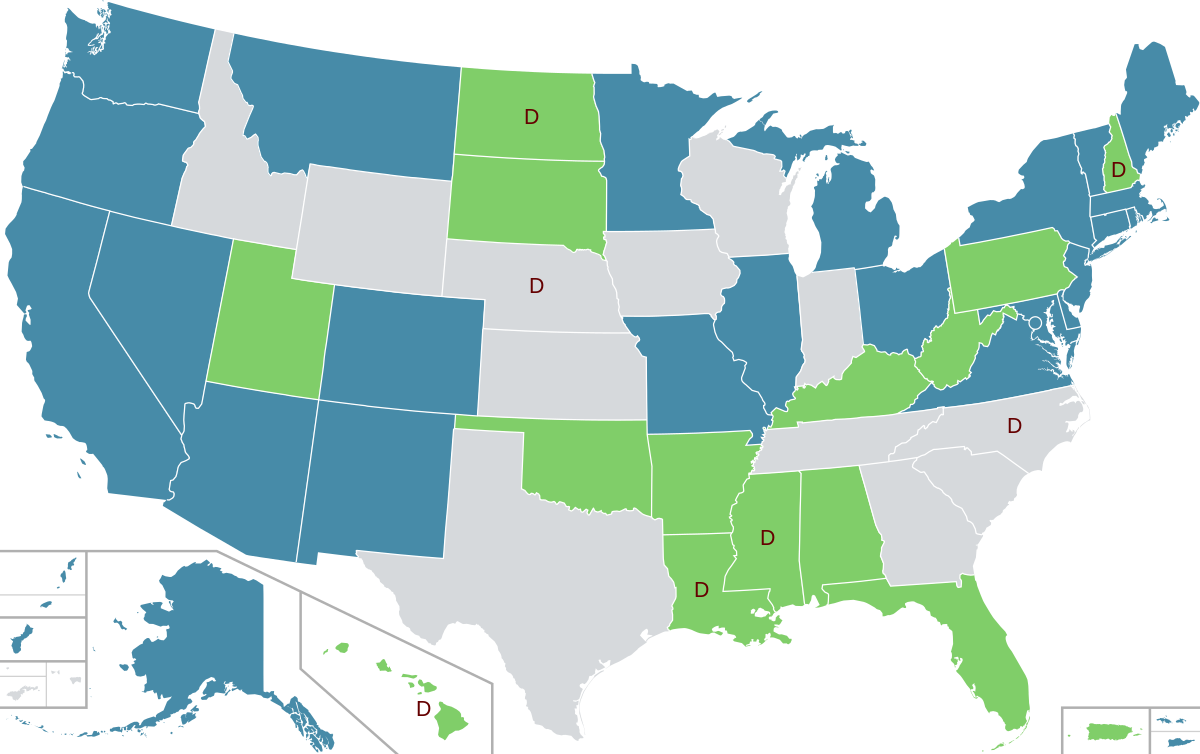
In contrast to its stance on recreational use, Florida has a robust medical marijuana program. Approved by voters in 2016, the program allows qualifying patients to legally obtain and use cannabis products for medicinal purposes.
- Eligibility for Florida Residents: To qualify for medical marijuana in Florida, an individual must be a permanent resident of the state and have been diagnosed with a qualifying medical condition by a certified Florida physician. Qualifying conditions include cancer, epilepsy, glaucoma, HIV/AIDS, PTSD, ALS, Crohn’s disease, Parkinson’s disease, multiple sclerosis, and chronic nonmalignant pain, among others. Once approved, patients receive a state-issued medical marijuana use registry identification card.
- Reciprocity for Travelers: A Critical Point: This is perhaps the most vital piece of information for visitors. Florida does not recognize out-of-state medical marijuana cards. This means that even if you possess a valid medical marijuana card from another state, you cannot legally purchase or consume medical marijuana in Florida. Attempting to do so, or bringing medical marijuana from another state into Florida, would be considered illegal and subject to the state’s recreational marijuana penalties. This lack of reciprocity is a common misconception for many travelers and can lead to unexpected legal issues.
- Dispensaries: For eligible Florida medical marijuana patients, products can only be purchased from licensed Medical Marijuana Treatment Centers (MMTCs), commonly known as dispensaries. These facilities are regulated by the state and are the only legal source for medical cannabis products.
Navigating Florida’s Public Spaces and Private Property
Understanding where you can and cannot consume marijuana, even if you are a qualified medical patient, is paramount. Florida’s laws are quite specific regarding public and private consumption.
Consumption in Public
Regardless of medical status, the consumption of marijuana in public places is strictly prohibited in Florida. This includes:
- Public Beaches and Parks: Places like Miami Beach, Clearwater Beach, and attractions such as Everglades National Park are entirely off-limits for marijuana use. These areas often have visible signage reinforcing state and local regulations.
- Streets, Sidewalks, and Public Transportation: Using marijuana in any form (smoking, vaping, edibles) in these public areas is illegal.
- Restaurants, Bars, and Entertainment Venues: Just as with tobacco smoking in enclosed public spaces, marijuana use is forbidden. Many establishments may also have their own policies prohibiting cannabis use on their outdoor premises.

Violating these rules can result in fines, arrest, and other legal consequences, potentially ruining a vacation. It is always best to err on the side of caution and avoid any public consumption.
Rules on Private Property
The rules for marijuana use on private property in Florida are more nuanced but still carry important restrictions.
- Hotels and Accommodations: Most hotels, including major chains like Marriott, Hilton, and Hyatt, have strict no-smoking policies that extend to marijuana, even for medical patients. These policies are designed to protect guests and property and can result in significant cleaning fees, fines, or even eviction if violated. It is crucial to check the specific policy of your hotel or resort before attempting to use any cannabis product.
- Vacation Rentals: If you are staying in a vacation rental through platforms like Airbnb or VRBO, the property owner’s rules dictate whether marijuana use is permitted. Many owners explicitly prohibit it. Always review the rental agreement carefully and communicate with the host if you have questions. Assuming it’s allowed could lead to penalties or a dispute.
- Private Residences: For Florida medical marijuana cardholders, consumption within a private residence is generally permissible, provided the property owner (if applicable) allows it. However, it’s essential to ensure that the use does not create a public nuisance or violate any local ordinances. For non-cardholders, recreational use in a private residence is still illegal, regardless of ownership.
Driving Under the Influence and Transportation Laws
For travelers, understanding laws related to driving and transporting marijuana is just as critical as knowing possession rules. Florida’s laws are stringent to ensure public safety.
DUI Laws in Florida
Florida has zero tolerance for driving under the influence of any impairing substance, including marijuana, even if it’s for medical use.
- Impairment, Not Just Presence: Unlike alcohol, where a specific blood alcohol content (BAC) threshold determines impairment, marijuana DUI laws focus on actual impairment while driving. If law enforcement determines that your normal faculties are impaired due to marijuana consumption, you can be charged with DUI.
- Penalties: A DUI conviction in Florida carries severe penalties, including hefty fines, mandatory jail time, license suspension, probation, community service, and mandatory drug and alcohol education programs. These consequences apply even to first-time offenders and can significantly impact your ability to drive and travel in the future.
- Implied Consent: Like many states, Florida has “implied consent” laws, meaning that by driving on state roads, you automatically consent to a chemical test (blood, urine, or breath) if an officer has probable cause to believe you are impaired. Refusal to submit to a test can result in an automatic license suspension.
Transporting Marijuana
Even for Florida medical marijuana cardholders, there are specific rules for transporting cannabis products.
- Medical Marijuana Transport: If you are an authorized medical marijuana patient, your cannabis products should always be in their original, sealed packaging from a licensed MMTC. It should be kept out of reach of the driver and passengers, ideally in the trunk or a locked glove compartment. It should never be open or easily accessible while the vehicle is in motion.
- Crossing State Lines: This is a major point of caution for all travelers. Transporting marijuana across state lines, even if both the origin and destination states have legalized medical or recreational cannabis, is a federal crime. Federal laws apply at state borders, and federal authorities (like the DEA or Border Patrol) can enforce them. This means you should absolutely never bring marijuana, medical or otherwise, into or out of Florida if you are traveling from another state.
- Airports: When traveling by air, even within [Florida](https://lifeoutofthebox.com/florida], federal law governs airport operations. The Transportation Security Administration (TSA) is primarily focused on security threats but will refer cases involving illegal substances (including marijuana) to local law enforcement. For major hubs like Orlando International Airport or Miami International Airport, this means that bringing marijuana, even medical marijuana, through security checkpoints can lead to arrest and prosecution under Florida law.
Important Considerations for Travelers to Florida
As you plan your journey to the Sunshine State, keeping these additional tips in mind will help ensure a smooth and legal experience.
- Stay Informed: Marijuana laws, both at the state and federal levels, are constantly evolving. Before your trip, it’s always a good idea to quickly verify the current legal status in Florida through official government resources. While this guide provides a comprehensive overview, changes can occur.
- Respect Local Regulations: Even if your home state or country has more liberal cannabis laws, it is imperative to respect and abide by Florida’s regulations. Visiting a new destination inherently means adhering to its local customs and legal framework. Disregarding these laws can lead to severe legal repercussions that could significantly derail your travel plans and create lasting problems.
- Consequences of Non-Compliance: The penalties for marijuana-related offenses in Florida can range from substantial fines and misdemeanor charges to felony convictions, potential jail time, and a permanent criminal record. Such consequences can impact future travel (especially international travel), employment opportunities, and personal reputation. It is simply not worth the risk.
- CBD Products: It’s important to distinguish between marijuana and hemp-derived CBD products. Thanks to the 2018 Farm Bill, hemp-derived CBD products containing less than 0.3% THC are federally legal and generally legal in Florida. These products are non-psychoactive. However, labeling can sometimes be misleading, and some CBD products might contain higher THC levels than advertised. When purchasing CBD, especially for travel, ensure it comes from a reputable source with third-party lab testing verifying its THC content. Also, remember that while federally legal, local jurisdictions might have their own ordinances regarding where certain CBD products can be consumed.
- Seek Legal Advice if Needed: If you find yourself in a situation where you are unsure about Florida’s marijuana laws, or if you encounter legal issues related to cannabis during your visit, it is always best to consult with a qualified Florida attorney. They can provide accurate, up-to-date legal advice specific to your situation.
In conclusion, while Florida offers a vibrant and welcoming experience for travelers, it maintains a conservative approach to marijuana legality. Recreational cannabis remains illegal, and even medical marijuana use is strictly regulated, with no reciprocity for out-of-state patients. By understanding and respecting these laws, especially concerning public consumption, transportation, and driving under the influence, visitors can ensure a trouble-free and enjoyable trip to the beautiful Sunshine State. Prioritize responsible travel, stay informed, and focus on creating unforgettable memories within the bounds of Florida’s legal framework.
LifeOutOfTheBox is a participant in the Amazon Services LLC Associates Program, an affiliate advertising program designed to provide a means for sites to earn advertising fees by advertising and linking to Amazon.com. Amazon, the Amazon logo, AmazonSupply, and the AmazonSupply logo are trademarks of Amazon.com, Inc. or its affiliates. As an Amazon Associate we earn affiliate commissions from qualifying purchases.