
Texas, a state renowned for its vast landscapes, rich history, and independent spirit, also boasts a culinary identity as bold and diverse as its culture. When you think of the Lone Star State, images of wide-open spaces, cowboys, and country music likely come to mind. But delve a little deeper, and you’ll discover a gastronomic landscape that is equally iconic and endlessly fascinating. From smoky barbecue pits to zesty Tex-Mex creations, the food of Texas is a fundamental part of its identity, a delicious reflection of its heritage and its people. This exploration will guide you through the quintessential flavors that have put Texas on the culinary map, offering a taste of the experiences awaiting travelers and food enthusiasts alike.
Texas’s culinary scene is a vibrant tapestry woven from the threads of various influences, including its Spanish colonial past, its Mexican neighbors, and its own pioneering spirit. This fusion has resulted in dishes that are not only flavorful but also deeply rooted in tradition. Whether you’re planning a Texas adventure for a luxurious resort getaway, a family trip exploring historical landmarks, or a budget-conscious exploration of local culture, understanding its food is key to experiencing the state authentically. Hotels in Texas range from charming boutique inns in Austin to sprawling resorts near the Gulf Coast, each offering a unique perspective on the state’s hospitality, often complemented by exceptional dining.
The Pillars of Texan Cuisine: Barbecue and Tex-Mex
At the heart of what makes Texas food famous are two undisputed titans: barbecue and Tex-Mex. These culinary powerhouses are more than just meals; they are cultural institutions, deeply ingrained in the fabric of the state and beloved by locals and visitors alike.
Texas Barbecue: A Smokin’ Hot Tradition
When you mention Texas food, barbecue is often the first thing that comes to mind, and for good reason. Texan barbecue is an art form, a slow-cooked labor of love that has been perfected over generations. It’s characterized by its simplicity, its focus on high-quality meats, and its distinct regional variations.
The Essentials of Texas Barbecue
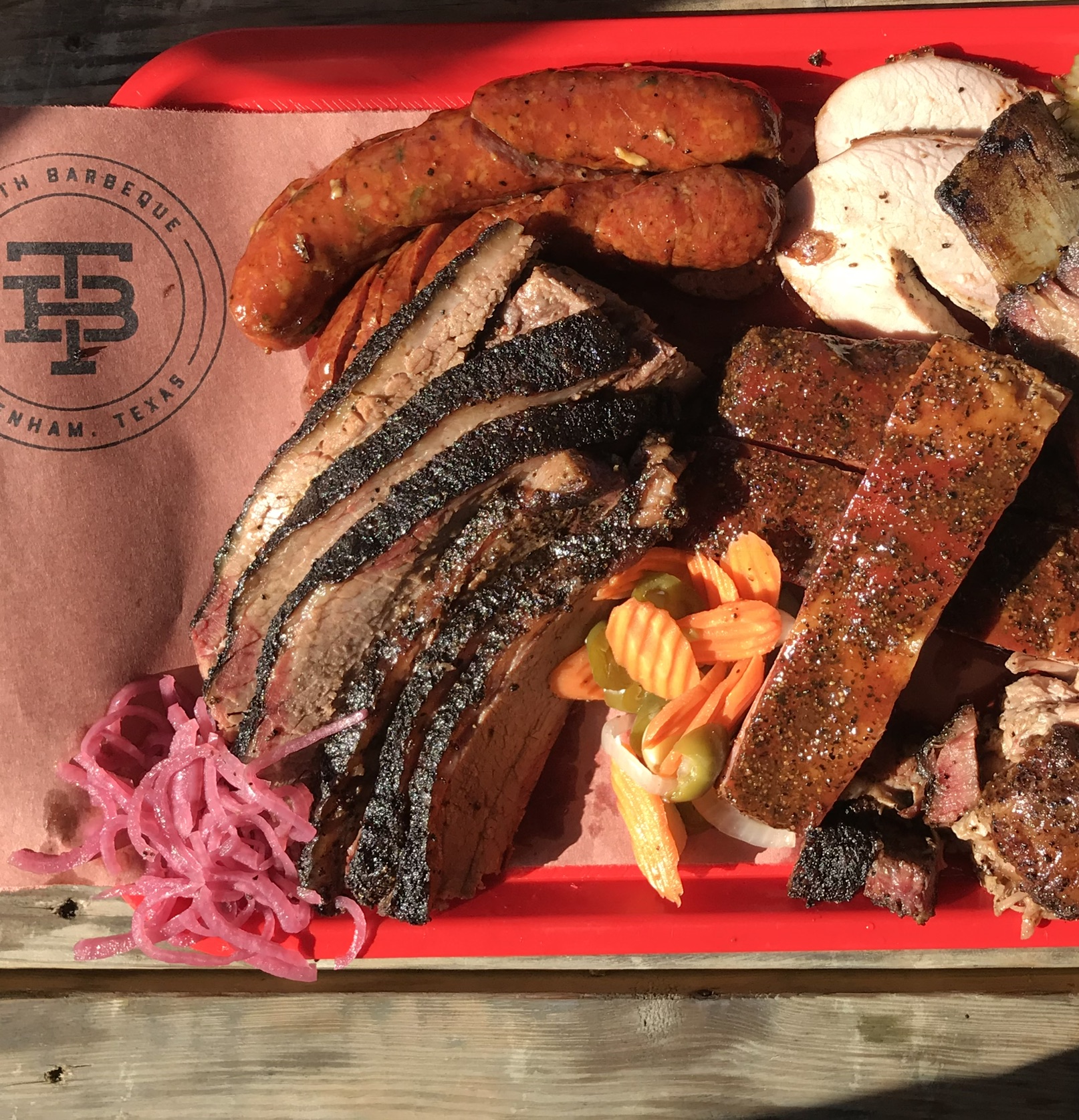
The foundation of Texas barbecue lies in the types of meat used and the cooking methods employed. The undisputed king is beef, particularly brisket, a notoriously tough cut that transforms into a tender, melt-in-your-mouth delicacy through hours of low-and-slow smoking. The smoking process itself is crucial, often utilizing post oak wood, which imparts a subtle, sweet, and smoky flavor that is unmistakably Texan.
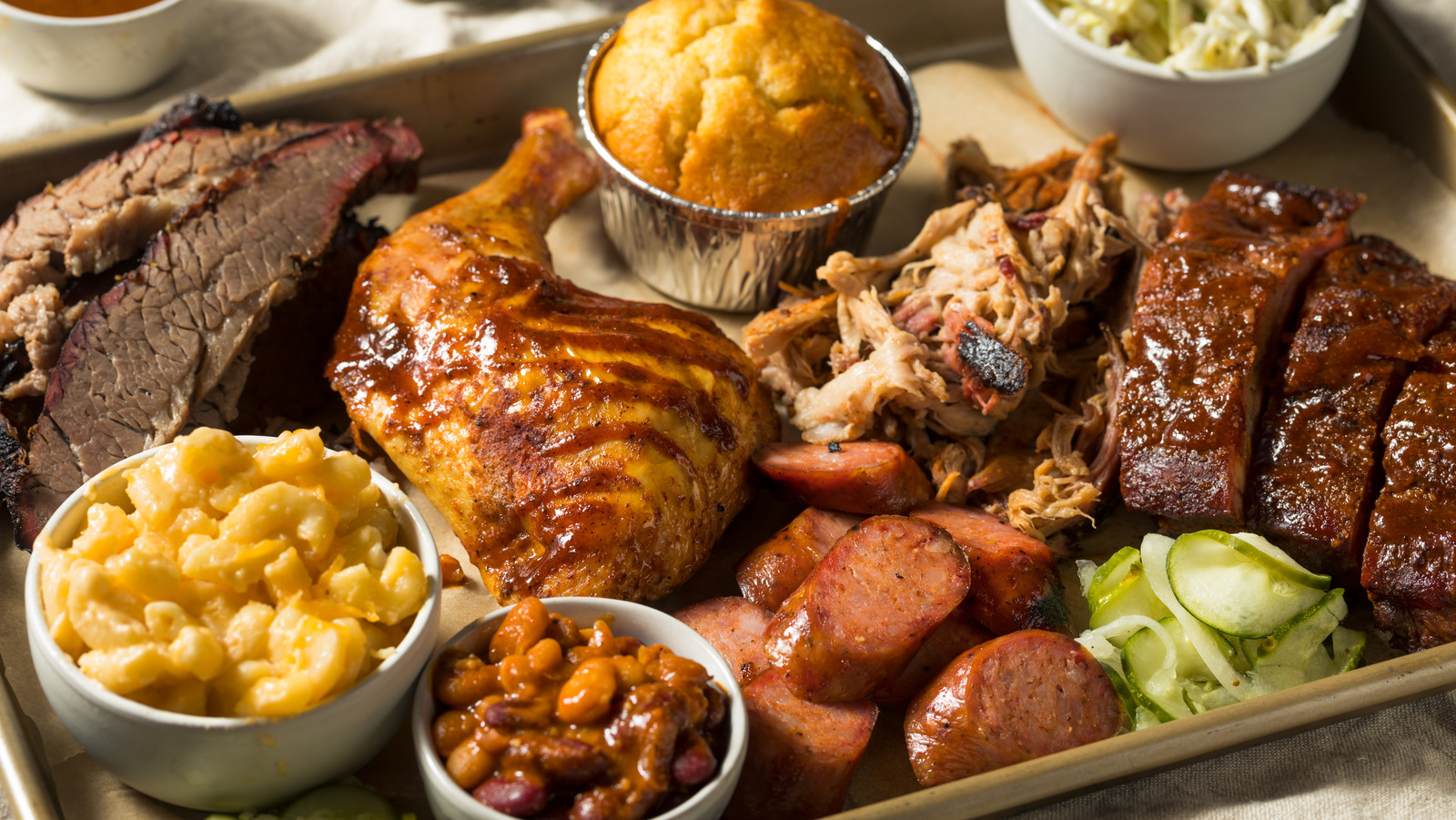
Other popular cuts include beef ribs, pork ribs, sausage (often a spicy, house-made variety), and chicken. The preparation is typically straightforward: a generous rub of coarse salt and black pepper (the “Dalmatian rub”) is often all that’s needed to season the meat before it hits the smoker. The magic happens over many hours, where patience and mastery of temperature control are paramount.
Regional Styles: A Flavorful Divide
While the love for barbecue is universal across Texas, distinct regional styles have emerged, each offering a unique flavor profile and approach. Understanding these variations can add another layer of enjoyment to your culinary journey.
-
Central Texas Barbecue: This style, often associated with cities like Austin, Lockhart, and Luling, is arguably the most purist form. It emphasizes the quality of the meat and the perfection of the smoking process, with minimal seasoning beyond salt and pepper. Brisket is the star, often served sliced. Sausage, especially the house-made varieties, also plays a significant role. The accompaniments are usually simple: pickles, onions, white bread, and perhaps a side of potato salad or coleslaw. Iconic establishments like Franklin Barbecue in Austin have cemented this region’s reputation.
-
East Texas Barbecue: This region leans towards chopped or pulled pork, often sauced. The sauces in East Texas tend to be thinner, sweeter, and tomato-based, a departure from the drier rubs favored elsewhere. Smoked chicken is also a popular offering. While brisket is present, pork often takes center stage.
-
South Texas Barbecue (or Santa Maria Style): While Santa Maria is technically in California, South Texas has adopted and adapted its grilling traditions. This style often involves larger cuts of beef, like tri-tip, grilled over red oak embers. The focus is on grilling over open flames rather than smoking in an enclosed pit. This method imparts a different kind of char and smoky flavor.
-
West Texas Barbecue: This style is known for its direct, high-heat cooking, often utilizing mesquite wood. The meats, especially beef, are cooked quickly over intense heat, resulting in a bolder, more intense smoky flavor and a slightly firmer texture compared to Central Texas barbecue.
No matter the region, a true Texas barbecue experience is often found at a no-frills joint, where the aroma of smoking meat fills the air and locals gather to savor the fruits of slow-cooked perfection. These eateries are often as much a part of the Texas landscape as the Big Bend National Park or the Alamo.
Tex-Mex: A Flavorful Fusion
Tex-Mex cuisine is a vibrant and delicious testament to the cultural exchange between Texas and Mexico. It’s a distinct culinary tradition that has developed its own identity, characterized by its bold flavors, generous use of cheese, and the prominent role of spices. While it shares roots with Mexican cuisine, Tex-Mex has evolved into something uniquely Texan.
Key Ingredients and Dishes
The hallmarks of Tex-Mex cooking are readily identifiable. Cumin, chili powder, and onions are foundational spices, providing the signature robust flavors. The liberal use of melted cheese, particularly cheddar, is another defining characteristic. This is not the subtle, nuanced cheese use of some traditional Mexican dishes, but a rich, comforting blanket that ties everything together.
Iconic Tex-Mex dishes that have gained national and international acclaim include:
-
Fajitas: Strips of marinated and grilled meat (typically beef, chicken, or shrimp) served sizzling on a cast-iron skillet with onions and peppers. They are meant to be assembled by the diner in warm tortillas with accompaniments like guacamole, sour cream, pico de gallo, and cheese.
-
Enchiladas: Corn tortillas filled with cheese, meat, or beans, rolled, and then smothered in a chili sauce and topped with more cheese. Variations abound, with different sauces like ranchero, mole, or crema offering diverse flavor profiles.
-
Tacos: While tacos are fundamental to Mexican cuisine, Tex-Mex tacos often feature seasoned ground beef, shredded chicken, or pork, served in crispy corn shells or soft flour tortillas, and loaded with lettuce, tomatoes, cheese, and sour cream.
-
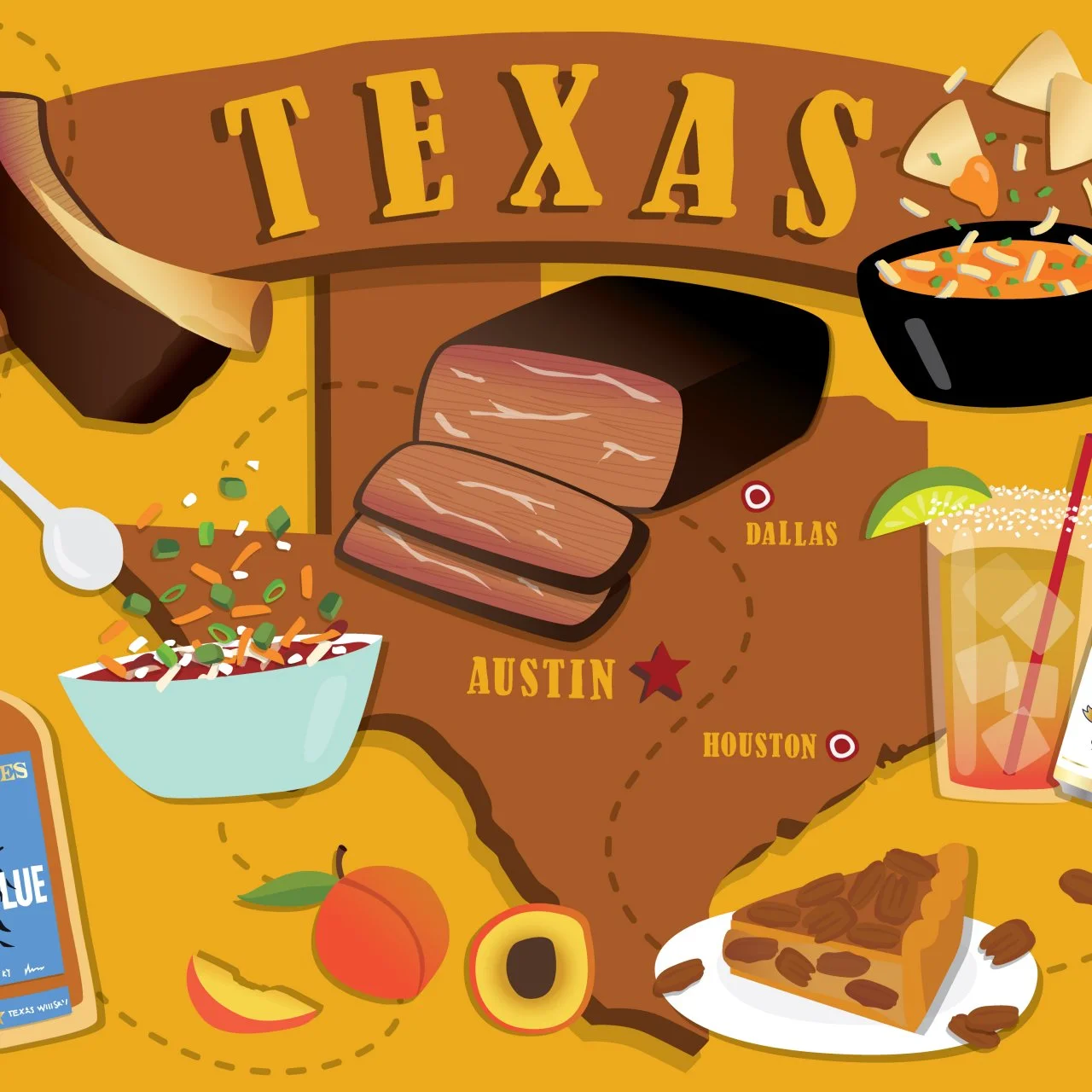
Queso: A warm, melted cheese dip, often made with processed cheese (like Velveeta) or a blend of cheeses, blended with chiles, tomatoes, and onions. It’s an essential appetizer and a beloved comfort food.
-
Chili con Carne: While often associated with Texas, it’s important to note that authentic Texas chili does not contain beans. This hearty stew is made with chunks of beef, chile peppers, and spices, a true embodiment of the state’s robust flavors.
-
Nachos: Tortilla chips covered with melted cheese and jalapeños, often served as a starter. Elevated versions can include various toppings like beans, meat, guacamole, and sour cream.
The Tex-Mex Experience
Tex-Mex restaurants are ubiquitous throughout Texas, ranging from casual, family-friendly diners to more upscale establishments. The atmosphere is often lively and festive, perfect for gathering with friends and family. A typical meal might start with a basket of warm tortilla chips and salsa, followed by a hearty main course that satisfies with its rich flavors and generous portions. The margaritas are often as legendary as the food, adding to the convivial dining experience.
Beyond Barbecue and Tex-Mex: Other Culinary Stars
While barbecue and Tex-Mex rightly dominate the conversation about Texas food, the state’s culinary landscape extends far beyond these two pillars. A deeper dive reveals other regional specialties and influences that contribute to the richness and diversity of Texas cuisine.
Southern Comfort and Cajun Influences
Given its proximity to Louisiana, it’s no surprise that Texas also embraces Southern comfort food and Cajun influences, particularly in its eastern and southern regions. This means hearty dishes like fried chicken, biscuits and gravy, and soul food classics are readily available.
In cities along the Gulf Coast, such as Galveston and Corpus Christi, seafood plays a prominent role. You’ll find fresh oysters, shrimp, and fish prepared in various ways, often with a nod to Creole and Cajun flavors. Gumbo, jambalaya, and crawfish boils, while originating in Louisiana, have found a warm welcome and are expertly prepared by Texas chefs. These dishes offer a taste of coastal life and the vibrant culinary traditions that have migrated inland.
Unique Regional Delicacies
Beyond the widely recognized categories, Texas is home to several unique regional delicacies that are worth seeking out. These often stem from the state’s agricultural bounty and its historical immigrant populations.
-
Kolaches: These small pastries, a legacy of Czech immigrants, are a popular breakfast and snack item, especially in Central Texas. Traditionally, they feature a sweet dough filled with fruit preserves, cream cheese, or poppy seeds. Savory versions, often filled with sausage, cheese, or eggs, have also become incredibly popular. Many bakeries in towns like West specialize in these delightful treats.
-
Chicken Fried Steak: A true Texan comfort food, chicken fried steak consists of a thin cut of beef steak that is pounded thin, breaded, and fried like fried chicken, then typically smothered in creamy white gravy. It’s a hearty, filling dish that exemplifies the generous spirit of Texas cooking.
-
Pecan Pie: Texas is a leading producer of pecans, and this is celebrated in its iconic pecan pie. Rich, sweet, and nutty, it’s a quintessential dessert often served during holidays but enjoyed year-round.
-
Gulf Coast Seafood: As mentioned, the Texas coast is a treasure trove of fresh seafood. From succulent shrimp boils to fresh grilled fish and briny oysters, the ocean provides a bounty of delicious options that are central to the cuisine of coastal communities.
Experiencing Texas Food: Travel and Tourism
The culinary scene is an integral part of the Texas travel experience, offering a delicious lens through which to explore the state’s diverse attractions and local culture. From bustling food trucks in Austin to established diners in small towns, every meal is an opportunity for discovery.
Culinary Tourism: A Taste of the State
For many travelers, sampling the local food is a primary motivation for visiting Texas. The state’s commitment to preserving its culinary heritage means that authentic experiences are readily available. Food festivals celebrating barbecue, Tex-Mex, and other regional specialties are common throughout the year, drawing crowds eager to taste the best Texas has to offer.
When planning your Texas trip, consider making your culinary journey a central theme. Researching renowned barbecue joints, famous Tex-Mex restaurants, and local bakeries specializing in regional treats can help shape your itinerary. Many hotels and resorts also offer exceptional dining experiences, showcasing local ingredients and flavors, allowing you to savor Texas cuisine right where you stay.
Tips for the Food Traveler
To make the most of your gastronomic exploration in Texas, here are a few tips:
- Be Adventurous: Don’t be afraid to try regional specialties or visit less-known establishments. Some of the best culinary discoveries are made off the beaten path.
- Embrace the Local Pace: Barbecue, in particular, requires patience. Be prepared for potential lines at popular spots, especially during peak hours. The wait is often part of the authentic experience.
- Explore Different Regions: Texas is a big state, and its food varies significantly from one region to another. If time allows, try to experience the barbecue of Central Texas, the Tex-Mex of the South, and the coastal seafood.
- Consider Food Tours: Many cities in Texas, such as San Antonio and Houston, offer guided food tours that provide an excellent introduction to their local culinary scenes. These tours often allow you to sample a variety of dishes and learn about the history and culture behind them.
- Stay Informed: Websites and local guides can provide up-to-date information on the best places to eat, upcoming food events, and culinary trends.
Whether you’re planning a lavish stay at a luxury resort or a budget-friendly adventure exploring local landmarks, the food of Texas promises to be a memorable part of your journey. From the smoky depths of a brisket pit to the vibrant spices of a Tex-Mex plate, the Lone Star State offers a culinary experience as vast and varied as its iconic landscapes.
LifeOutOfTheBox is a participant in the Amazon Services LLC Associates Program, an affiliate advertising program designed to provide a means for sites to earn advertising fees by advertising and linking to Amazon.com. Amazon, the Amazon logo, AmazonSupply, and the AmazonSupply logo are trademarks of Amazon.com, Inc. or its affiliates. As an Amazon Associate we earn affiliate commissions from qualifying purchases.