
For many prospective tourists planning a visit to the diverse landscapes of California, a question that occasionally surfaces amidst considerations of iconic beaches, towering redwoods, and bustling cities is whether the state is home to alligators. The imagery of reptiles lurking in murky waters might be associated with certain southern states in North America, but it’s a valid query for anyone exploring the natural environment of a new destination. The short and reassuring answer for those envisioning a picturesque and safe experience in the Golden State is a resounding no: California does not have native, wild populations of alligators. This absence is a crucial piece of information for tourists, shaping expectations about wildlife encounters and outdoor safety.
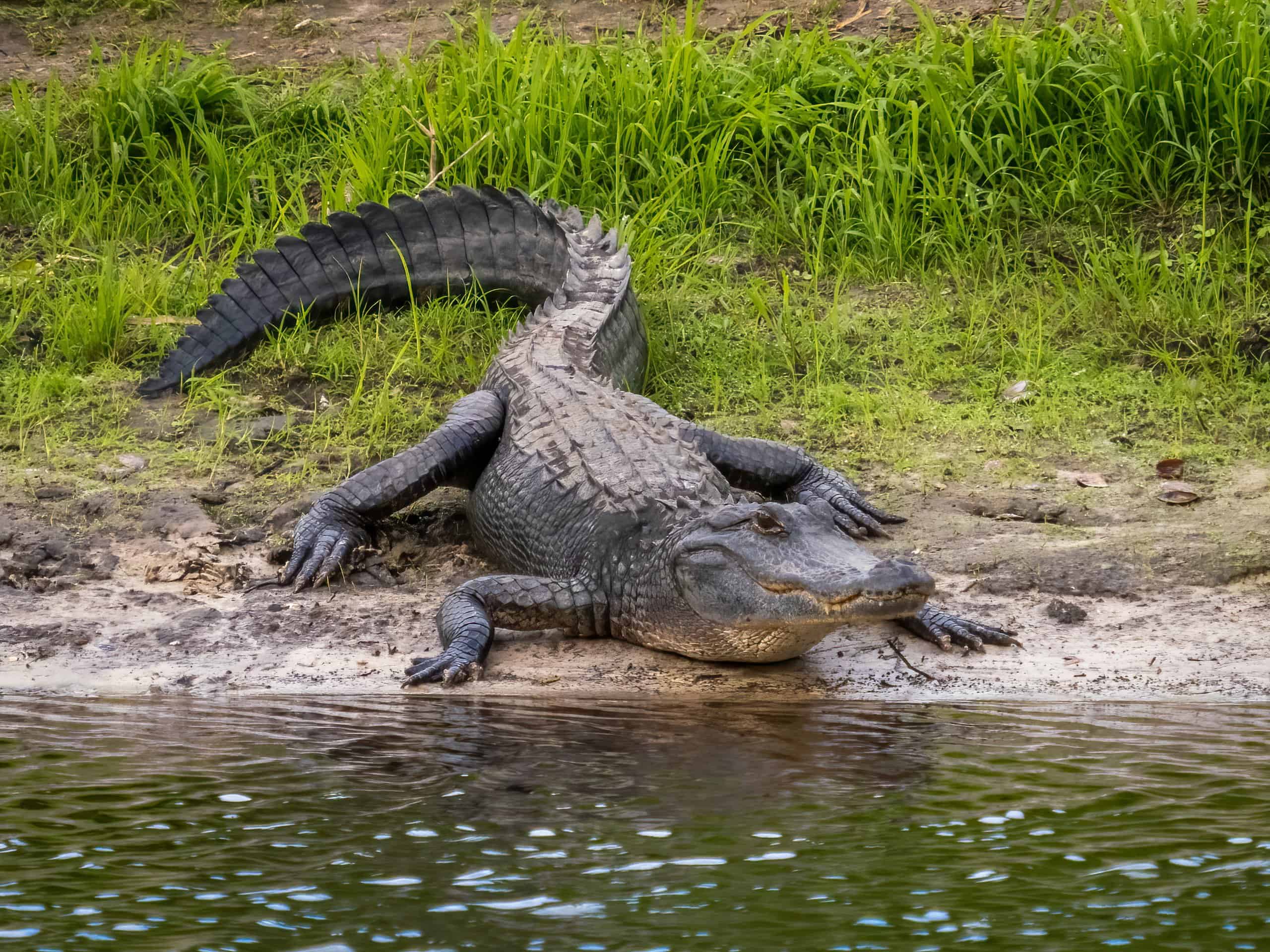
While the notion of encountering a gator might add an exotic thrill for some, the reality is that California’s unique ecosystems are simply not conducive to the long-term survival and thriving of these large reptiles in the wild. Understanding why this is the case, and what wildlife tourists can expect, is essential for a comprehensive and enjoyable visit. This article delves into the ecological reasons behind the absence of alligators, highlights the actual wildlife concerns for visitors, and provides practical tips for safe and responsible tourism in California’s magnificent natural settings.
The Truth About Alligators in the Golden State
The absence of native alligators in California is a matter of geographical distribution and specific environmental requirements. Alligators are highly specialized predators, and their ecological niche is quite distinct from what California typically offers.
Native Habitats vs. California’s Ecosystem
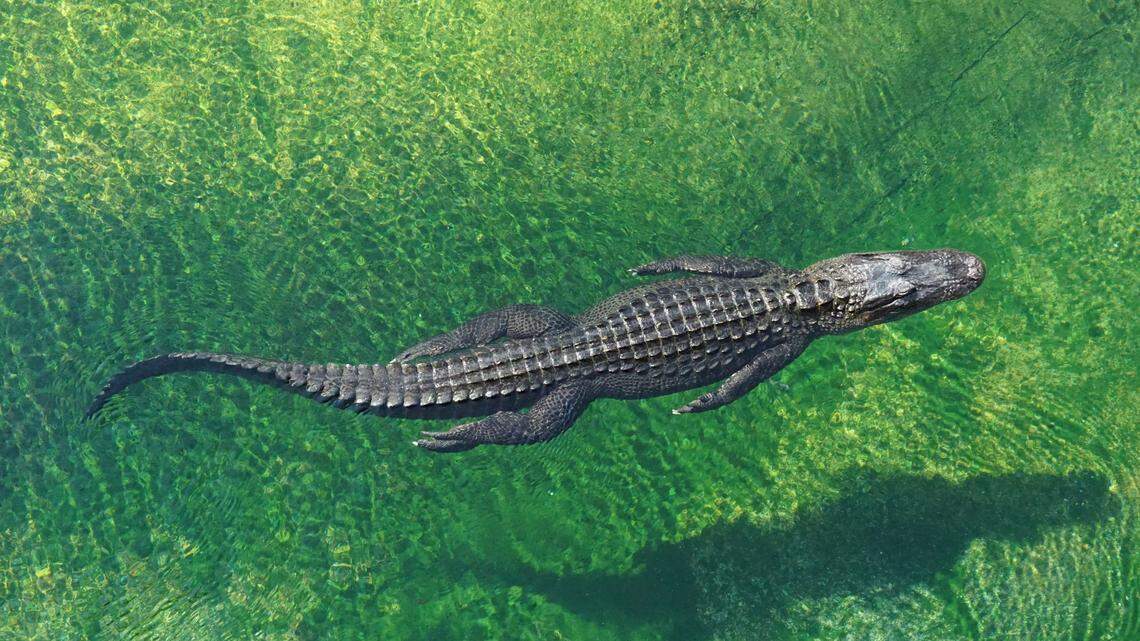
The American Alligator (Alligator mississippiensis) is primarily found in the southeastern United States, with its range extending from the eastern parts of Texas and Oklahoma eastward through Louisiana, Arkansas, Mississippi, Alabama, Georgia, South Carolina, North Carolina, and all of Florida. These states share a common characteristic: vast networks of warm, slow-moving freshwater systems, including swamps, marshes, rivers, and lakes, often with subtropical or tropical climates. The Everglades in Florida and the bayous of Louisiana are prime examples of ideal alligator habitats, characterized by consistent warmth, abundant prey, and suitable nesting sites.
California, while geographically vast and climatically diverse, lacks the specific combination of environmental factors necessary to support a wild alligator population. The state experiences a predominantly Mediterranean climate, with hot, dry summers and mild, wet winters, particularly along the coast. Inland areas, such as the Mojave Desert, are arid, while the majestic Sierra Nevada Mountains experience cold, snowy winters. Even the extensive waterways of the Great Central Valley, formed by the Sacramento River Delta and San Joaquin River, undergo significant seasonal temperature fluctuations that would be challenging for alligators, which are cold-blooded and require stable warm temperatures for digestion, growth, and reproduction. The vast majority of California’s aquatic environments simply don’t offer the year-round warmth and consistent swampy conditions that alligators need to thrive, especially for egg incubation and the survival of young.
Rare Sightings and Non-Native Presence
Despite the lack of native populations, the occasional news report or local rumor might surface about an alligator sighting in California. It is crucial for tourists to understand that such instances are exceedingly rare and always involve non-native individuals. These typically fall into a few categories:
- Illegally Kept Pets: Alligators are sometimes illegally purchased as exotic pets. As they grow too large and dangerous for their owners to manage, they are unfortunately (and illegally) released into local waterways. These released animals rarely survive long in California’s environment due to unsuitable climate and lack of proper prey, and they pose a limited, localized threat before they are typically captured or succumb to the elements.
- Escapees from Zoos or Wildlife Facilities: While extremely uncommon due to strict security protocols, there’s always a remote possibility of an escape from a legitimate zoological park or educational facility. Such incidents are immediately addressed by wildlife authorities.
- Misidentification: More often than not, reported “alligator” sightings turn out to be misidentifications of other native California wildlife, such as large freshwater turtles, monitor lizards (also exotic pets), or even river otters, especially at a distance or in low light.
For tourists, the takeaway is clear: while an alligator might exist in captivity at institutions like the Monterey Bay Aquarium, Sacramento Zoo, or the California Academy of Sciences, the likelihood of encountering one in the wild during your visit to California is virtually zero. Your focus as a tourist should be on appreciating the state’s actual native biodiversity.
Understanding California’s Unique Wildlife for Tourists
While alligators are not a concern, California is teeming with fascinating and diverse wildlife. For tourists venturing into the state’s natural areas, understanding the true local fauna is vital for safety, appreciation, and responsible interaction.
Common Reptiles and Amphibians You Might Encounter
Instead of alligators, California is home to a rich array of native reptiles and amphibians that are far more likely to be seen. Tourists exploring hiking trails, waterways, or desert landscapes might encounter:
- Lizards: From the common Western fence lizard to the larger Southern Alligator Lizard (a harmless, leg-bearing lizard, not an alligator!), and the vibrant collared lizard in desert regions, these reptiles are frequently observed basking on rocks.
- Snakes: California has many species of snakes, most of which are non-venomous and shy. Gopher snakes, garter snakes, and king snakes are common. The only venomous snake to be generally aware of is the rattlesnake, found in various habitats across the state. Hikers should be vigilant, especially in rocky or brushy areas, and know how to identify them by their distinctive rattle.
- Turtles and Tortoises: Freshwater turtles can be seen in lakes and ponds, while the desert tortoise, a threatened species, inhabits the arid regions of southeastern California. Tourists should never disturb these animals.
These creatures are integral to California’s ecosystems and, with proper observation from a distance, offer wonderful opportunities for wildlife viewing without posing significant threats like an alligator might.
Predators to Be Aware Of
While the exotic danger of alligators is absent, California does host powerful native predators that tourists should be aware of, especially when visiting wilderness areas like national parks or remote trails. Understanding and respecting these animals is a cornerstone of safe tourism.
- Mountain Lions (Pumas or Cougars): These elusive big cats are found throughout California’s wildlands, from coastal mountains to the Sierra Nevada Mountains. While attacks on humans are extremely rare, tourists hiking alone or with small children should be aware of their presence. Key safety tips include making noise on trails, keeping children close, and knowing how to react if an encounter occurs (make yourself look big, make noise, fight back if attacked).
- Bears (Black Bears): California is home to a healthy population of black bears, particularly in forested regions and national parks like Yosemite National Park, Sequoia National Park, and Kings Canyon National Park. These bears are typically shy, but they are opportunistic feeders and can become accustomed to human food. Tourists must store food properly, use bear-resistant containers, and never approach or feed bears. Knowing how to react to a bear encounter (stay calm, make noise, slowly back away) is crucial.
- Coyotes: Common throughout California, even in urban fringes, coyotes are generally timid towards humans but can pose a threat to pets. Tourists should keep pets leashed and never leave them unattended, particularly in natural areas.
By understanding the true predators of California, tourists can take appropriate precautions, enhancing both their safety and their appreciation for the state’s natural splendor.
Ensuring Safety and Responsible Tourism in California’s Outdoors
Engaging with California’s outdoors safely is a rewarding part of any tourist experience. Without the worry of alligators, the focus can shift to general best practices for enjoying the state’s natural beauty responsibly.
Best Practices for Wildlife Encounters
Responsible tourism dictates a respectful approach to all wildlife. This not only ensures the safety of visitors but also protects the animals and their habitats.
- Maintain Distance: Always observe wildlife from a safe and respectful distance. Use binoculars or a zoom lens for photography instead of trying to get closer. Disturbing animals can alter their natural behavior and cause stress.
- Never Feed Wildlife: Feeding animals, intentionally or unintentionally, can make them dependent on human food, lead to aggressive behavior, and negatively impact their health. Secure all food and scented items in bear-resistant containers or vehicles, especially in parks.
- Stay on Marked Trails: Wandering off designated trails can disturb sensitive ecosystems, increase your risk of encountering venomous snakes or other hazards, and even contribute to erosion.
- Make Noise on Trails: Especially in areas known for bears or mountain lions, making noise while hiking can alert animals to your presence, giving them time to move away before an unexpected encounter.
- Know What to Do in an Encounter: Familiarize yourself with specific safety guidelines for encountering larger animals like bears and mountain lions, often posted at park entrances or ranger stations.
Identifying Safe Recreation Areas
California offers an unparalleled variety of natural attractions, each with its own charm and recommended activities. Tourists can choose destinations based on their interests and comfort levels, knowing that general alligator concerns are non-existent.
- National and State Parks: Yosemite National Park, Sequoia National Park, Joshua Tree National Park, Death Valley National Park, and numerous California State Parks offer incredible hiking, camping, and scenic drives. These areas are managed by the National Parks Service or state agencies, providing well-maintained trails, visitor centers, and up-to-date safety information.
- Beaches and Coastal Areas: From the iconic shores of Southern California to the rugged beauty of Big Sur, beaches are popular for swimming, surfing, and marine wildlife viewing (like sea lions and dolphins). Ocean safety is the primary concern here, not large reptiles.
- Lakes and Rivers: Many of California’s lakes and rivers are popular for boating, fishing, and swimming. While the water may seem appealing, remember that fast currents, cold temperatures, and hidden obstacles can be hazards. Always check local conditions and warnings.
By choosing appropriate recreation areas and following local guidelines, tourists can fully immerse themselves in California’s breathtaking natural environments without the added anxiety of alligator encounters.
Dispelling Myths: Alligators vs. Crocodiles in Popular Culture
The public’s perception of large, predatory reptiles in water bodies is often conflated, with alligators and crocodiles frequently interchanged in common language and media. For tourists, understanding the distinctions can further clarify why alligators are not a factor in California’s wildlife landscape.
Geographic Distribution: Where Alligators and Crocodiles Truly Live
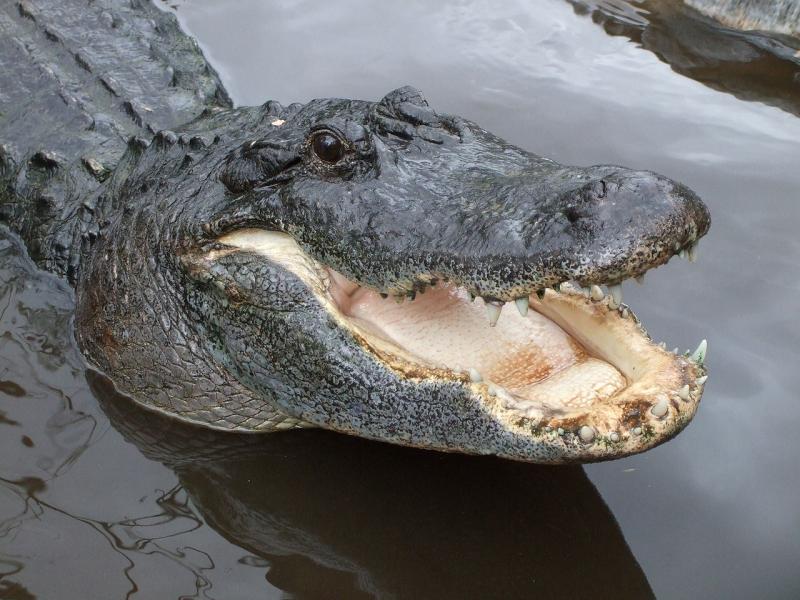
While both alligators and crocodiles belong to the order Crocodilia, their geographic distributions are quite distinct. Alligators are found in only two places globally: the American Alligator in the southeastern United States and the Chinese Alligator in the Yangtze River region of China.
Crocodiles, on the other hand, have a much wider global distribution. They can be found in tropical and subtropical regions across Africa, Asia, Australia, and the Americas. Critically, while some crocodiles (like the American Crocodile) inhabit parts of Florida and other warmer areas of the Americas, they do not extend their range north or west into California. The American Crocodile prefers brackish and saltwater environments and is at the very northernmost fringe of its range in extreme southern Florida.
This distinction reinforces that neither alligators nor crocodiles are naturally part of California’s wild ecosystem. The state is simply outside the natural, suitable habitat range for both groups of animals.
Cinematic Portrayals and Reality
Popular culture often takes liberties with animal geography for dramatic effect. Movies, television shows, and even theme park attractions might depict large crocodilians in settings that bear little resemblance to their actual habitats. A tourist might subconsciously associate “swamps” or “marshy areas” with the presence of these reptiles, regardless of the actual location. Films set in the fictional wilds of America, or even specific states, can blur the lines of reality. Think of films featuring crocodiles in seemingly any large body of water, from the depths of the Mississippi River (which does have alligators, but typically not crocodiles) to obscure, isolated lakes.
This media influence can contribute to the very question of whether California has alligators. By providing accurate information, tourists can distinguish between cinematic fantasy and ecological reality, allowing them to approach California’s stunning natural environments with correct knowledge and appropriate safety precautions for the actual wildlife they might encounter. The focus can then shift from imagined dangers to appreciating the real and spectacular biodiversity that California truly offers.
In conclusion, for any tourist planning a trip to California, the concern about encountering a wild alligator is unfounded. The state’s natural environment, while incredibly diverse and rich in wildlife, simply does not provide the conditions necessary for these reptiles to thrive. Instead, visitors can look forward to a unique array of native flora and fauna, from majestic mountain lions and bears to diverse bird species and marine life, all while adhering to responsible tourism practices to ensure a safe and memorable experience.
LifeOutOfTheBox is a participant in the Amazon Services LLC Associates Program, an affiliate advertising program designed to provide a means for sites to earn advertising fees by advertising and linking to Amazon.com. Amazon, the Amazon logo, AmazonSupply, and the AmazonSupply logo are trademarks of Amazon.com, Inc. or its affiliates. As an Amazon Associate we earn affiliate commissions from qualifying purchases.