
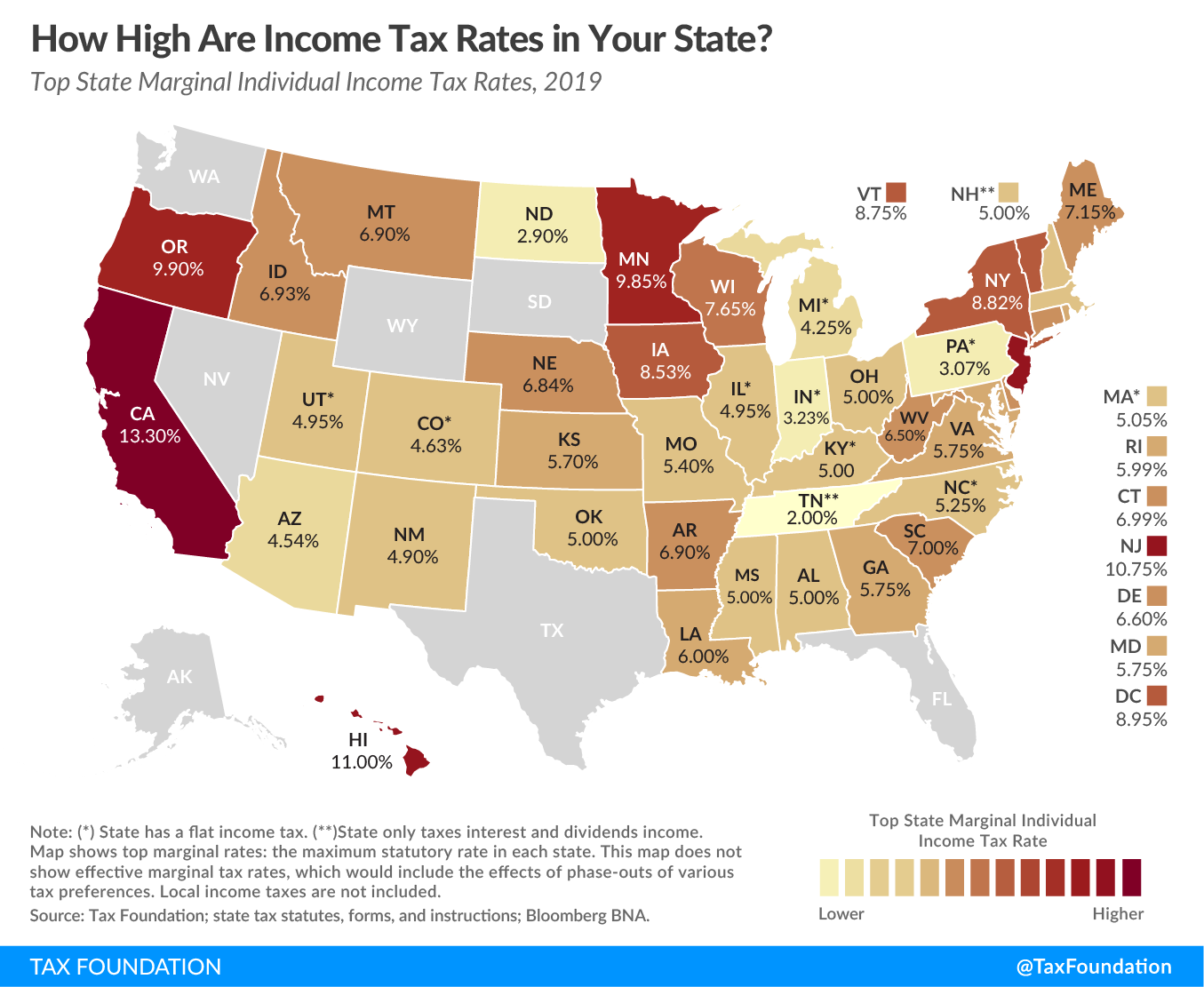
When planning a trip, particularly one to a state as vast and diverse as Texas, understanding the local financial landscape is crucial. While the allure of Texas often lies in its iconic landmarks, vibrant local culture, and diverse experiences, knowing about its tax policies can significantly impact your budget. For many travelers and potential residents, a key question arises: “What is Texas income tax?” The answer is surprisingly simple, yet profoundly influential on the state’s economic and lifestyle appeal.
The Lone Star State’s Tax Advantage: No State Income Tax
At the heart of Texas‘s financial structure is a defining characteristic: it is one of the few states in the United States that does not levy a state income tax on its residents or visitors. This absence of a personal income tax is a significant draw, influencing everything from where people choose to live and work to how businesses operate and invest within the state. For those considering a move to Texas, or simply planning an extended stay, this is a fundamental piece of information that shapes the overall cost of living and doing business.
Economic Implications of No State Income Tax
The decision to forgo a state income tax has had a profound impact on Texas‘s economic development. Proponents argue that this policy fosters a business-friendly environment, encouraging companies to relocate and expand within the state. This, in turn, creates jobs and stimulates economic growth. The lack of income tax means that individuals have more disposable income, which can be spent on goods, services, and leisure activities, further fueling the local economy.
Attracting Businesses and Investment
Many corporations, from tech giants to energy companies, have chosen Texas as their new headquarters or a significant operational base, partly due to its favorable tax climate. This influx of businesses not only brings investment but also contributes to the state’s reputation as a dynamic and growing economic hub. For example, cities like Austin, Dallas, and Houston have seen significant corporate expansions and relocations, often citing the absence of state income tax as a key factor in their decision-making. This has led to a competitive job market and a high demand for talent, making Texas an attractive destination for professionals across various industries.
Boosting Consumer Spending and Tourism
For travelers, this tax structure translates into more spending power. Whether you’re enjoying the culinary delights of San Antonio, exploring the Alamo, or experiencing the live music scene in Austin, your budget will stretch further without the immediate deduction of state income tax. This can encourage longer stays, more frequent visits, and a greater willingness to indulge in the diverse array of attractions and experiences Texas has to offer. From luxury resorts to budget-friendly accommodations, the overall cost of enjoying your trip can be significantly lower.
How Does Texas Fund Its State Government Without Income Tax?
If Texas doesn’t collect income tax, a natural question arises: how does the state government fund its operations, public services, and infrastructure projects? The answer lies in a diversified revenue stream heavily reliant on other forms of taxation, primarily sales tax and property tax. This approach creates a different tax burden compared to states with income tax, and understanding these differences is key to grasping the complete financial picture of Texas.
The Role of Sales Tax
Sales tax is a cornerstone of Texas‘s revenue generation. When you purchase goods and services within the state, a portion of that price goes towards state and local taxes. This tax is levied at both the state and local levels, meaning that the total sales tax rate can vary depending on the specific city or county you are in. While this can add up for residents with high consumption, for tourists, it’s often a familiar and manageable tax that is factored into the price of everyday purchases.
State and Local Sales Tax Rates
The state sales tax rate in Texas is 6.25%. However, cities and counties are permitted to impose additional local sales taxes, up to a maximum combined rate of 8.25%. This means that when you’re shopping for souvenirs in Galveston, dining in a Houston restaurant, or purchasing tickets to an event in Fort Worth, you will be subject to these combined rates. Understanding these variations can be helpful for budgeting, especially for longer trips or significant purchases. For instance, some areas known for their tourist attractions might have higher local sales tax rates to fund local infrastructure and services that benefit visitors.
Impact on Consumer Choices
The reliance on sales tax means that Texas‘s revenue is directly tied to consumer spending. During periods of economic boom, sales tax collections tend to be strong. Conversely, during economic downturns, the state may see a decrease in revenue. This system can also influence consumer behavior, as individuals might be more mindful of their spending, particularly on larger purchases, due to the added tax burden. For businesses, the sales tax structure is a critical consideration for pricing strategies and profit margins.
Property Tax: A Significant Source of Revenue
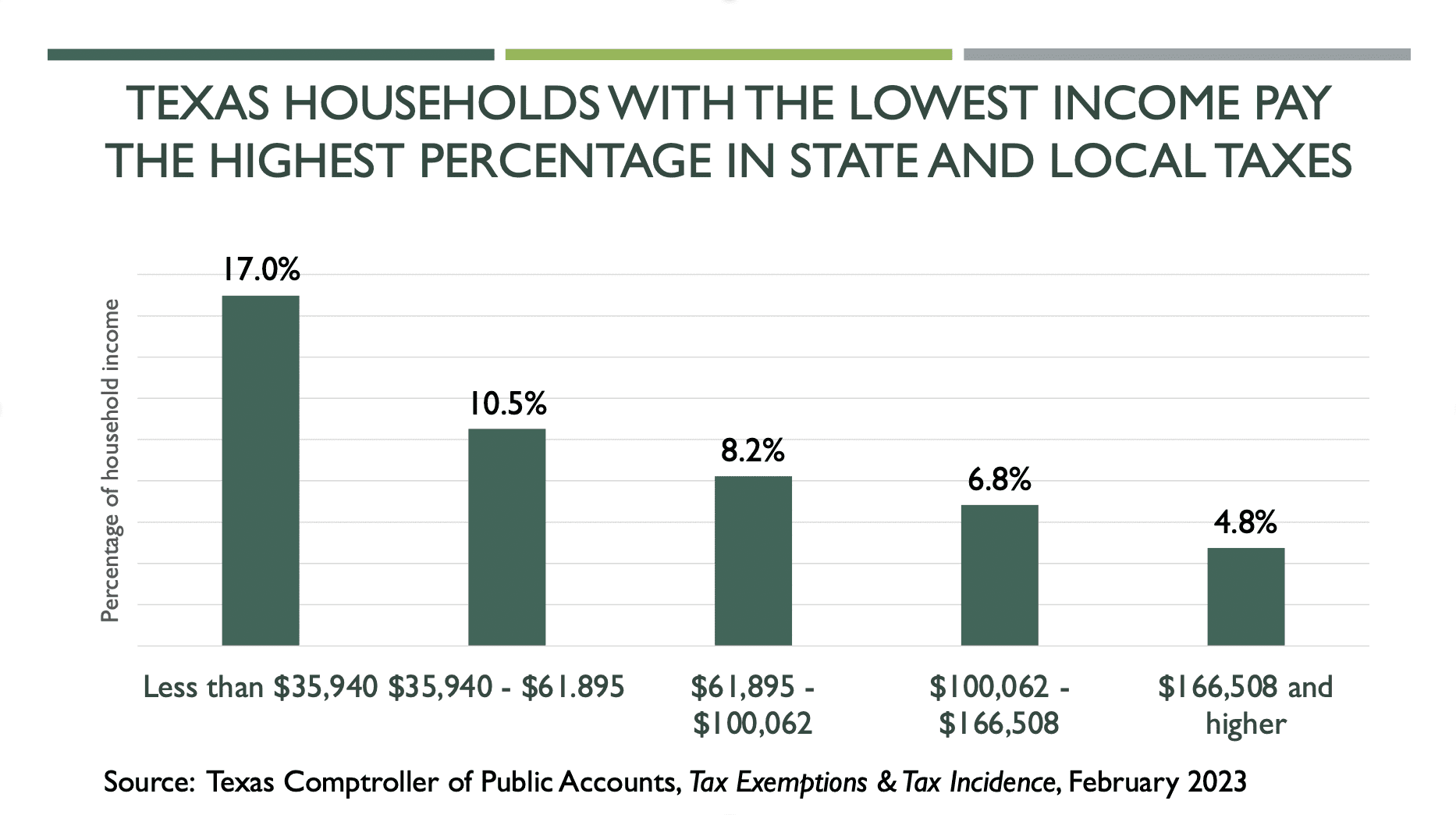
Another substantial source of funding for Texas government comes from property taxes. These taxes are levied by local governments – counties, cities, school districts, and other special districts – on the value of real estate and, in some cases, personal property. Unlike income tax, which is typically a percentage of earnings, property tax is based on the assessed value of your property.
Local Control and Variation
The rates and assessments for property taxes are determined at the local level, leading to significant variation across the state. Homeowners in different Texas cities and counties will experience vastly different property tax burdens. For example, property taxes in Austin might be higher than in a more rural county, reflecting the differing needs and service levels of these communities. This is a key factor for individuals considering purchasing property or long-term stays in Texas, as it can represent a substantial annual expense.
Funding for Local Services
Property taxes are vital for funding essential local services such as public schools, police and fire departments, and road maintenance. This directly impacts the quality of life in Texas communities, from the upkeep of public parks and libraries to the educational opportunities available for children. For property owners, understanding the local property tax rates and assessment procedures is crucial for financial planning.
Other Revenue Streams
In addition to sales and property taxes, Texas also generates revenue from other sources, including:
- Franchise Tax: A tax imposed on businesses operating in Texas, based on their taxable margin.
- Motor Vehicle Sales Tax: A tax collected on the sale of new and used vehicles.
- Taxes on Natural Resources: Texas levies taxes on the production of oil and natural gas, which can be a significant revenue source, especially during periods of high commodity prices.
- Fees and Fines: Revenue collected from various state agency fees, licenses, and penalties.
These diverse revenue streams allow Texas to maintain its no-state-income-tax policy while still funding the essential functions of government and public services that contribute to the state’s appeal for residents and visitors alike. From the iconic state capitol building in Austin to the sprawling Houston Ship Channel, the state’s infrastructure and services are supported by this robust, albeit different, tax framework.
How the “No Income Tax” Policy Affects Travelers and Residents
The absence of a state income tax in Texas has a tangible impact on various aspects of life for both temporary visitors and long-term residents. This policy influences budgeting, lifestyle choices, and the overall economic environment of the state.
For Tourists and Visitors
For those visiting Texas for leisure or business, the lack of state income tax is a straightforward financial advantage. Your hotel bills, dining expenses, shopping excursions, and activity fees will not be further burdened by an additional layer of state income tax. This allows your travel budget to go further, potentially enabling you to explore more destinations within Texas, extend your stay, or indulge in premium experiences.
Maximizing Your Travel Budget
Imagine planning a trip to Galveston for a beach vacation, exploring the historic Riverwalk in San Antonio, or attending a festival in Austin. Without state income tax, the money you allocate for accommodation, dining at renowned Texas restaurants, visiting famous places like the Texas State Aquarium, or enjoying attractions such as the Texas Ranger Museum, directly contributes to your enjoyment rather than being siphoned off by a state tax. This makes Texas a financially attractive destination for a wide range of travelers, from those seeking luxury travel to those opting for budget travel.
Planning for Sales Tax
While the absence of income tax is a significant benefit, travelers should still be mindful of the state and local sales taxes. As mentioned, these can add up, especially on larger purchases or during extended stays where daily expenses accumulate. Researching the sales tax rates in the specific cities you plan to visit can help in accurate budgeting for your Texas adventure. For example, a shopping spree in Dallas might incur a slightly different sales tax than a visit to a local boutique in a smaller town.
For Residents and Potential Relocators
The no-state-income-tax policy is a powerful magnet for individuals and families looking to relocate to Texas. The potential for significant savings on an annual basis can be a deciding factor when choosing a place to call home.
Financial Benefits of Residency
For residents, the absence of state income tax means that a larger portion of their hard-earned income remains in their pockets. This can lead to greater financial freedom, allowing individuals to save more, invest, or spend on other aspects of their lifestyle. This benefit is particularly pronounced for high-income earners, for whom the absence of state income tax can mean savings of thousands of dollars annually. This economic advantage is a key driver behind Texas‘s population growth.
Considerations for Property Owners
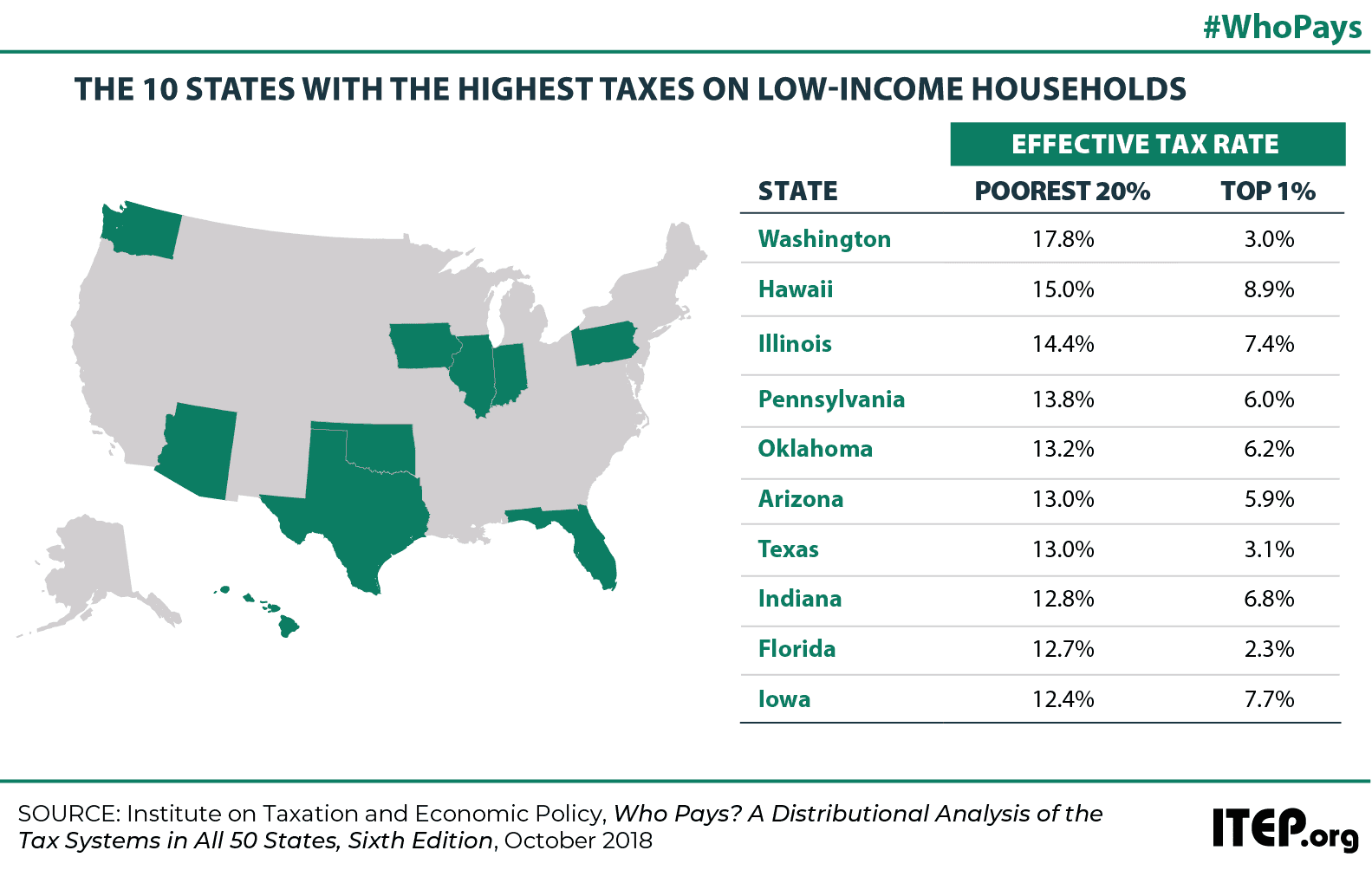
However, prospective residents must also weigh this benefit against the state’s reliance on property taxes. While income is not taxed at the state level, property ownership in Texas can come with substantial annual property tax bills. The level of these taxes varies greatly by location, and it’s crucial for individuals considering a move to thoroughly research property tax rates in their desired areas. For instance, the cost of living in a desirable Austin neighborhood might be offset by higher property taxes compared to a more affordable city.
Lifestyle and Economic Opportunities
The combination of no state income tax and a strong job market, particularly in sectors like technology, energy, and healthcare, makes Texas an appealing destination for individuals seeking both financial prosperity and a desirable lifestyle. Cities like Houston offer world-class cultural institutions, while San Antonio boasts a rich historical tapestry. The state’s diverse geography, from the Gulf Coast to the vast West Texas landscapes, provides a wide range of living environments and recreational opportunities, catering to various lifestyle preferences, including family trips and business stays.
In conclusion, the question of “What is Texas income tax?” leads to a clear answer: there isn’t one. This defining characteristic shapes the state’s economic identity, influences its revenue generation, and offers distinct advantages to both travelers and residents. By understanding how Texas funds itself through sales and property taxes, individuals can better plan their finances, whether they are visiting for a short getaway or establishing a new home in the Lone Star State.
LifeOutOfTheBox is a participant in the Amazon Services LLC Associates Program, an affiliate advertising program designed to provide a means for sites to earn advertising fees by advertising and linking to Amazon.com. Amazon, the Amazon logo, AmazonSupply, and the AmazonSupply logo are trademarks of Amazon.com, Inc. or its affiliates. As an Amazon Associate we earn affiliate commissions from qualifying purchases.