
Embarking on a cross-country journey from the golden shores of California to the bustling streets of New York is an iconic American adventure, a rite of passage for many, and a logistical puzzle for all. The question “How many miles from California to New York?” is more than just a search for a numerical answer; it’s the gateway to understanding the vastness of the United States and the myriad possibilities for exploration that lie between these two vibrant coasts. Whether you’re planning a swift flight, a leisurely train ride, or the ultimate American road trip, comprehending this distance is the first step in orchestrating an unforgettable travel experience. This article delves into the various facets of this epic traverse, from the sheer mileage to the routes, timeframes, and considerations that shape such a monumental journey.
The Epic Journey: Understanding the Distance
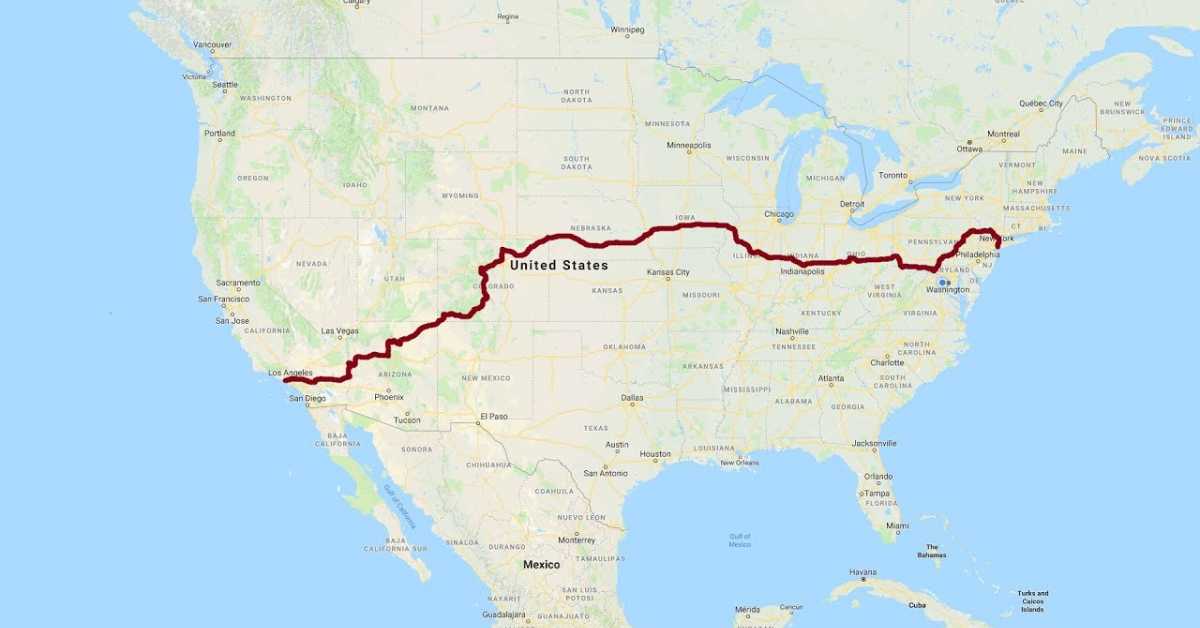
The sheer scale of traveling from one side of the United States to the other is often underestimated. Spanning an entire continent, the distance between California and New York represents a significant undertaking, rich with geographical diversity and logistical challenges.
Geographical Overview: Coast to Coast
California, a state synonymous with innovation, diverse landscapes, and a laid-back West Coast vibe, stretches along the Pacific Ocean. From the vibrant metropolis of Los Angeles and the iconic charm of San Francisco to the sun-drenched beaches of San Diego, its westernmost points are a world away from the Eastern Seaboard. New York, on the other hand, anchors the East Coast, with New York City standing as a global epicenter of finance, culture, and art. The expanse separating these two states encompasses mountains, deserts, vast plains, sprawling farmlands, and a multitude of diverse cities and cultures, each offering a unique slice of Americana. This transcontinental stretch makes any journey between them not just a trip, but an expedition.
Measuring the Miles: Straight Line vs. Road Trip
When calculating the distance, it’s crucial to distinguish between the “as the crow flies” measurement and the actual driving distance. The straight-line or great circle distance between major cities like Los Angeles and New York City is approximately 2,450 miles (around 3,940 kilometers). This theoretical measurement is useful for understanding the general span but holds little practical value for ground travel.
For a road trip, the actual mileage varies significantly depending on the chosen route, starting point in California, and ending destination in New York. Typically, a cross-country drive from a major California city like Los Angeles or San Francisco to New York City covers anywhere from 2,700 to 3,200 miles (4,345 to 5,150 kilometers). This variation accounts for different interstate highways, potential detours for sightseeing, and varying road conditions. An average driving speed of 60-70 mph (96-112 km/h) means that a trip without significant stops would theoretically take around 40-50 hours of continuous driving. However, practical considerations like rest, meals, and overnight stops extend this to a multi-day adventure.
Popular Cross-Country Driving Routes
The journey from California to New York offers several primary interstate routes, each presenting its own unique set of landscapes, attractions, and driving challenges. Choosing the right path depends on your priorities: speed, scenery, or specific points of interest.
The Northern Route (I-80 Corridor)
Starting from Northern California, perhaps San Francisco or Sacramento, the Interstate 80 corridor is a direct path across the northern tier of the United States. This route typically covers around 3,000 miles (4,828 kilometers) to New York City and can be completed in about 45-50 hours of driving time over 4-6 days.
Key states and cities along this route often include Nevada (Reno), Utah (Salt Lake City), Wyoming (Cheyenne), Nebraska (Omaha), Iowa, Illinois (Chicago), Indiana, Ohio (Cleveland), and Pennsylvania, before reaching New York. Travelers will witness the rugged beauty of the Rocky Mountains, the endless expanse of the Great Plains, and the industrial heartland near the Great Lakes. Iconic landmarks such as the Golden Gate Bridge (if starting in San Francisco), Salt Lake City’s Temple Square, and Chicago’s Millennium Park are highlights.
The Central Route (I-70 Corridor)
A popular choice for those starting from Southern California, such as Los Angeles, the Interstate 70 corridor offers a blend of desert landscapes, mountain passes, and sprawling Midwestern cities. This route typically spans about 2,800-2,900 miles (4,500-4,670 kilometers) and can be covered in approximately 42-48 hours of driving over 4-5 days.
Key states and cities often include Nevada (Las Vegas), Arizona, Colorado (Denver), Kansas (Kansas City), Missouri (St. Louis), Illinois, Indiana (Indianapolis), Ohio (Columbus), Pennsylvania (Pittsburgh, Philadelphia), and finally New York. Travelers can experience the bright lights of Las Vegas, the scenic beauty of the Rocky Mountains in Colorado, the iconic Gateway Arch in St. Louis, and the historical richness of Philadelphia’s Liberty Bell or Independence Hall. Detours to the Grand Canyon National Park are also popular.
The Southern Route (I-40/I-10 Corridor)
For those preferring warmer climates and a journey through the American South, combining Interstate 10 and Interstate 40 offers a distinct experience. Starting from Southern California (e.g., San Diego or Los Angeles), this route is often the longest, ranging from 3,000-3,200 miles (4,828-5,150 kilometers), requiring 48-55 hours of driving over 5-7 days.
This route traverses Arizona (Phoenix), New Mexico (Albuquerque), Texas, Oklahoma (Oklahoma City), Arkansas, Tennessee (Memphis, Nashville), and then typically veers north through Virginia (I-81) or North Carolina (I-85 to I-95) towards New York. This journey offers a taste of the desert Southwest, snippets of the historic Route 66, deep Southern culture, and potentially a visit to Graceland in Memphis. Many also consider a detour to Washington D.C. to visit the Smithsonian Museums and other national landmarks before heading north to New York City.
Factors Influencing Travel Time and Experience
Beyond the raw mileage, several crucial factors dictate how long your journey will take and the overall quality of your travel experience from California to New York.

Mode of Transport: Driving, Flying, or Train?
The choice of transportation dramatically alters the “travel time” aspect.
- Driving: Offers unparalleled flexibility, allowing for spontaneous stops, detours, and the ability to carry more luggage. It’s the most immersive way to experience the diverse landscapes of the United States. However, it requires a significant time commitment (3-7 days minimum) and involves the costs of fuel, accommodation, and vehicle maintenance.
- Flying: By far the quickest option. A direct flight from Los Angeles or San Francisco to New York City typically takes about 5-6 hours. Factoring in airport transfers, security, and boarding, the total door-to-door travel time is usually 8-10 hours. This is ideal for those with limited time or business commitments.
- Train: Amtrak offers cross-country services, providing a scenic and relaxed alternative. Routes like the California Zephyr or Southwest Chief connect to eastern lines. While slower than driving (often 3-4 days), it allows passengers to enjoy the views without the stress of driving, with various comfort levels and accommodation options available on board.
Trip Duration and Pace
A cross-country road trip is not merely about covering miles; it’s about the journey itself.
- Minimum Duration: While it’s theoretically possible to drive from California to New York in 3 days with two drivers pushing hard, this is not recommended due to fatigue and safety risks.
- Recommended Pace: Most travelers find a 5-7 day itinerary to be a comfortable pace, allowing for 8-10 hours of driving per day, with ample time for rest, meals, and short stops at points of interest. This pace also includes overnight accommodation.
- Leisurely Exploration: For those who wish to truly explore, a 10-14 day (or longer) trip allows for significant sightseeing, national park visits, and deeper engagement with local cultures.
Budgetary Considerations
The cost of your trip will vary significantly based on your mode of transport and travel style.
- Fuel: This is a major expense for drivers. Prices fluctuate, but budgeting for 150-250 gallons of fuel is a good starting point, depending on your vehicle’s fuel efficiency and the exact route.
- Accommodation: Hotels, motels, or camping fees along the way can add up. Booking in advance, especially during peak season, can help manage costs.
- Food: Daily meal expenses for several days will be a significant factor.
- Attraction Fees: Entry fees for national parks, museums, or other attractions should be factored into your budget.
Seasonal Impact and Road Conditions
The time of year you choose to travel can dramatically affect the experience.
- Winter (December-March): The northern and central routes can encounter severe winter weather, including heavy snow and ice, especially in the Rocky Mountains and the Midwest. This can lead to road closures, delays, and hazardous driving conditions. The southern route tends to be milder but can still experience cold snaps.
- Spring (April-May): Generally favorable, with budding landscapes and moderate temperatures, though some northern areas might still see late snow.
- Summer (June-August): Popular for family trips, but expect higher temperatures, especially in the Southwest. Roads can be busy, and accommodation prices might be higher.
- Fall (September-November): Often considered ideal, with comfortable temperatures, beautiful fall foliage in the eastern states, and fewer crowds than summer.
Planning Your Cross-Country Adventure
A journey of this magnitude requires careful planning to ensure a smooth and enjoyable experience. From vehicle preparation to itinerary crafting, foresight is key.
Essential Pre-Trip Checklist
Before you hit the road, a thorough check-up is paramount.
- Vehicle Maintenance: Ensure your car is in excellent condition. Check tires (including the spare), brakes, oil, fluids, and lights. Consider a full service beforehand.
- Documentation: Have your driver’s license, vehicle registration, and insurance documents readily accessible.
- Emergency Kit: Pack a roadside emergency kit including jumper cables, a first-aid kit, a flashlight, blankets, non-perishable food, and water.
- Navigation Tools: While smartphones with GPS are indispensable, consider a physical map as a backup, especially in areas with spotty cell service. Download offline maps if possible.
- Comfort Items: Pillows, blankets, chargers, sunglasses, and a good playlist are essential for long drives.
Crafting Your Itinerary
A well-planned itinerary balances driving time with opportunities for relaxation and exploration.
- Route Selection: Decide on your preferred route (northern, central, or southern) based on your interests and the time of year.
- Daily Driving Limits: Be realistic about how much you can comfortably drive each day without fatigue. 8-10 hours is a common maximum.
- Points of Interest: Identify major attractions or natural wonders you wish to visit along your chosen path. Build in extra time for these stops.
- Accommodation Booking: Especially during peak travel seasons, booking your overnight accommodation in advance can save time and stress. Look for places slightly off the main interstate to find better value or more unique experiences.
- Flexibility: While a plan is good, be open to spontaneous detours and changes. Some of the best memories are made off the planned path.
Safety and Preparedness on the Road
Safety should always be a top priority during a long road trip.
- Rest: Get adequate sleep each night. If you feel tired while driving, pull over and rest. Driver fatigue is a significant hazard.
- Share Driving: If traveling with companions, share the driving responsibilities to reduce fatigue.
- Stay Hydrated and Fed: Keep snacks and water readily available to maintain energy levels.
- Communicate: Inform friends or family of your itinerary and check in regularly.
- Roadside Assistance: Have a plan for roadside emergencies, such as a membership to a motor club.
- Awareness: Be mindful of your surroundings, especially in unfamiliar areas or at rest stops.
Beyond the Miles: The Journey Itself
While the question of “how many miles” provides a numerical framework, the true essence of traveling from California to New York lies in the journey itself—a profound experience that transcends mere distance.
The Allure of the American Road Trip
The American road trip from coast to coast is more than just transportation; it’s an adventure steeped in culture and discovery. It offers a unique opportunity to witness the astonishing geographical diversity of the United States firsthand, from the arid deserts of the Southwest to the rolling plains of the Midwest, the majestic peaks of the Rocky Mountains, and the verdant forests of the East. Travelers encounter a mosaic of local cultures, regional cuisines, and historical narratives that are often missed when flying over. It’s a chance to truly understand the fabric of the nation, one mile at a time. The sense of freedom, the open road, and the constant unfolding of new horizons create a profound connection with the landscape and the spirit of exploration.

From Coast to Coast: A Personal Triumph
Completing a journey from California to New York is a personal triumph. It’s an odyssey that challenges endurance, fosters adaptability, and rewards with unforgettable memories. Whether you arrive in New York City’s Times Square or a serene upstate town, the satisfaction of having traversed the vast American continent by your chosen means is immense. Each mile contributes to a richer understanding of the country and yourself, leaving you with stories to tell and a deeper appreciation for the grand adventure that is travel. The distance isn’t just a number; it’s a testament to the journey and the boundless opportunities for discovery that lie within it.
LifeOutOfTheBox is a participant in the Amazon Services LLC Associates Program, an affiliate advertising program designed to provide a means for sites to earn advertising fees by advertising and linking to Amazon.com. Amazon, the Amazon logo, AmazonSupply, and the AmazonSupply logo are trademarks of Amazon.com, Inc. or its affiliates. As an Amazon Associate we earn affiliate commissions from qualifying purchases.