
Navigating the financial landscape of any destination is a crucial aspect of planning your travels, and understanding tax rates is no exception. While the initial thought might gravitate towards the myriad of attractions and accommodations Texas offers, delving into its tax structure provides a more comprehensive picture for both short-term visitors and long-term residents. This guide aims to demystify the Texas state tax rate, focusing primarily on sales tax, and how it intertwines with your travel experiences, from booking a luxurious resort in Austin to exploring the historic streets of San Antonio.
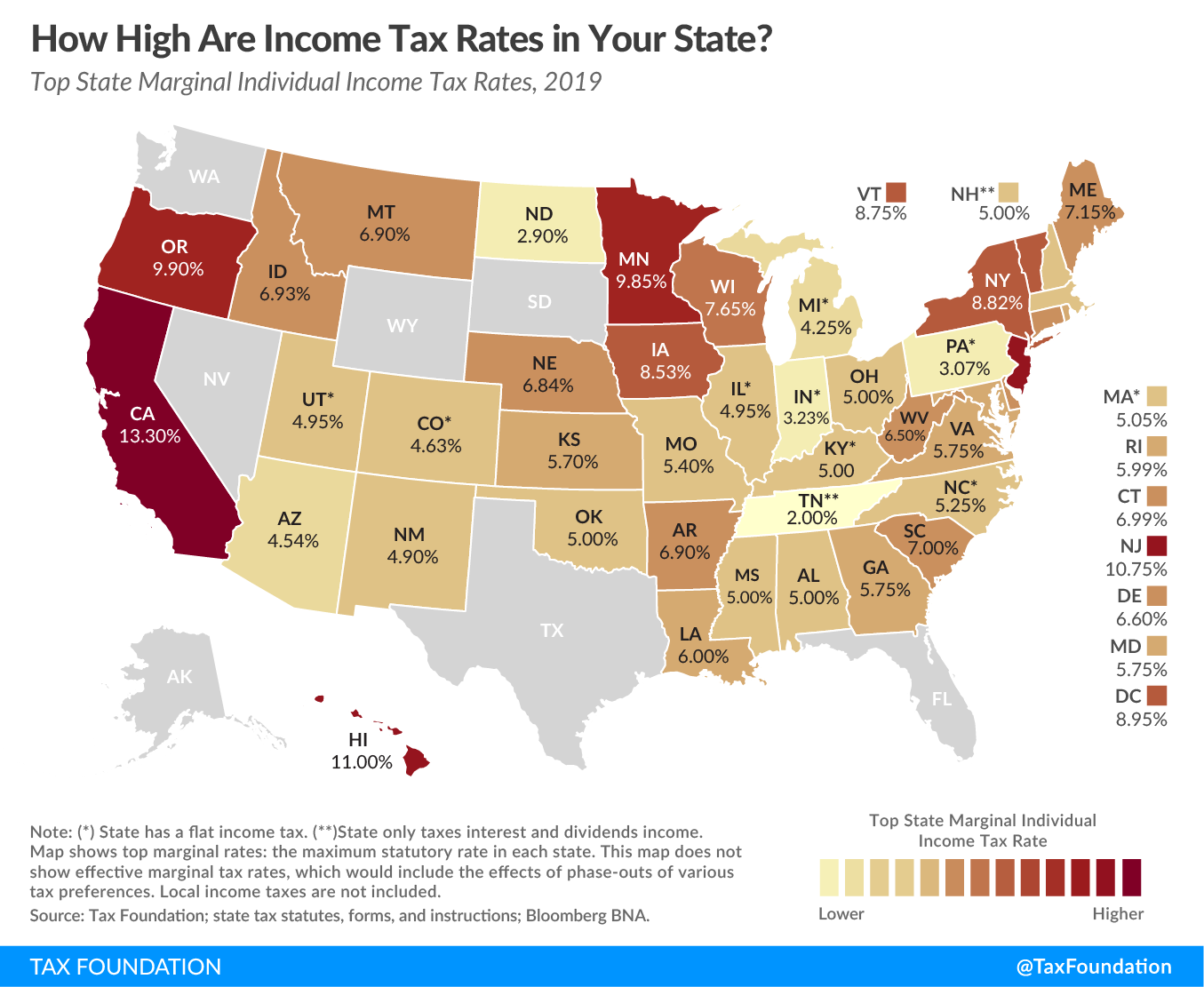
Texas, often lauded for its vibrant culture, sprawling landscapes, and diverse culinary scene, operates without a state income tax. This is a significant draw for many, contributing to its appeal for businesses and individuals alike. However, this absence of income tax is compensated by a robust state sales tax, which impacts many of your expenditures while exploring the Lone Star State. Understanding these nuances ensures you can budget effectively, whether you’re planning a family trip to the Space Center Houston or a sophisticated business stay in Dallas.
Understanding Texas Sales Tax: A Visitor’s Guide
When you think about Texas, images of vast ranches, bustling cities like Houston and Dallas, and the unique charm of the Texas Hill Country likely come to mind. Beyond the unforgettable experiences and the search for the perfect hotel or villa, a fundamental element of your spending will be influenced by the state’s sales tax. For travelers, this means that the advertised price of goods and services might not be the final amount you pay.
The Texas state sales tax is levied on the retail sale of tangible personal property and certain services. This means that most items you purchase, from souvenirs in Galveston to the latest gadgets, will be subject to this tax. Similarly, many services you might utilize during your stay, such as hotel stays, car rentals, and even some recreational activities, are also taxed. It’s a common practice for states to rely on sales tax as a significant source of revenue, and Texas is no different. This revenue is then channeled back into funding public services, including education, infrastructure, and public safety, which ultimately contribute to the quality of the travel experiences available across the state.
The Base State Sales Tax Rate
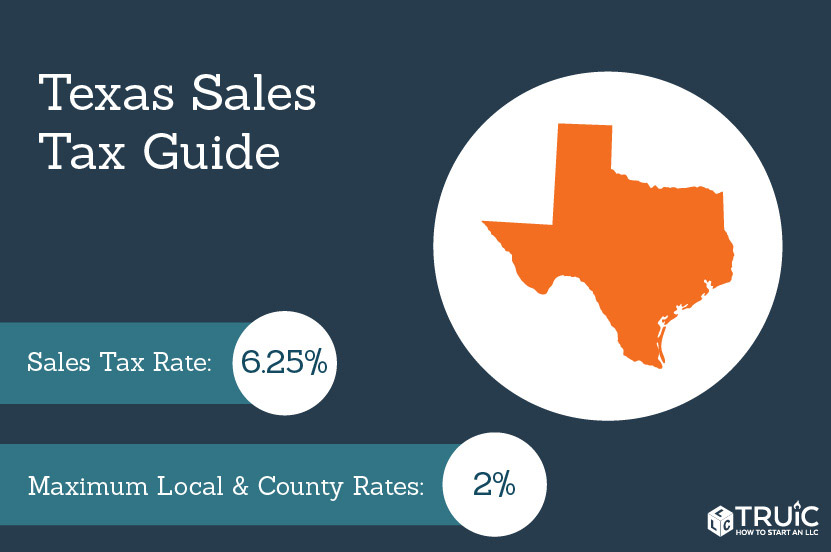
The foundation of Texas sales tax is its state rate. This is the percentage that is applied uniformly across the entire state before any local additions. As of the latest information, the Texas state sales tax rate is 6.25%. This rate applies to most taxable goods and services. For instance, if you’re purchasing a piece of art from a gallery in Santa Fe (though this is New Mexico, Texas has similar artistic hubs like Marfa) or dining at a renowned restaurant in Austin, this 6.25% will be the base percentage added to the price.
It’s important to note that this base rate is just one component of the total sales tax you might encounter. Texas allows cities, counties, and special districts to impose their own local sales taxes. This means that the effective sales tax rate can vary significantly depending on where you are within the state. Understanding this layered taxation is key to accurate budgeting for your Texas adventure, whether you’re planning a luxury travel experience or a budget-conscious exploration.
Local Taxes: Adding to the State Rate
The 6.25% state sales tax is just the beginning. Local jurisdictions in Texas have the authority to add their own sales taxes, which can increase the overall rate considerably. These local taxes are typically imposed by cities, counties, and metropolitan transit authorities. The combined rate of state and local taxes can range from slightly above the state rate to much higher, depending on the specific location.
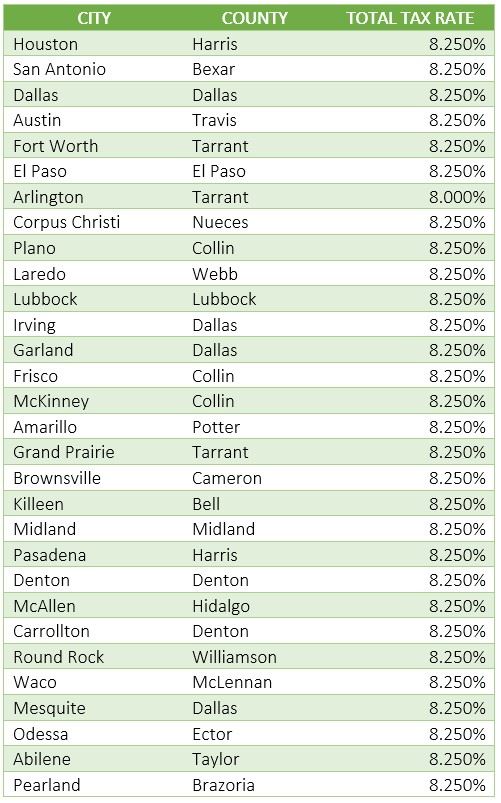
For example, a purchase made in a bustling metropolis like Houston might carry a higher combined sales tax rate than a purchase in a smaller, unincorporated area. This is because Houston has its own city sales tax, and the surrounding county and transit authorities may also levy taxes. This aggregation of taxes is why it’s essential to be aware of the specific location where your transaction takes place.
Maximum Combined Tax Rate
To prevent excessively high tax burdens, Texas law sets a cap on the combined state and local sales tax rate. The maximum combined sales tax rate allowed in Texas is 8.25%. This cap applies to most taxable sales. Therefore, even in areas with the highest local tax rates, your total sales tax will not exceed this 8.25% limit. This ensures a degree of predictability, even as you traverse different regions of the state.
This maximum rate is a crucial piece of information for businesses operating in Texas, as well as for travelers making significant purchases or booking accommodations for extended periods. For instance, if you’re considering a long-term stay in a villa in a high-tax area, understanding this cap can help you project your total accommodation costs more accurately. The difference between 6.25% and 8.25% might seem small on individual purchases, but it can add up over a vacation or a business trip involving frequent transactions.
What is Taxable in Texas? Goods, Services, and Exemptions
While the sales tax rate is a key figure, knowing what is actually subject to this tax is equally important for any traveler or resident. The scope of Texas sales tax is broad, encompassing a wide array of goods and services that contribute to the state’s revenue. However, there are also specific exemptions designed to encourage certain activities or provide relief to specific groups.
Taxable Goods and Services
Generally, tangible personal property, such as clothing, electronics, furniture, and vehicles, is subject to sales tax. This applies whether you are buying these items in a department store in San Antonio or online from a retailer that has a presence in Texas.
Beyond physical goods, numerous services are also taxable in Texas. These include:
- Hotel and motel stays: This is particularly relevant for travelers. The cost of your accommodation, whether a suite in a luxury resort or a simple room in a budget hotel, will be subject to state and local sales taxes.
- Car rentals: If you’re renting a vehicle to explore the vastness of Texas, the rental fees will be taxed.
- Admissions to amusement, athletic, and entertainment events: Tickets to see a concert at the Moody Center in Austin or a football game at AT&T Stadium in Arlington will include sales tax.
- Repair and maintenance services: Many services performed on tangible personal property are also taxable.
- Certain digital goods and services: The landscape of digital taxation is constantly evolving, but many online purchases and subscriptions are now subject to sales tax.
This broad application means that most of your spending during a trip to Texas will likely be impacted by sales tax. Understanding this helps in setting realistic expectations and avoiding surprises when reviewing your credit card statements after your travels.
Common Exemptions
While the list of taxable items and services is extensive, Texas also provides several key exemptions from sales tax. These exemptions are often put in place to support specific industries, encourage charitable activities, or provide relief to certain consumers.
- Food and Drinks for Home Consumption: This is a significant exemption for everyday life. Most groceries and food items purchased from grocery stores and similar retailers for consumption at home are exempt from sales tax. This is a welcome relief for families and budget travelers looking to prepare some of their own meals. However, it’s important to distinguish this from prepared foods sold at restaurants, food trucks, or convenience stores, which are typically taxable.
- Prescription Drugs and Certain Medical Supplies: To ensure access to essential healthcare, prescription medications and specific medical items are exempt from sales tax.
- Residential Rent: Unlike hotel stays, the long-term rental of a primary residence is generally exempt from sales tax. This distinction is important for those considering longer stays or relocating to Texas.
- Sales to Qualifying Exempt Organizations: Certain non-profit organizations, religious institutions, and governmental entities are often exempt from paying sales tax on their purchases.
- Agricultural and Manufacturing Exemptions: Texas offers specific sales tax exemptions for certain agricultural and manufacturing equipment and supplies, aimed at supporting these key industries within the state.
These exemptions can significantly impact your overall spending, especially for longer stays or if you’re focusing on experiences that fall outside the taxable categories. For instance, if your travel lifestyle involves cooking meals in your resort apartment or villa, the exemption on groceries will be a welcome saving.
Sales Tax and Your Texas Travel Experience
The Texas sales tax rate, encompassing both the state and local components, plays a direct role in the financial aspect of your travel. From the moment you book your accommodation to the final souvenir you purchase, these taxes are woven into the fabric of your spending. Understanding how they apply can enhance your planning and make your trip to the Lone Star State even more enjoyable and predictable.
Accommodation and Tourism Spending
For travelers, perhaps the most significant impact of sales tax is felt in accommodation costs. Whether you’re eyeing a boutique hotel in Austin, a sprawling resort near San Antonio, or a charming apartment rental in Dallas, the final price will include the applicable state and local sales taxes. This is why when comparing hotel prices, it’s always advisable to look for the total price after taxes and fees. A seemingly lower advertised rate could end up being more expensive once the combined tax is added.
Beyond hotels, other tourism-related expenses are also subject to sales tax. Dining out at the many acclaimed restaurants across Texas, from barbecue joints in Central Texas to Tex-Mex eateries along the border, will have sales tax added to your bill. Entrance fees to theme parks like Six Flags Fiesta Texas, museums like the Perot Museum of Nature and Science in Dallas, or historical landmarks such as the Alamo in San Antonio will also incorporate this tax. Even activities like guided tours or renting recreational equipment often fall under taxable services.
Budgeting and Smart Spending
With the Texas sales tax rate in mind, effective budgeting is key to a stress-free trip. For a general estimate, it’s wise to add at least 8% to the advertised prices of goods and services, especially if you’re visiting a major city where the combined rate is likely to be closer to the maximum. This buffer will help you avoid unexpected expenses and ensure you have enough to cover all your planned activities and purchases.
Consider how different lifestyle choices impact your tax burden. If you opt for budget travel, focusing on free attractions and preparing some of your own meals using groceries (which are tax-exempt), you will naturally incur less sales tax than someone indulging in fine dining and purchasing expensive souvenirs. Similarly, for business stays, understanding the tax on hotel rooms and meals is crucial for accurate expense reporting.
The absence of a state income tax is a major financial advantage for residents and a draw for businesses, but the sales tax remains a significant factor for everyone spending time in Texas. By being informed about the 6.25% state rate and the potential for local additions up to the 8.25% cap, you can navigate your financial journey through the Lone Star State with confidence, allowing you to fully immerse yourself in the diverse attractions, rich culture, and unparalleled experiences that Texas has to offer. Whether you’re a seasoned traveler or a first-time visitor, a little financial foresight goes a long way in making your Texas adventure a memorable and financially sound one.
LifeOutOfTheBox is a participant in the Amazon Services LLC Associates Program, an affiliate advertising program designed to provide a means for sites to earn advertising fees by advertising and linking to Amazon.com. Amazon, the Amazon logo, AmazonSupply, and the AmazonSupply logo are trademarks of Amazon.com, Inc. or its affiliates. As an Amazon Associate we earn affiliate commissions from qualifying purchases.