
The journey between Jacksonville, a bustling port city in Northeast Florida, and Orlando, the globally renowned theme park capital in Central Florida, is a well-trodden path for tourists, business travelers, and locals alike. Understanding the distance, travel time, and various transportation options is crucial for anyone planning this popular inter-city transit. This guide delves into the specifics of covering the approximate 140-mile stretch, offering insights into how to make your trip as efficient and enjoyable as possible, strictly through the lens of travel logistics and experiences.
The Essential Distance and Driving Route
For many, the most straightforward and flexible way to travel between Jacksonville and Orlando is by car. This direct mode of transport offers unparalleled freedom to depart and arrive on one’s own schedule, making it a preferred choice for families, groups, and individuals valuing autonomy.
The Straightforward Journey
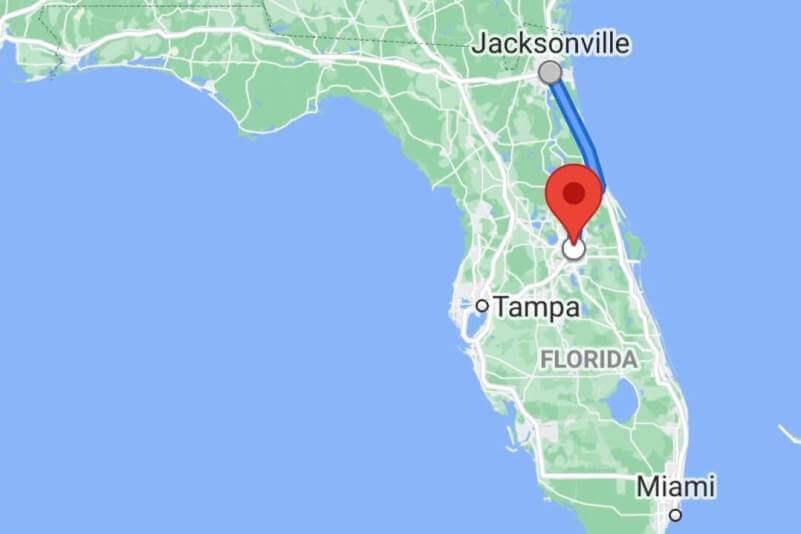
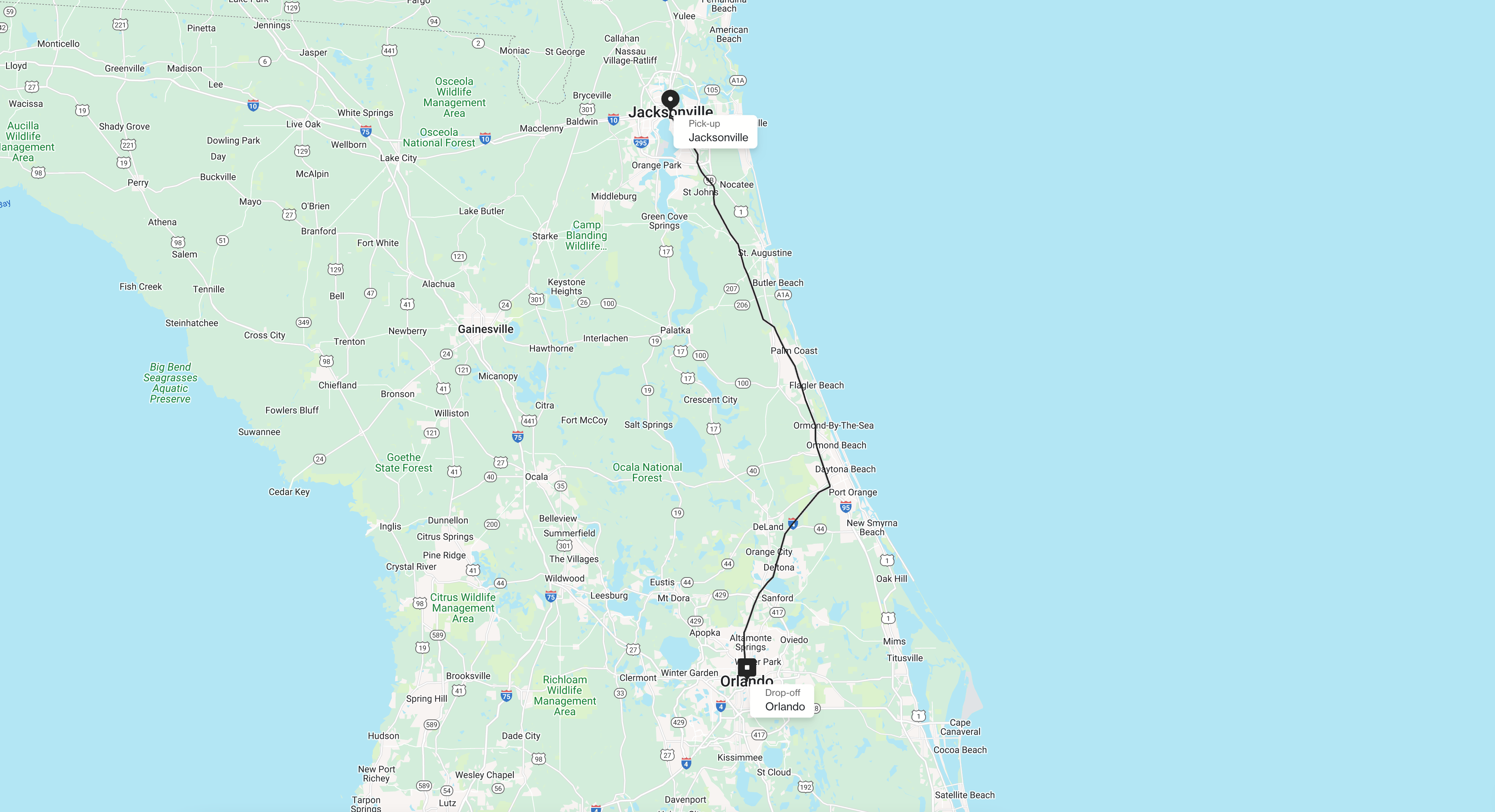
The approximate distance between downtown Jacksonville and downtown Orlando is about 140 miles (roughly 225 kilometers) via the most common routes. This distance can vary slightly depending on your exact starting and ending points within each metropolitan area. On average, the driving time for this journey is between 2 hours to 2 hours and 30 minutes under ideal conditions, meaning no significant traffic congestion, construction delays, or prolonged stops.
The primary route connecting these two major Florida cities is a combination of interstate highways. Travelers typically begin on Interstate 95 South from Jacksonville before transitioning onto Interstate 4 West closer to the Orlando area. I-95 is a major north-south artery along the East Coast, known for its generally good condition and multiple lanes, facilitating smooth travel for much of the initial leg. As you approach the Daytona Beach area, the transition to I-4 becomes critical. I-4 is the central highway dissecting Orlando and is famously busy, especially around the theme parks and downtown core.
Navigating the Route and Potential Delays
While the drive is relatively simple, mainly consisting of highway travel, understanding potential navigation challenges is important. The section of I-4 through Orlando is notoriously congested, particularly during peak commuting hours (morning and late afternoon on weekdays) and on weekends, when visitors flock to attractions like Walt Disney World Resort and Universal Orlando Resort. Construction projects are also a continuous presence on I-4, which can lead to lane closures, detours, and further delays. Utilizing real-time navigation apps (such as Google Maps or Waze) is highly recommended to account for these variables and adjust your departure time accordingly.
Another factor to consider is the possibility of tolls. The main I-95 to I-4 route is generally toll-free. However, if you choose alternative routes, such as parts of Florida’s Turnpike for a potentially faster, albeit tolled, journey, be prepared for electronic toll collection. It’s wise to have a SunPass or E-Pass transponder, or to be aware of cashless tolling options. Rest stops and gas stations are plentiful along I-95, offering convenient opportunities to refuel, stretch, and take a break. The drive itself is not particularly scenic, largely passing through flat landscapes and occasional marshlands, but it is generally straightforward and well-marked.
Alternative Transportation Options
While driving remains the most popular option, several other modes of transport offer viable alternatives, each with its own advantages regarding cost, comfort, and travel time.
Bus Travel: An Economical Choice
For budget-conscious travelers or those who prefer not to drive, intercity bus services provide an economical way to travel between Jacksonville and Orlando. Greyhound is the primary carrier operating this route, offering multiple daily departures.
Bus travel typically takes longer than driving, with an average journey time ranging from 3 hours to 4 hours, sometimes longer depending on the number of stops and traffic conditions. Ticket prices can vary significantly based on how far in advance you book, the time of day, and demand, but they generally range from $20 to $40 for a one-way trip. The main Greyhound station in Jacksonville is located downtown, and in Orlando, it’s also centrally located, often requiring an additional taxi or ride-share service to reach your final destination.
Pros of bus travel include affordability, the ability to relax and let someone else do the driving, and often free Wi-Fi on board. Cons can involve longer travel times, less flexibility in scheduling compared to driving, and potentially less personal space. For students, solo travelers, or those without access to a vehicle, the bus is a practical and reliable choice.
Train Travel: A Relaxed Alternative
Amtrak offers a more relaxed and scenic alternative to bus travel or driving. The “Silver Service” lines (Silver Meteor and Silver Star) connect Jacksonville to Orlando.
Train journeys generally take between 2 hours and 30 minutes to 3 hours, which can be comparable to or slightly longer than driving, especially when factoring in potential station delays. Ticket prices for Amtrak can be higher than bus fares, often starting from around $25-$50 for a coach seat, but can increase closer to the departure date or for premium seating. The Jacksonville train station (Jacksonville Station) is a few miles north of downtown, while the Orlando station (Orlando Health/Amtrak Station) is just south of the city center.
The advantages of train travel include spacious seating, the ability to walk around, dining car options, and a generally more comfortable and less stressful experience than navigating traffic. It’s also an eco-friendlier option. The primary drawback is often the limited schedule compared to buses or driving, and the stations might require onward transportation to your final point. For those prioritizing comfort and a unique travel experience, Amtrak offers a pleasant journey.
Flying: The Fastest, But Not Always Practical
While both Jacksonville and Orlando have major international airports, flying between the two cities is rarely the most practical or efficient option due to their relatively close proximity. The direct flight time is very short, typically around 45-60 minutes.
However, when you factor in the entire airport experience – checking in, security lines, boarding, taxiing, deplaning, baggage claim, and travel to and from both Jacksonville International Airport (JAX) and Orlando International Airport (MCO) – the total door-to-door travel time easily surpasses that of driving or even taking the train. A two-hour flight might become a four-to-five-hour ordeal when all these elements are considered. Furthermore, direct flights are not always available, and connecting flights would significantly extend the travel time and complicate the journey.
Costs for such a short flight can also be disproportionately high compared to other options, often ranging from $100 to several hundred dollars, making it impractical for most travelers. Flying might only be considered in very specific circumstances, such as connecting to a longer international flight from Orlando or if an extreme time constraint necessitates it, and even then, the logistics often outweigh the benefits.
Planning Your Journey: Factors to Consider
Successfully navigating the journey between Jacksonville and Orlando involves more than just knowing the distance; it requires careful consideration of several practical factors that can influence your travel experience.
Time of Day and Week
The timing of your journey can significantly impact the overall duration and stress level, especially if driving. Weekday mornings (7:00 AM – 9:00 AM) and late afternoons (4:00 PM – 6:00 PM) are prime commuting times for both cities. This is particularly true for Orlando where local commuter traffic merges with the constant flow of tourists heading to theme parks and attractions, creating notorious bottlenecks on I-4 and surrounding roads.
Traveling mid-day (between 10:00 AM and 3:00 PM) on a weekday generally offers the clearest roads. Similarly, early mornings on weekends or late evenings can also provide smoother travel. Conversely, Friday afternoons and Sunday evenings can see increased traffic as weekenders travel between the cities or to and from popular destinations. Public holidays are also critical times to avoid, as road congestion and public transport demand will be at their peak, potentially leading to significant delays and higher prices. Checking real-time traffic reports before departure is an absolute must for drivers.
Budgetary Considerations
Your choice of transport will largely depend on your budget. Driving offers flexibility, but fuel costs, potential tolls (if deviating from the main route or taking Florida’s Turnpike), and wear-and-tear on your vehicle must be factored in. For a round trip, fuel alone could amount to $30-$60 or more, depending on your vehicle’s fuel efficiency and current gas prices.
Bus tickets offer the lowest base cost, making them ideal for budget travelers, but can involve longer travel times. Train tickets provide a balance of comfort and reasonable cost, particularly if booked in advance, but are less frequent. Flights, as discussed, are generally the most expensive and least practical for this specific route.
Beyond the transport itself, consider incidental costs such as food and drink during transit, parking fees upon arrival in Orlando (especially if visiting theme parks), and potential taxi or ride-share costs from bus/train stations or airports to your final destination.
Travel Comfort and Convenience
Personal preference for comfort and convenience plays a significant role. Driving offers privacy, the ability to stop whenever you wish, and space for luggage, making it ideal for families or those with ample gear. However, it requires active driving and navigating potential traffic.
Bus travel, while economical, can be less comfortable with limited legroom and frequent stops. Train travel generally offers more space, the freedom to move about, and a more relaxed atmosphere, which can be a significant comfort benefit for some. The trade-off is often longer overall journey times compared to driving on a good day.
Consider your priorities: Is it speed, cost, comfort, or the ability to sightsee along the way? For instance, if you’re traveling with small children, the ability to take unscheduled breaks while driving might outweigh the stress of navigating traffic. If you’re a solo traveler looking to catch up on work or simply relax, the train or bus might be a more appealing option.
Making the Most of Your Trip
Understanding the travel logistics is just the first step. Recognizing the reasons for this popular journey helps contextualize the travel choices and highlights what awaits travelers at either end.
Why Travel from Jacksonville to Orlando?
Most travelers heading south from Jacksonville to Orlando are drawn by Central Florida’s world-famous attractions. Orlando is globally synonymous with theme parks, primarily the sprawling Walt Disney World Resort (including Magic Kingdom, Epcot, Hollywood Studios, and Animal Kingdom) and Universal Orlando Resort (home to Universal Studios Florida and Islands of Adventure, including The Wizarding World of Harry Potter). These resorts represent major destinations for family vacations, honeymoons, and convention attendees.
Beyond the theme parks, Orlando offers numerous other attractions, including SeaWorld Orlando, Discovery Cove, and a vibrant downtown area with cultural venues, dining, and nightlife. Sporting events, conventions at the Orange County Convention Center, and a multitude of shopping opportunities further solidify Orlando’s status as a premier tourist hub. For Jacksonville residents, Orlando provides a convenient escape for entertainment and leisure, accessible within a few hours’ drive.
Why Travel from Orlando to Jacksonville?
Conversely, traveling north from Orlando to Jacksonville opens up a different set of experiences. Jacksonville, often referred to as “Jax,” offers a distinct blend of urban sophistication and natural beauty. Its extensive coastline provides access to beautiful Atlantic beaches such as Jacksonville Beach, Neptune Beach, and Atlantic Beach, which are popular for surfing, sunbathing, and fishing.
The city is also home to the majestic St. Johns River, offering opportunities for boating, kayaking, and waterfront dining. Cultural attractions include the Cummer Museum of Art & Gardens and the Museum of Science & History (MOSH). Nature enthusiasts can explore the extensive park system, including the Jacksonville Zoo and Gardens and the Timucuan Ecological and Historic Preserve. Sports fans may also visit to catch a Jacksonville Jaguars NFL game or other sporting events. For Orlando residents and visitors looking for a change of pace, a trip to Jacksonville offers a refreshing coastal and cultural getaway.
Tips for a Smooth Journey
Regardless of your chosen mode of transport, a few proactive steps can help ensure a seamless travel experience between these two Florida cities.
Pre-Trip Checks and Preparations
For drivers, a thorough vehicle check is paramount. Ensure your tires are properly inflated, fluid levels are adequate, and brakes are in good condition. Pack an emergency kit, especially if traveling during hurricane season or on less-traveled routes. For public transport users, confirm your ticket details, departure times, and station locations well in advance. Arrive at stations or airports with ample time to spare, particularly during peak travel periods. If using ride-sharing services to get to or from stations, factor in potential surge pricing and availability.
Packing Essentials and Entertainment
Prepare a small bag with essentials that are easily accessible during your journey, such as snacks, water, entertainment (books, headphones, fully charged devices), and any necessary medications. A portable power bank is invaluable for keeping electronics charged. For longer bus or train rides, a neck pillow and blanket can significantly enhance comfort. If driving, consider creating a road trip playlist or downloading podcasts to keep spirits high. Remember appropriate clothing for the Florida climate, which can vary from hot and humid to surprisingly cool in winter, especially with air conditioning on public transport.

Staying Informed and Flexible
Always stay informed about potential delays. Check weather forecasts, especially during Florida’s rainy season when sudden downpours can affect road conditions. Utilize real-time navigation apps for driving and check airline, bus, or train operator websites for schedule updates. Building a buffer into your travel time, especially if you have a tight schedule or a subsequent appointment, is a wise strategy. Being flexible and having alternative plans in mind can mitigate the impact of unforeseen circumstances and contribute to a more enjoyable and stress-free journey between Jacksonville and Orlando.
LifeOutOfTheBox is a participant in the Amazon Services LLC Associates Program, an affiliate advertising program designed to provide a means for sites to earn advertising fees by advertising and linking to Amazon.com. Amazon, the Amazon logo, AmazonSupply, and the AmazonSupply logo are trademarks of Amazon.com, Inc. or its affiliates. As an Amazon Associate we earn affiliate commissions from qualifying purchases.