
The journey from the neon-drenched corridors of Las Vegas to the ethereal, rusted-red spires of Sedona is more than just a transition between two iconic destinations in the United States. It is a quintessential American road trip that traverses the heart of the Southwest, offering a dramatic shift in scenery, atmosphere, and energy. Whether you are seeking an escape from the high-stakes adrenaline of the Las Vegas Strip or looking to immerse yourself in the spiritual tranquility of Arizona, understanding the logistics, distance, and the treasures found along the way is essential for a rewarding experience.

Navigating the Distance: Logistics and Primary Routes
When planning a trip between these two points, the most common question is the physical distance. By the most direct driving route, Sedona is approximately 280 miles (450 kilometers) southeast of Las Vegas. For most travelers, this translates to a driving time of roughly 4.5 to 5 hours, depending on traffic, weather conditions, and how frequently you choose to stop to admire the Mojave Desert landscape.
The Standard Interstate Path
The most efficient route begins by heading south from Nevada via Interstate 11, which eventually merges into US-93. This path takes you across the state line into Arizona. Upon reaching Kingman, drivers typically transition onto I-40 East. This stretch of highway is the backbone of Northern Arizona travel, leading you toward the city of Flagstaff. Before reaching the heart of Flagstaff, you will turn south onto I-17 or the more scenic Highway 89A, which serves as the final gateway into the red rock country.
Alternative Scenic Approaches
While the interstate is the fastest way to bridge the gap, those with extra time often opt for deviations that showcase the rugged beauty of the Sonoran Desert. One popular variation involves exiting I-40 at Williams—the “Gateway to the Grand Canyon”—and winding through the Coconino National Forest. While this adds a small amount of time to the itinerary, the transition from high-altitude pine forests to the desert floor is visually spectacular.
Essential Stopovers: From Engineering Marvels to Historic Main Streets
The drive from Las Vegas to Sedona is punctuated by several landmarks that are worthy of a visit in their own right. Rather than rushing through the 280-mile stretch, savvy travelers treat the road as part of the destination.
The Grandeur of the Hoover Dam
Just 45 minutes outside of Las Vegas lies the Hoover Dam, a colossal achievement of 20th-century engineering. Situated in the Black Canyon of the Colorado River, the dam creates Lake Mead, the largest reservoir in the United States by volume. Even if you don’t have time for a full interior tour, stopping at the Mike O’Callaghan-Pat Tillman Memorial Bridge provides a breathtaking pedestrian walkway with a bird’s-eye view of the dam and the shimmering blue waters of the Lake Mead National Recreation Area.
Nostalgia on Route 66
As you continue into Arizona, the town of Kingman serves as a cultural hub for enthusiasts of the “Mother Road.” This is where you can hop onto a preserved segment of Route 66. A short detour leads to Seligman, a town that famously inspired the setting of the movie “Cars.” With its vintage diners, neon signs, and kitschy gift shops, Seligman offers a vivid glimpse into the golden age of American motoring. It is the perfect place to grab a milkshake at Delgadillo’s Snow Cap Drive-In before the final push toward the mountains.
Wildlife Encounters in Williams
Before making the southern turn toward Sedona, many families choose to stop in Williams. Aside from its historic downtown, it is home to Bearizona Wildlife Park. This drive-through wildlife park allows visitors to see black bears, wolves, and bison from the safety of their vehicles, providing a unique contrast to the desert scenery encountered earlier in the day.
The Final Approach: Descending into the Red Rocks
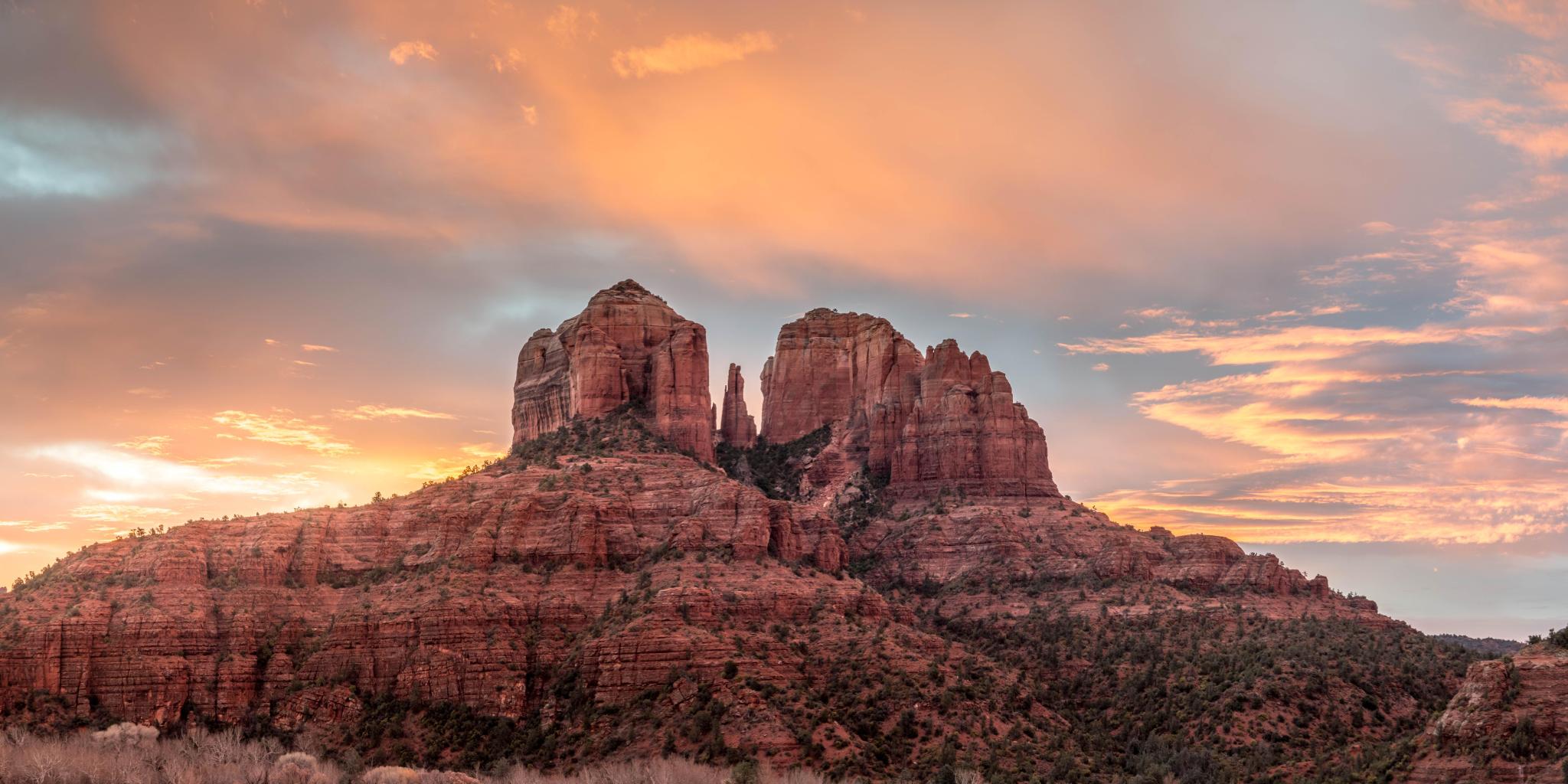
The most dramatic portion of the trip occurs in the final 30 miles. As you leave the high-altitude plateau of Flagstaff, the landscape begins to fracture into deep canyons and towering buttes.
The Majesty of Oak Creek Canyon
If you choose to take Highway 89A from Flagstaff, you will experience Oak Creek Canyon. Often described as the smaller cousin of the Grand Canyon National Park, this switchback-heavy road descends approximately 2,500 feet through layers of limestone, sandstone, and basalt. The lush greenery of the canyon floor, fed by the perennial Oak Creek, provides a cooling microclimate that is a favorite for hikers and photographers.
Natural Wonders at Slide Rock State Park
Located within the canyon, Slide Rock State Park is a must-visit during the warmer months. The park features a natural water slide worn into the slippery bed of Oak Creek. It is a popular spot for a refreshing dip before officially entering the Sedona city limits. The sight of the first massive red rock formations, such as Steamboat Rock, signals that you have arrived in one of the most beautiful places in North America.
Arrival in Sedona: Navigating the Gateway to the Vortexes
Once you have completed the drive from Las Vegas, Sedona welcomes you with its world-famous crimson horizon. The city is divided into several areas, each offering a different perspective on the geological wonders of the region.
Exploring Uptown Sedona and Tlaquepaque
Uptown Sedona is the primary tourism hub, filled with galleries, boutiques, and cafes that overlook the Jordan Historical Park. For a more refined cultural experience, the Tlaquepaque Arts & Shopping Village offers a stunning environment modeled after a traditional Mexican village, complete with cobblestone paths, sycamore trees, and arched entryways. It is an ideal spot to unwind after the four-hour journey.
Iconic Landmarks and Spiritual Sites
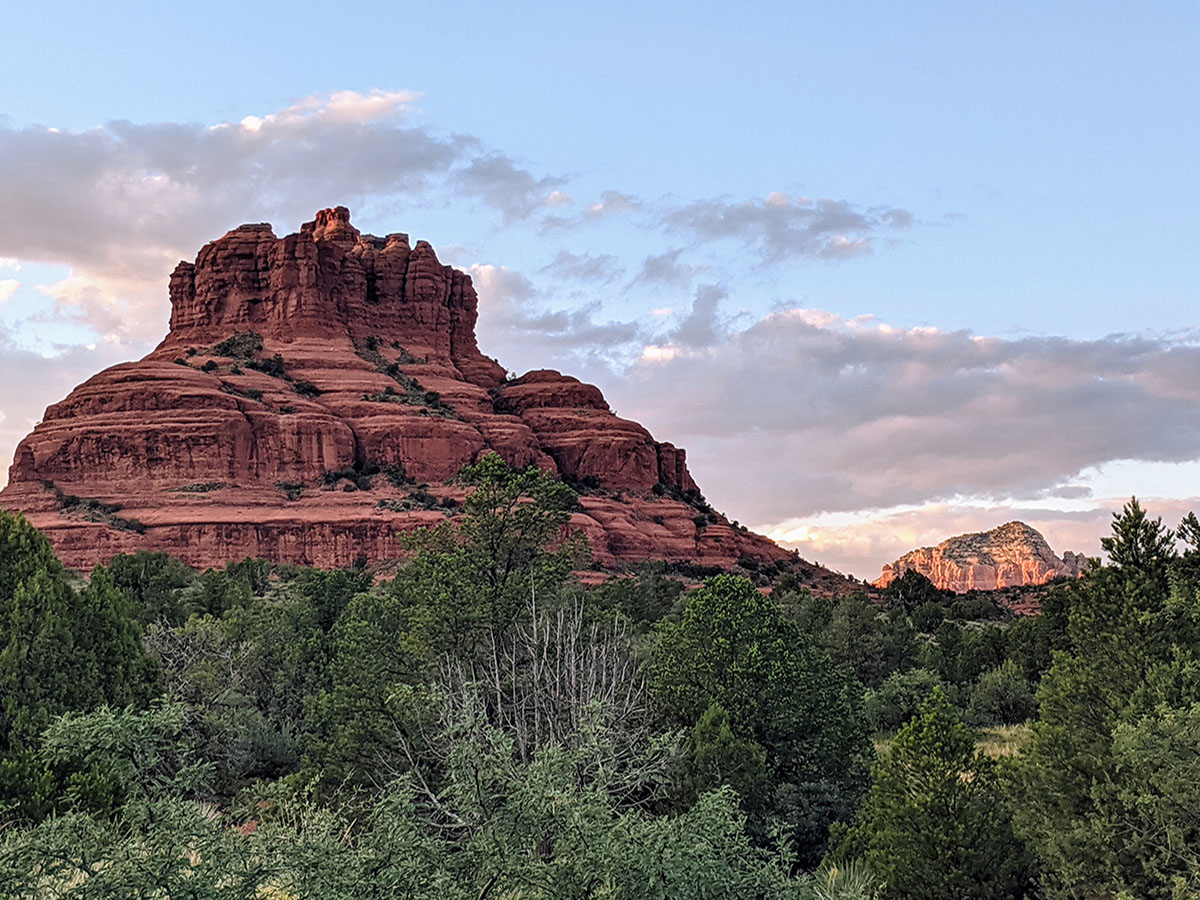
No visit to Sedona is complete without seeing the Chapel of the Holy Cross. Built directly into the red rocks, this architectural marvel offers panoramic views of the valley. For those interested in the area’s famed energy vortexes, sites like Bell Rock, Cathedral Rock, and Boynton Canyon are easily accessible and provide some of the best hiking trails in Arizona. Whether you are looking for the Seven Sacred Pools or the challenging trek to Devil’s Bridge, the proximity of these landmarks to the city center makes Sedona a highly navigable destination.
Seasonal Considerations and Travel Tips
The drive from Las Vegas to Sedona can vary significantly depending on the time of year. Being prepared for the unique climate of the Southwest ensures a safe and comfortable trip.
Weather and Road Conditions
While Las Vegas remains hot for much of the year, the portion of the drive near Flagstaff reaches elevations of over 7,000 feet. In the winter, it is not uncommon to encounter snow on I-40, which can lead to temporary road closures or hazardous conditions. Conversely, summer travelers should be aware of the “monsoon season” (typically July through September), which can bring sudden, intense thunderstorms and flash flooding to the desert floor. Always check the Arizona Department of Transportation updates before departing.
Time Zones and Logistics
A crucial detail for travelers is that while Nevada observes Daylight Saving Time, Arizona (with the exception of the Navajo Nation) does not. This means that for half the year, there is a one-hour time difference between Las Vegas and Sedona. If you are heading to Sedona for a scheduled tour or a dinner reservation, be sure to verify whether you will be “gaining” or “losing” an hour upon crossing the state line.
In conclusion, the distance from Las Vegas to Sedona is easily manageable for a weekend getaway or a mid-week excursion. The transition from the high-octane environment of Clark County to the serene, ancient landscapes of Yavapai County provides a perfect balance for any traveler. By taking the time to explore the Hoover Dam, enjoy the kitsch of Route 66, and descend through the splendor of Oak Creek Canyon, the drive becomes as memorable as the destination itself. Whether you arrive for the hiking, the art, or the spiritual rejuvenation, the road to Sedona is a journey through the very best of the American West.
LifeOutOfTheBox is a participant in the Amazon Services LLC Associates Program, an affiliate advertising program designed to provide a means for sites to earn advertising fees by advertising and linking to Amazon.com. Amazon, the Amazon logo, AmazonSupply, and the AmazonSupply logo are trademarks of Amazon.com, Inc. or its affiliates. As an Amazon Associate we earn affiliate commissions from qualifying purchases.