
The question of “What is the population of Fort Worth, Texas?” is more than just a statistic; it’s a gateway to understanding a dynamic and growing American city. As a major hub within the Dallas-Fort Worth metroplex, Fort Worth plays a significant role in the regional and national landscape. Its population is a key indicator of its economic vitality, cultural influence, and the ever-evolving tapestry of its community. Understanding the numbers behind Fort Worth allows us to appreciate its scale, its trajectory, and the experiences it offers to residents and visitors alike.
Beyond the raw figures, the population of Fort Worth informs its character. A larger population often translates to a more diverse range of businesses, dining options, cultural institutions, and entertainment venues. It fuels a vibrant economy, attracting new residents seeking opportunities and a high quality of life. For travelers, this translates into a richer and more varied experience, whether they are exploring world-class museums, indulging in authentic Texan cuisine, or immersing themselves in the city’s legendary Western heritage. The size of a city’s population is inextricably linked to the richness and diversity of its offerings, and Fort Worth is no exception.
The Ever-Growing Population of Fort Worth, Texas
The population of Fort Worth has experienced significant and consistent growth over the past several decades. This expansion is a testament to the city’s appeal as a place to live, work, and raise a family. As part of the Dallas-Fort Worth Metroplex, often referred to as the “DFW Metroplex” or “DFW,” Fort Worth benefits from the economic synergies and interconnectedness of the larger metropolitan area, while maintaining its distinct identity.
Key Population Trends and Demographics
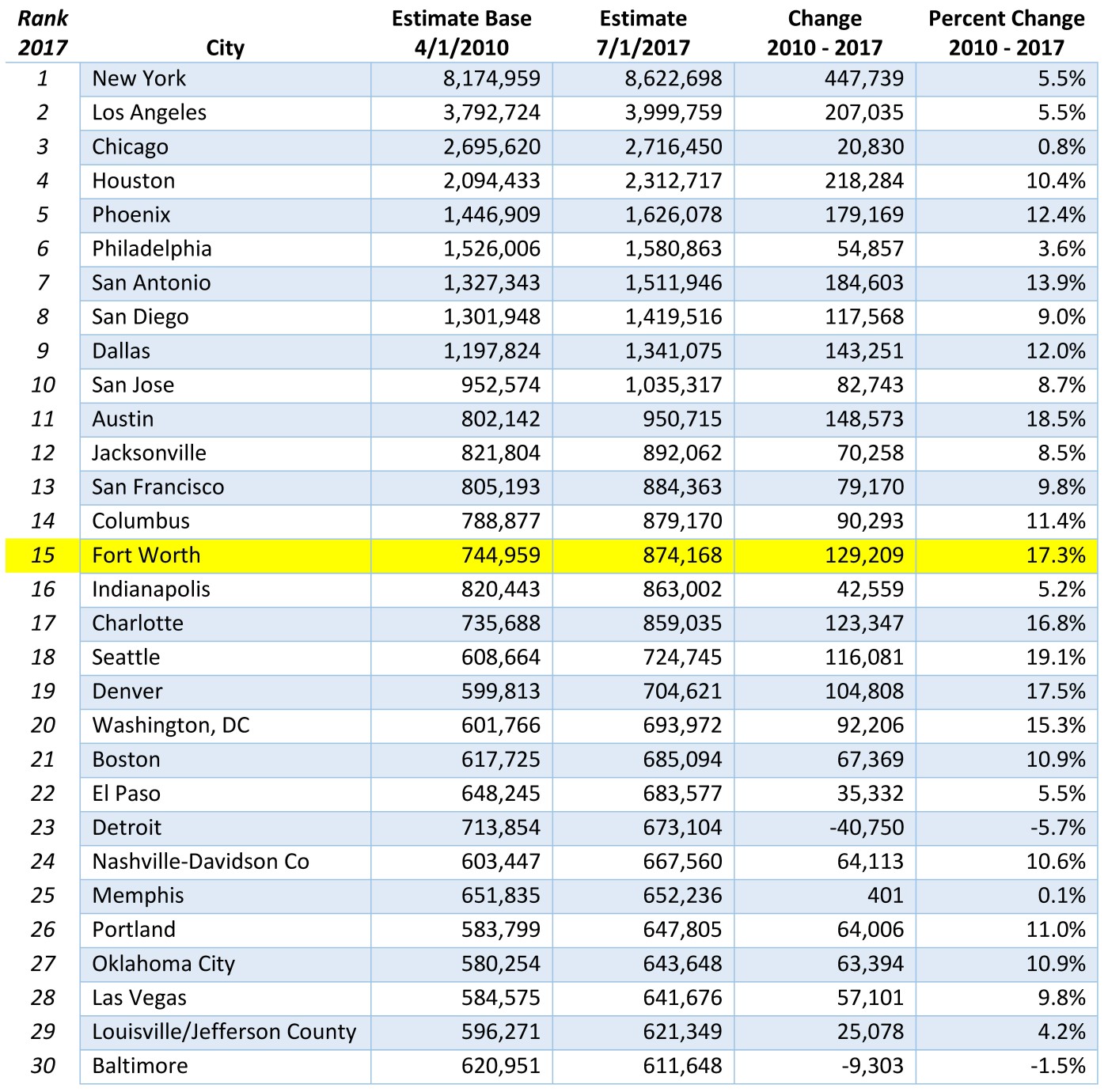
To truly grasp the population of Fort Worth, it’s essential to look at its historical trends and current demographic makeup. The city has consistently ranked among the fastest-growing major cities in the United States. This growth is driven by a combination of factors, including a strong job market, a lower cost of living compared to other major metropolitan areas, and a high quality of life.
According to recent estimates, the population of Fort Worth hovers around a remarkable figure. As of the latest available data, the city’s population is often cited as exceeding 950,000 residents. This makes it the second-largest city in the Dallas-Fort Worth Metroplex and the 12th largest city in the United States. The urban area, encompassing Fort Worth and its surrounding suburbs, boasts an even larger population, signifying its immense regional importance.
The demographic profile of Fort Worth is as diverse as its growing population. The city is home to a significant Hispanic or Latino population, which has been a driving force in its cultural and demographic evolution. Additionally, Fort Worth has a substantial African American population, contributing to the rich cultural mosaic of the city. White residents also form a significant portion of the population. This diversity is reflected in the city’s neighborhoods, its culinary scene, and its cultural events, offering a vibrant experience for all who live there or visit. The continuous influx of new residents from various backgrounds ensures that Fort Worth remains a dynamic and evolving community.
This growth necessitates ongoing development in infrastructure, housing, and public services. The city government and urban planners are constantly working to accommodate the expanding population while striving to maintain the quality of life that attracts people in the first place. This includes investing in transportation networks, educational institutions, and recreational facilities, all of which are crucial for supporting a thriving urban environment.
Factors Driving Fort Worth’s Population Growth
Several key factors contribute to the robust population growth of Fort Worth. Understanding these drivers provides insight into the city’s economic strengths and its appeal as a place of opportunity.
-
Economic Opportunities: Fort Worth boasts a diverse and robust economy. Major industries include aerospace, defense, technology, financial services, and logistics. Companies like Lockheed Martin, American Airlines, and Bell Helicopter have a significant presence, offering numerous employment opportunities. The city has also become a hub for startups and innovation, attracting entrepreneurs and skilled professionals. This economic dynamism is a primary magnet for new residents seeking career advancement and stable employment. The presence of a strong job market acts as a powerful catalyst for population expansion.
-
Affordability and Cost of Living: Compared to other major metropolitan areas in the United States, Fort Worth generally offers a more affordable cost of living. Housing prices, while rising, remain more accessible than in many coastal cities or even its close neighbor, Dallas. This affordability makes Fort Worth an attractive option for families and individuals looking to stretch their budgets further without sacrificing access to urban amenities. The ability to own a home or rent an apartment at a reasonable price is a significant draw for those considering a move.
-
Quality of Life and Lifestyle: Fort Worth offers a compelling quality of life, blending a strong sense of community with big-city amenities. Its renowned Western heritage, embodied by the Stockyards National Historic District, provides a unique cultural experience. The city also boasts a thriving arts scene, with institutions like the Kimbell Art Museum and the Modern Art Museum of Fort Worth. For families, there are excellent schools, abundant parks, and numerous recreational activities. The blend of traditional Texan charm with modern urban conveniences creates an attractive lifestyle for a wide range of residents. The city’s commitment to preserving its heritage while embracing modernity is a significant part of its allure.
-
Proximity to Dallas: Being part of the Dallas-Fort Worth Metroplex offers synergistic advantages. While Fort Worth has its own distinct character, residents can easily access the economic and cultural offerings of Dallas via well-connected transportation networks. This dual-city metropolitan area provides a vast array of opportunities and experiences that a single city might not be able to offer on its own. The convenience of having two major cities in close proximity enhances the overall appeal of living in the region.
-
Infrastructure and Development: The city has seen significant investment in infrastructure, including transportation projects and the development of new residential and commercial areas. The expansion of DFW International Airport, a major global air hub, further enhances connectivity. This continuous development ensures that the city is well-equipped to handle its growing population and continues to attract new businesses and residents. The ongoing investment in infrastructure signals a commitment to future growth and sustainability.
Exploring Fort Worth: A City Shaped by its Population
The population of Fort Worth directly influences the experiences available to both its residents and its visitors. From its world-class cultural institutions to its iconic landmarks and diverse culinary scene, the city’s growth has fostered a rich tapestry of attractions and activities.
Landmarks and Cultural Attractions Driven by Growth
The impressive population of Fort Worth has supported the development and maintenance of a vibrant array of landmarks and cultural attractions that draw millions of visitors each year. These sites are not just historical markers but active centers of community life and cultural exchange.
-
The Cultural District: Home to five world-class museums, the Cultural District is a testament to Fort Worth’s commitment to the arts and education. The Kimbell Art Museum, with its stunning architecture and diverse collection, is a must-visit. The Modern Art Museum of Fort Worth, known for its impressive collection of contemporary art, and the Amon Carter Museum of American Art, focusing on American art and photography, are also significant draws. The growth in population has allowed these institutions to expand their collections, offer more educational programs, and attract a wider audience. The Will Rogers Memorial Center, a historic venue that hosts numerous events, also contributes to the cultural vibrancy.
-
Fort Worth Stockyards National Historic District: This iconic landmark transports visitors back to the days of the Old West. The daily cattle drives, the historic saloons, and the Western-themed shops offer an authentic glimpse into Fort Worth’s ranching heritage. The district’s popularity is a direct reflection of the city’s identity, and its continued success is fueled by the steady stream of both locals and tourists. The growing population ensures a consistent audience for these unique cultural experiences.
-
Sundance Square: Located in the heart of downtown, Sundance Square is a bustling urban center filled with shops, restaurants, theaters, and entertainment venues. Its revitalization and expansion over the years have mirrored the city’s own growth, transforming it into a vibrant destination for locals and visitors alike. The presence of a large and active population is crucial for the sustained success of such a dynamic commercial and entertainment hub.

Lifestyle and Accommodation Options for a Diverse Population
The expanding population of Fort Worth has led to a diverse and evolving landscape of lifestyle choices and accommodation options, catering to a wide range of preferences and budgets. Whether you’re a luxury traveler, a budget-conscious explorer, or a family on vacation, Fort Worth has something to offer.
-
Accommodation Variety: From luxury resorts and boutique hotels to budget-friendly inns and extended-stay apartments, Fort Worth offers a comprehensive range of lodging choices. Travelers can find opulent suites in downtown hotels, charming villas for longer stays, or comfortable rooms in suburban areas. The presence of major hotel chains like the Worthington Renaissance Fort Worth Hotel and the Omni Fort Worth Hotel, alongside independent establishments, ensures that visitors can find accommodation that perfectly suits their needs and budget. The demand from a growing population of tourists and business travelers has spurred this diverse development in the hospitality sector. For those looking for a longer-term stay, options like serviced apartments and extended-stay hotels provide more home-like amenities.
-
Culinary Scene: The city’s diverse population has fueled an equally diverse culinary scene. Fort Worth is renowned for its authentic Texas barbecue, with numerous legendary smokehouses offering mouthwatering brisket, ribs, and sausage. Beyond barbecue, the city boasts a vibrant international food scene, with restaurants serving Mexican, Italian, Vietnamese, and many other cuisines. The growing population ensures a constant demand for new and innovative dining experiences, from casual eateries to upscale dining establishments. Exploring the local food culture is an essential part of any visit, and the city’s dynamic population keeps this scene fresh and exciting.
-
Family and Business Travel: Fort Worth is an increasingly popular destination for both family trips and business stays. Numerous attractions, such as the Fort Worth Zoo and the Fort Worth Museum of Science and History, cater to families. The city’s strong business sector and convention centers, like the Fort Worth Convention Center, attract a steady stream of business travelers. The infrastructure and amenities available cater to the distinct needs of these different types of travelers, from family-friendly hotels with pools to business-oriented accommodations with meeting facilities. The city’s growth has made it a well-rounded destination capable of hosting a wide array of visitors.
In conclusion, the population of Fort Worth is not just a number; it’s a driving force behind the city’s dynamic growth, its rich cultural offerings, and its diverse lifestyle. As Fort Worth continues to welcome new residents and visitors, its character as a thriving, vibrant, and distinctly Texan city will undoubtedly continue to evolve and flourish. The ongoing expansion ensures that there will always be something new to discover in this captivating corner of Texas.
LifeOutOfTheBox is a participant in the Amazon Services LLC Associates Program, an affiliate advertising program designed to provide a means for sites to earn advertising fees by advertising and linking to Amazon.com. Amazon, the Amazon logo, AmazonSupply, and the AmazonSupply logo are trademarks of Amazon.com, Inc. or its affiliates. As an Amazon Associate we earn affiliate commissions from qualifying purchases.