
Planning a trip to the Southwestern United States, particularly Arizona, requires a keen understanding of its unique climate. Beyond the iconic heat, the state experiences a distinct weather phenomenon known as the monsoon season. Far from a gentle summer shower, the Arizona monsoon brings dramatic, often intense, thunderstorms that transform the arid landscape, influencing everything from outdoor activities to travel logistics. For travelers seeking to explore Arizona’s diverse attractions, knowing when this season occurs, what to expect, and how to prepare is paramount to a successful and enjoyable journey.
Understanding the Arizona Monsoon: A Unique Climactic Phenomenon
The concept of a “monsoon” often conjures images of endless, torrential rain in tropical regions. However, the Arizona monsoon, while sharing the fundamental characteristic of a seasonal shift in wind patterns, manifests uniquely in the desert environment. It’s a spectacular display of nature’s power, bringing temporary relief from the intense summer heat and reshaping the landscape with its vibrant, albeit brief, downpours.

Defining the Monsoon: More Than Just Rain
At its core, the Arizona monsoon is defined by a significant, seasonal change in atmospheric circulation. During late spring and early summer, winds across Arizona typically blow from the west or northwest, carrying dry air from the Pacific Ocean. As summer progresses, a high-pressure system develops over the Four Corners region, causing winds to shift. This shift draws moisture from the Gulf of California and, less frequently but still significantly, from the Gulf of Mexico into the desert Southwest. This influx of moisture, combined with the intense daytime heating of the desert floor, creates the perfect recipe for convective thunderstorms.
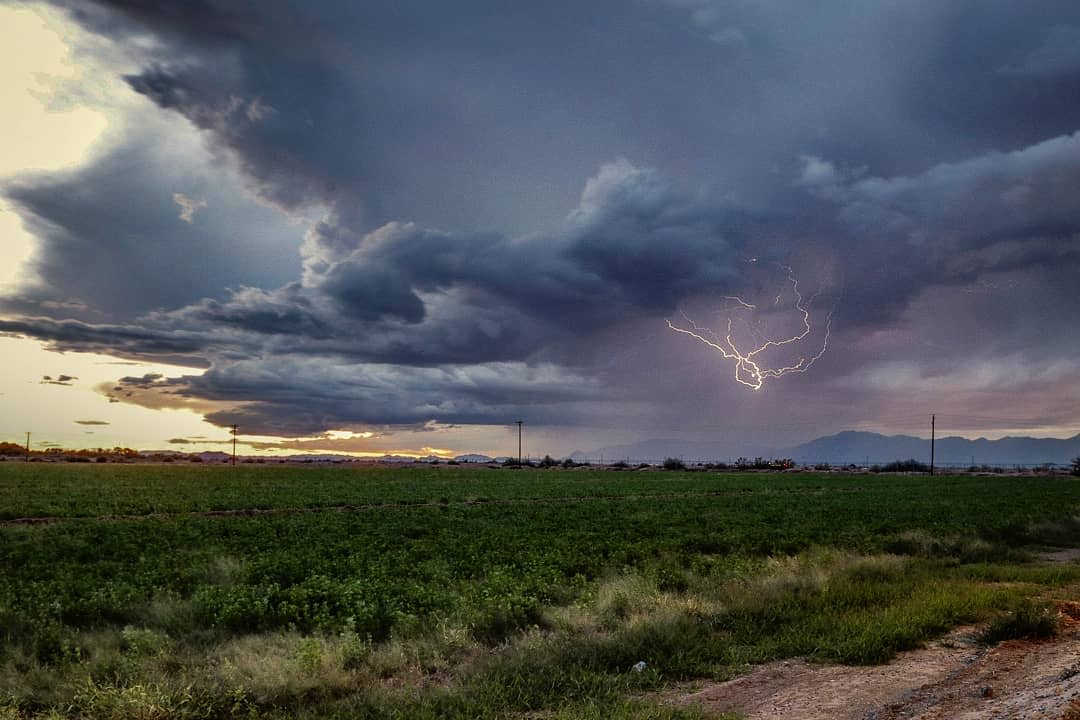
It’s not constant, day-long rain; rather, it’s characterized by intense, localized storms that typically develop in the late afternoon and early evening, often preceded by towering cumulonimbus clouds and accompanied by spectacular lightning displays. These storms can drop significant amounts of rain in a short period, leading to flash floods and dramatic changes in the environment.
Key Characteristics and Weather Patterns
The hallmarks of the Arizona monsoon season include:
- Increased Humidity: Before the storms hit, travelers will notice a marked increase in humidity compared to the bone-dry air of early summer. This makes the heat feel more oppressive but also signals the impending relief of rain.
- Dramatic Thunderstorms: These are the stars of the monsoon. Expect powerful lightning, booming thunder, and sometimes strong winds. The skies transform from clear blue to an awe-inspiring canvas of dark, churning clouds.
- Heavy, Short-Duration Rainfall: While the storms are intense, they often don’t last for hours on end. Heavy rain can fall for 30 minutes to an hour, quickly saturating the ground, especially in urban areas or dry washes.
- Flash Flooding: This is perhaps the most dangerous aspect of the monsoon. Desert soils have limited absorption capacity, and dry riverbeds (arroyos or washes) can quickly become raging torrents, even if the storm activity is miles upstream.
- Dust Storms (Haboobs): Before the rain, strong outflow winds from collapsing thunderstorms can kick up massive walls of dust, known as haboobs. These can reduce visibility to near zero and are a significant hazard for drivers.
- Temperature Modulation: While overall summer temperatures remain high, a successful monsoon storm can significantly cool temperatures temporarily, particularly after the sun sets, providing a welcome respite from the oppressive heat.
Official Dates vs. Real-World Experience: Planning Your Arizona Travel
While nature adheres to its own rhythms, for practical purposes like weather forecasting and public safety messaging, official dates are designated for the Arizona monsoon season. However, experienced travelers and locals understand that the “official” start and end dates don’t always perfectly align with the actual onset and cessation of monsoon activity.
The Official Calendar Window
The official dates for the Arizona monsoon season are June 15th to September 30th. These dates were established by the National Weather Service to provide a consistent framework for tracking and communicating about this annual weather pattern. Historically, the start date was based on a sustained dew point temperature threshold, but in 2008, it was fixed to simplify public messaging.
It’s important to note that these dates represent the potential window for monsoon activity, not a guarantee that it will rain every day, or even that the monsoon will be consistently active throughout this entire period. Some years see an early, robust start, while others might experience a delayed onset or a “break” in activity during August.
What to Expect Day-to-Day During Monsoon Season
Travelers visiting Arizona during these months should anticipate a change in the daily weather rhythm. Mornings are typically clear, hot, and often humid. By early to mid-afternoon, clouds begin to build, especially over the mountains. The sky can darken dramatically between 3:00 PM and 8:00 PM, leading to spectacular thunderstorms. These storms can be highly localized, meaning it could be pouring rain in one part of Phoenix while another part remains dry. After the storm passes, the air often feels cleaner and cooler, though humidity might remain high. Nights can also feature residual storm activity or simply remain warm and humid.
This daily pattern requires flexibility in travel plans, especially if outdoor activities are on the itinerary. Early morning excursions are often the best bet to avoid the peak storm potential.
Travel During Monsoon: Opportunities and Considerations
Traveling to Arizona during the monsoon season offers a unique perspective on the desert landscape, presenting both incredible opportunities for adventure and important considerations for safety and planning. It’s a time when the desert bursts with unexpected life and dramatic beauty.
Advantages: Dramatic Skies and Cooler Evenings
For many, the monsoon is the most beautiful time of year in Arizona. The advantages for travelers include:
- Spectacular Photography: The towering cumulonimbus clouds, lightning strikes, and vibrant sunsets after a storm provide unparalleled photographic opportunities. The “golden hour” takes on a whole new meaning.
- Green Desert: The rains bring a temporary lushness to the desert. Cacti and other plants appear vibrant, and wildflowers can bloom, transforming the landscape from dusty brown to various shades of green and even color.
- Cooler Temperatures (Post-Storm): While daytime heat remains, the immediate aftermath of a strong storm brings a noticeable drop in temperature, making evenings significantly more comfortable than during the dry heat of early summer.
- Less Crowded Attractions: Many tourists avoid Arizona during the summer, assuming it’s simply too hot. This often means fewer crowds at popular attractions like Saguaro National Park or the Desert Botanical Garden.

Disadvantages: Flash Floods and Travel Disruptions
However, the monsoon also presents significant challenges and safety concerns for travelers:
- Flash Flood Risk: This is the primary danger. Roads can become impassable, washes can fill rapidly, and even seemingly shallow water can be incredibly dangerous. Never drive through flooded areas. “Turn around, don’t drown” is a critical mantra in Arizona.
- Dust Storms (Haboobs): These massive walls of dust can appear suddenly, reducing visibility to zero and making driving extremely hazardous. If caught in a haboob, pull off the road as far as possible, turn off your lights, and take your foot off the brake.
- Humidity: While some find the post-storm air refreshing, the overall increase in humidity can make the intense heat feel even more oppressive for those not accustomed to it.
- Travel Delays: Heavy rains can snarl traffic, particularly in metropolitan areas like Phoenix and Tucson. Flights can also be delayed or diverted due to severe weather.
- Outdoor Activity Interruptions: Hiking and other outdoor pursuits can be abruptly interrupted or made dangerous by sudden storms, lightning, and rapidly rising water.
Essential Travel Tips for Monsoon Season
- Stay Informed: Monitor local weather forecasts closely, especially before heading out for the day. Use weather apps and local news for real-time updates.
- Plan Mornings for Outdoors: Schedule outdoor activities like hiking or sightseeing for early mornings to avoid the peak thunderstorm potential in the afternoon.
- Pack Smart: Bring lightweight, breathable clothing, but also a waterproof jacket or poncho. Good closed-toe shoes are essential for navigating wet conditions.
- Hydrate Relentlessly: Despite the humidity and potential rain, the heat is still a factor. Drink plenty of water.
- Respect Warnings: Heed all flash flood warnings and never attempt to cross flooded roads or washes.
- Driving Safety: Be extra vigilant when driving. Watch for standing water, obey posted warnings, and be prepared for sudden dust storms or heavy rain that can drastically reduce visibility.
- Flexibility is Key: Be prepared to adjust your itinerary on the fly. Have backup indoor activities planned in case of inclement weather.
Best Destinations to Experience (or Avoid) the Monsoon
The monsoon’s impact varies across Arizona’s diverse landscapes, offering different experiences depending on where you choose to travel. From bustling cities to serene high country, understanding these regional differences is crucial for tailored travel planning.
Phoenix and Tucson: Urban Monsoon Experiences
In major metropolitan areas like Phoenix and Tucson, the monsoon can be particularly dramatic. The urban environment, with its concrete and asphalt, exacerbates flash flooding as water has nowhere to go. Streets can quickly become rivers, and underpasses can flood. However, these cities also offer excellent indoor attractions like museums, art galleries, and diverse culinary experiences that provide refuge during storms. Watching a haboob roll into Phoenix or a lightning storm illuminate the Catalina Mountains in Tucson can be an unforgettable sight from the safety of a hotel balcony or restaurant.
For travelers staying in Phoenix, consider visiting the Musical Instrument Museum or the Heard Museum during potential storm times. In Tucson, the Arizona-Sonora Desert Museum (plan an early morning visit!) or the historic Mission San Xavier del Bac offer engaging cultural experiences.
Northern Arizona and High Country: Different Perspectives
The monsoon affects northern Arizona differently. Areas like Flagstaff, Sedona, and the Grand Canyon are at higher elevations and generally experience cooler temperatures. While they still receive monsoon storms, the heavy rains can lead to slippery trails, rockfalls, and rapid rises in river levels. Hiking in slot canyons, for example, becomes extremely dangerous.
However, the high country also benefits from the monsoon, with increased greenery and the dramatic sight of storms passing over vast landscapes. The Grand Canyon shrouded in mist or illuminated by distant lightning is a powerful experience. Travelers to Sedona might find the red rock formations even more vibrant after a cleansing rain. Always check local park service warnings and trail conditions before embarking on outdoor adventures in these regions.
Activities and Attractions During Monsoon Season
Despite the weather challenges, the Arizona monsoon season doesn’t mean canceling your trip. With careful planning and a flexible mindset, you can still enjoy a wealth of activities and experience the desert in a truly unique light.
Photography and Nature Viewing
For photographers, the monsoon is a dream. The dramatic skies, lightning shows (from a safe distance!), and the way the light changes after a storm provide endless opportunities for stunning shots. Head to scenic overlooks or elevated viewpoints around cities or natural parks just before and after storms. Consider locations like Papago Park in Phoenix for iconic Desert Botanical Garden and Hole-in-the-Rock views, or seek out overlooks in Tucson for panoramic vistas of the Sonoran Desert under a dramatic sky.
Nature enthusiasts will appreciate the sudden burst of life. Cacti and desert plants, long dormant in the dry heat, come alive. The smells of creosote bush after a rainstorm are intoxicating, a signature scent of the Arizona desert. Early morning walks are perfect for observing this renewed vitality.
Indoor Attractions and Cultural Experiences
When the skies open up, Arizona offers a wealth of indoor activities. Explore world-class museums such as the Phoenix Art Museum, the Musical Instrument Museum, or the Heard Museum in Phoenix. In Tucson, the Pima Air & Space Museum or the University of Arizona museums provide hours of engagement. Many resorts and hotels offer excellent amenities like spas, indoor pools, and fine dining, making them ideal places to relax and wait out a storm. Shopping districts and local markets also provide a dry and engaging alternative.
Safety First: Outdoor Activities and Hiking
If you plan to hike, always check the weather forecast for the entire area, not just your starting point. Avoid hiking in washes or canyon bottoms, even if they appear dry, as flash floods can originate miles away. If you hear thunder or see lightning, seek shelter immediately. Many trails, especially those with significant elevation changes or loose rock, become treacherous when wet. Always inform someone of your hiking plans and expected return time, and carry plenty of water and a fully charged phone. For those visiting the Grand Canyon, be aware that rim-to-river hikes are extremely strenuous and dangerous in summer heat, with or without monsoon activity.
The Arizona monsoon season is a spectacle of nature, transforming the seemingly barren desert into a vibrant, dynamic landscape. While it requires a bit more planning and awareness from travelers, those who embrace its unique characteristics will be rewarded with an unforgettable and truly authentic Arizona experience.
LifeOutOfTheBox is a participant in the Amazon Services LLC Associates Program, an affiliate advertising program designed to provide a means for sites to earn advertising fees by advertising and linking to Amazon.com. Amazon, the Amazon logo, AmazonSupply, and the AmazonSupply logo are trademarks of Amazon.com, Inc. or its affiliates. As an Amazon Associate we earn affiliate commissions from qualifying purchases.