
When planning a trip to the Lone Star State, understanding the tax landscape is crucial, especially when considering accommodation, dining, and entertainment. Texas is renowned for its vast landscapes, vibrant cities, and rich cultural tapestry, making it a top destination for travelers. From the bustling streets of Houston and Dallas to the historic charm of San Antonio and the unique flair of Austin, Texas offers a diverse range of experiences. However, as with any destination, knowing the local tax rates can help you budget more effectively for your luxury travel adventures, family trips, or even extended business stays. This guide will delve into the tax structure of Texas, focusing on sales and hotel taxes, and how they might impact your travel plans.
Understanding Texas Sales Tax: A Broad Overview
The tax system in Texas is somewhat unique in that it does not levy a state-level income tax. This is a significant draw for both residents and businesses. Instead, the state relies heavily on sales and property taxes to fund public services. For travelers, the most directly relevant tax is the sales tax, which is applied to the purchase of most goods and some services.
State and Local Sales Tax Components
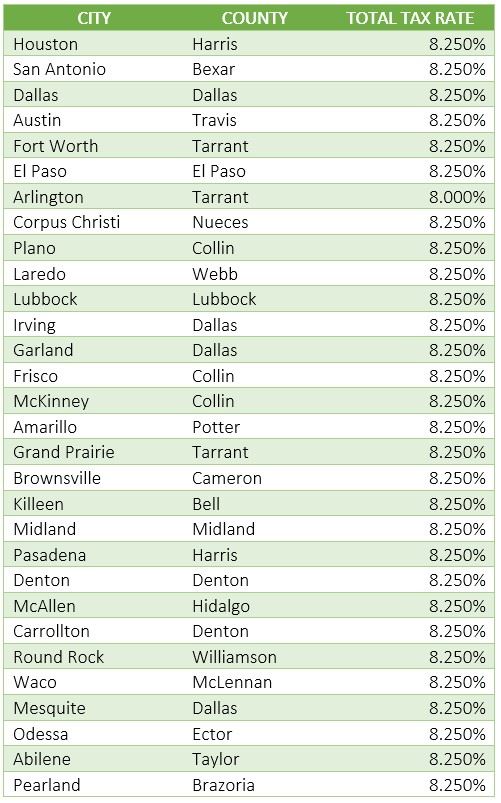
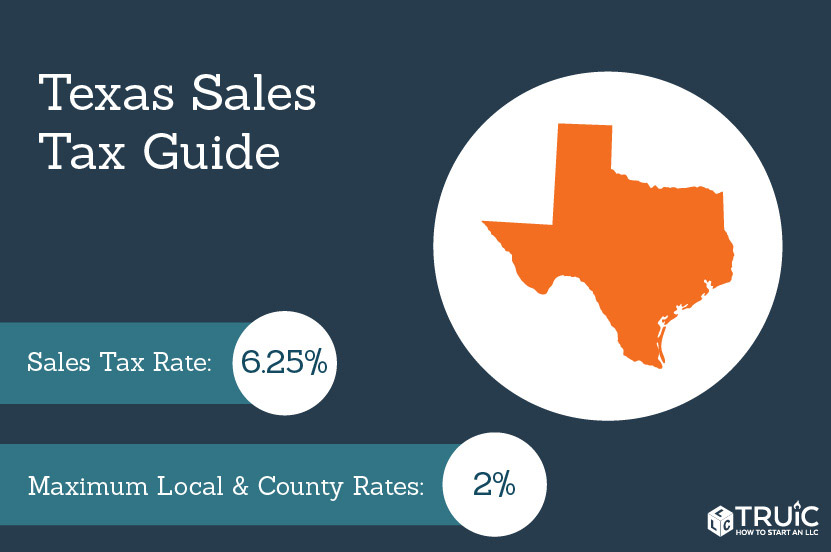
The Texas sales tax rate is not a single, fixed percentage. Instead, it’s a combination of a state tax and a local tax, which can vary significantly from one municipality to another. The state sales tax rate in Texas is currently 6.25%. However, this is just the base rate. Many cities and counties in Texas also impose their own local sales taxes. These local taxes can range from a fraction of a percent to several additional percentage points.
The maximum allowable combined state and local sales tax rate in Texas is 8.25%. This means that in some areas, you could pay up to 8.25% in sales tax on your purchases. For instance, a popular tourist destination like San Antonio or Galveston might have a higher combined rate than a smaller, more rural town. It’s essential to be aware that the exact rate can differ depending on where you are within the state. This is particularly important when booking accommodation, as hotel stays are subject to these sales taxes.
What is Taxed in Texas?
The scope of Texas sales tax is quite broad, covering a wide array of tangible personal property and taxable services. For travelers, this typically includes:
- Tangible Personal Property: This encompasses almost everything you might purchase, from souvenirs and clothing to electronics and vehicle rentals. If you’re buying a keepsake from a shop in Austin or renting a car to explore the Texas Hill Country, sales tax will apply.
- Taxable Services: While not as extensive as the tax on goods, certain services are also subject to sales tax. These can include repair and remodeling services, information services, and security services. The specific services that are taxed can sometimes be complex, but for most tourist activities, the primary concern will be the tax on goods and accommodation.
- Restaurant Meals and Prepared Food: Dining out is a significant part of the travel experience, and in Texas, meals purchased from restaurants, cafes, and catering services are subject to sales tax. This also extends to prepared food purchased from grocery stores or convenience stores for immediate consumption. So, that delicious brisket from a Texas barbecue joint will have sales tax added.
- Admissions: Entrance fees to many attractions, such as museums, amusement parks, and sporting events, are also subject to sales tax. If you’re visiting the Alamo in San Antonio or attending a concert in Dallas, expect sales tax to be factored into the ticket price.
Exemptions and Special Considerations
While the general rule is that most goods and services are taxed, there are some important exemptions to be aware of. These can make a difference in your overall spending.
- Groceries: Most basic grocery items intended for home consumption are exempt from Texas sales tax. This is a common exemption in many states and helps reduce the tax burden on essential household expenses. However, prepared foods, such as deli items or pre-made meals, are generally taxable.
- Prescription Drugs: Prescription medications are exempt from sales tax.
- Occasional Sales: Certain casual or isolated sales may be exempt. This is more relevant for individuals selling personal items rather than typical retail transactions.
- Manufacturing and Resale: Businesses often benefit from exemptions on goods purchased for manufacturing or for resale. This is a business-to-business consideration rather than one that directly impacts the average traveler.
Understanding these exemptions can help you make informed purchasing decisions, especially if you are planning a longer stay and intend to purchase groceries for self-catering in your accommodation.
Hotel and Lodging Taxes in Texas: A Deeper Dive
For travelers, one of the most significant tax components to consider is the tax levied on accommodation. When you book a hotel room, suite, resort stay, or even a vacation rental, you will be subject to lodging taxes. These taxes are often a combination of state, county, and municipal taxes.
The Hotel Occupancy Tax (HOT)
In Texas, the tax on hotel stays is known as the Hotel Occupancy Tax (HOT). This tax is levied on the privilege of occupying a hotel room. The HOT is comprised of several layers, similar to the general sales tax, but with its own specific rates and components.
The state portion of the Hotel Occupancy Tax is 6%. In addition to this, most cities and counties in Texas can impose their own HOT. These local taxes are often used to fund local services, including tourism promotion, convention centers, and other community improvements.
The combined state and local hotel occupancy tax rate can vary significantly across Texas. In some major tourist destinations, the total rate can reach as high as 15% or even more, when state, county, and municipal taxes are combined. For example, if you are staying in a popular resort in Galveston or a downtown hotel in Dallas, you can expect a higher HOT than in a less tourist-heavy area.
Breakdown of Hotel Occupancy Tax
To better understand what you’re paying, here’s a typical breakdown of the Hotel Occupancy Tax:
- State Tax: This is a mandatory 6% levied by the state of Texas.
- Local Taxes: These can include:
- County Tax: Counties can levy their own HOT, typically ranging from 2% to 7%.
- City Tax: Cities can also levy their own HOT, often with rates similar to county taxes.
- Special Districts: In some areas, special districts or authorities may also impose a small additional tax, often for tourism or convention center funding.
The total percentage you see on your hotel bill is the sum of these applicable taxes. It’s always a good practice to check the estimated tax on your booking confirmation, whether you are booking directly with a hotel, through an accommodation booking platform, or looking at apartments for a longer stay.
Implications for Travelers
The Hotel Occupancy Tax directly impacts the total cost of your accommodation. When comparing prices for hotels, suites, villas, or apartments, remember to factor in these additional taxes. A seemingly cheaper room might end up being more expensive once the HOT is applied.
For those seeking budget travel options, understanding these taxes can help you identify more affordable locations or types of accommodation. Conversely, for luxury travel, the impact of these taxes might be less significant relative to the overall cost, but awareness is still beneficial for accurate budgeting.
When considering long-term stay accommodation, some properties might offer different tax structures or discounts, so it’s worth inquiring directly with the provider. Many booking platforms will provide an estimated total cost, including taxes, before you finalize your reservation, so pay close attention to this.
Other Taxes and Fees Relevant to Texas Travel
Beyond general sales tax and hotel occupancy tax, there are a few other taxes and fees that travelers might encounter in Texas, though they are less common for the average tourist.
Motor Vehicle Rental Tax
If you plan to rent a vehicle to explore the vast expanses of Texas, you will likely encounter a specific tax on car rentals. This is typically a combination of state and local taxes. The rate can vary but is generally in line with or slightly higher than the standard sales tax. This tax is usually included in the rental rate presented by the car rental company.
Mixed Beverage Tax
For those who enjoy a cocktail or a glass of wine with their meal, it’s worth noting that alcoholic beverages sold in mixed drinks are subject to a mixed beverage tax in Texas. This is a separate tax from the general sales tax on food and can add to the cost of your dining experience in restaurants and bars across the state.
Property Taxes (Indirect Impact)
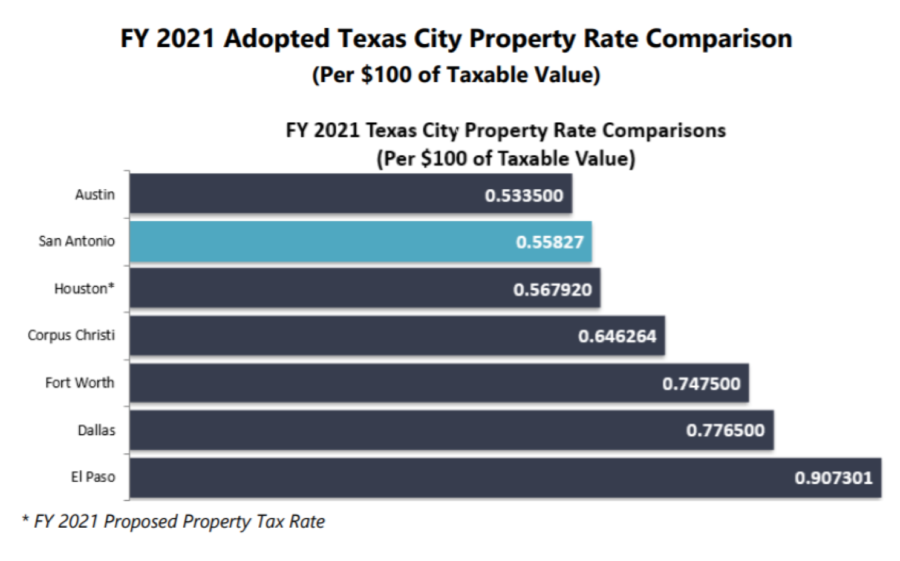
While travelers don’t directly pay Texas property taxes, these taxes form the backbone of local government funding and can indirectly influence the cost of goods and services. Property taxes fund local schools, police, fire departments, and other essential services. Higher property taxes in a city can sometimes translate into higher prices for local goods and services, though this is a subtle and indirect effect.
Navigating Texas Taxes for a Smoother Travel Experience
Understanding the tax rates in Texas is not just about saving money; it’s about having a realistic expectation of your travel expenses. Whether you’re visiting famous landmarks like the Space Center Houston or exploring the natural beauty of Big Bend National Park, taxes are a component of most transactions.
- Budgeting: Always factor in sales and hotel taxes when setting your travel budget. It’s wise to add an estimated 8-10% for general purchases and 10-15% or more for accommodation, depending on your destination within Texas.
- Research: Before booking accommodation or planning significant purchases, research the specific sales and hotel tax rates for the city or county you’ll be visiting. Websites for local government tax authorities or tourism boards can be helpful resources.
- Inquire: Don’t hesitate to ask your hotel or tour operator about the tax breakdown if you’re unsure. Transparency is key to a good customer experience.
- Compare: When comparing prices for hotels and other services, ensure you are comparing the total cost, including all applicable taxes and fees.
By being informed about the tax rates for Texas, you can navigate your travel plans with greater confidence, ensuring that your journey through this diverse and exciting state is as enjoyable and financially predictable as possible, allowing you to fully immerse yourself in the local culture, savor the unique food, and experience the best the state has to offer.
LifeOutOfTheBox is a participant in the Amazon Services LLC Associates Program, an affiliate advertising program designed to provide a means for sites to earn advertising fees by advertising and linking to Amazon.com. Amazon, the Amazon logo, AmazonSupply, and the AmazonSupply logo are trademarks of Amazon.com, Inc. or its affiliates. As an Amazon Associate we earn affiliate commissions from qualifying purchases.