
When planning a trip to the vast and diverse state of Texas, one of the most crucial factors to consider is the weather. Known for its dramatic seasonal shifts and regional variations, Texas weather can significantly impact your travel plans, from what to pack to what activities are best suited for your visit. Whether you’re dreaming of exploring the historical streets of San Antonio, enjoying the vibrant nightlife of Austin, or basking in the coastal breezes of Galveston, understanding the typical weather patterns will help you make the most of your Texas adventure. This guide delves into the nuances of Texas weather across its different regions and seasons, offering insights to help you plan your perfect Texas getaway.
Understanding Texas’s Diverse Climates
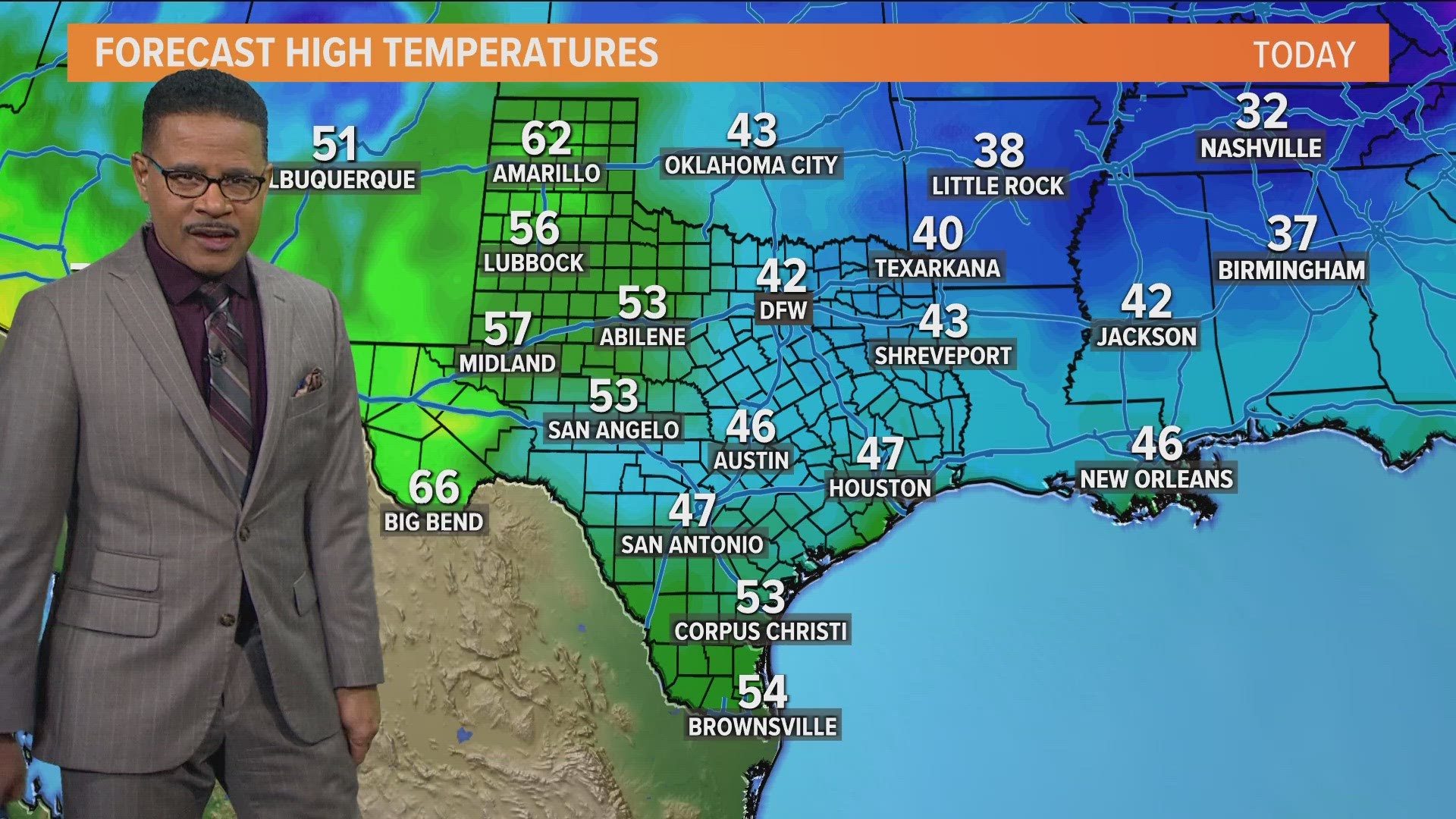
Texas is a sprawling state, and its sheer size contributes to a remarkable diversity in its climate. From the piney woods of East Texas to the arid deserts of West Texas, and the humid coast to the rolling plains, the weather can vary dramatically from one corner of the state to another. This climatic mosaic means that a single weather forecast for Texas often doesn’t tell the whole story. It’s essential to consider the specific region you’ll be visiting and the time of year to get an accurate picture of what to expect.
East Texas: The Piney Woods and Humid Subtropics
The eastern part of Texas, often referred to as the “Piney Woods,” experiences a humid subtropical climate. This region receives the most rainfall in the state, particularly during the spring and early summer months. Expect warm, humid summers with average high temperatures often in the upper 80s and low 90s Fahrenheit. Winters are generally mild, with occasional cold snaps where temperatures can dip below freezing. Spring is a beautiful time to visit, with blooming flora and pleasant temperatures, though it can also bring thunderstorms. Autumn offers crisp air and vibrant foliage, making it an ideal season for exploring attractions like Caddo Lake State Park.
Central Texas: The Hill Country and Transitional Zone
Central Texas, including popular destinations like Austin and San Antonio, lies in a transitional climate zone. It’s characterized by hot summers, mild winters, and a moderate amount of rainfall that tends to be spread throughout the year, with peaks in spring and fall. Summers here can be intense, with prolonged periods of heat and humidity, often seeing highs in the mid-90s Fahrenheit. Spring and fall are arguably the most pleasant times to visit, offering comfortable temperatures for outdoor activities like hiking in Enchanted Rock State Natural Area or visiting the numerous wineries. Winters are typically mild, but occasional cold fronts can bring freezing temperatures and even a dusting of snow.
Gulf Coast: The Coastal Bend and Tropical Influences
The Texas Gulf Coast, from Galveston down to Corpus Christi, has a humid subtropical climate with significant maritime influence. Summers are hot and humid, with the sea breeze providing some relief, but heat indices can still make it feel considerably warmer. The primary concern along the coast, especially during hurricane season (June 1 to November 30), is the potential for tropical storms and hurricanes. Winters are mild, with infrequent freezing temperatures, making it a popular destination for those seeking to escape colder climates. Spring and fall offer the most enjoyable weather for beach activities and exploring coastal towns.
West Texas: The Trans-Pecos and Arid Deserts
West Texas, including the rugged landscapes around Big Bend National Park and cities like El Paso, is a stark contrast to the eastern part of the state. This region experiences an arid to semi-arid climate, characterized by hot, dry summers and colder winters than the rest of Texas. Rainfall is scarce, and the sun shines intensely for much of the year. Summers here are exceptionally hot, with temperatures frequently exceeding 100 degrees Fahrenheit. Spring and fall offer the most comfortable conditions for exploring the dramatic desert scenery, with daytime temperatures often in the 70s and 80s Fahrenheit. Winters can be cold, with freezing temperatures common, and occasionally snow.
The Panhandle: High Plains and Continental Influences
The Texas Panhandle, north of the Texas Hill Country, has a climate that leans more continental. This region experiences distinct seasons with significant temperature swings. Summers are hot and often dry, while winters can be quite cold, with frequent incursions of arctic air bringing freezing temperatures, wind, and snow. This is also a region prone to severe thunderstorms and tornadoes during the spring months. The open plains mean wind can be a significant factor year-round.
Seasonal Weather Patterns in Texas
Understanding the typical weather by season is crucial for effective planning. Each season brings its own set of conditions and opportunities for experiencing Texas.
Spring: A Season of Transformation and Thunderstorms
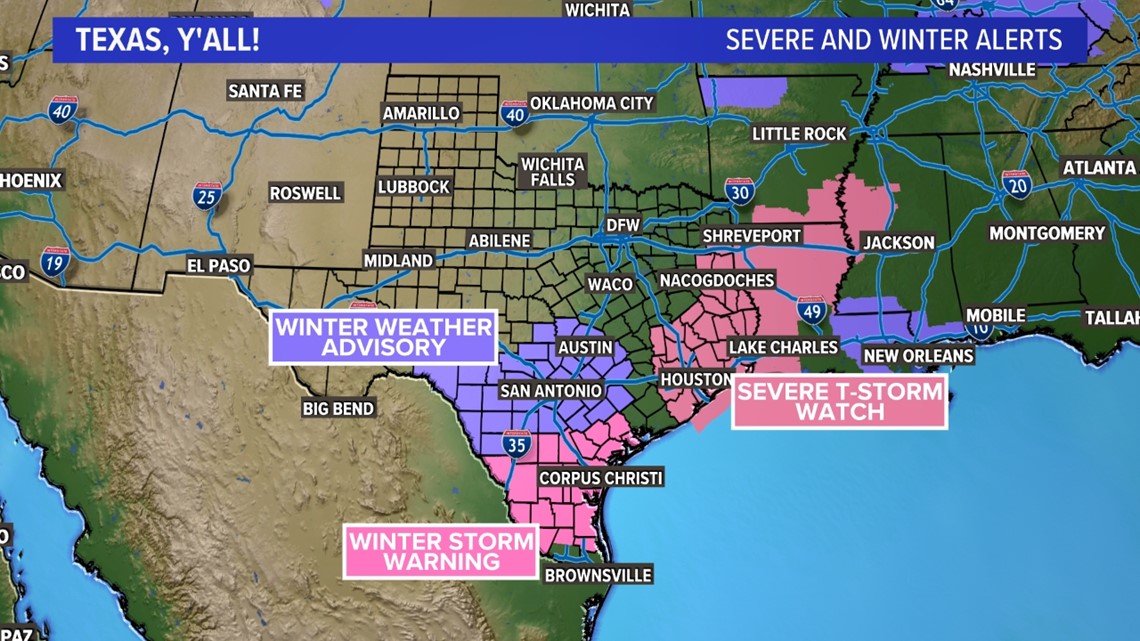
Spring in Texas (March to May) is a period of dramatic transformation. Wildflowers, famously the bluebonnets, bloom across the state, painting the landscapes in vibrant colors. Temperatures gradually warm up, becoming quite pleasant for outdoor exploration. However, spring is also Texas‘s most active weather season for severe thunderstorms, hail, and tornadoes, particularly in North Texas and the Panhandle. The Gulf Coast can also experience heavy rainfall. While generally a beautiful time to visit, staying informed about weather alerts is advisable.
Summer: Heat, Humidity, and Sun-Drenched Days
Summers in Texas (June to August) are synonymous with heat and humidity, especially in the eastern and coastal regions. Daytime temperatures frequently climb into the 90s Fahrenheit and can surpass 100 degrees Fahrenheit for extended periods. The sun is intense, making hydration and seeking shade paramount. While the coast may offer some respite with sea breezes, the humidity can make it feel hotter. This is an excellent time for water-based activities, from swimming in Texas lakes to enjoying the beaches of South Padre Island. However, outdoor activities in the middle of the day may be challenging in the more arid western parts of the state.
Autumn: The Golden Season of Crisp Air and Pleasant Temperatures
Autumn in Texas (September to November) is often considered the most idyllic season. The oppressive summer heat begins to recede, replaced by crisp, clear air and comfortable temperatures. Fall foliage can be enjoyed in East Texas, adding a splash of color to the forests. This is a prime season for exploring the state’s numerous attractions, from historical sites like The Alamo to outdoor adventures in Palo Duro Canyon State Park. The weather is generally stable, with a lower chance of severe storms compared to spring, making it ideal for festivals and outdoor events.
Winter: Mild Coasts and Chilly North
Winter in Texas (December to February) presents a mixed bag. The Gulf Coast and South Texas typically enjoy mild winters, with temperatures rarely dropping below freezing for extended periods. This makes these regions attractive for snowbirds seeking a warmer climate. However, North Texas, the Panhandle, and West Texas can experience significant cold, with freezing temperatures, ice, and occasional snowfall being common. Cold fronts can sweep through the state, bringing rapid temperature drops. Despite the chill, winter can be a great time to visit museums and enjoy indoor attractions without the crowds, and the open landscapes of West Texas offer a unique stark beauty under a winter sky.
Planning Your Texas Trip Based on Weather
Knowing the general weather patterns for Texas can significantly enhance your travel experience. Here’s how to tailor your plans:
What to Pack: Dressing for the Texas Elements
Packing for Texas requires a flexible approach.
- Summer: Light, breathable clothing is essential. Think cotton t-shirts, shorts, and sundresses. Don’t forget a wide-brimmed hat, sunglasses, and high-SPF sunscreen for sun protection. Comfortable walking shoes are a must, but water shoes might be useful for coastal or lake activities. A light rain jacket or poncho is advisable for sudden summer showers.
- Spring & Fall: Layers are key. Pack a mix of short-sleeved shirts, long-sleeved shirts, sweaters or light jackets, and comfortable pants or jeans. A more substantial jacket might be needed for cooler evenings or mornings, especially in the northern parts of the state. An umbrella and a light rain jacket are highly recommended due to the potential for spring showers or occasional fall rain.
- Winter: If visiting South Texas or the coast, milder layers are sufficient, perhaps including a light to medium-weight coat. For North Texas, the Panhandle, or West Texas, you’ll need warmer clothing, including a heavy coat, gloves, a scarf, and a hat. Waterproof boots may be beneficial if snow or ice is expected.
Best Times to Visit Texas for Specific Activities
- Flower Viewing (Bluebonnets): Late March to mid-April in Central and South Texas.
- Beaches and Coastal Fun: Late spring through early fall. Be mindful of hurricane season from June to November.
- Hiking and Outdoor Exploration: Spring and fall offer the most comfortable temperatures for exploring parks like Big Bend National Park, Palo Duro Canyon State Park, or the Texas Hill Country.
- Festivals and Events: Many of Texas‘s famous festivals, such as South by Southwest (SXSW) in Austin or the State Fair of Texas in Dallas, are held during specific seasons. Check event calendars, as weather can influence outdoor participation.
- Avoiding Extreme Heat: If you’re sensitive to heat, aim for visits in spring or fall.
- Winter Escapes: South Texas and the Gulf Coast offer a mild winter alternative.
Staying Safe and Informed
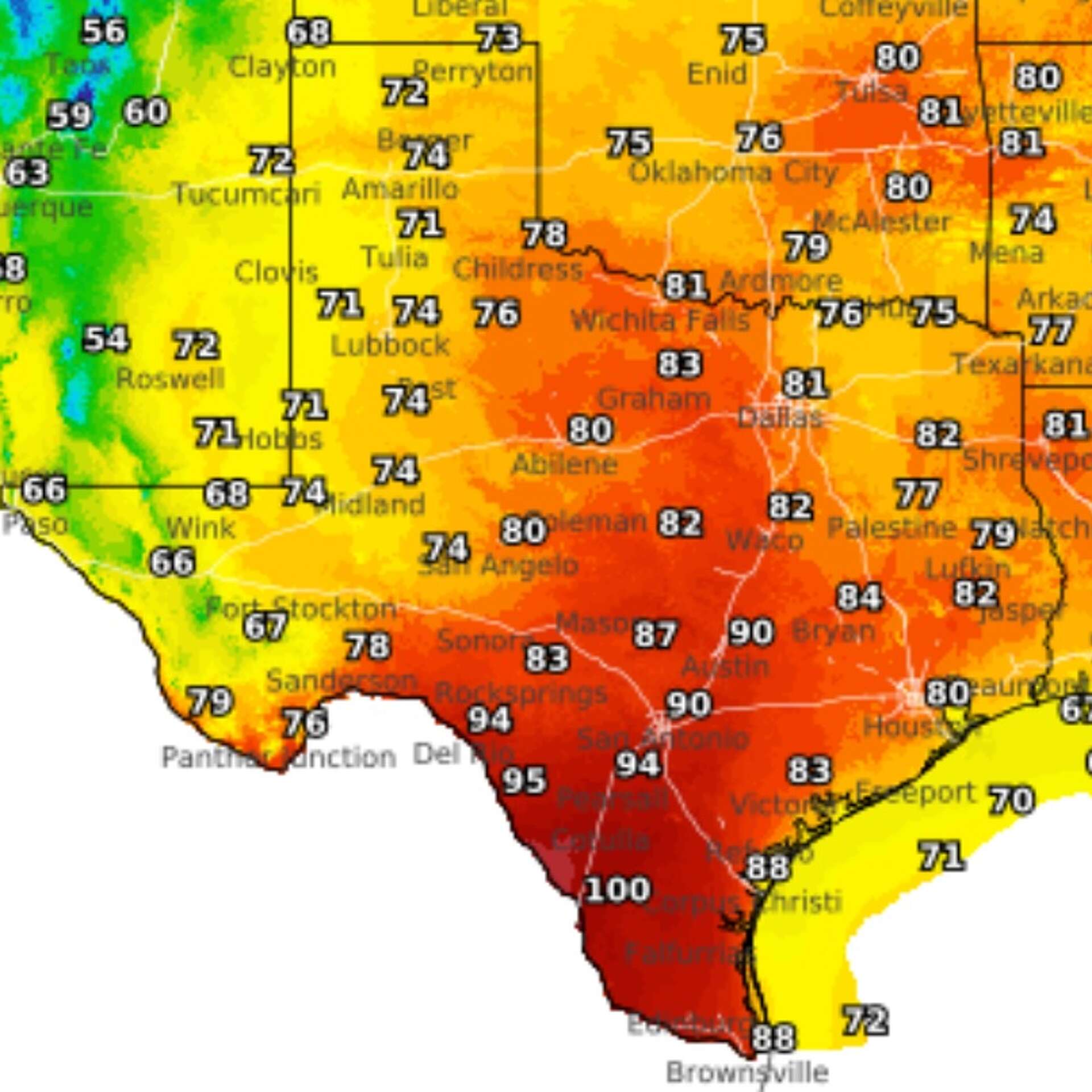
Regardless of when you visit, it’s crucial to stay informed about weather conditions. Texas is prone to a variety of weather phenomena, from heat advisories and drought conditions to severe thunderstorms, hail, tornadoes, and hurricanes.
- Monitor Forecasts: Check reliable weather forecasts daily, especially if you’re traveling during spring or hurricane season. Local news stations and weather apps are excellent resources.
- Heed Warnings: Pay close attention to weather alerts and warnings issued by authorities.
- Stay Hydrated: Especially during summer months, drink plenty of water to prevent dehydration and heatstroke.
- Seek Shelter: If severe weather is forecast or occurring, know where to find safe shelter.
- Travel Advisories: For coastal areas, be aware of hurricane watches and warnings and follow evacuation orders if necessary.
By understanding the diverse climatic tapestry of Texas and planning accordingly, you can ensure a memorable and enjoyable experience, no matter which region you explore or what time of year you choose to visit the Lone Star State.
LifeOutOfTheBox is a participant in the Amazon Services LLC Associates Program, an affiliate advertising program designed to provide a means for sites to earn advertising fees by advertising and linking to Amazon.com. Amazon, the Amazon logo, AmazonSupply, and the AmazonSupply logo are trademarks of Amazon.com, Inc. or its affiliates. As an Amazon Associate we earn affiliate commissions from qualifying purchases.