
Embarking on a journey to Alaska, the United States’ largest and most northern state, often conjures images of majestic snow-capped peaks, glistening glaciers, and vast, untouched wilderness. The question, “Is it snowing in Alaska?” is far more nuanced than a simple yes or no, deeply impacting the travel experience for prospective visitors. Alaska’s immense size and diverse geography mean that weather patterns, including snowfall, vary dramatically across its regions and seasons. From the coastal rainforests to the interior’s continental climate and the Arctic tundra, each area presents its unique snowy character. Understanding these variations is crucial for planning an unforgettable trip, whether you’re dreaming of a winter wonderland adventure or hoping to experience the long days of summer. This article delves into the intricacies of Alaska’s snowy landscape, offering insights for travelers eager to explore this magnificent destination.
Understanding Alaska’s Winter Wonderland: When Does the Snow Fall?
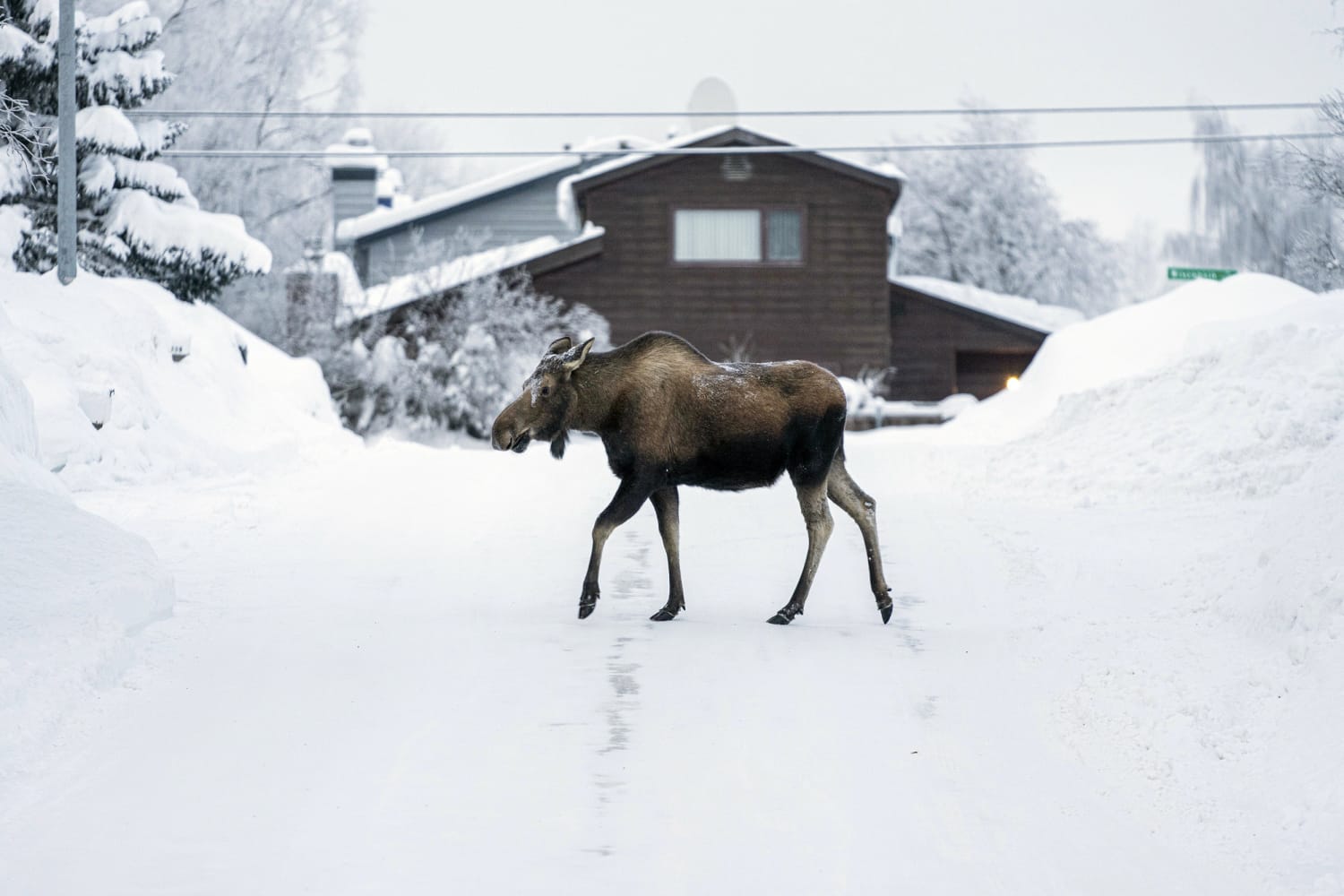
Alaska’s reputation as a snowy paradise is well-earned, but the timing and intensity of snowfall are far from uniform across its vast expanse. The state experiences a true four-season climate, though winter often holds a dominant presence for much of the year in many regions. Travelers planning a visit should understand that “snowing” can mean anything from light dustings to meters-deep accumulations, depending on their chosen destination and the time of year.
Regional Variations in Snowfall
The geographical diversity of Alaska dictates distinct snowfall patterns. The Panhandle, home to cities like Juneau and Sitka, is a temperate rainforest zone. Here, precipitation is abundant year-round, often falling as heavy snow in winter months, especially at higher elevations, but can frequently turn to rain in coastal areas. Moving north to the Southcentral region, encompassing Anchorage and the Kenai Peninsula, winters are characterized by consistent, moderate snowfall, creating ideal conditions for winter sports. Further inland, in the Interior, where Fairbanks is located, the climate is continental. Snowfall is generally lighter in terms of total accumulation compared to coastal areas, but it typically lasts longer due to sustained frigid temperatures. Finally, the Arctic and Bering Sea regions experience extreme cold and persistent snow cover for much of the year, though total snowfall amounts can be surprisingly low due to the dry, cold air. Each region presents a unique snow experience, from the damp, heavy snows of the coast to the dry, powdery snow of the interior.
The Onset and Duration of Snow Season
The snow season in Alaska can begin as early as September in the highest elevations and Arctic regions, with most of the state seeing its first significant snowfall by October or November. This early start transforms the autumn landscape into a pristine white canvas, setting the stage for winter. The duration of snow cover also varies widely. In the Panhandle, snow might come and go, melting during warmer spells even in winter. In Anchorage and the Southcentral region, snow typically blankets the ground from November through March, sometimes extending into April. The Interior, particularly around Fairbanks, can maintain continuous snow cover from October well into April, and even May in some years. In the truly remote Arctic, snow can persist for up to eight or nine months of the year, only briefly melting during the short summer. Understanding these timelines is critical for travelers aiming to experience specific snow-related activities or to avoid winter conditions altogether.
Average Snowfall by Month
To provide a clearer picture, average snowfall data for key Alaskan cities illustrates the monthly progression. In Anchorage, the largest city, December and January are typically the snowiest months, each averaging around 12-15 inches (30-38 cm) of snow, though seasonal totals can easily exceed 75 inches (190 cm). Fairbanks, known for its extreme cold, sees less total accumulation but experiences consistent snow from October through April, with peak months similar to Anchorage but often drier, fluffier snow. Juneau, on the coast, has highly variable snowfall, often receiving over 100 inches (254 cm) in a winter, with significant precipitation occurring in December, January, and February, which can alternate between rain and snow. These averages highlight the profound impact of local geography and climate on the amount and type of snow travelers can expect.
Embracing the Alaskan Winter: Iconic Experiences Amidst the Snow
For many, the idea of visiting Alaska when it’s snowing is precisely the allure. The state truly transforms into a magical wonderland, offering unique experiences that are only possible when blanketed in white. From adrenaline-pumping adventures to serene natural spectacles, the Alaskan winter landscape provides a stunning backdrop for unforgettable memories.
Thrilling Outdoor Adventures
When the snow falls, Alaska becomes a playground for winter sports enthusiasts. Skiing and snowboarding are popular, with resorts like Alyeska Resort in Girdwood offering challenging slopes and breathtaking views. Cross-country skiing and snowshoeing trails abound across the state, from city parks in Anchorage to the vast wilderness of Denali National Park (though access is limited in winter). Perhaps the most iconic Alaskan winter activity is dog mushing. Visitors can take part in exhilarating sled dog rides, experiencing a tradition deeply rooted in Alaskan history and culture. Some even get the chance to meet participants in the legendary Iditarod Trail Sled Dog Race. Snowmobiling (or “snowmachining” as it’s known locally) offers another way to cover vast distances and explore remote areas, providing an adrenaline rush amidst stunning snowy scenery. Ice fishing is also a popular pastime, with frozen lakes becoming hubs of quiet contemplation and potential catches.
Captivating Cultural Encounters
Winter also presents opportunities for unique cultural immersion. Many communities host winter festivals and events that celebrate the season and Alaskan heritage. These can include ice carving competitions, traditional Native Alaskan games, and lively community gatherings. Visiting small towns like Talkeetna or Seward in the off-season offers a more intimate glimpse into local life, often accompanied by cozy fireside chats and fewer crowds. Museums and cultural centers, such as the Anchorage Museum or the University of Alaska Museum of the North in Fairbanks, provide warm retreats to learn about the state’s natural history, indigenous cultures, and pioneering spirit, all while the snow falls gently outside. These indoor experiences complement the outdoor adventures, offering a well-rounded winter travel itinerary.
Witnessing the Aurora Borealis
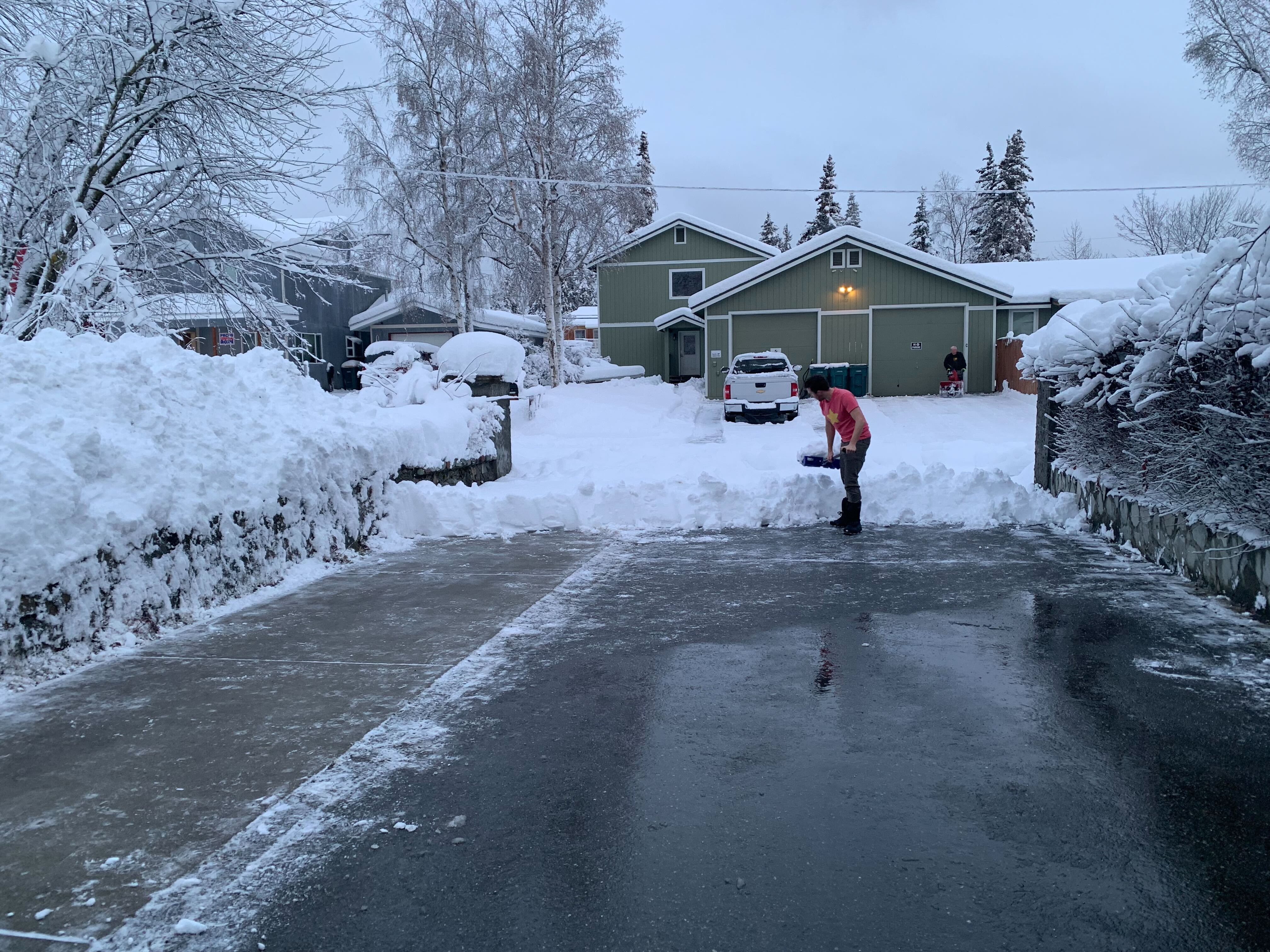
One of the most compelling reasons to visit Alaska in the snowy months is the unparalleled opportunity to witness the Aurora Borealis, or Northern Lights. While the lights are active year-round, the dark, clear nights of winter provide the best viewing conditions. Fairbanks, situated beneath the auroral oval, is often hailed as one of the best places on Earth to see this natural phenomenon. Away from city lights, the snow-covered landscape reflects the faint starlight, enhancing the spectacle of the dancing green, pink, and purple hues across the night sky. Many tour operators offer guided aurora viewing excursions, complete with warm yurts or cabins, hot beverages, and expert photographers to help capture the magic. This ethereal display, set against a pristine white backdrop, is a truly once-in-a-lifetime experience that solidifies Alaska’s status as a top winter destination.
Navigating Winter Travel in Alaska: Practical Considerations
Traveling to Alaska when it’s snowing requires careful planning and preparation. While the rewards are immense, understanding the practicalities of winter travel is key to ensuring a safe, comfortable, and enjoyable trip. From what to pack to how to get around, a well-prepared traveler will find the Alaskan winter an incredibly welcoming and accessible experience.
Essential Packing for Cold Climates
Proper clothing is paramount for an Alaskan winter adventure. The key is layering. Start with a moisture-wicking base layer (synthetics or wool, never cotton). Add an insulating mid-layer, such as fleece or down, for warmth. The outermost layer should be waterproof and windproof, protecting against the elements. A heavy-duty winter coat, insulated snow pants, waterproof boots, and plenty of warm accessories like hats, gloves, and scarves are non-negotiable. Hand and foot warmers can provide an extra boost of heat. Don’t forget sunglasses, as the sun reflecting off snow can be intense, and sunscreen for exposed skin. While stores in Alaska are well-stocked with winter gear, bringing your own essentials ensures comfort from day one and can save on costs. Thinking in terms of “extreme cold” rather than just “cold” will guide your packing choices effectively.
Transportation and Accessibility
Winter travel affects transportation in Alaska. Major cities like Anchorage and Fairbanks have well-maintained roads, but rural highways can be challenging due to ice and heavy snow. Renting a four-wheel-drive vehicle is advisable if you plan on driving outside urban centers. Many rental companies equip vehicles with studded tires, which are essential for traction on icy roads. The Alaska Railroad offers scenic winter services, connecting Anchorage, Talkeetna, and Fairbanks, providing a comfortable and safe way to see the snowy landscape without driving. Flights are also a critical mode of transport, connecting smaller communities and bush planes often being the only link to truly remote areas, though they are subject to weather delays. It’s wise to build flexibility into your itinerary for potential weather-related disruptions.
Choosing Your Ideal Winter Travel Period
The “best” time to visit Alaska in winter depends on your priorities.
- Early Winter (November-December): This period offers fresh snow, shorter days, and often excellent aurora viewing opportunities before the coldest temperatures set in. It’s also typically less crowded than peak season.
- Mid-Winter (January-February): These are often the coldest months, but also typically the snowiest and offer the darkest nights for aurora hunting. This is prime time for many winter sports and festivals.
- Late Winter/Early Spring (March-April): Days start getting longer, temperatures begin to moderate, and there’s often still plenty of snow for activities. March is a particularly popular month for aurora viewing as the balance of dark skies and warming temperatures is ideal. It’s also when iconic events like the Iditarod take place. Each period has its charm, catering to different interests and tolerance for cold.
Beyond the Flakes: Other Climatic Factors for Your Alaskan Journey
While snowfall is a major consideration, Alaska’s winter climate encompasses more than just snow. Understanding other climatic factors is essential for fully preparing for your journey and maximizing your experience in this northern frontier.
Day Length and Sunlight Hours
During the winter months, Alaska experiences significantly shorter daylight hours, especially in the northern regions. In Anchorage, mid-winter days can have as little as 5.5 hours of daylight. Further north in Fairbanks, it dips to just under 4 hours. In the Arctic, some areas experience weeks or months of continuous darkness, known as polar night. This limited daylight profoundly impacts travel. Activities must be planned efficiently around available light, and travelers should be prepared for extended periods of darkness, which, conversely, creates prime conditions for aurora viewing. The low sun angles also produce stunning, prolonged sunrises and sunsets, casting a golden glow over the snow-covered landscape.
Extreme Temperatures and Wind Chill
Alongside snow, extreme cold is a hallmark of the Alaskan winter, particularly in the Interior and Arctic. Temperatures can plunge well below 0°F (-18°C), often reaching -20°F (-29°C) or even -40°F (-40°C) and colder. Coupled with wind, the wind chill factor can make conditions feel significantly colder, posing a risk of frostbite and hypothermia if not properly dressed. Travelers should monitor local forecasts closely and dress in multiple layers to insulate effectively. When temperatures are extremely low, some outdoor activities may need to be curtailed or rescheduled for safety. However, the dry cold of the interior often feels less biting than humid cold, and the crisp, still air under a clear sky can be surprisingly pleasant.
The Unpredictable Nature of Alaskan Weather
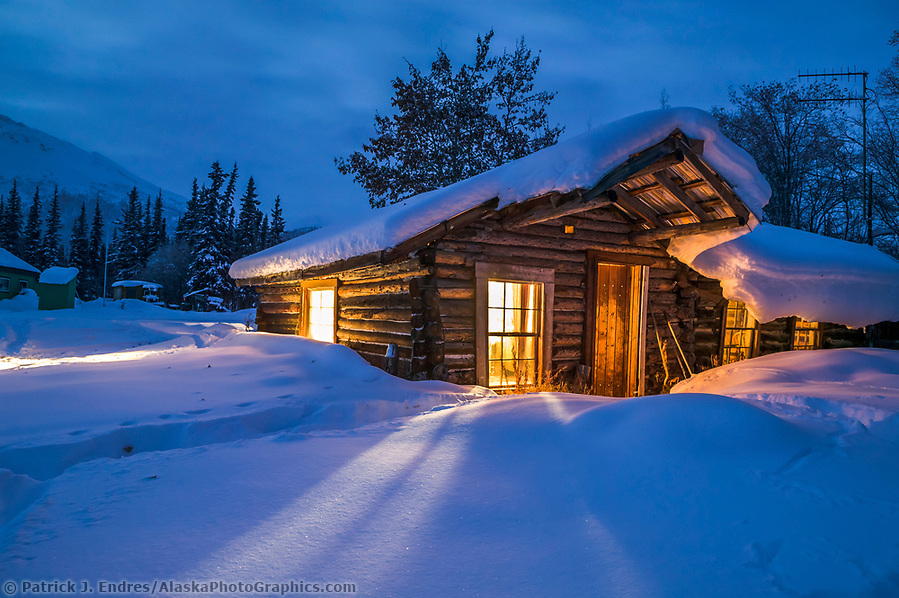
Perhaps the most important climatic factor to acknowledge is the inherent unpredictability of Alaskan weather. Conditions can change rapidly, shifting from clear skies to heavy snow or a sudden drop in temperature within hours. This variability is true year-round but is particularly pronounced in winter. Travelers should always be prepared for unexpected weather shifts, carry emergency supplies, and stay informed through local weather reports. Flexibility in travel plans is paramount, especially when venturing into more remote areas or relying on air travel. Embracing this unpredictability as part of the Alaskan adventure, rather than a hindrance, will lead to a more enjoyable and authentic experience.
In conclusion, “Is it snowing in Alaska?” is a question that opens the door to a remarkable journey. With its diverse climates, spectacular snow-laden landscapes, and array of unique winter experiences, Alaska offers a truly unforgettable travel destination for those prepared to embrace its snowy splendor. Whether you seek thrilling outdoor sports, serene natural beauty, or the magic of the Northern Lights, Alaska’s winter wonderland awaits.
LifeOutOfTheBox is a participant in the Amazon Services LLC Associates Program, an affiliate advertising program designed to provide a means for sites to earn advertising fees by advertising and linking to Amazon.com. Amazon, the Amazon logo, AmazonSupply, and the AmazonSupply logo are trademarks of Amazon.com, Inc. or its affiliates. As an Amazon Associate we earn affiliate commissions from qualifying purchases.