
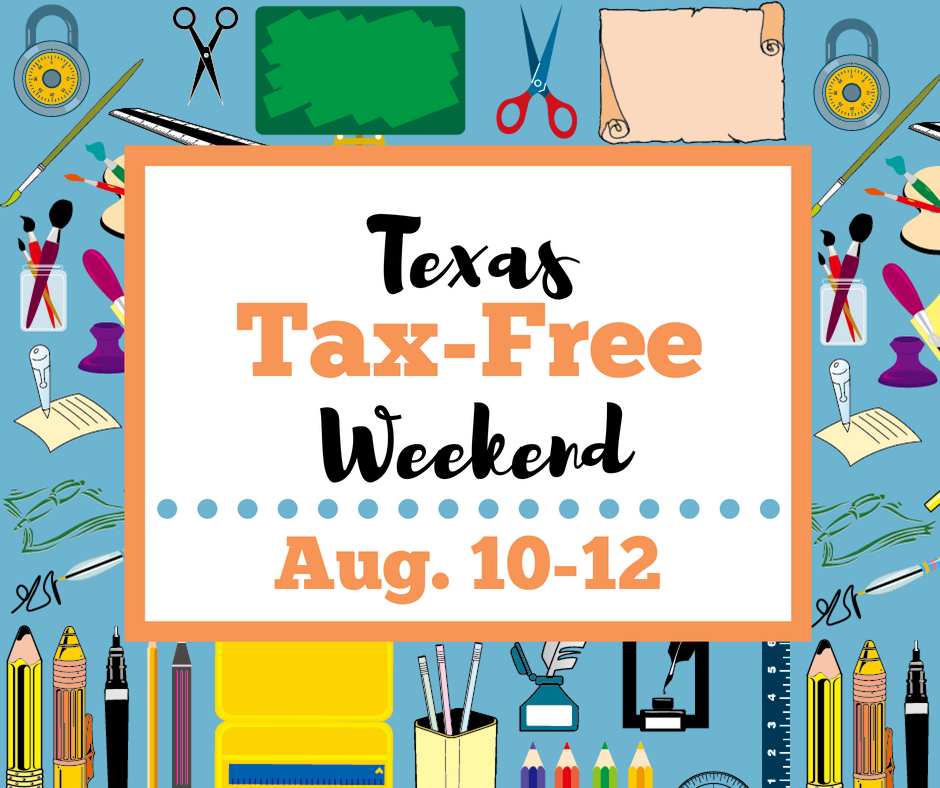
The allure of a weekend where your purchases are exempt from state sales tax is a significant draw for shoppers across the Lone Star State. This annual event, officially known as the Texas Sales and Use Tax Holiday, offers a fantastic opportunity to save money on essential items, back-to-school supplies, and even some everyday luxuries. For residents and visitors alike, understanding the exact dates and eligible items is key to maximizing the benefits of this tax-saving opportunity. As the calendar pages turn towards late summer, the question on many Texans’ minds becomes: “When does Tax Free Weekend start in Texas?”
This event is not just about saving a few dollars; it’s a carefully planned initiative by the state to encourage consumer spending and provide relief, particularly for families preparing for the academic year. Beyond the immediate financial savings, Tax Free Weekend can subtly influence travel plans and local tourism. Families might strategically plan their shopping trips around this period, potentially combining it with a short getaway to a neighboring city or a visit to a popular attraction. This intermingling of shopping and leisure highlights the broader economic impact of such events, benefiting not only retailers but also the hospitality and tourism sectors.
Understanding the Texas Sales Tax Holiday
The Texas Sales and Use Tax Holiday is a cornerstone of the state’s efforts to stimulate economic activity and provide tangible benefits to its citizens. Established by the Texas Legislature, this event is designed to alleviate the financial burden on consumers, especially as back-to-school expenses loom large for many households. The holiday typically focuses on specific categories of goods, ensuring that the savings are directed towards essential purchases that support families and education.
Eligibility and Scope of the Holiday
The core principle of the Texas Sales Tax Holiday is to exempt certain items from state and local sales and use taxes. The specific categories of eligible items are determined by law and are generally consistent from year to year, though it’s always wise to check the most current guidelines from the Texas Comptroller of Public Accounts. The most common categories include:
- Clothing and Footwear: This typically covers most items of apparel and shoes. There’s usually a price limit per item, meaning that individual articles of clothing or footwear costing less than a certain amount are tax-exempt. This allows families to stock up on school uniforms, everyday wear, and necessary footwear without the added tax burden. For instance, a child’s school uniform shirt or a pair of everyday sneakers would fall under this exemption.
- School Supplies: This broad category encompasses a wide range of items essential for students. It often includes items like notebooks, binders, pencils, pens, crayons, and other art supplies. The intention here is to make back-to-school preparations more affordable. This category is crucial for parents, as the cost of equipping a student for the academic year can quickly accumulate.
- Computers and Related Accessories: In an increasingly digital world, computers have become indispensable tools for education and work. The Texas Sales Tax Holiday often includes computers and related peripheral devices, typically with a higher price threshold. This allows for more significant savings on these often substantial purchases, benefiting students and professionals alike. This could include laptops, desktops, monitors, keyboards, and even some software.
It’s important to note that while the holiday offers significant savings, there are always specific exclusions. For example, while clothing is generally tax-free, items like athletic uniforms or protective equipment might have different tax implications. Similarly, while general school supplies are covered, some specialized art supplies or electronic learning devices might not be. The Texas Comptroller of Public Accounts provides detailed lists of eligible and ineligible items each year, which is the definitive resource for shoppers. Understanding these nuances ensures that shoppers can confidently make their purchases and take full advantage of the tax exemption.
The Timing: When Does Tax Free Weekend Start In Texas?
The Texas Sales and Use Tax Holiday has a remarkably consistent timeframe. It is traditionally held on the last full weekend in August. This strategic timing is no coincidence; it directly aligns with the period when many families are gearing up for the start of the new school year. The holiday officially begins at 12:01 a.m. on a Friday and concludes at midnight on the following Sunday. Therefore, to pinpoint the exact start date, one simply needs to identify the Friday of the last full weekend of August.
For example, if August 29th falls on a Friday, then August 29th, 30th, and 31st would be the tax-free days. If the last weekend of August begins on August 22nd, then August 22nd, 23rd, and 24th would be the designated tax-free days. This predictable schedule allows consumers to plan their shopping excursions well in advance, making it a highly anticipated event on the Texas retail calendar. While the dates are generally stable, it is always recommended to consult the official announcement from the Texas Comptroller of Public Accounts as the dates approach to confirm the exact start and end times for the current year.
Beyond the Shopping Cart: Tourism and Lifestyle Impacts
The Texas Sales Tax Holiday, while primarily a retail event, casts a wider net, influencing broader lifestyle choices and contributing to the state’s tourism landscape. The prospect of saving money on purchases can inspire a variety of behaviors, from extended shopping trips to family outings that incorporate both shopping and leisure activities. This ripple effect benefits various sectors within the state’s economy.
Strategic Shopping Trips and Day Excursions
For many Texans, Tax Free Weekend is not just about visiting their local mall; it can be an opportunity to embark on a more extensive shopping expedition. Families might plan to drive to a larger city like Houston or Dallas to access a wider selection of stores and potentially find better deals. This often transforms a simple shopping trip into a mini-vacation.
- Destination Shopping: Some consumers may target specific retail hubs or outlets known for offering a wide array of goods, including clothing, electronics, and school supplies. The tax savings can make the travel costs worthwhile, especially for those looking to purchase higher-ticket items like a new laptop or a comprehensive set of electronics for college.
- Combining Shopping with Attractions: Retailers often see an uptick in foot traffic not just from locals but from shoppers traveling from surrounding areas. This can lead to a synergistic effect with local attractions. For instance, a family visiting San Antonio for the Tax Free Weekend might plan their shopping in the morning and then spend the afternoon exploring The Alamo or enjoying the San Antonio River Walk. Similarly, in Austin, shoppers might combine their retail pursuits with a visit to the Texas State Capitol or a hike in the Barton Creek Greenbelt.
- Accommodation Boost: The influx of shoppers traveling from out of town can provide a significant boost to the hotel and accommodation sector. People staying overnight to maximize their shopping time will book rooms in hotels, resorts, and even short-term rental apartments. This translates into increased revenue for establishments like the Grand Hyatt Hotel in San Antonio or the Omni Dallas Hotel in Dallas, as well as smaller, boutique accommodations across the state. Travelers might opt for suites or apartments for longer stays, especially if they are combining the shopping trip with family visits or other leisure activities.
Lifestyle Considerations and Budgeting
The Tax Free Weekend also plays a role in how Texans approach their lifestyle choices, particularly concerning budgeting and family expenditures.
- Budget-Conscious Families: For families with school-aged children, this weekend is a crucial time to manage back-to-school expenses. The savings accumulated from tax-exempt purchases can free up funds for other important family needs or even for a modest leisure activity. This event underscores the importance of smart budgeting and taking advantage of opportunities to reduce household costs.
- Luxury vs. Practicality: While the holiday is heavily associated with back-to-school essentials, it also allows for more discretionary spending. Those who have been saving for a particular item, whether it’s a high-end piece of clothing, a new tablet for personal use, or even some home décor, can find it more appealing to make that purchase during the tax-free period. This blend of practical and aspirational purchasing is a hallmark of the event.
- Planning for Future Travel: Some individuals and families might use the savings from Tax Free Weekend to allocate more of their budget towards future travel or experiences. By saving on immediate needs, they can earmark those funds for planned vacations, weekend getaways to destinations like Galveston or Big Bend National Park, or even for enriching cultural experiences. This demonstrates how seemingly small financial reliefs can contribute to larger lifestyle goals.
The Texas Sales Tax Holiday is more than just a shopping event; it’s an integral part of the state’s economic rhythm, influencing travel, lifestyle, and consumer behavior in multifaceted ways. It serves as a reminder of the interplay between retail, tourism, and the everyday lives of Texans.
Preparing for the Event: Tips for Savvy Shoppers
Maximizing the benefits of the Texas Sales Tax Holiday requires a bit of foresight and strategic planning. By approaching the event with a clear plan, shoppers can ensure they get the most out of the tax-free savings without feeling overwhelmed.
Pre-Planning and Research
The key to a successful Tax Free Weekend shopping trip lies in preparation. Before the designated Friday morning arrives, consumers should:
- Create a Shopping List: This is paramount. Identify exactly what items are needed, categorizing them by eligible types (clothing, school supplies, computers). This prevents impulse purchases and ensures that all essential needs are met.
- Check the Official Guidelines: As mentioned earlier, the Texas Comptroller of Public Accounts website is the definitive source for eligible items and price limitations. Reviewing these guidelines beforehand is crucial to avoid confusion at the checkout counter. For instance, understanding the price cap on individual clothing items can help shoppers make informed choices.
- Research Retailers and Products: Browse online flyers and websites of major retailers like Target, Walmart, or specialty stores. Compare prices and identify specific products that meet your needs and budget. Many retailers also offer special promotions during the Tax Free Weekend, which can further enhance savings. This research is particularly valuable if you’re planning a trip to a specific city, like Fort Worth, where you might want to explore the shopping districts around Sundance Square.
- Set a Budget: Even though items are tax-free, it’s still important to have a clear spending limit. This helps prevent overspending and ensures that the savings are managed effectively.

Smart Shopping Strategies
Once the shopping begins, employing smart strategies can make the experience smoother and more rewarding:
- Shop Early (or Strategically): Popular items can sell out quickly, especially on the first day. Consider shopping early on Friday morning for the best selection. Alternatively, if you prefer a less crowded experience, you might find good availability on Sunday, though some popular items might be gone.
- Utilize Store Apps and Loyalty Programs: Many retailers offer digital coupons, loyalty rewards, and in-app savings that can be combined with the tax-free exemption. Ensure you have the relevant apps downloaded and are signed up for loyalty programs before you start shopping.
- Consider Online Purchases: The Texas Sales Tax Holiday typically applies to both in-store and online purchases made from Texas-based retailers, provided the items are delivered within Texas. This can be a convenient option, especially for those who prefer to shop from home or if a specific item is more readily available online. However, always confirm the retailer’s policy regarding tax exemption on online orders.
- Be Aware of Return Policies: Understand the return policies of the stores you are shopping at. If you need to return an item purchased tax-free, you will typically only get credit for the price you paid, not the tax you would have paid.
- Travel and Accommodation Considerations: If you are traveling to another city for the Tax Free Weekend, book your accommodation in advance. Hotels in popular shopping destinations like The Woodlands or Plano can fill up quickly. Consider booking a room at a hotel with convenient access to shopping centers or attractions you might want to visit after your shopping spree. For instance, staying near the Galleria Dallas could offer a convenient shopping experience, followed by dining and entertainment options nearby.
By following these tips, shoppers can navigate the Texas Sales Tax Holiday with confidence, ensuring they make the most of this valuable opportunity to save money and efficiently acquire necessary goods. It transforms a potentially chaotic shopping spree into a well-executed financial strategy, blending practicality with the enjoyment of smart consumerism.
LifeOutOfTheBox is a participant in the Amazon Services LLC Associates Program, an affiliate advertising program designed to provide a means for sites to earn advertising fees by advertising and linking to Amazon.com. Amazon, the Amazon logo, AmazonSupply, and the AmazonSupply logo are trademarks of Amazon.com, Inc. or its affiliates. As an Amazon Associate we earn affiliate commissions from qualifying purchases.