
The allure of travel often involves unpredictable schedules, delayed flights, and spontaneous changes of plans. Amidst this dynamic landscape, one question frequently weighs on the minds of travelers: “How late can I check into a hotel?” While seemingly straightforward, the answer is nuanced, depending on various factors ranging from the type of accommodation to individual hotel policies and your communication with the establishment. Understanding these intricacies is crucial for a smooth and stress-free arrival, especially when your journey extends beyond the typical check-in window.
Checking into accommodation is more than just picking up a key; it’s the official commencement of your stay, involving administrative processes and the activation of guest services. This comprehensive guide will delve into the standard practices, potential challenges, and best strategies for navigating late arrivals across the spectrum of accommodation options.

Understanding Standard Accommodation Check-In Policies
Most hotels and other forms of accommodation operate within clearly defined check-in and check-out times. These policies are not arbitrary but are carefully crafted to ensure operational efficiency, guest satisfaction, and the smooth flow of room preparation.
The Typical Check-In Window
Generally, the standard check-in time for most hotels falls between 2:00 PM and 4:00 PM local time. This timing is widespread across various types of properties, from budget-friendly motels to luxury resorts. For instance, you might find many establishments in the United States adhere to a 3:00 PM check-in, while properties in Europe or Asia might lean towards 2:00 PM. The check-out time typically precedes this, usually between 10:00 AM and 12:00 PM. This creates a window of several hours during which rooms are cleaned, inspected, and prepared for the next guest.
It’s important to remember that this is a general guideline. Always verify the specific check-in time for your booking, which is usually provided in your confirmation email, on the hotel’s website, or on the platform you used for booking, such as Booking.com or Expedia.
Why Accommodation Establishments Have Set Check-In Times
The practice of having fixed check-in times is rooted in logistical necessity. It allows accommodation providers to manage their operations effectively, particularly the critical process of room readiness. Without these structured timings, properties would face significant challenges in guaranteeing a clean and prepared room for every arriving guest.
These times are designed to optimize staff scheduling, especially for housekeeping teams, which are often the largest department in an accommodation establishment. They ensure that there’s a predictable rhythm to the daily operations, allowing the property to maintain its standards of cleanliness and service quality.
The Role of Housekeeping and Room Preparation
The period between check-out and check-in is the dedicated window for housekeeping staff to meticulously clean, sanitize, and prepare rooms for new arrivals. This involves stripping beds, cleaning bathrooms, vacuuming, dusting, restocking amenities, and performing any necessary maintenance checks. Depending on the size and type of the room, as well as the occupancy levels, this process can take anywhere from 30 minutes to several hours per room.
For larger properties or during peak seasons, the housekeeping team needs every minute of this window to ensure all rooms meet the expected standards. A late check-in request, particularly if uncommunicated, can disrupt this delicate balance. If a guest checks in too early or too late without prior arrangement, it can either delay the cleaning process for the next guest or leave an arriving guest waiting for their room to be ready.
Navigating Late Arrivals: Communication is Key
While accommodation establishments operate within set hours, they are also in the business of hospitality. Most are willing to accommodate late arrivals, provided they are informed in advance. Proactive communication is the single most important factor in ensuring a smooth late check-in experience.
Informing the Accommodation of Your Delayed Arrival
If you anticipate arriving later than the standard check-in time, or even just after typical business hours, it is imperative to contact the property directly. This should ideally be done as soon as you are aware of the delay. A simple phone call or email can make all the difference. When you contact them, be prepared to provide:
- Your Name and Reservation Number: This allows them to quickly locate your booking.
- Your Estimated Time of Arrival: Provide as accurate an estimate as possible.
- Reason for Delay (Optional but helpful): Briefly explaining why you’re late (e.g., flight delay, traffic) can foster understanding.
By notifying them, you allow the accommodation staff to make necessary arrangements. This might include:
- Keeping the Front Desk staffed later: Especially for smaller hotels or guesthouses with limited overnight staff.
- Leaving a key with security or in a secure lockbox: A common practice for properties with automated check-in systems or after-hours service.
- Processing your check-in remotely: Some modern properties allow you to complete part of the check-in process via an app or online portal.
Self-Check-In and Key Collection Options
The hospitality industry is increasingly adopting technology to streamline operations and enhance guest convenience. Many properties now offer alternative check-in methods that are particularly useful for late arrivals:
- Keyless Entry Systems: A growing number of hotels, especially larger chains like Hilton Worldwide or Marriott International, utilize smartphone apps that allow guests to unlock their room door directly with their phone, bypassing the need for a physical key or front desk interaction.
- Digital Check-In Kiosks: Similar to airport check-in, some hotels feature kiosks where guests can complete their check-in process, print their key cards, and proceed directly to their room.
- Lockboxes/Safes: Smaller accommodations, boutique hotels, or vacation rentals (like those found on Airbnb) often provide secure lockboxes with codes for key retrieval, especially if there’s no 24-hour reception. The codes are typically sent to the guest via email or text message after a successful reservation and communication.
Even with these options, it’s always advisable to confirm the procedure with the property in advance, particularly if you know you will be arriving very late.
What to Do if You Haven’t Communicated
If you find yourself arriving late without having had the chance to inform the accommodation, don’t panic, but be prepared for potential hurdles.
- Look for 24-Hour Reception: Many larger hotels, especially those in major cities or part of international chains, offer 24-hour reception services. You should still be able to check in without issue, though a quick call from the road is always courteous.
- Find Contact Information: If the reception appears closed, look for emergency contact numbers usually posted at the entrance or on your booking confirmation.
- Consider Nearby Alternatives: In rare cases where a property cannot accommodate an uncommunicated late arrival (e.g., a small guesthouse with no overnight staff), you might need to find alternative accommodation for the night. This is a last resort and can often be avoided with a simple phone call.
Factors Influencing Late Check-In Flexibility
The flexibility an accommodation establishment offers for late check-ins is not uniform. Several factors play a significant role in determining how late you can realistically arrive.
Type of Accommodation
The nature of your accommodation choice heavily influences late check-in policies:
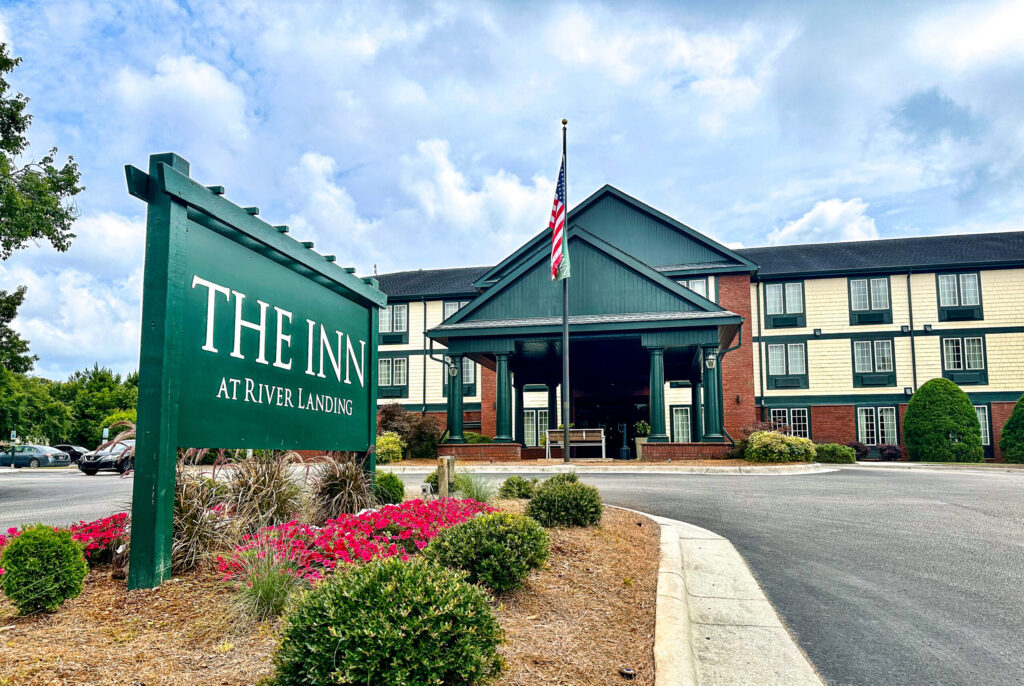
- Large Hotels and Chains (e.g., Hyatt, Accor): These typically have 24-hour Front Desk operations and can accommodate arrivals at any hour. Their systems are designed for high volume and round-the-clock service.
- Boutique Hotels and Independent Properties: While many still offer 24-hour reception, some smaller establishments, especially those focused on a unique guest experience, might have limited front desk hours. Communication is paramount here.
- Guesthouses, B&Bs, and Vacation Rentals (Airbnb, HomeAway): These often have the most restrictive late check-in policies, as they are frequently managed by individuals or small teams who may not live on-site or work traditional hours. Arrangements for key collection (e.g., lockboxes, meeting a host) are almost always required.
- Hostels: Many hostels also have specific reception hours. If arriving late, you might need a code for the main door and collect your key from a designated spot.
Hotel Staffing and Front Desk Hours
The availability of staff is a primary determinant of late check-in flexibility. A hotel with a fully staffed 24-hour Front Desk can process an arrival at any time. Conversely, a guesthouse that closes its reception at 9:00 PM will require prior arrangements for any arrival past that time.
It’s not just about getting a key; staff are also there to verify identity, process payment, explain property amenities, and answer any initial questions. If there’s no one available to do this, the check-in process cannot be completed. Always check the reception hours of your chosen accommodation, especially if it’s not a major chain.
Booking Channel and Payment Status
How you booked your stay can also impact late check-in flexibility.
- Direct Bookings: When you book directly through the accommodation’s website, you often have more direct lines of communication and potentially more flexibility as the property has direct control over your reservation.
- Online Travel Agencies (OTAs) (Booking.com, Expedia, Agoda): While OTAs facilitate bookings, communication about late arrivals should still be directed to the accommodation itself, not the OTA, unless specifically instructed otherwise. The OTA’s role typically ends once the booking is confirmed.
- Payment Status: If your reservation is pre-paid, the accommodation often feels more secure in holding your room, even for a very late arrival. For reservations where payment is due upon arrival, especially if it’s past midnight, the property might be more hesitant to hold the room indefinitely without communication, particularly if it’s a busy night.
Loyalty Programs and Guest Status
For frequent travelers, membership in hotel loyalty programs can sometimes afford greater flexibility. Members of programs like Marriott Bonvoy, Hilton Honors, or World of Hyatt often receive perks such as priority service, late check-out options, and sometimes even guaranteed room availability until a certain time, making late arrivals less of a concern. While not a guarantee for extremely late check-ins, being a recognized loyal guest can often lead to more accommodating service.
Potential Consequences of Extremely Late or No-Show Arrivals
Failing to communicate an extremely late arrival or simply not showing up can lead to several undesirable outcomes, ranging from financial penalties to losing your reservation altogether.
Cancellation Policies and Charges
Most accommodation bookings come with specific cancellation policies. If you don’t check in by a certain time (often stated as a “no-show” time, typically around midnight on the arrival date or a few hours after standard check-in for specific bookings) and haven’t communicated your delay, the property may consider your reservation a “no-show.” This can result in:
- Charging for the First Night: The most common consequence is being charged for the first night of your stay, even if you never physically checked in.
- Cancellation of Entire Reservation: For multi-night stays, the entire booking might be canceled without further notice, meaning you’ll need to rebook or find alternative accommodation for subsequent nights.
- Loss of Deposit: If you paid a non-refundable deposit, that amount will likely be forfeited.
Always review the cancellation policy associated with your specific booking to understand these terms.
Losing Your Reservation
Beyond financial penalties, the most significant risk of an uncommunicated late arrival is losing your room. Accommodation establishments operate on a tight inventory. If they believe you are not going to show up, especially on a busy night, they may release your room for sale to other guests (a practice known as “walking” a guest if they arrive later and the hotel is full). This is particularly true for pre-paid, non-refundable bookings where the property has already secured payment but still needs to manage its physical inventory.
Ensuring Your Safety and Access
Arriving at an accommodation in the middle of the night, only to find the reception closed and no clear instructions for key collection, can be a stressful and potentially unsafe situation. You could be left scrambling to find last-minute accommodation, often at higher prices, or waiting in an unfamiliar area until morning. Proactive communication eliminates this risk, ensuring you have clear instructions and access upon arrival, no matter the hour.
Tips for a Seamless Late Check-In Experience
To avoid stress and ensure a smooth start to your stay, follow these practical tips when anticipating a late arrival at any accommodation.
Always Communicate Proactively
This cannot be overstressed. As soon as you know you’ll be late, contact the accommodation directly. A simple phone call is usually best for immediate confirmation, followed up by an email for a written record. Provide your reservation details and estimated arrival time.
Confirm Contact Information
Before your trip, ensure you have the direct phone number and email address for the accommodation, not just the booking agent or a central reservation line. This allows for direct and efficient communication.
Understand Your Booking Terms
Familiarize yourself with the accommodation’s standard check-in times, late arrival policies, and cancellation terms. This information is typically available on their website or in your confirmation email. Knowledge is power, allowing you to anticipate any issues.
Leverage Technology
If your chosen accommodation offers digital check-in, keyless entry via a smartphone app, or online portals, utilize these options. They are specifically designed to make your arrival process more flexible and convenient.

Be Prepared for Contingencies
Even with careful planning, delays can happen. Have a backup plan:
- Save Important Information Offline: Store your booking confirmation, accommodation address, and contact numbers on your phone, even if you don’t have internet access.
- Carry Identification and Payment: Have your ID and the credit card used for booking readily available.
- Know the Address: Be sure your taxi driver or GPS has the correct address, especially if arriving very late in an unfamiliar city like New York City or Tokyo.
By understanding the operational realities of accommodation providers and taking a proactive approach, you can transform the potential headache of a late check-in into a smooth and reassuring start to your stay. Remember, the goal of any accommodation is to provide a comfortable experience; your communication helps them achieve that, regardless of your arrival time.
LifeOutOfTheBox is a participant in the Amazon Services LLC Associates Program, an affiliate advertising program designed to provide a means for sites to earn advertising fees by advertising and linking to Amazon.com. Amazon, the Amazon logo, AmazonSupply, and the AmazonSupply logo are trademarks of Amazon.com, Inc. or its affiliates. As an Amazon Associate we earn affiliate commissions from qualifying purchases.